



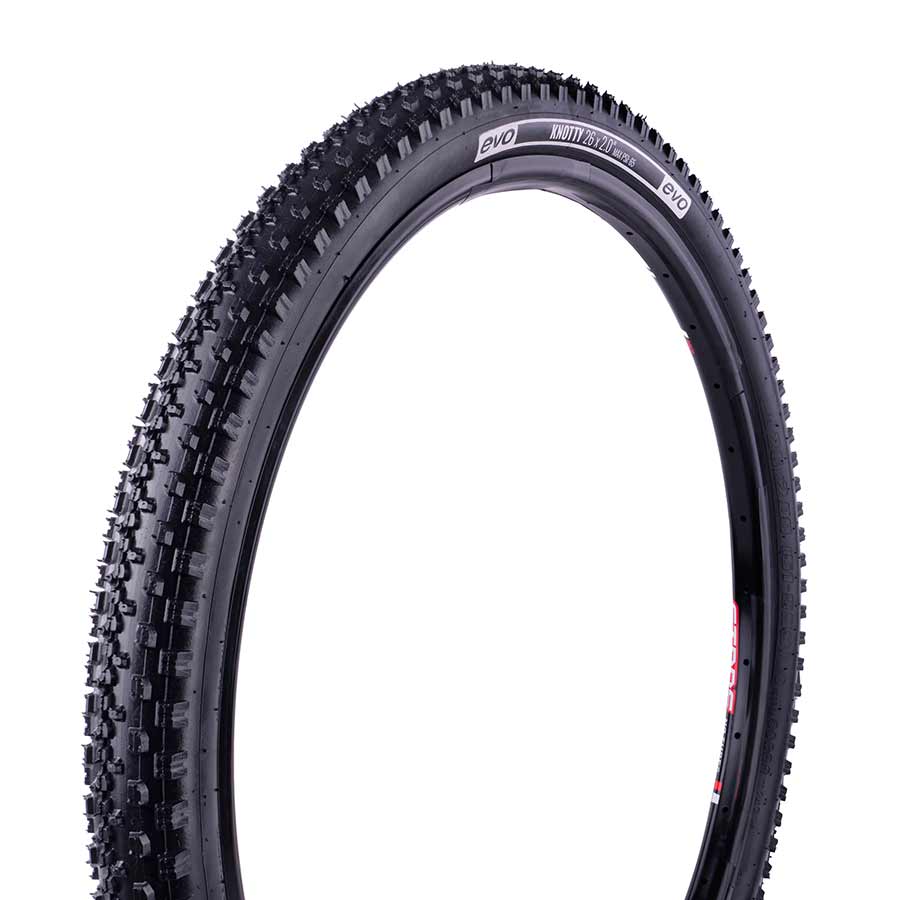
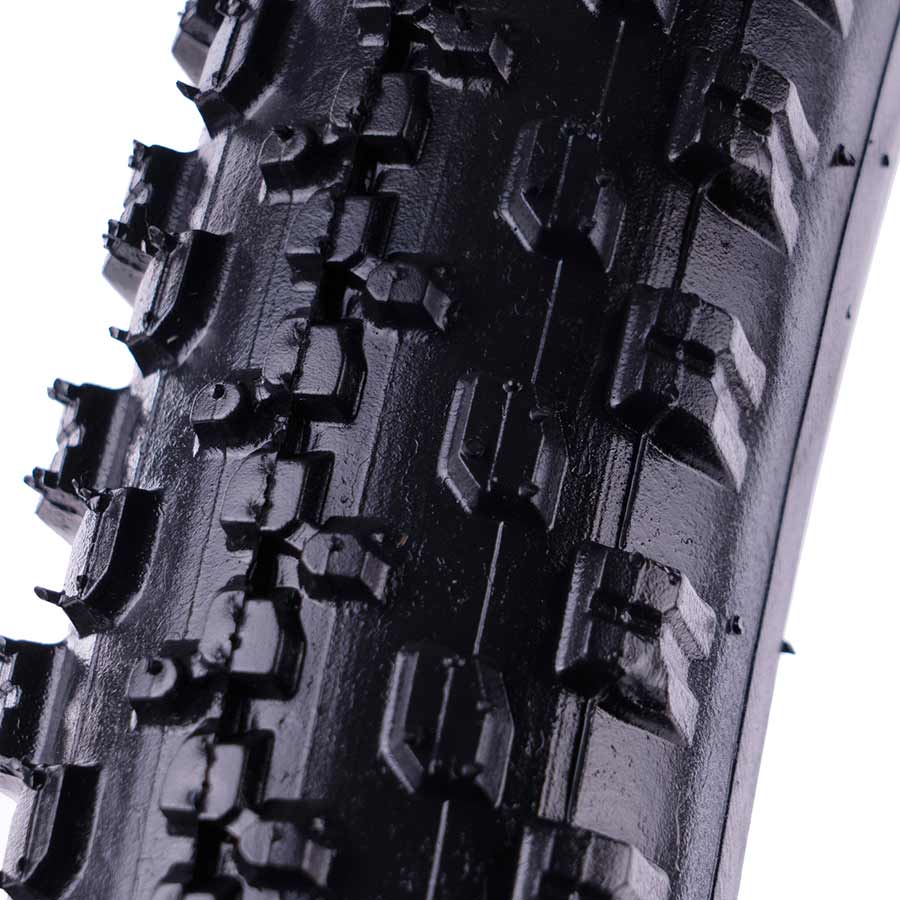
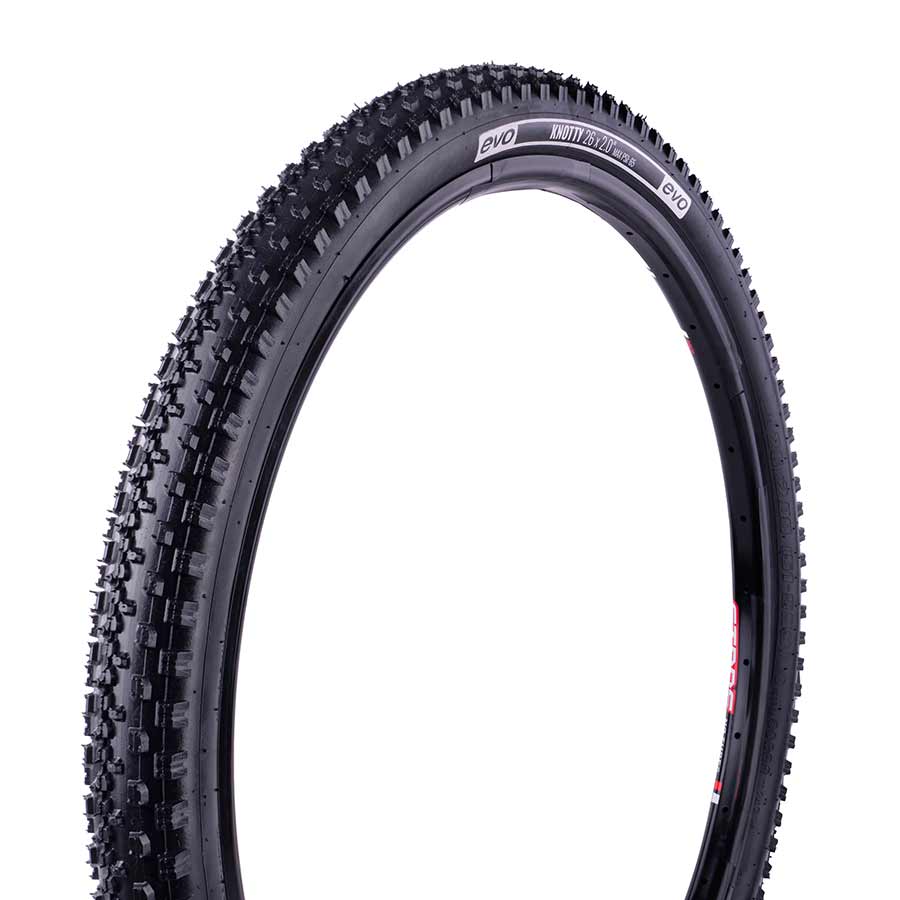
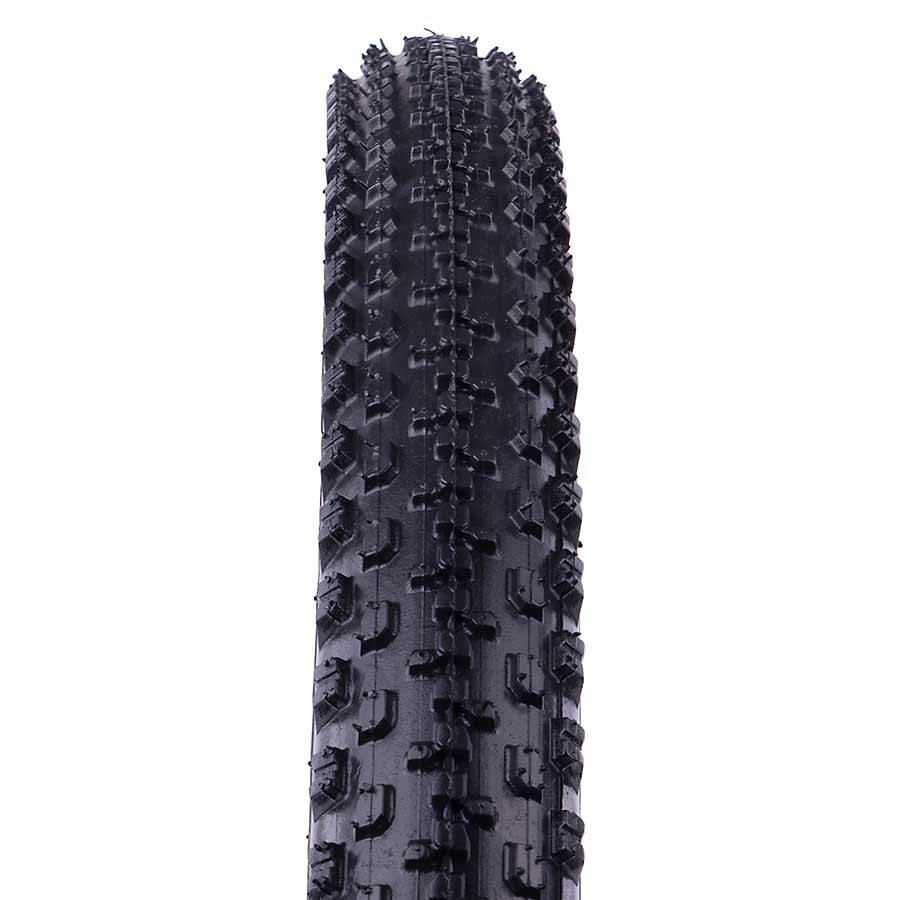
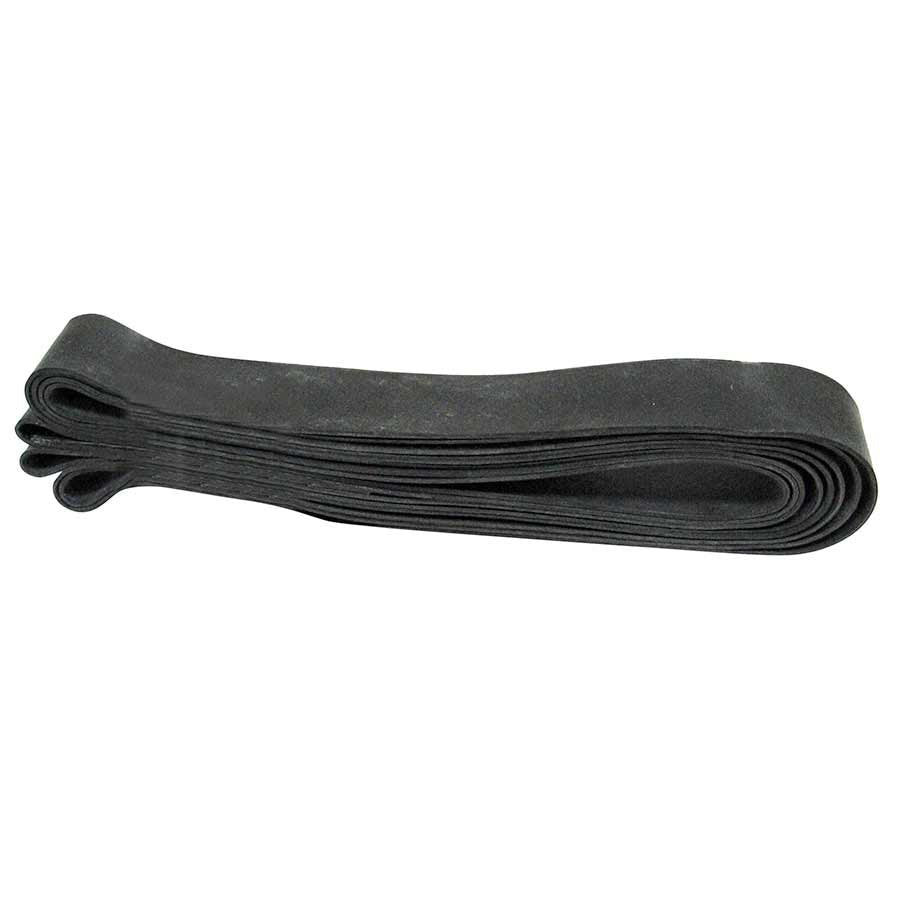
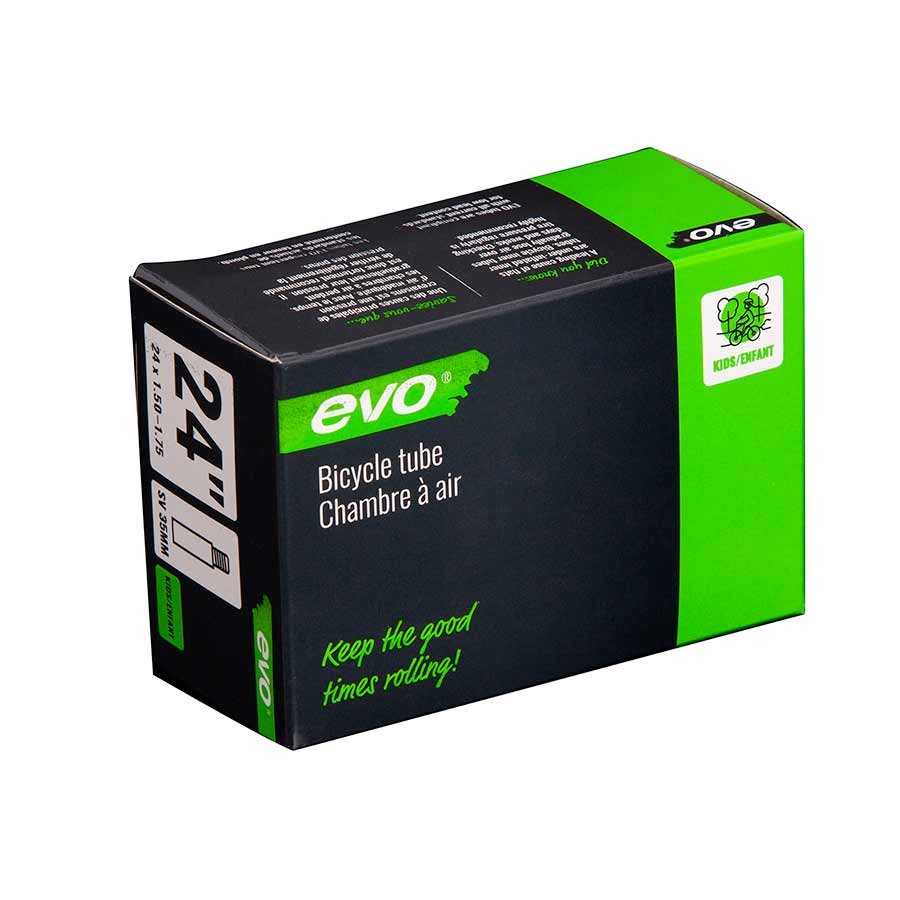

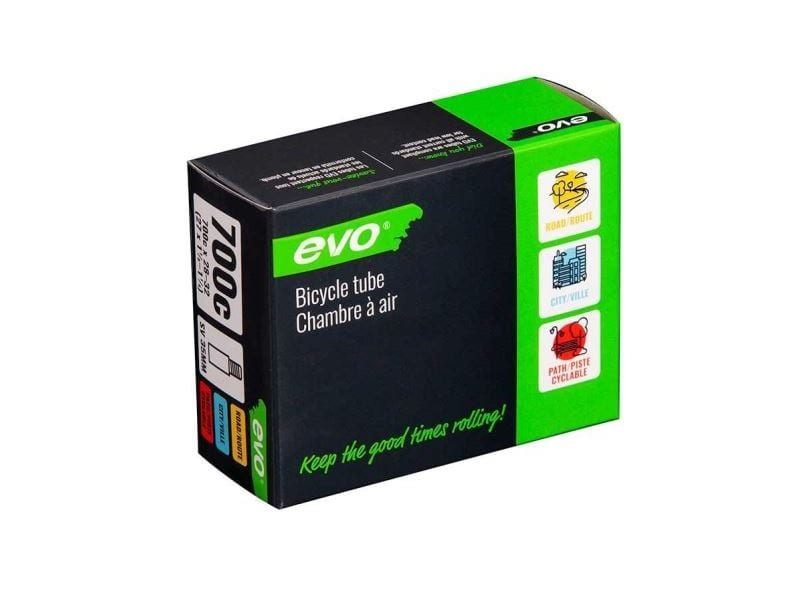
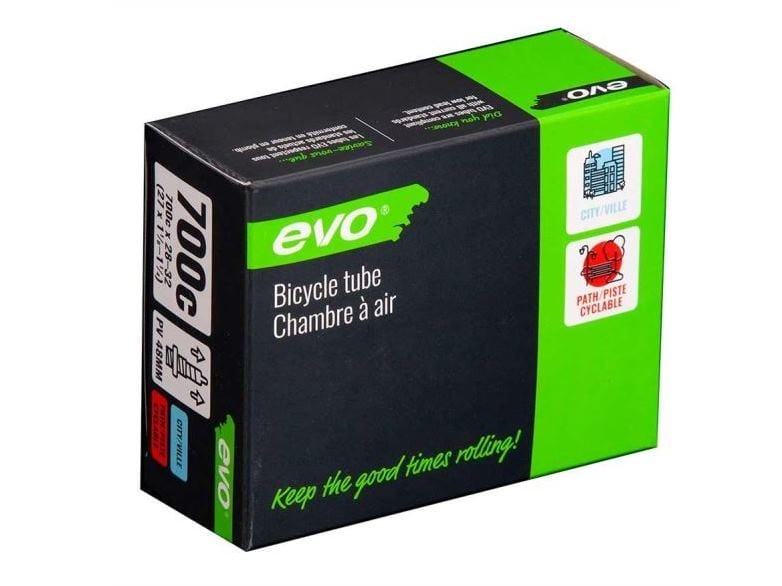

eBike tires and tubes handle greater loads and higher sustained speeds than standard bicycle tires — making puncture resistance, load rating, and appropriate tire width critical selection factors for Canadian riders.
What tire width is best for an eBike?
For urban commuting, 35–50mm tires provide the best balance of comfort, puncture resistance, and efficiency. For gravel and mixed terrain, 40–55mm tires add traction and comfort. Fat tires (4"+) are reserved for off-road, beach, and winter snow riding where their flotation and traction advantages justify the rolling resistance penalty.
Do eBike tires need to be rated for higher load?
Yes — eBike tires should be rated for at least 100 kg (combined rider and bike weight) and ideally carry an "eBike" or "E25/E50" rating indicating they meet e-bike specific speed and load standards. Standard bicycle tires may degrade faster under e-bike loads and speeds.
Are puncture-resistant tires worth buying for BC commuting?
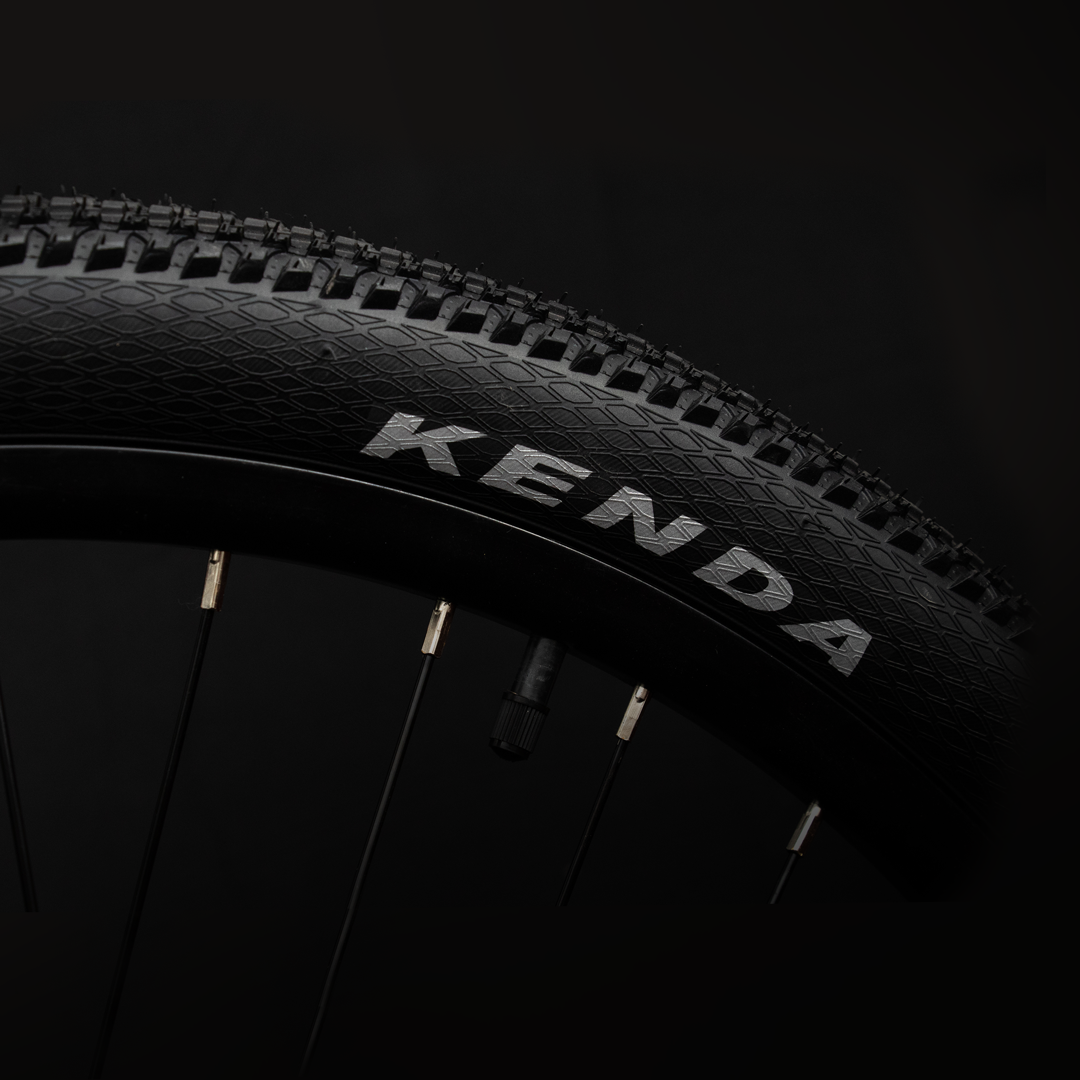
Absolutely — the time, inconvenience, and frustration of a flat tire commuting in BC rain makes puncture-resistant tires (Schwalbe Marathon, Continental Contact, Kenda Kwick) among the best value eBike upgrades. The modest rolling resistance penalty is negligible with motor assist.
Should I use tubes or go tubeless on my eBike?
Most eBike commuters use tubed tires for simplicity and easy roadside repair. Tubeless setups (requiring tubeless-ready rims and tires) eliminate most puncture flat scenarios and are popular on eBike mountain bike applications. Tubeless is increasingly available for commuter tires but requires more setup expertise.
What inner tube is compatible with ENVO hub motor wheels?
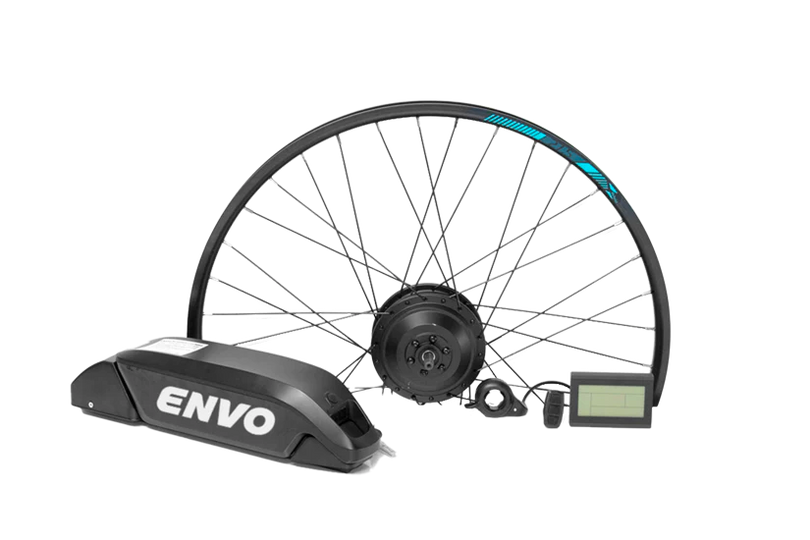
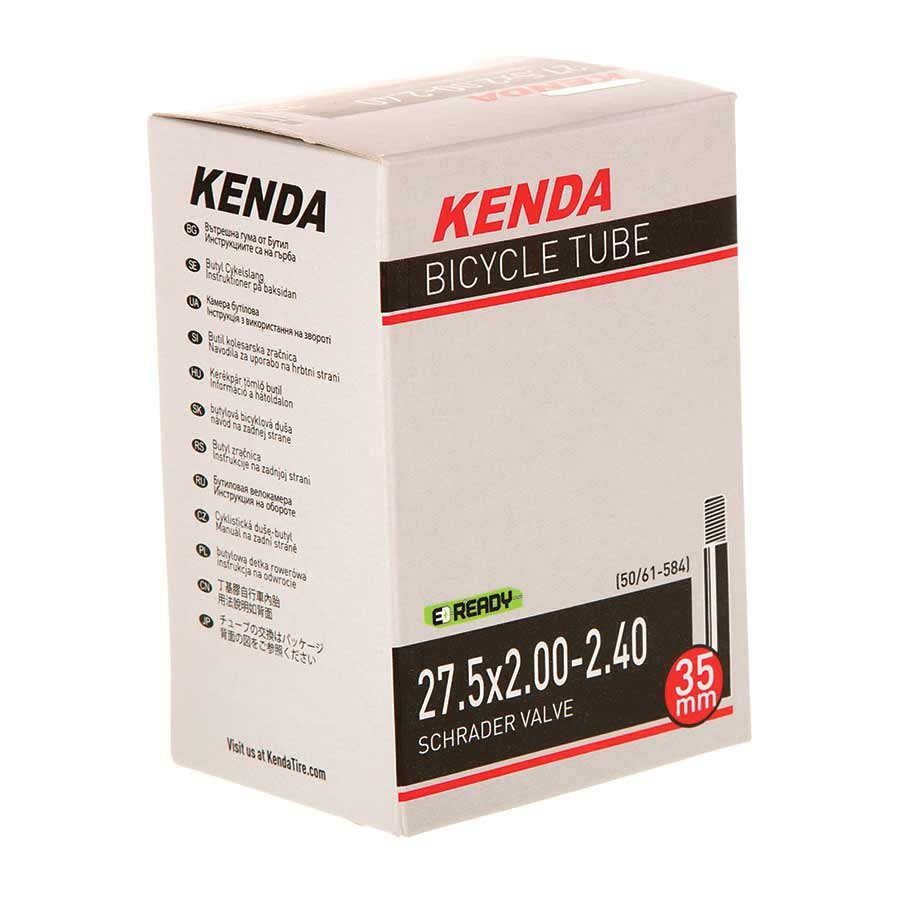
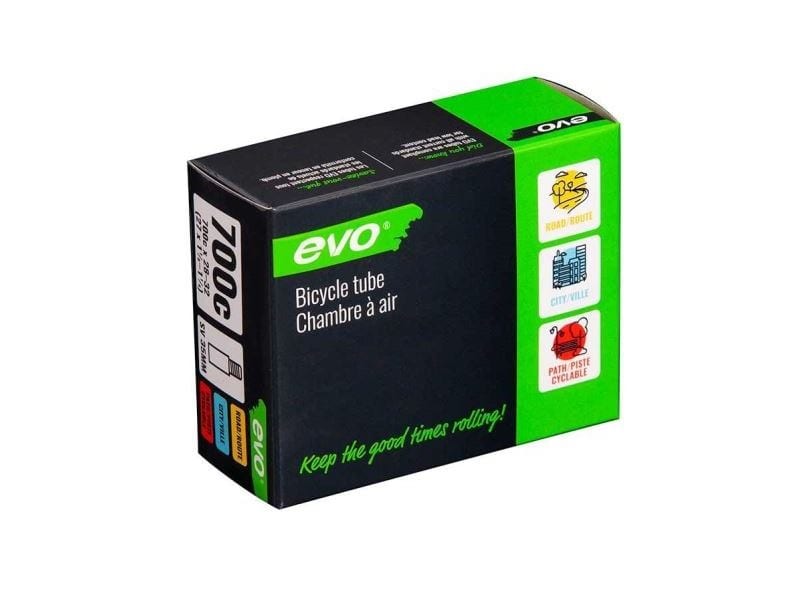
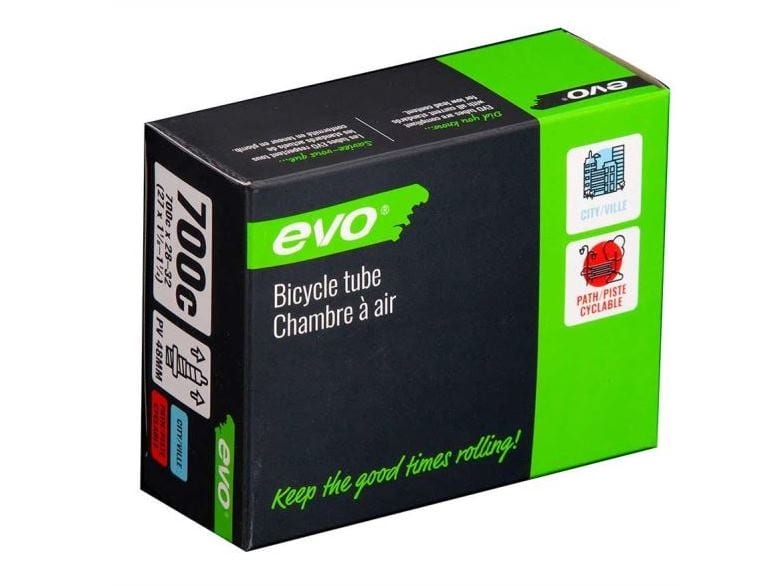
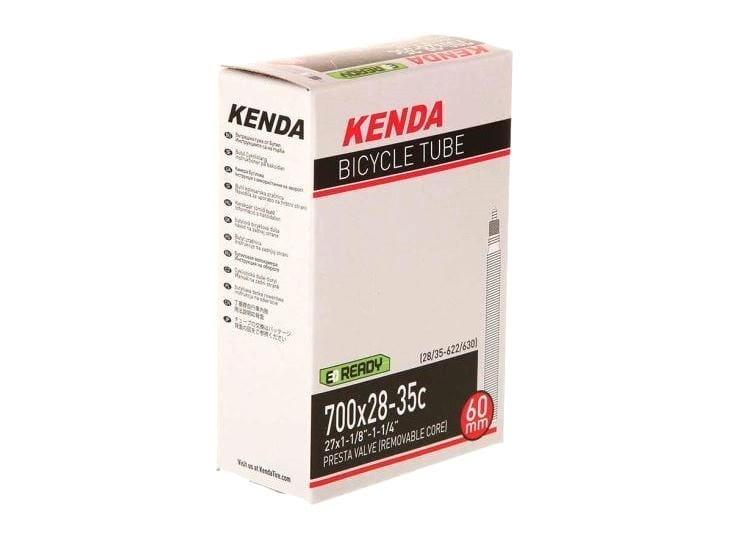
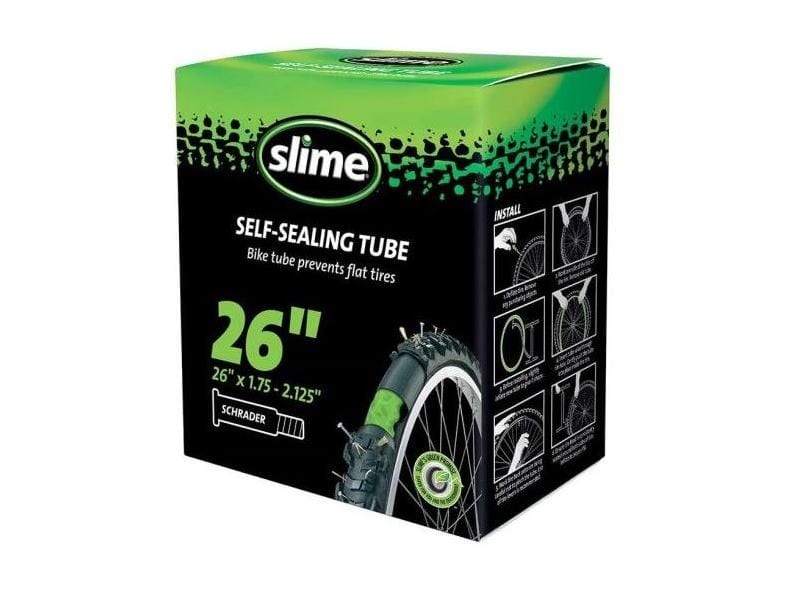
ENVO hub motor wheels use standard bicycle inner tubes matched to the wheel size (26", 27.5", 700C) and tire width. Schrader valve tubes are most common on ENVO bikes; Presta valve tubes are also available for rims with Presta valve holes. Always match the tube's listed tire width range to your actual tire size.