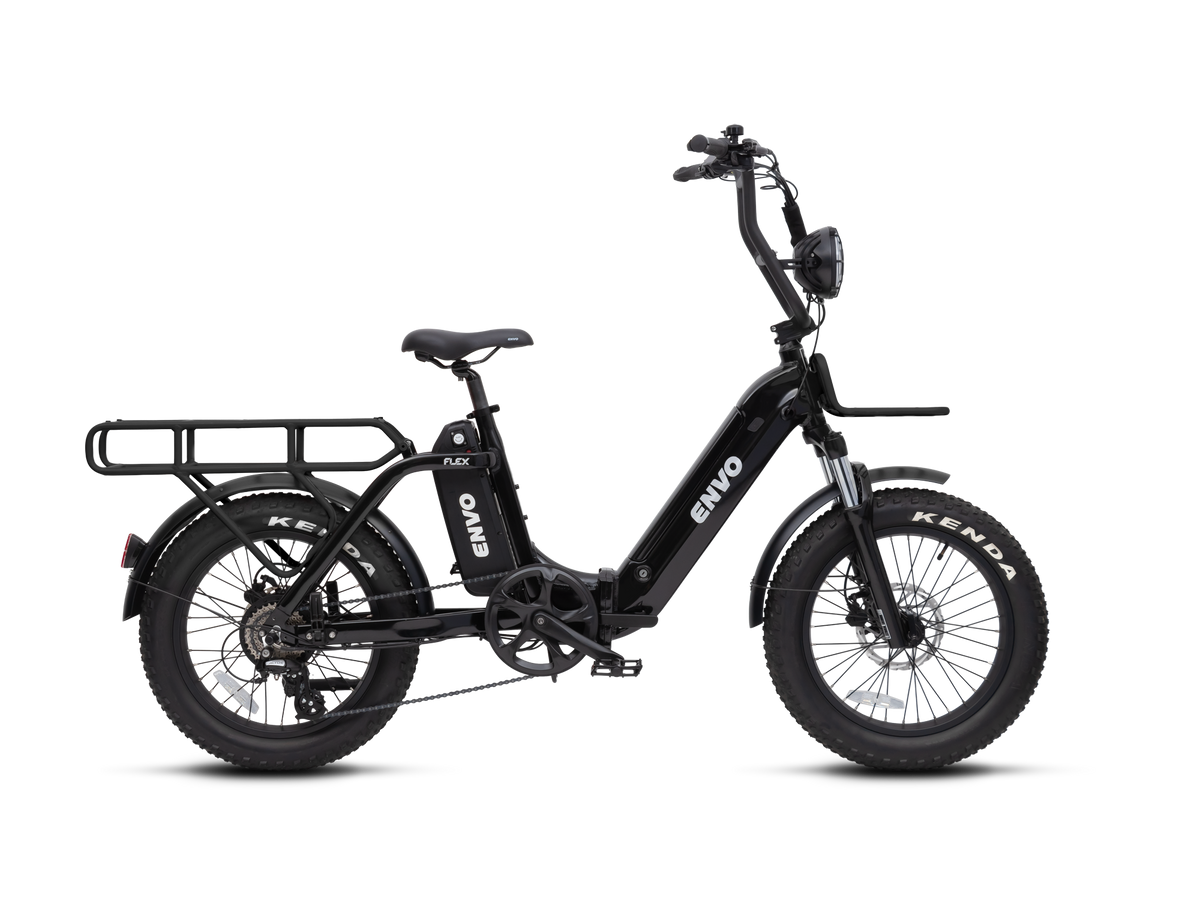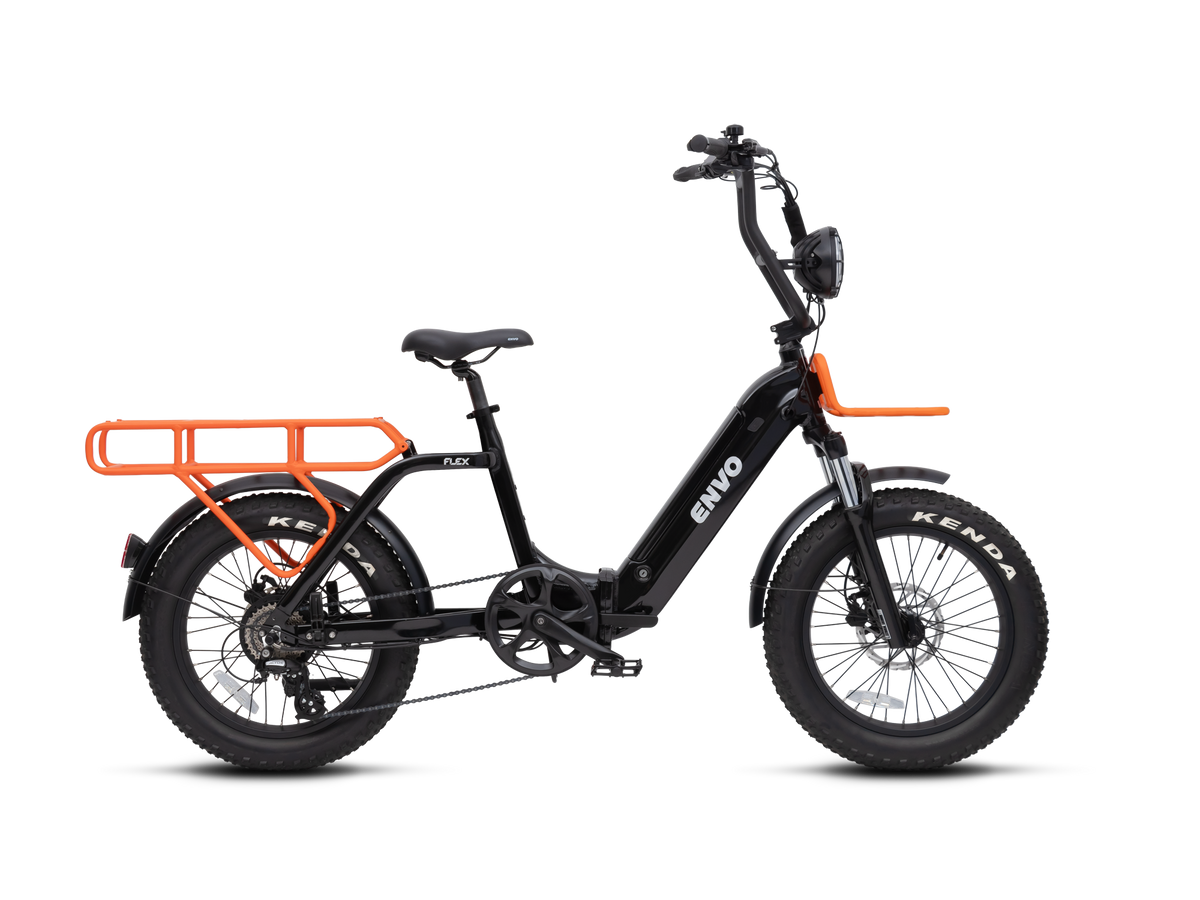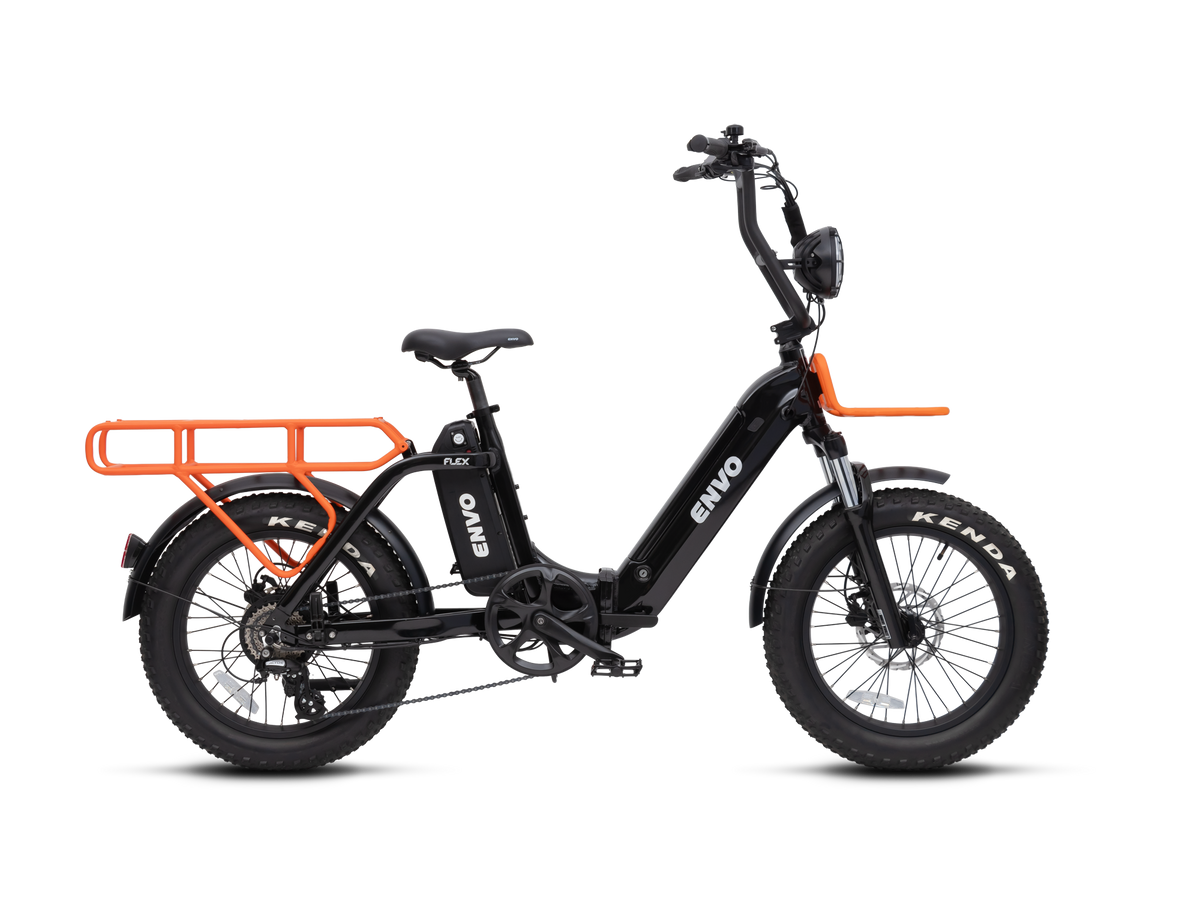
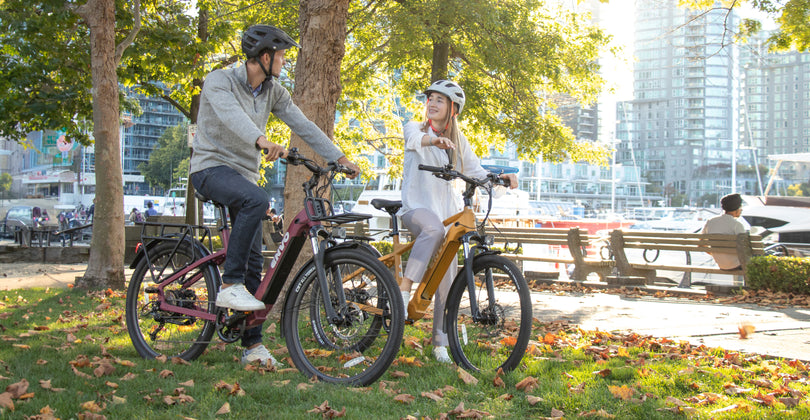
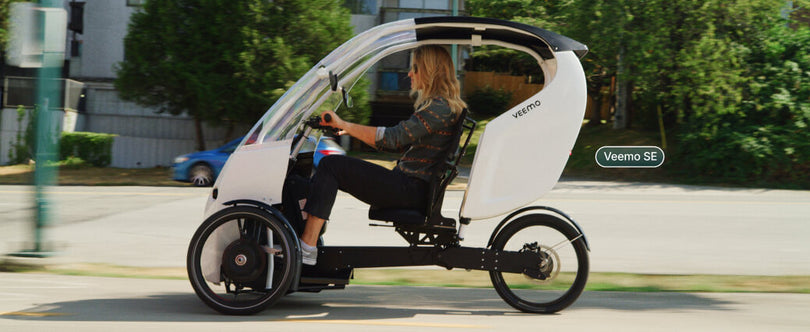


Best Aima eBike Alternatives in Canada 2026
Aima is reasonable — but for many Canadian buyers it isn't the best fit. Here are six smarter alternatives, including the ENVO models that consistently pull ahead on Class 3 capability, dual-battery flexibility, and Canadian roots.
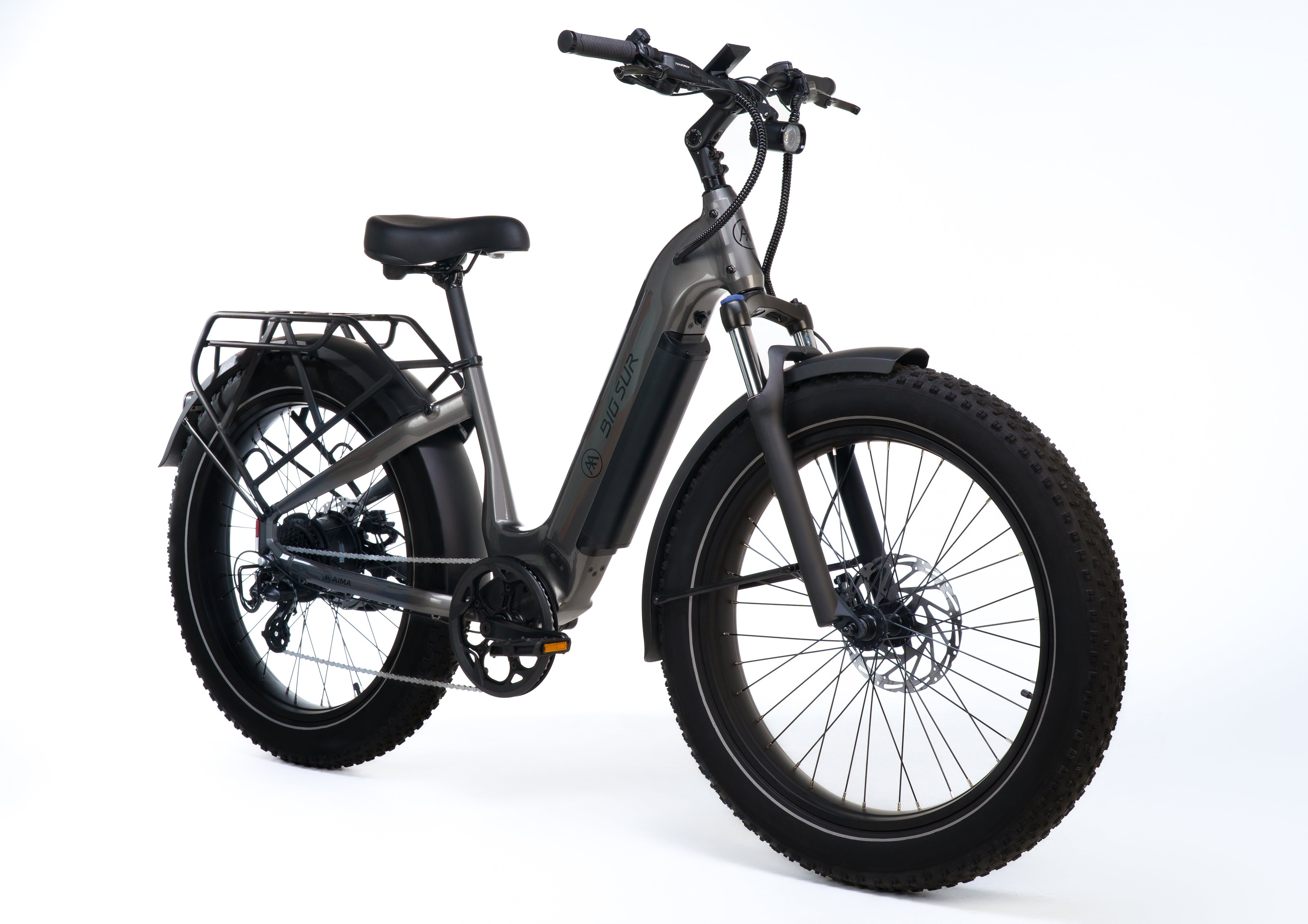
Table of Contents
Why Look Beyond Aima?
AIMA arrived in Canada on November 28, 2024 through UNIVELO in Quebec, so as of May 12, 2026 the brand has been in the Canadian market for roughly 18 months. Its Canadian lineup sits in a fairly clear lane: comfort-oriented hub-drive e-bikes with Bafang 500W motors, Bafang torque sensors, Shimano drivetrains, Tektro 203mm hydraulic brakes, 720Wh batteries using LG cells, and an advertised UL 2849-compliant electrical system.
The parent company is much bigger than many shoppers realize too: Aima Technology Group was founded in 1999, is listed in Shanghai under 603529, and reported RMB 21.61 billion in 2024 revenue — though overseas business represented only about 1.1% of revenue. In Canada, AIMA's range currently spans 8 SKUs priced from about C$2,590 to C$3,290.
There are also a few structural reasons to look at alternatives before defaulting to AIMA. Aima has no legal entity in Canada. Its North American headquarters is in City of Industry, California, USA (subsidiary AIMA EBIKE, aimatech.us). The closest Aima-corporate touchpoint to a Canadian buyer is American — and the Canadian operation depends on a single third-party Quebec distributor. The product itself is designed, engineered, and manufactured in China; the support layer is Californian sales HQ plus Quebec distribution. If "buying Canadian" is part of the brief, the cleanest answer is a Canadian-owned and Canadian-assembled brand like ENVO.
There are practical reasons too. Across comparable models, ENVO is consistently lighter than its Aima counterpart — most dramatically the ENVO D50 vs Aima Big Sur G2 (28 kg vs 37 kg, a 9-kilo gap). Aima's Shimano drivetrain on Key West and Big Sur G2 is the entry-tier Acera/Altus combination — fine for the price, but worth knowing before you compare against ENVO's 9-speed setups. Aima also discloses Bafang motors and LG cells transparently, but leaves the tire brand unstated on Canadian product pages. Reviewers frequently cite ENVO's PAS responsiveness and ride feel — qualities tuned over years of Canadian use that don't show up on a spec sheet.
That makes AIMA a reasonable option for buyers who want a polished dealer-sold package and like the current UNIVELO/AIMA spec formula. But it is not automatically the best fit. Here are six alternatives worth stronger consideration in Canada in 2026 — including options from the EbikeBC Canadian-assembled lineup.
1. ENVO D50 instead of AIMA Big Sur G2
ENVO D50
Class 3 capable, dual-battery ready, UL 2849 listed, Canadian-assembled in Burnaby.
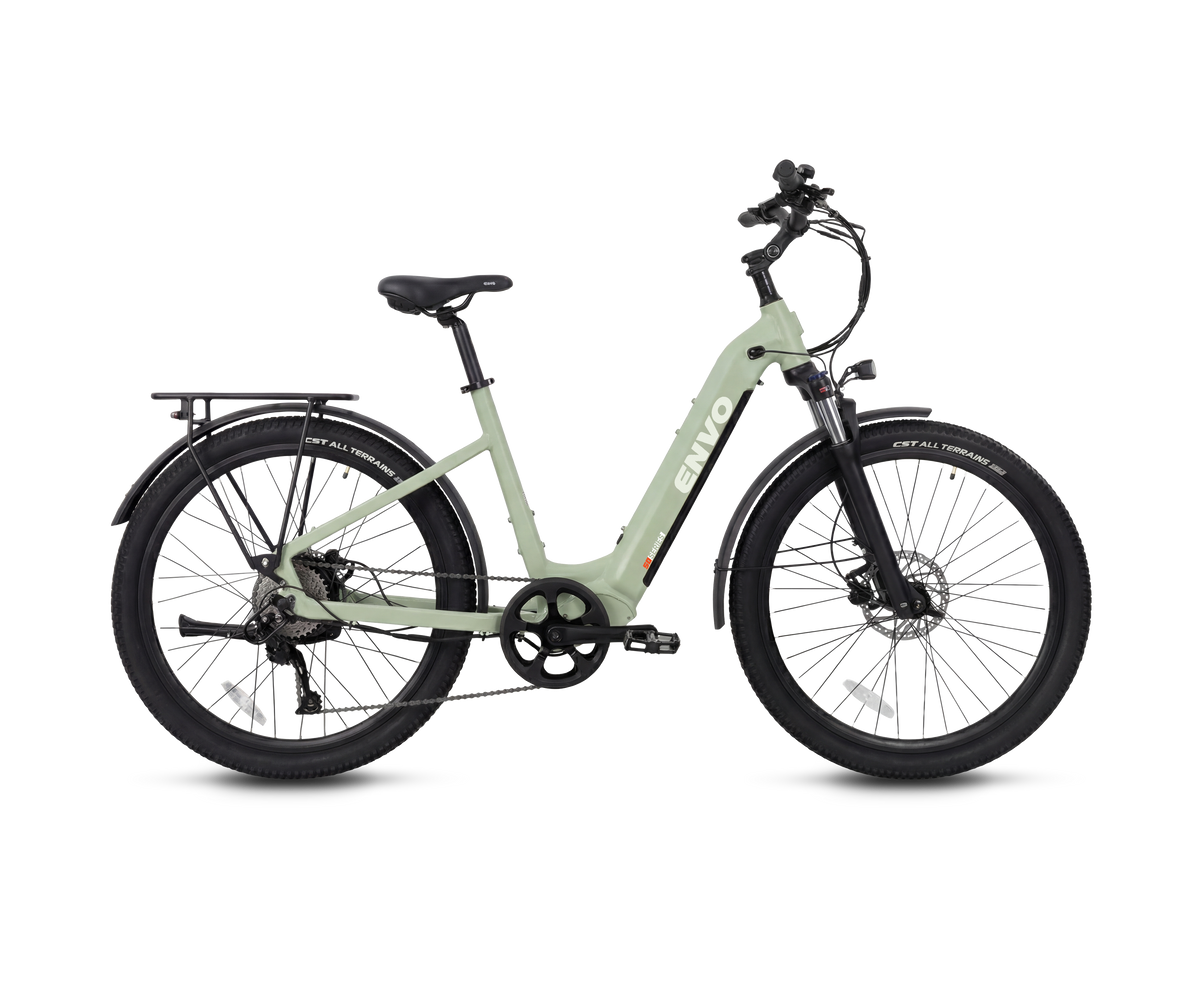
If you're cross-shopping the AIMA Big Sur G2 family, the ENVO D50 is probably the sharpest direct alternative. AIMA's Big Sur G2 is a compelling fat-tire all-rounder on paper: 500W rear hub motor, 80Nm peak torque, torque sensing, Shimano drivetrain, 203mm Tektro hydraulics, and a 720Wh battery. That is absolutely enough for recreational mixed-surface riding, cottage roads, urban potholes, and light trail use. So yes, AIMA is still reasonable if you simply want a comfortable fat-tire e-bike from a dealer network at around the C$2,990 mark.
But the ENVO D50 pulls ahead for many Canadian buyers because it addresses three real-world use cases AIMA doesn't: Class 3 capability, dual-battery support, and local assembly identity. ENVO is Canadian-owned, headquartered at 1685 Ingleton Ave in Burnaby, BC, and traces its company history to 2016, giving it roughly nine years of operating history in Canada by 2026. ENVO also explicitly supports dual-battery setups on the D50, and its own manual states D50/ST50 can be configured as Class 3. ENVO also publishes a dedicated UL 2849 collection listing D50/ST50 certification.
The weight story is the biggest practical wedge here. The ENVO D50 weighs 28 kg; the Aima Big Sur G2 weighs 37 kg. That's a 9-kilogram gap on otherwise broadly similar fat-tire platforms — and it shows up in every part of ownership: easier handling at low speed, less fatigue lifting onto a rack, easier indoor or garage storage, and a more confident feel pushing the bike when the assist is off. Riders also describe the D50's PAS responsiveness as more natural — ENVO has tuned the assist over years of Canadian rider feedback, while Aima runs Bafang off-the-shelf tuning. And the D50's geometry is designed around North American sizing (taller average heights, longer torsos), whereas Aima frames carry signs of being designed for the Chinese domestic market. Many riders won't notice this on a parking-lot loop, but it shows up on longer rides.
Component tier matters too. Aima's Big Sur G2 runs Shimano Acera/Altus — Shimano's entry-tier road/MTB drivetrain. ENVO's D50 runs a 9-speed setup with wider gear range. Aima also leaves the tire brand undisclosed on Canadian pages, while disclosing Bafang motor and LG cell sources — selective transparency that's worth flagging.
So if you want a Big Sur-type bike but care about higher-speed capability where lawful, longer-range expansion, lighter weight, North American geometry, and stronger "buy Canadian" appeal, the D50 is the better fit. AIMA still makes sense if your priority is simply getting a straightforward, well-specced fat-tire bike from the newer AIMA/UNIVELO ecosystem.
2. ENVO ST50 instead of AIMA Santa Monica
ENVO ST50
Step-thru frame, Class 3 capable per the ENVO manual, dual-battery support, UL 2849 listed.
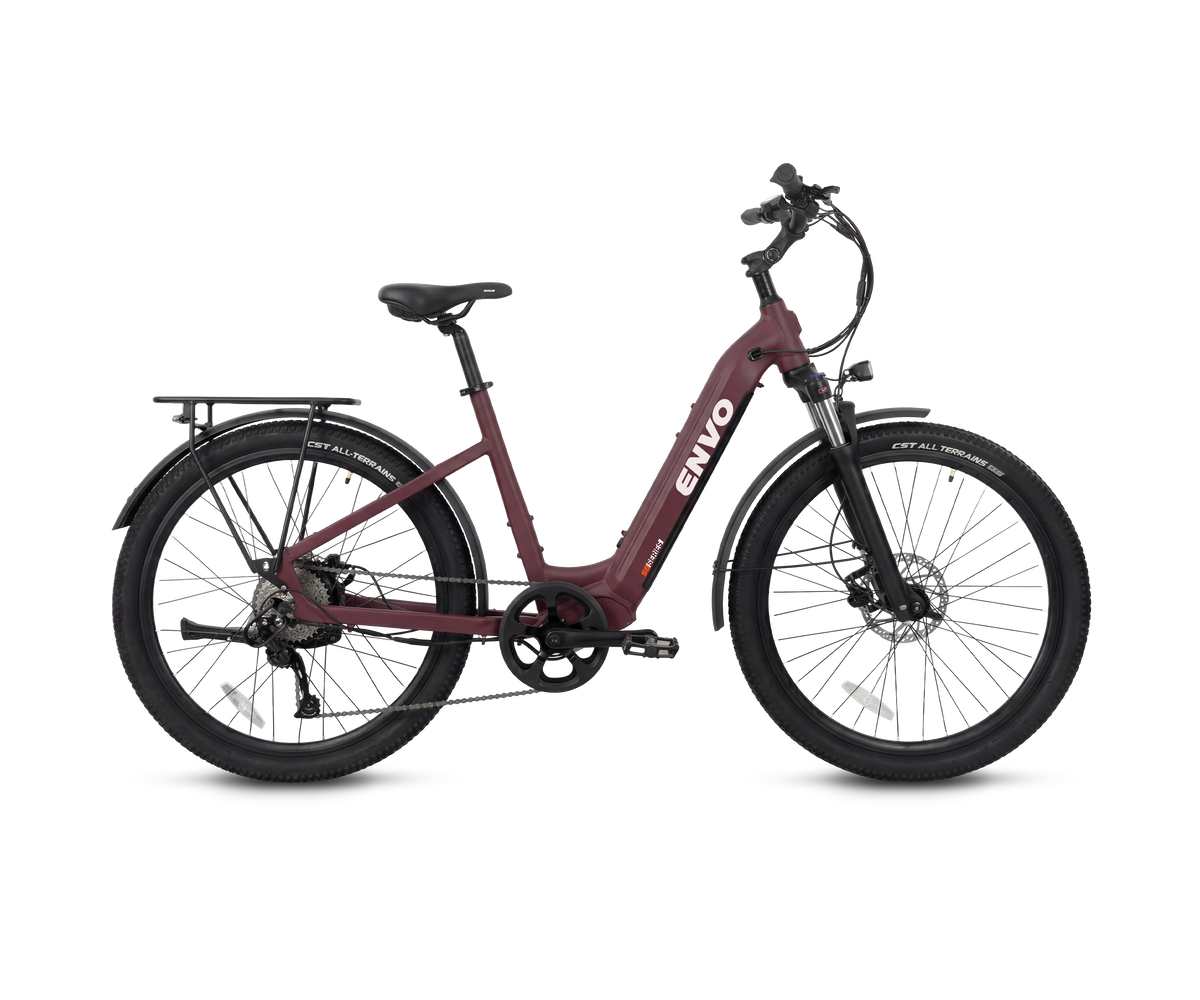
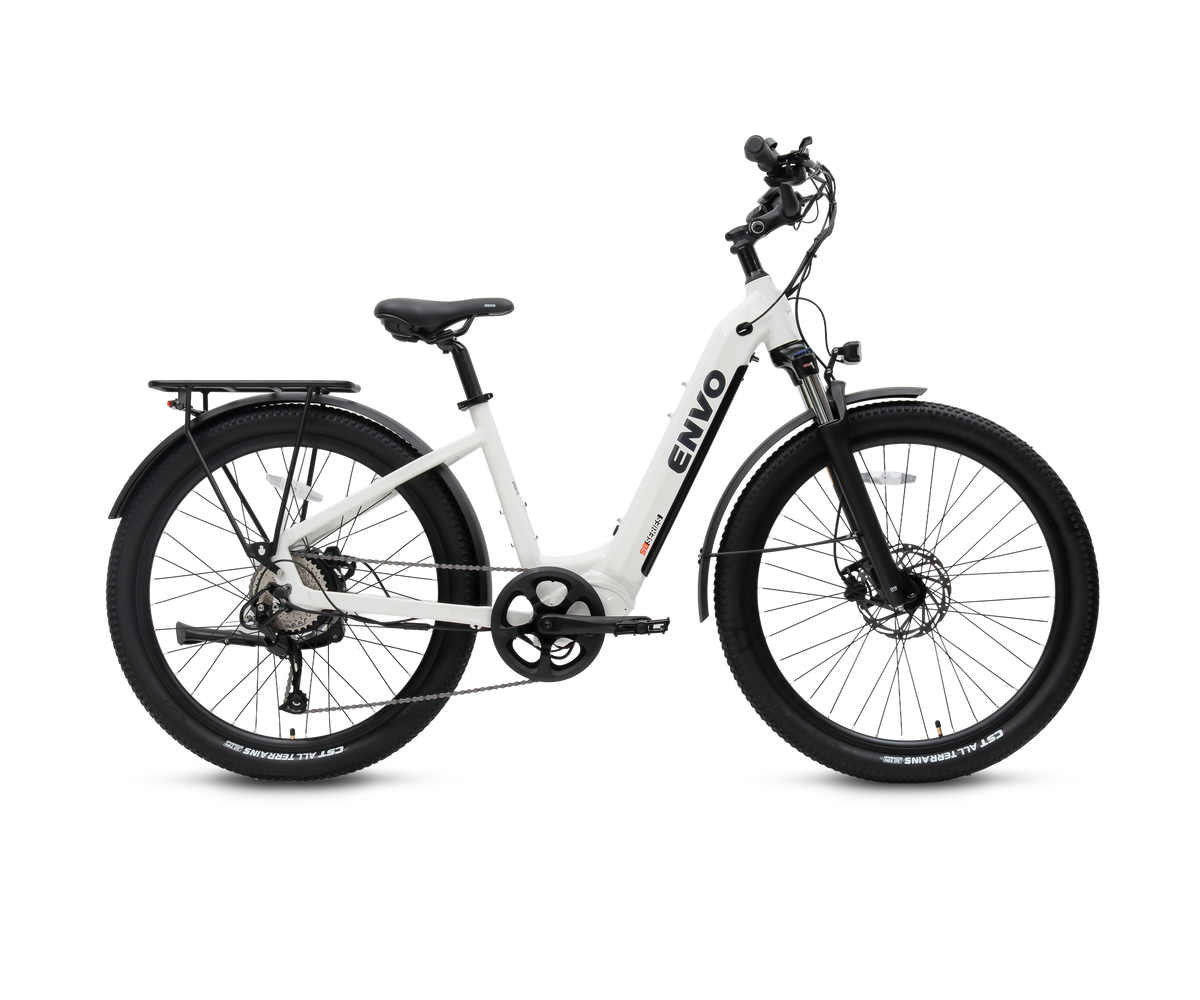
The AIMA Santa Monica is one of the better-looking urban comfort models in the category. It combines a low step-thru frame, 500W Bafang hub motor, Bafang torque sensor, Shimano drivetrain, 203mm hydraulic brakes, and a 720Wh battery with LG cells. For a commuter or casual city rider who wants comfort, integrated lighting, and a very complete stock spec around C$2,990, AIMA's argument is easy to understand.
Still, for many Canadian step-thru buyers, the ENVO ST50 is the more complete answer. The biggest reason is that the ST50 gives buyers room to grow into more demanding use: dual-battery compatibility for more range, Class 3 capability according to ENVO's manual, and the same publicly listed UL 2849 status as the D50. That matters because urban riders often become longer-distance riders once they get comfortable riding to work, to transit, and on weekend greenways. A single-battery Class 2-only style package can start to feel limiting.
The ST50 is also a kilogram lighter than the Santa Monica (28 kg vs 29 kg) — a smaller gap than the D50/Big Sur G2 wedge, but still in ENVO's favour. ENVO's PAS tuning has been refined for Canadian conditions, and the ST50's geometry is designed around North American sizing, which can matter on longer commutes. ENVO carries a sleeker, more considered design language across the lineup, while Aima's bikes lean more utilitarian — subjective, but visible.
A second advantage is brand maturity in Canada. ENVO has been operating for years out of Burnaby rather than entering Canada only in late 2024 through an exclusive distributor. There is no Aima entity in Canada at all — the North American HQ is in City of Industry, California — so a Santa Monica owner's only Canadian support pathway runs through UNIVELO and partner shops. That does not make AIMA "bad," but it does reduce uncertainty if your concern is long-haul Canadian continuity and parts familiarity. AIMA is still reasonable if you love the Santa Monica's design language and want the simplicity of its fixed package. But if you want a step-thru commuter with more headroom, the ST50 is the stronger buy. You can browse the rest of the urban commuter e-bikes collection alongside it.
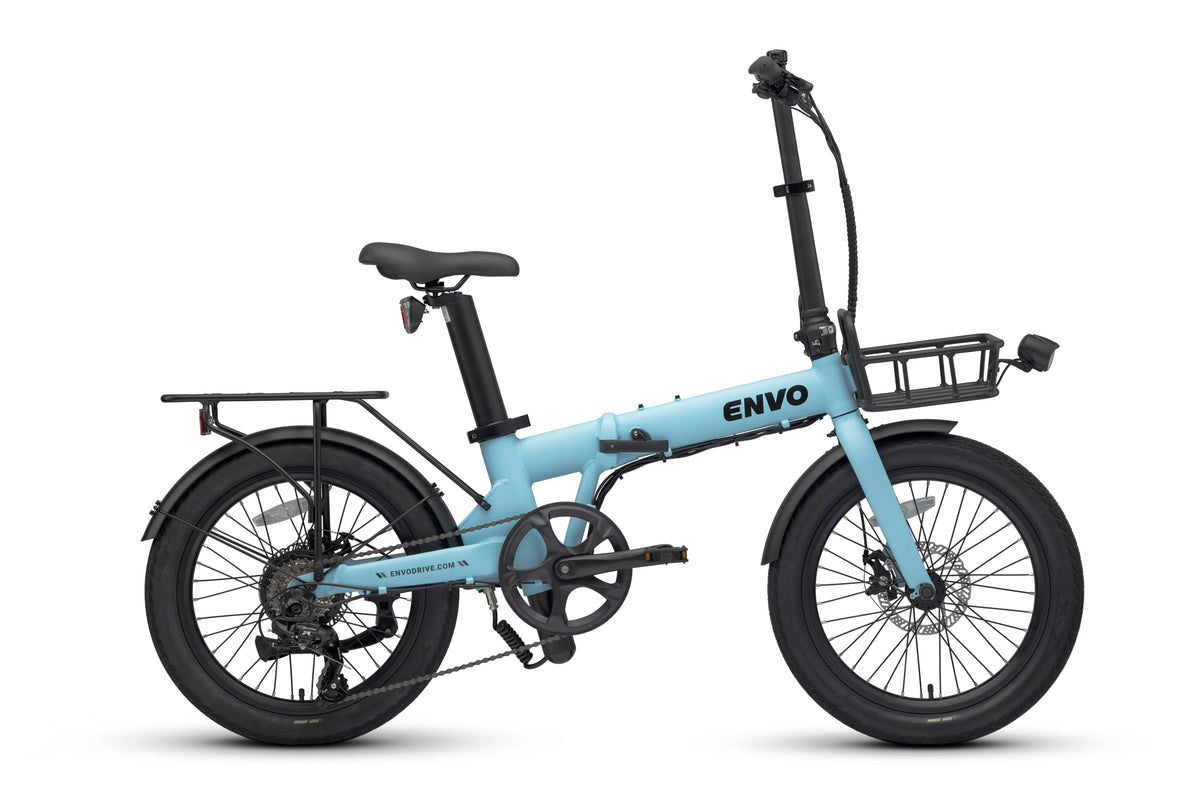
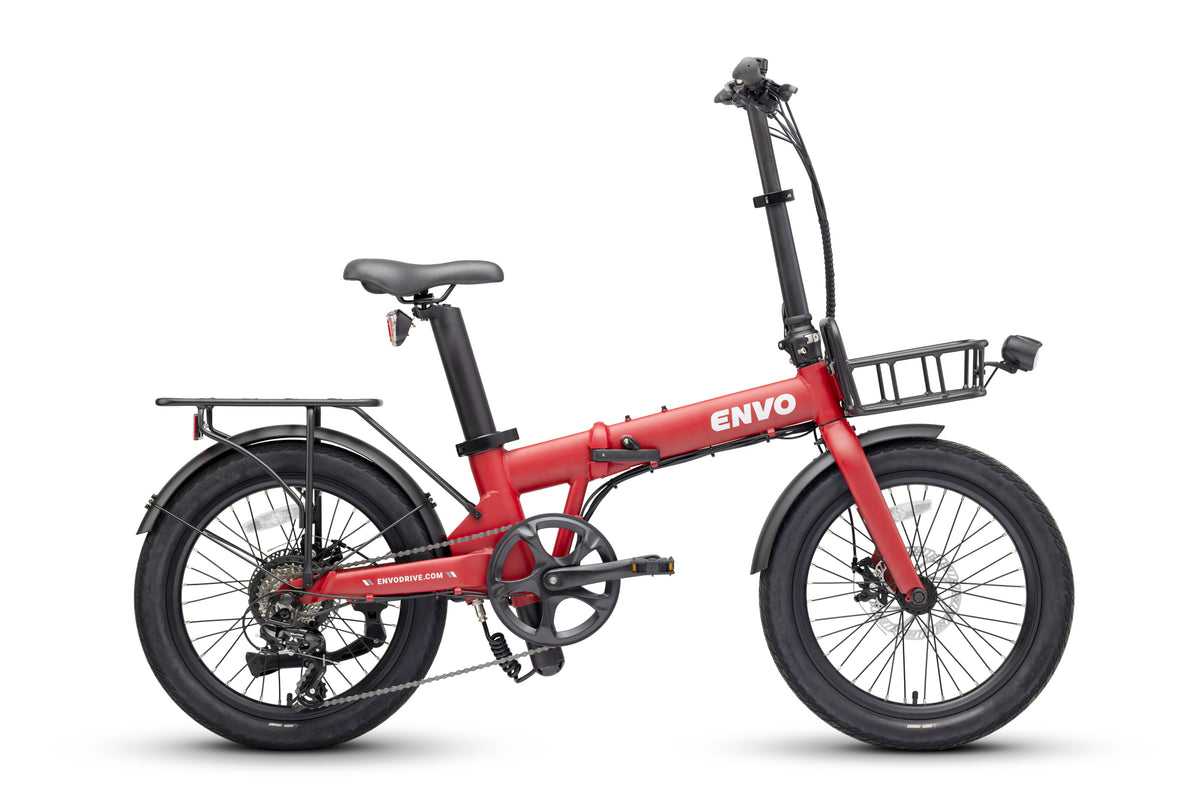
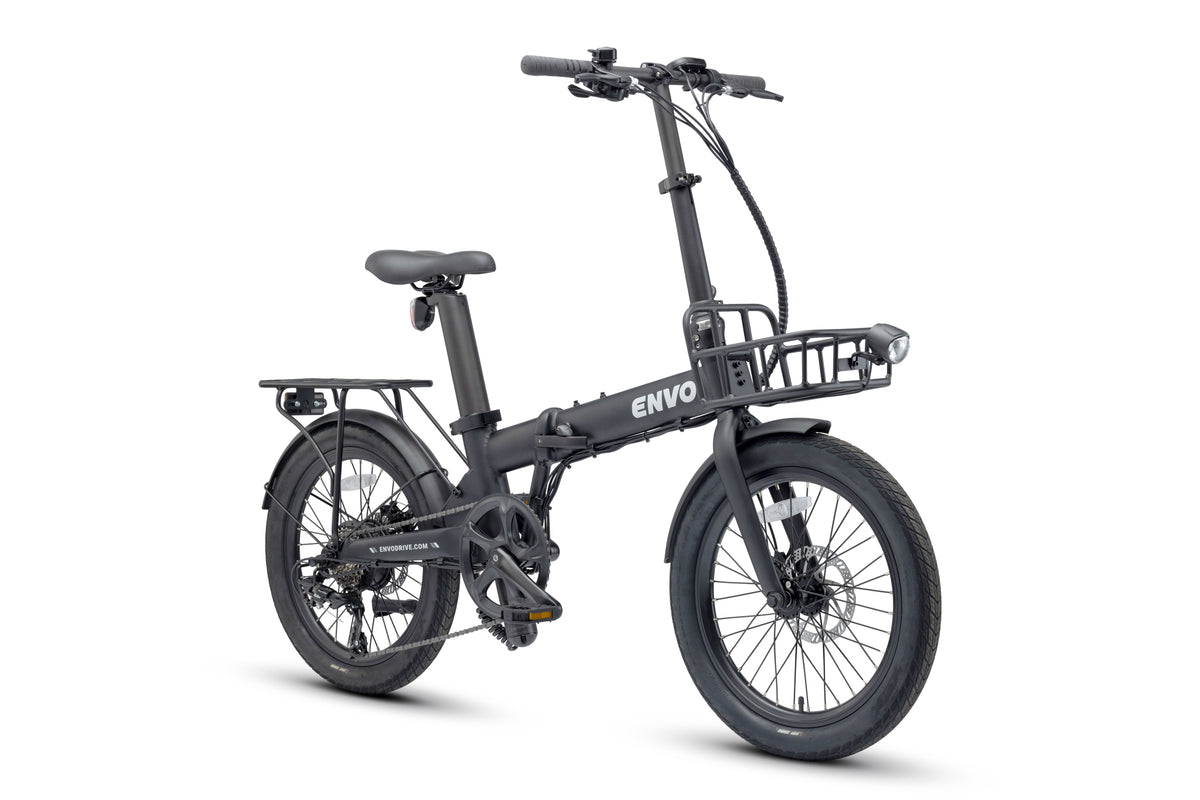
3. ENVO Lynx 20 if you need a folding bike
ENVO Lynx 20
Compact folder, UL 2849 listed, torque sensor, LG/Panasonic cell quality — none of which Aima Canada matches with a folding model.
This one is simple: AIMA currently has no folding bike in its Canadian lineup. Its eight Canadian SKUs focus on city, fat-tire, and cargo formats sold through partner retailers via UNIVELO. So if you live in a condo, want to store the bike in an RV, need multimodal transit flexibility, or have a small garage, there is an obvious category gap.
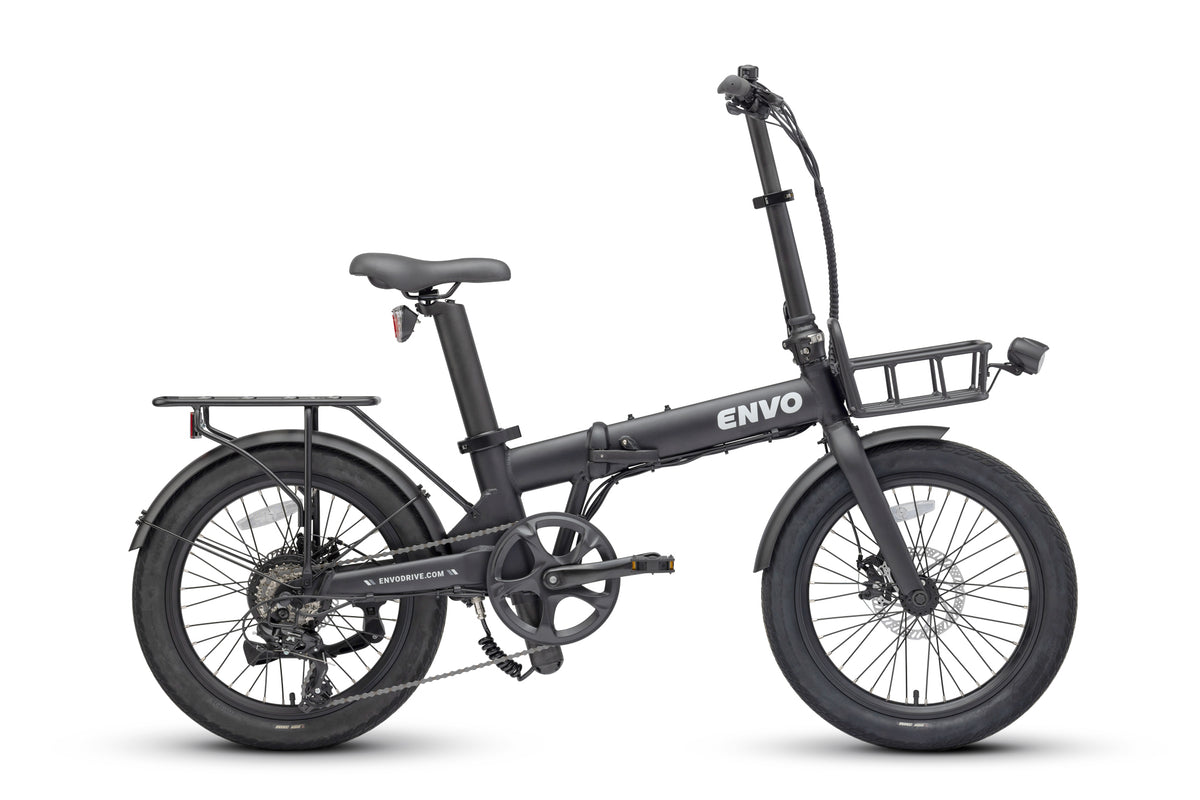
That is where the ENVO Lynx 20 comes in. It directly solves a problem AIMA does not try to solve. ENVO's Lynx 20 is a compact folding e-bike with published UL 2849 certification, torque sensor support, and utility accessories like racks and baskets. ENVO also highlights use of premium LG/Panasonic cells on the Lynx page. For apartment dwellers and travelers, those practical advantages matter more than whether AIMA's Big Sur or Santa Monica have larger wheels or a sleeker hydroformed frame. The broader folding e-bike collection is worth a look if portability is part of your brief.
To be fair, AIMA would still be reasonable if you never need folding and prefer a larger, more planted ride feel. Full-size bikes generally ride more naturally at speed and over rough pavement. But if your buying brief includes portability at all, the Lynx 20 is not just a better fit than AIMA — it's the fit AIMA currently doesn't offer.
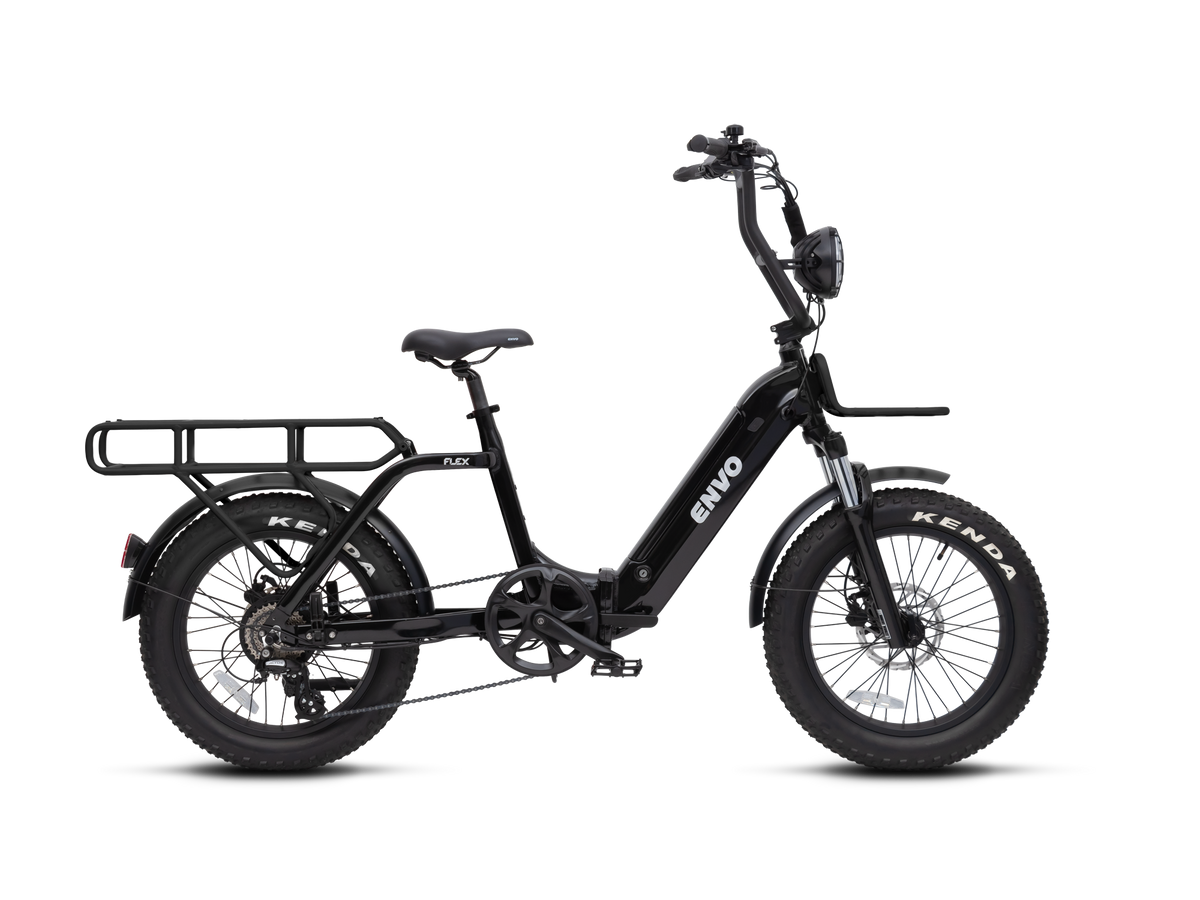
4. ENVO U50 instead of AIMA Big Sur Cargo
ENVO U50
Built specifically as a family cargo e-bike — dual-battery support, 720Wh LG cell base battery, Canadian assembly, convertible accessory system.
The AIMA Big Sur Cargo is attractive because it extends the same Big Sur formula into utility use. It is sold in 15Ah and 20Ah versions, with prices around C$3,090 and C$3,290 respectively, making it one of the more affordable ways into a longtail-ish utility e-bike shape from a dealer-backed brand. If your cargo needs are moderate and you mainly want groceries, light errands, or occasional child-carrying with the right accessories, AIMA remains a reasonable value play.
But serious family-duty buyers should look hard at the ENVO U50. ENVO positions the U50 specifically as a family and cargo electric bike, offers a dual-battery setup, uses a 720Wh LG battery in the base configuration, and emphasizes that it is built in Canada with a convertible accessory system. In practical terms, that makes it a more purpose-built cargo choice than adapting a fat-tire platform into cargo use. You can compare other options in the cargo e-bike collection.
That distinction matters. A lot of bikes can carry cargo; fewer are really optimized around cargo ownership. If your bike is replacing car trips, school drop-offs, or repeated grocery runs, then accessory ecosystem, family usability, and expanded battery options often matter more than headline motor wattage. AIMA still makes sense for lighter-duty utility use and lower upfront cost. But for buyers thinking "family mobility platform," the U50 is the more convincing answer.
5. VoltBike Bravo or Urban as a Canadian-brand alternative
VoltBike deserves a look from buyers who like AIMA's value equation but would prefer another Canadian brand. VoltBike markets itself as a proud Canadian business based in British Columbia, and its Bravo line is one of the best-known names in Canada's direct-to-consumer fat-tire segment. The Urban line, meanwhile, gives city riders a more commuter-oriented alternative.
Where AIMA may still be preferable is dealer-channel support. AIMA in Canada is intentionally retailer-led through UNIVELO, which some buyers prefer because they want a shop relationship from day one. VoltBike has historically appealed more to online-direct, value-conscious, self-sufficient shoppers. So if you hate the idea of online-first ownership, AIMA can still be the safer emotional purchase.
But if your priority is stretching dollars while still buying from a Canadian business presence, VoltBike is an easy inclusion on the shortlist. Bravo is the more natural comparison for Big Sur buyers, while Urban fits buyers looking at Santa Monica or Key West-style everyday commuting. (For an even more locally rooted alternative, the ultimate electric bike buying guide walks through how to weigh Canadian assembly versus Canadian distribution.)
6. Surface 604, Rize, and iGO as broader Canadian alternatives
Finally, if you are not locked into a one-to-one AIMA comparison, broaden the search. Surface 604, Rize, and iGO sit in the wider Canadian e-bike conversation and can offer different blends of geometry, battery size, motor output, and local brand familiarity. Rize, for example, continues to market from Vancouver with a broad range, while Surface 604 remains a recognized Canadian name in the all-terrain/fat-tire category.
I'd treat this bucket as "research further before buying," not "blindly choose instead of AIMA." Availability, dealer support, and current model strategy vary. But the point stands: AIMA is not the only way to get a decent commuter or fat-tire utility bike in Canada — and the commuter e-bike guide can help you frame the trade-offs.
FAQ
Final Take
AIMA is reasonable in Canada if you want a cleanly specced, dealer-sold e-bike from a large global parent and you are happy with its current boundaries: no folding model, no dual-battery setup, and no clear Class 3 play in the Canadian lineup. But for most shoppers who want more flexibility or stronger Canadian operating roots, ENVO is the standout alternative brand, with VoltBike and a broader group like Surface 604/Rize/iGO rounding out the shortlist.
If you want one bike to grow with you, start with the ENVO D50. If you want the step-thru commuter answer, look at the ENVO ST50. If portability matters, the Lynx 20 is the only serious answer in this lineup.
Shop ENVO — The Canadian-Assembled Alternative
Designed and assembled in Burnaby, BC. Dual-battery support, Class 3 capability, UL 2849 listings, and a 9-year Canadian operating history.
Disclaimer: This article is for informational purposes only and reflects publicly available information as of May 2026, including Aima Technology Group's 2024 annual report disclosures, UNIVELO's Canadian launch announcements, ENVO's published product specifications, and manufacturer-listed UL 2849 status. Prices in CAD are approximate and subject to change. We are not affiliated with Aima Technology Group, UNIVELO, VoltBike, Surface 604, Rize, or iGO. Always verify current terms directly with the manufacturer or distributor before purchasing.