


You've narrowed down your e-bike search and everything looks great — until you hit the spec sheet and see two motor options: 350W and 500W. Suddenly you're down a rabbit hole of wattage charts and forum debates. Sound familiar?
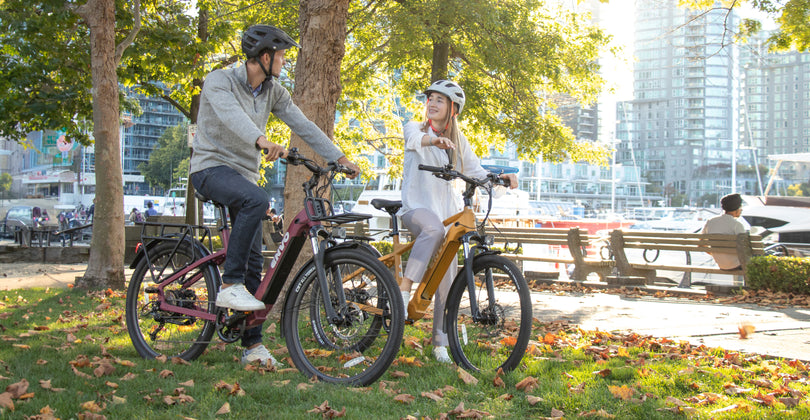
Don't worry — this one is actually simpler than it looks. Whether you're commuting across Burnaby, climbing the hills of North Vancouver, or exploring the trails around Kelowna, the "right" motor comes down to how and where you ride. Let's break it all down so you can make the call with confidence.
First: What Does Wattage Actually Mean?
Wattage is a measure of how much power a motor can produce. Think of it like horsepower in a car — a higher number means more grunt available when you need it. On an e-bike, that grunt shows up as acceleration, hill-climbing ability, and how easily the motor handles heavier loads.
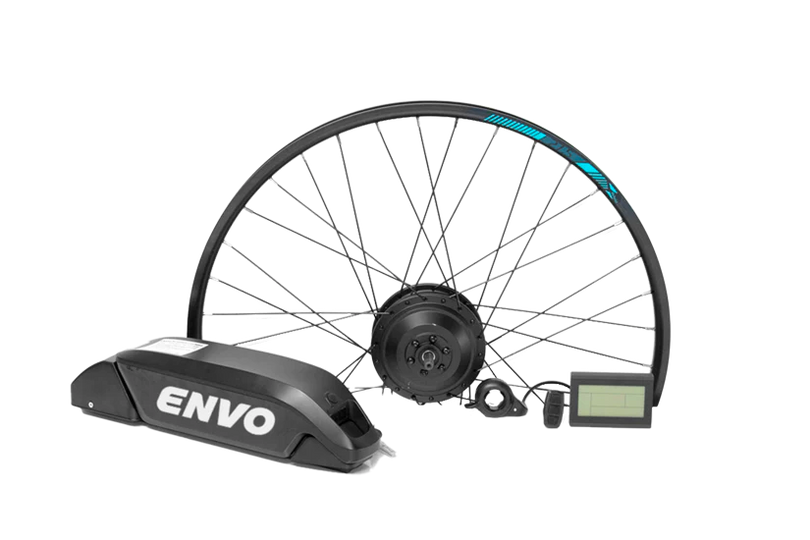
But here's something most people don't realize: wattage is only one piece of the puzzle. The motor type (hub vs. mid-drive), battery voltage, and controller settings all play a role in real-world performance. A well-tuned 350W system from ENVO Drive Systems — designed specifically for Canadian terrain — can outperform a generic 500W motor from a budget brand in everyday riding conditions.
"Wattage tells you the potential, but engineering and design determine how well that potential is used." — ENVO Drive Systems engineering team
Speed: Is There a Real Difference?
On flat ground, honestly? Not much. Both motors are designed to comply with Canadian e-bike law, which caps assisted speed at 32 km/h. Under normal conditions you'll hit that ceiling regardless of whether you're on a 350W or 500W bike.
Where you do notice the difference is on inclines and under load. A 500W motor reaches and holds speed more effortlessly on hills, while a 350W motor may slow noticeably when the terrain tips upward or you're carrying a heavy bag.

Torque & Hill Climbing: Where It Really Counts
If you live anywhere in the Lower Mainland, Vancouver Island, or the Interior, hills are just part of life. This is where the 500W motor earns its keep.
350W on hills
Handles gentle inclines without fuss. Great for the relatively flat stretches of the Fraser Valley or a smooth beachside path in White Rock. On steeper grades, it'll get you there — but you may need to contribute more pedal effort, and it can feel laboured under heavier loads.
500W on hills
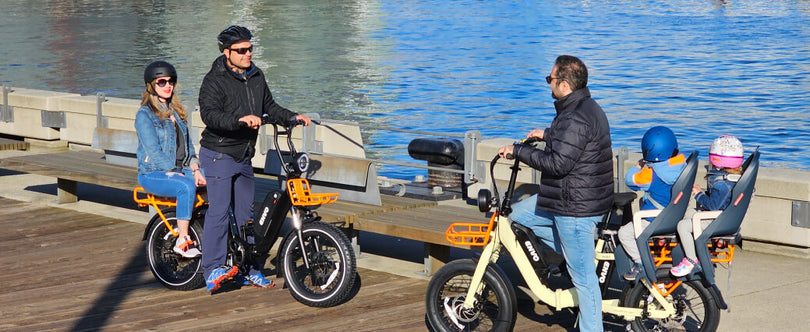
Significantly more torque means you can tackle the hills of North Van, the Kootenays, or the climb out of Horseshoe Bay without breaking a sweat. If you regularly ride with cargo panniers, a child seat, or you're just on the bigger side of the weight scale, the 500W motor is your friend.
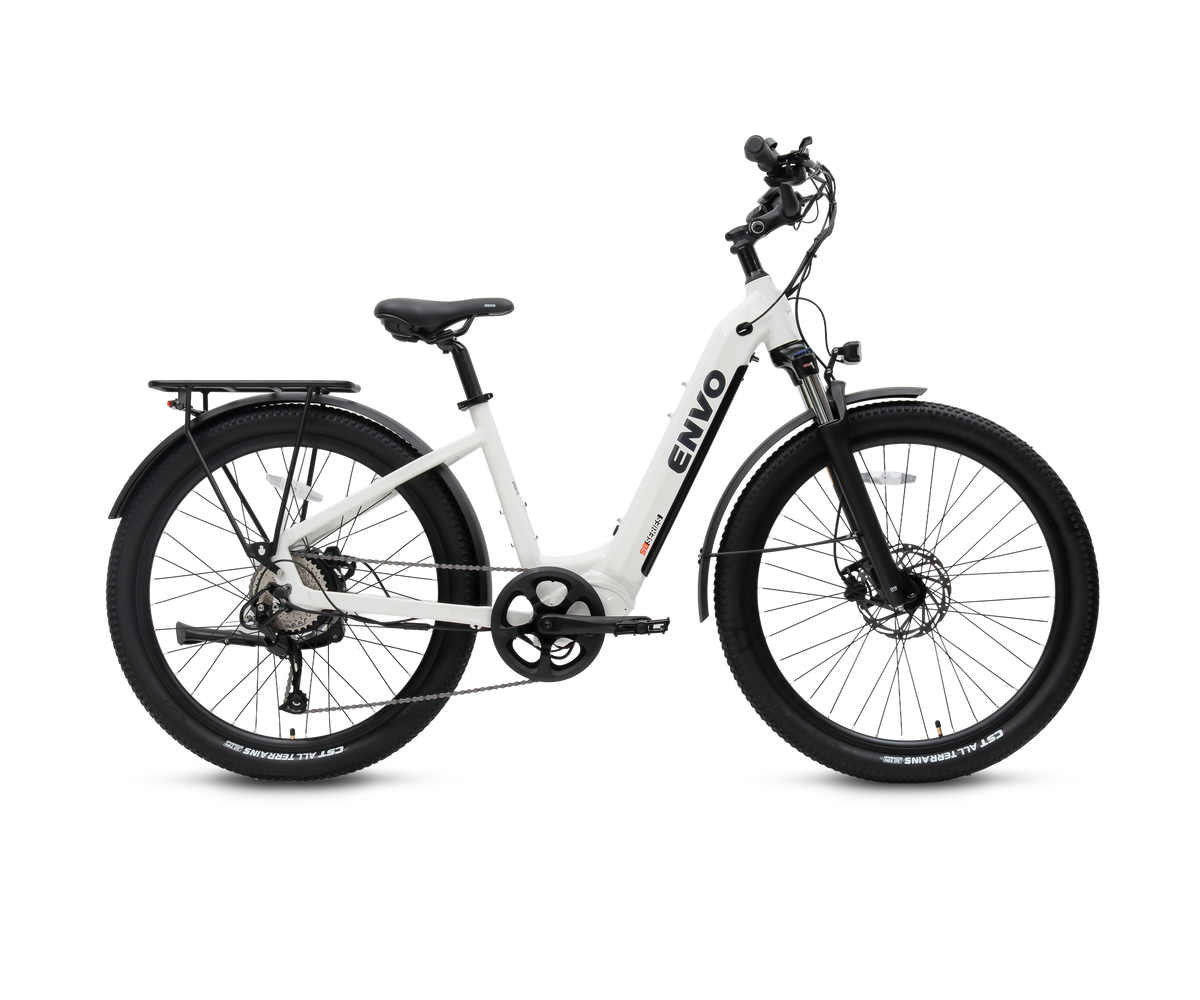
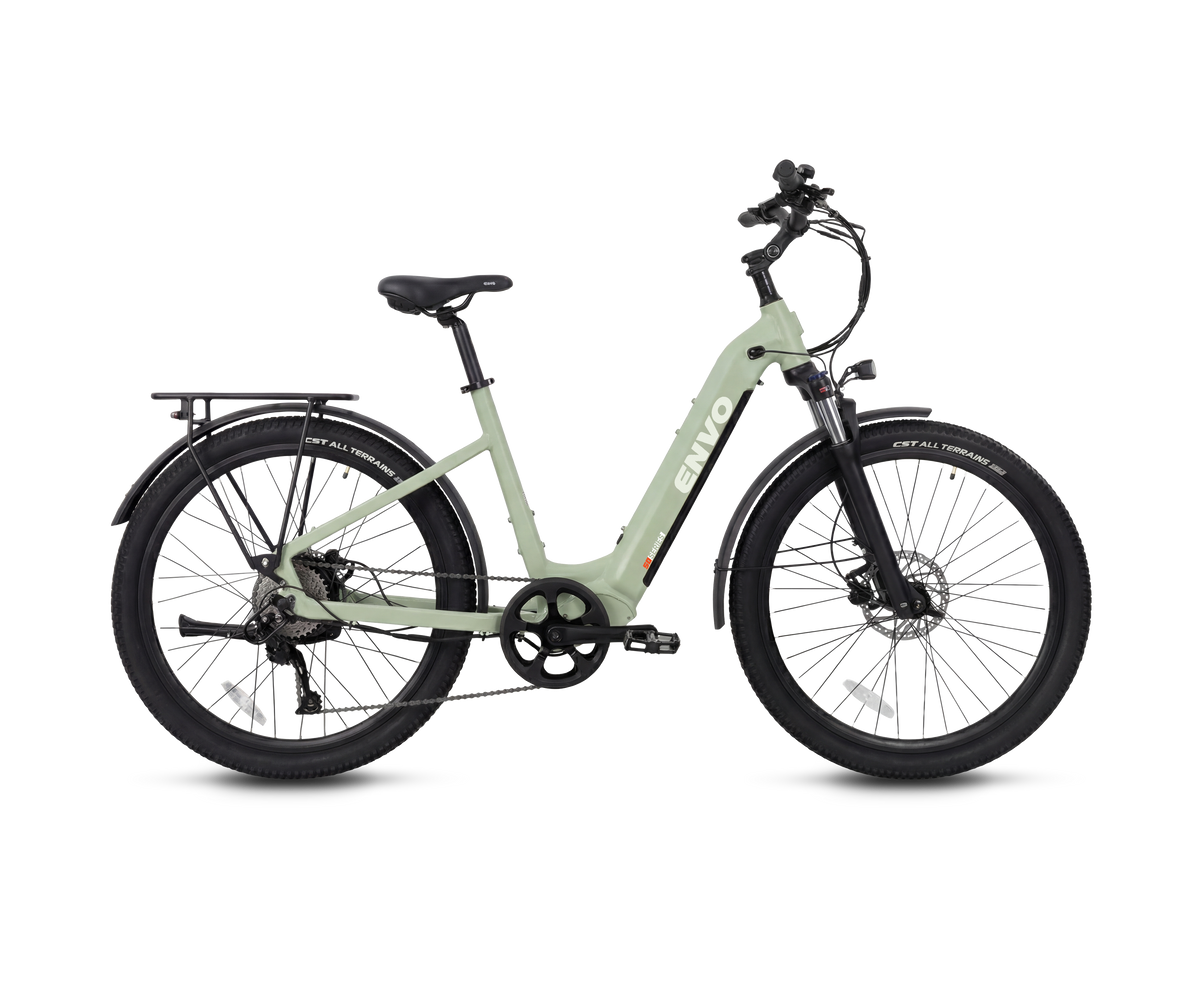
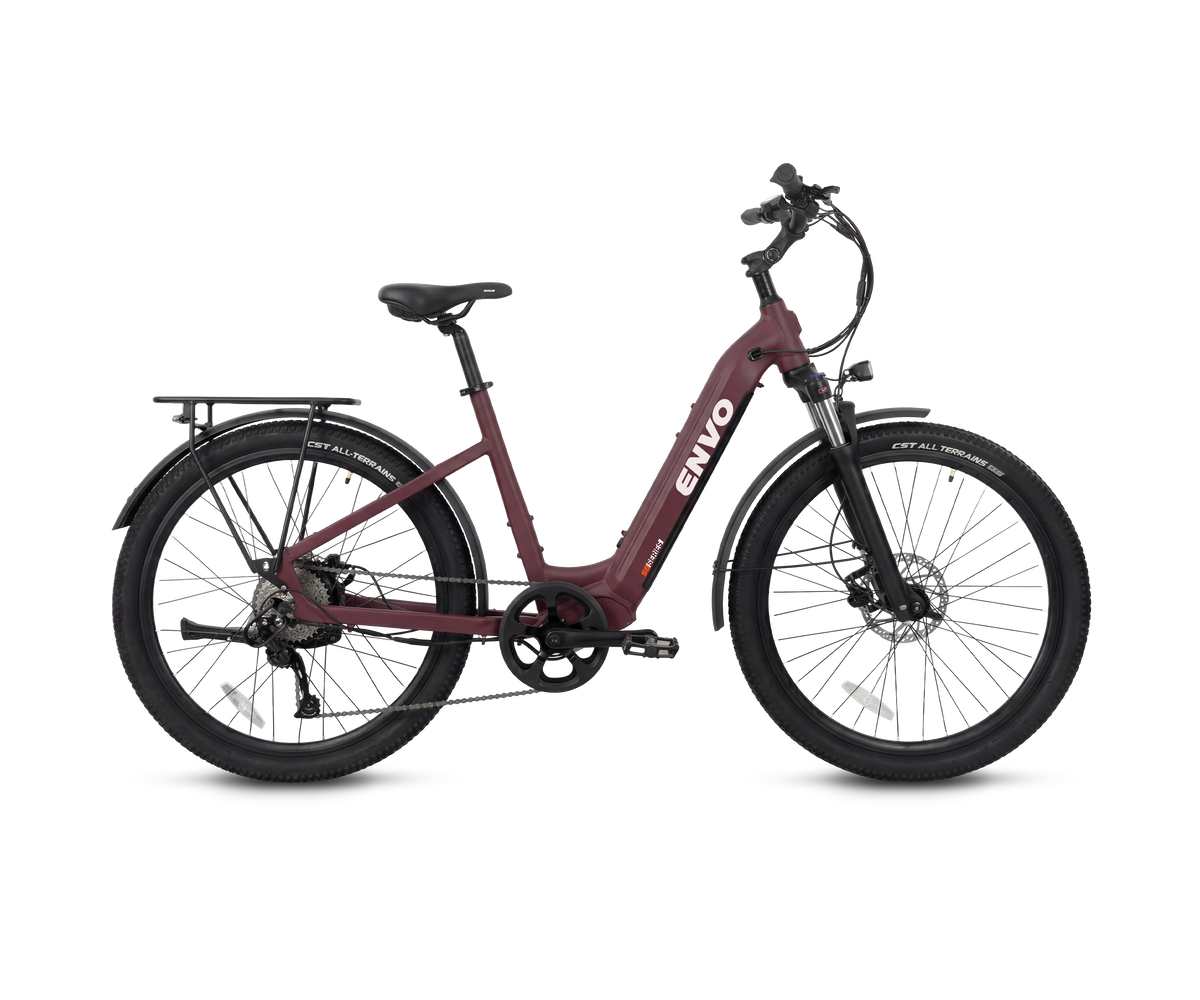
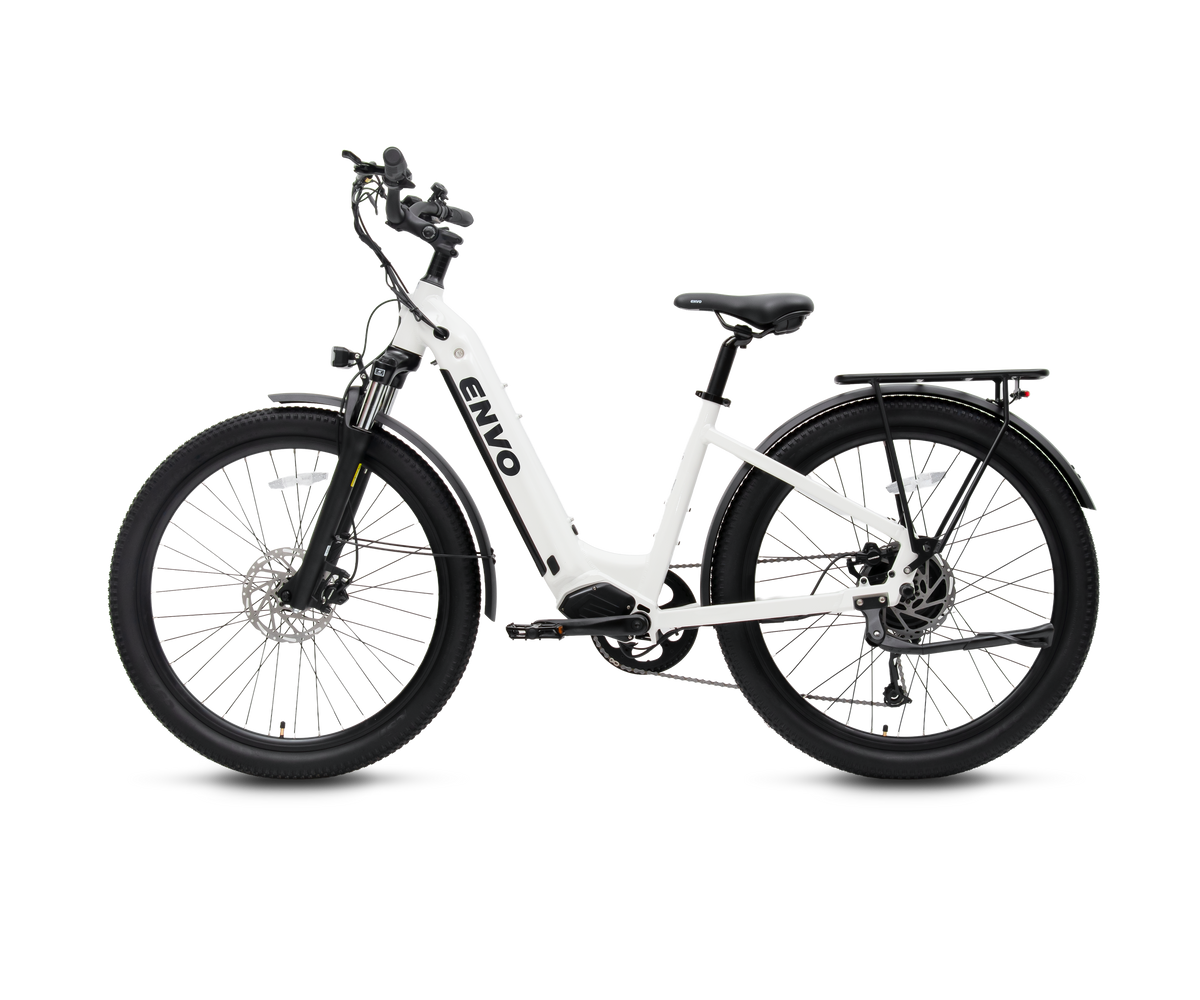
ENVO's 500W motors — used in models like the ENVO D50 — are engineered with Canadian terrain in mind, delivering torque that feels smooth and controlled rather than abrupt.
Range: Does a 500W Motor Drain the Battery Faster?
It's a fair concern, but the answer is: only sometimes. On flat ground at moderate speed, a 350W and 500W motor paired with the same battery will deliver very similar ranges. The 500W motor only draws more power when it's working hard — climbing hills, hauling loads, or accelerating from a stop.
For mixed urban riding with some hills — say, commuting from East Van to downtown — the difference in range is typically 10–15%. For flat terrain like a trail along the Seawall, it's almost negligible. If range is your top priority and you ride mostly flat routes, a 350W motor is the more efficient choice.
Weight & Portability
A 500W hub motor is slightly heavier than a 350W unit — typically by 300–600g. In practice, this is barely noticeable while riding, but it can matter if you're regularly lifting your bike into a car, up stairs, or onto a transit rack. Folding e-bike riders in particular should factor this in.
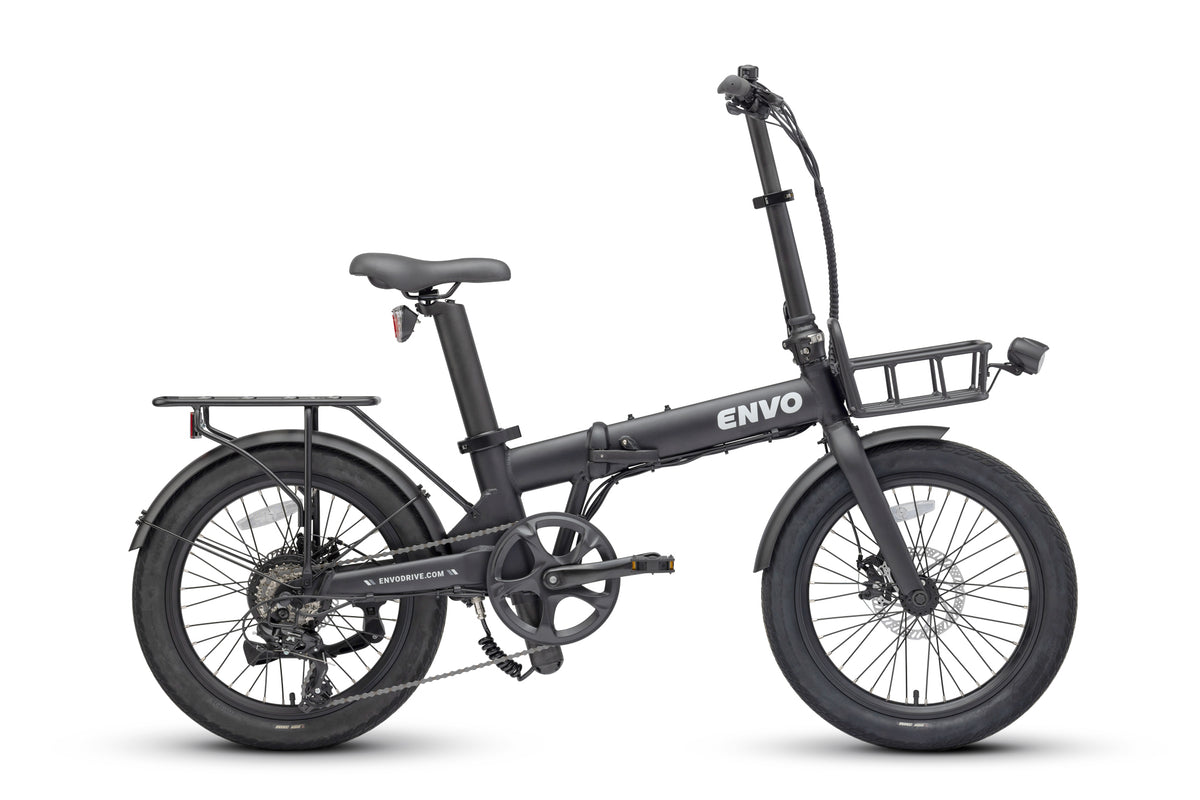
If you're eyeing a folding commuter like the ENVO Lynx 20", the lighter 350W variant makes folding and carrying just a little bit easier — a real perk for transit-connected commuters.
Cost: How Big Is the Price Gap?
The good news: the difference is usually modest — often $150–$300 on comparable models. For most riders, spending a bit more upfront for a 500W motor is worth it, because it gives you capability headroom you'll appreciate the moment your route throws a hill at you.
And if you're in British Columbia, don't forget that qualifying e-bikes (≤500W, ≤32 km/h) are exempt from PST — which means either motor choice is tax-free. The BC E-Bike Rebate Program also offers income-based rebates from $350 to $1,400, making the step up to a 500W bike even more accessible.
Canadian Regulations: What's Legal?
In Canada, an e-bike is legally classified as a bicycle — no license, registration, or insurance required — as long as it meets these federal standards:
- Motor power: 500W maximum
- Assisted top speed: 32 km/h
- Must have functional pedals
- Rider must be at least 16 years old (varies by province)
Both 350W and 500W motors fall comfortably within these limits, so you're street-legal with either. Anything over 500W (some bikes are rated at 750W or 1000W "peak") moves into a legal grey zone and may require registration as a motor vehicle in BC.
For a full breakdown of provincial rules, check out our guide to electric bike regulations in Canada.
Which Motor Is Right for You?
Choose 350W if you…
- Commute mostly on flat terrain
- Ride light — no heavy cargo or trailer
- Weigh under 85 kg (190 lbs)
- Prioritize portability or a lighter folding bike
- Want maximum range on flat routes
- Are working with a tighter budget
Choose 500W if you…
- Tackle hills regularly (North Shore, Kootenays, Okanagan)
- Carry cargo, groceries, or a child seat
- Weigh over 85 kg (190 lbs)
- Want a confident, effortless riding feel
- Are replacing a car for daily commuting
- Want room to grow into more demanding rides
If you're genuinely on the fence, our recommendation is to go with the 500W. The modest extra cost buys you performance headroom you'll appreciate over time — especially as BC riders know all too well that even "flat" routes have a surprise hill or two.
Quick Comparison: 350W vs 500W at a Glance
| Feature | 350W Motor | 500W Motor |
|---|---|---|
| Top Assisted Speed | Up to 32 km/h (flat) | Up to 32 km/h (flat + hills) |
| Hill Climbing | Gentle inclines ✓, steep hills ⚠️ | Steep hills ✓, heavy loads ✓ |
| Range | Slightly better on flat terrain | Comparable flat; less on hills |
| Motor Weight | Lighter (~300g less) | Slightly heavier |
| Cost | More affordable | Modest premium (~$150–300) |
| BC Legal? | ✅ Yes | ✅ Yes |
| BC PST Exempt? | ✅ Yes (if ≤32 km/h) | ✅ Yes (if ≤32 km/h) |
| Best For | Flat commutes, lighter riders, portability | Hills, cargo, heavier riders, all-rounders |
Explore ENVO's Lineup: Motor Power in Context
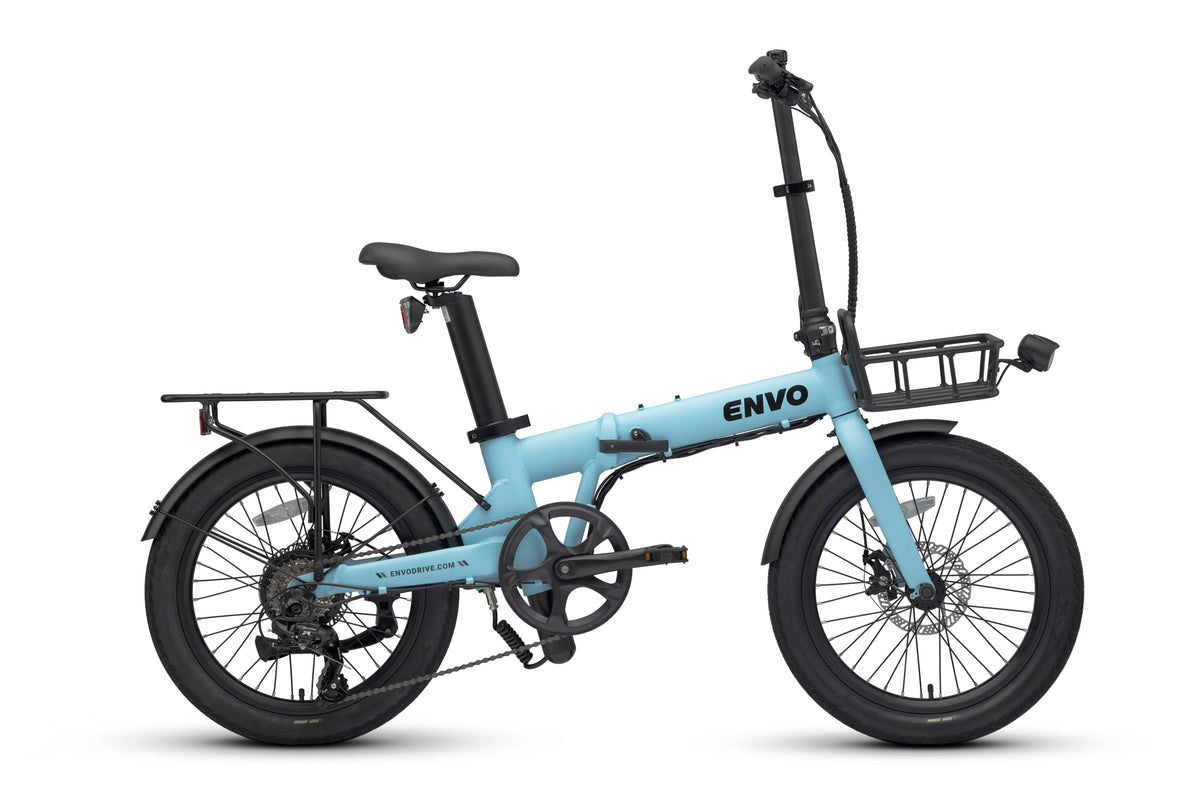
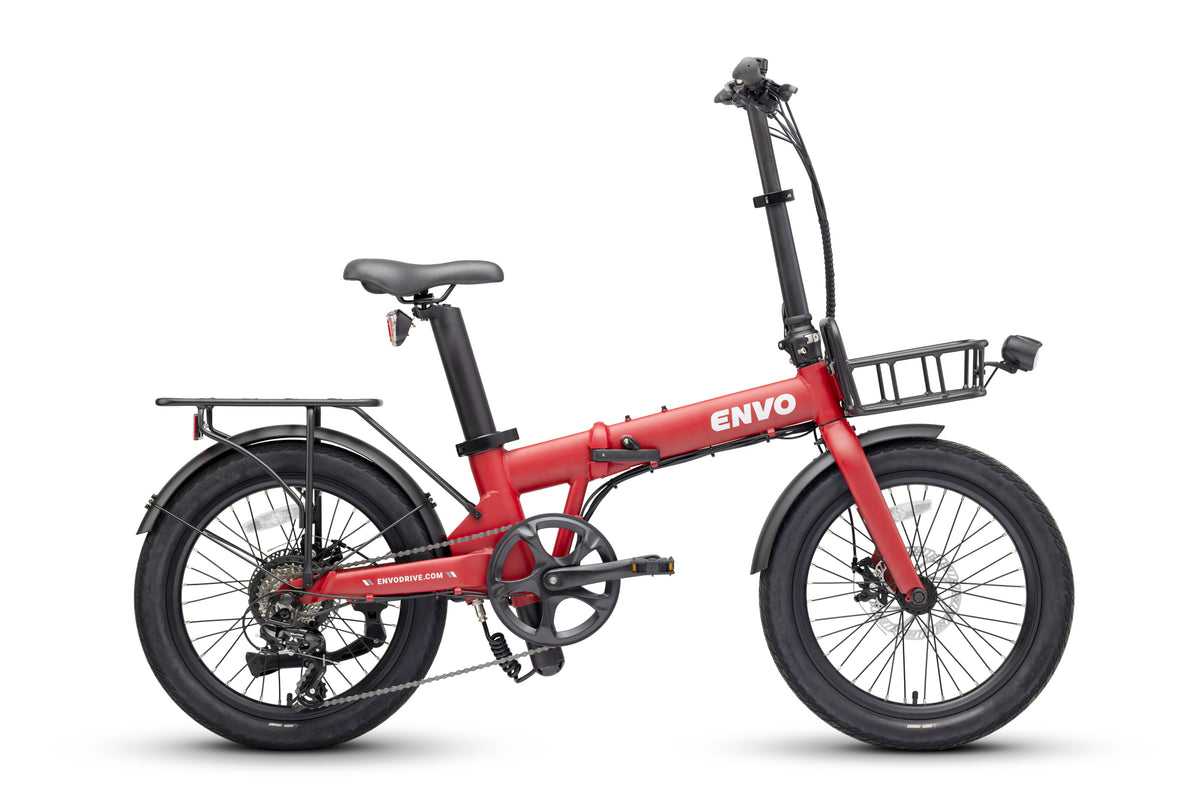
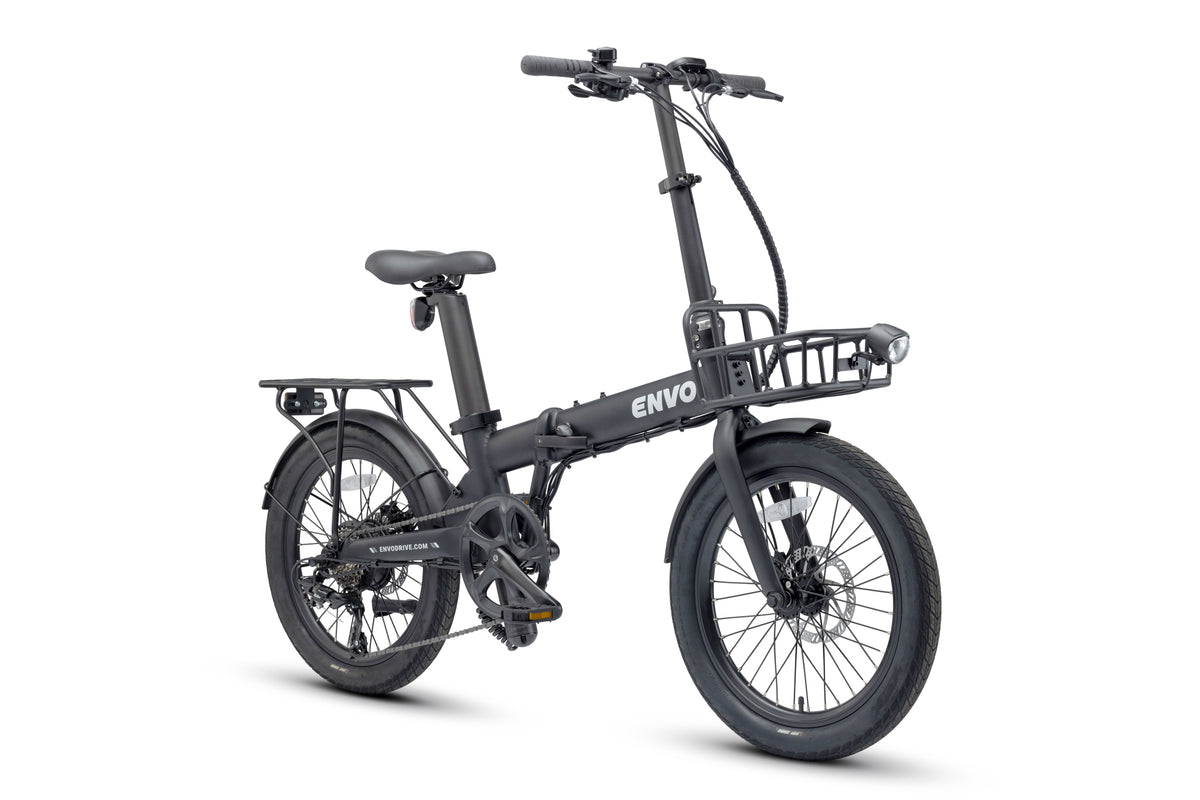
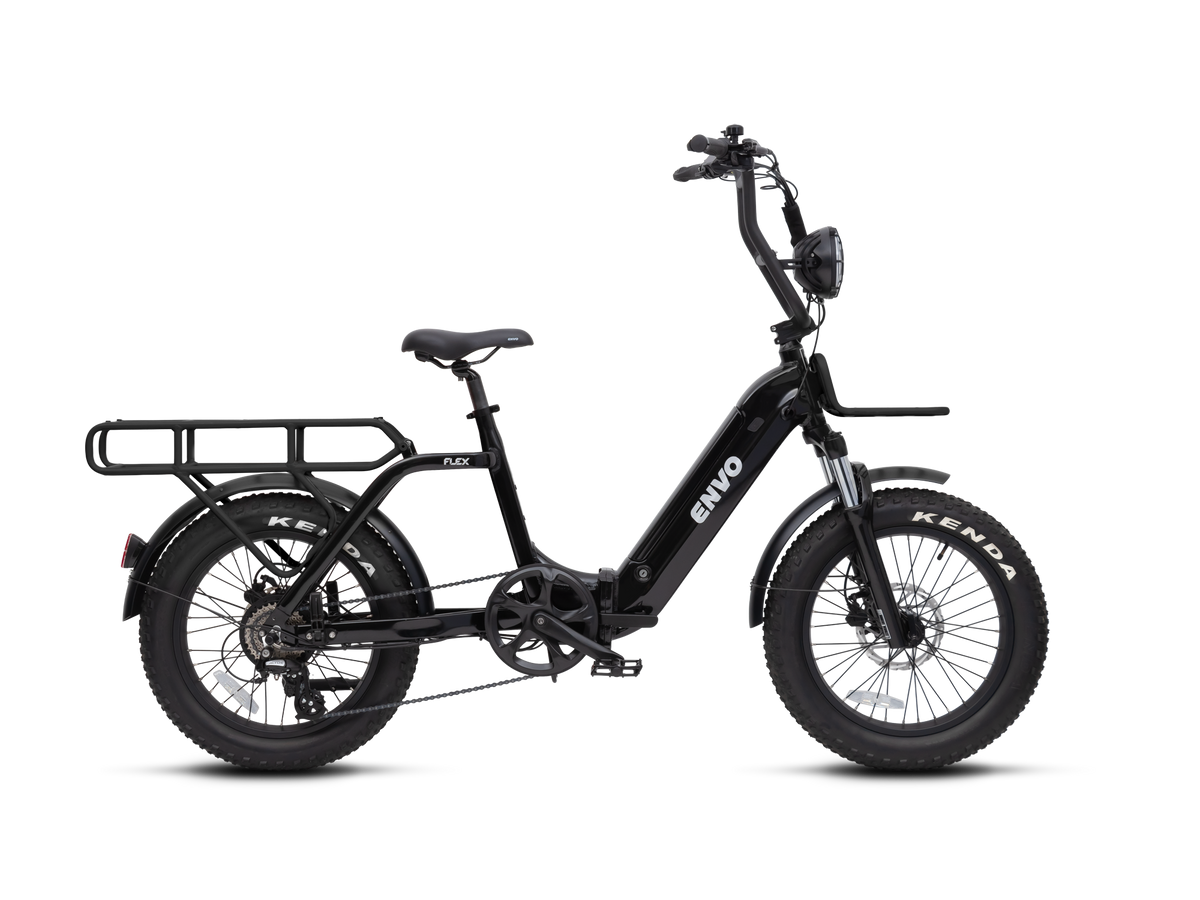
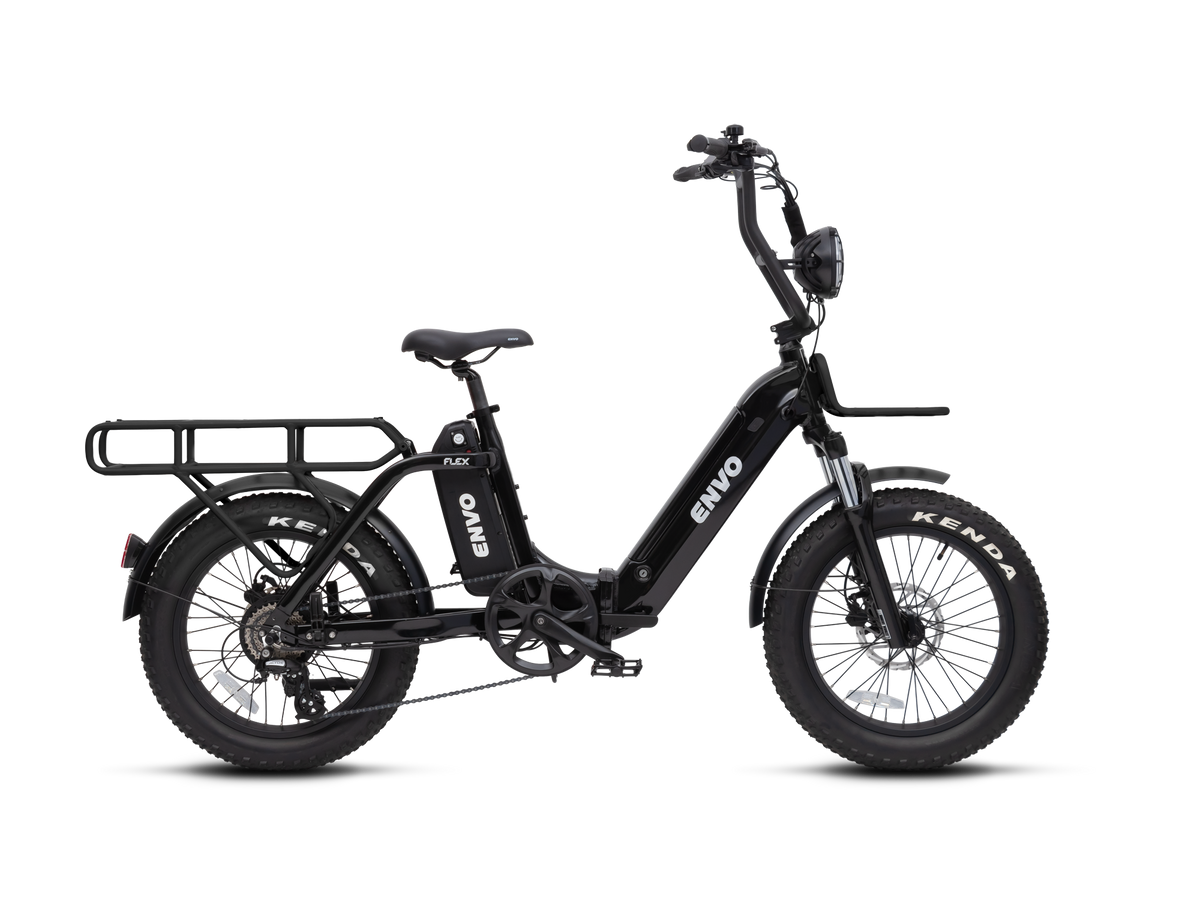
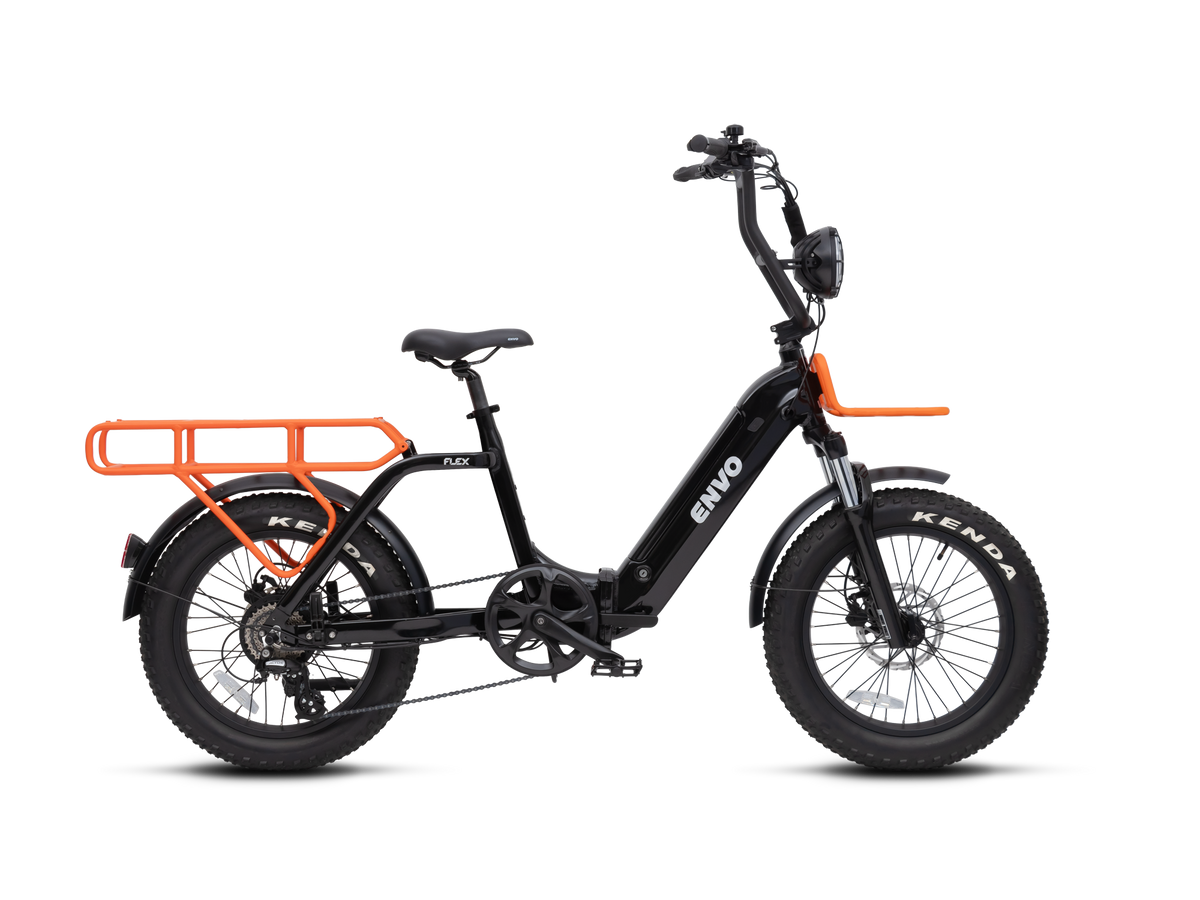
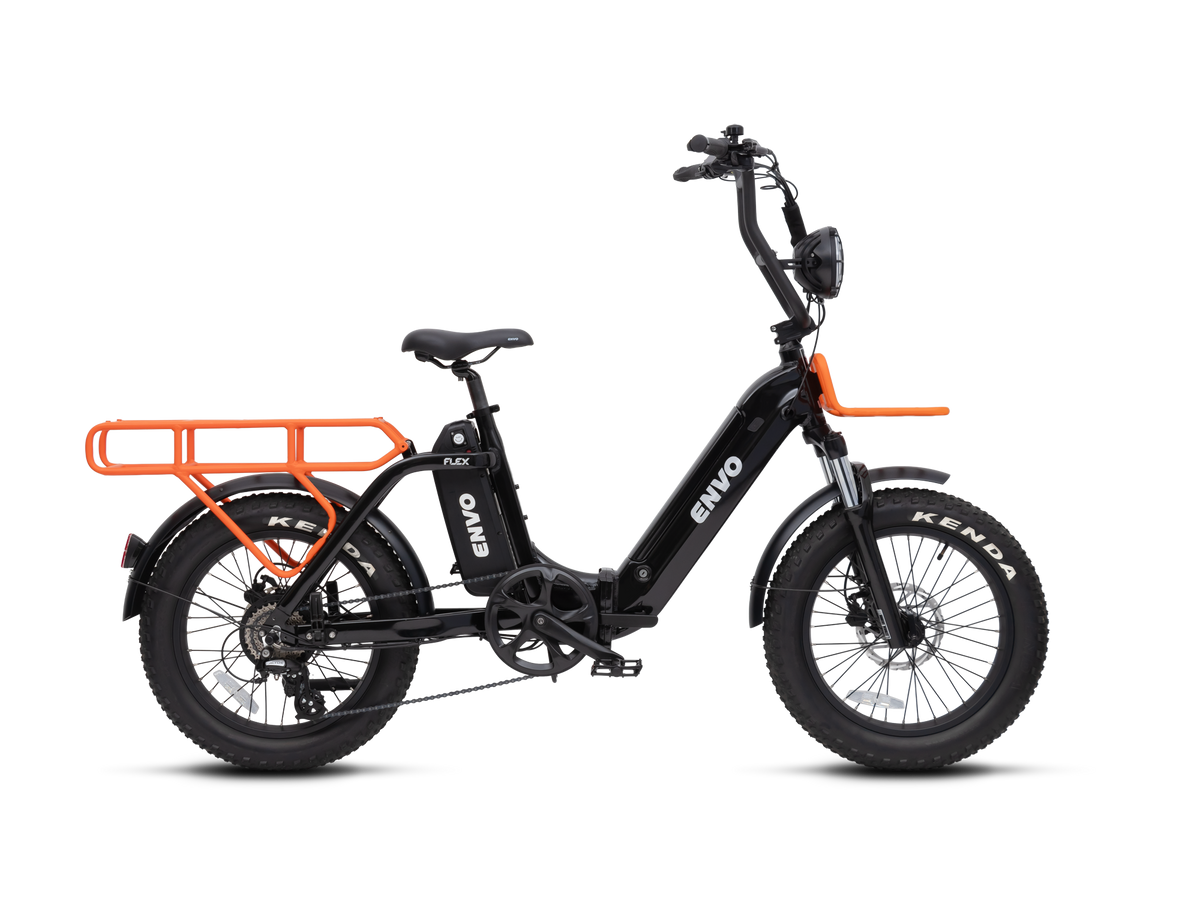
At EbikeBC, we carry the full lineup of ENVO Drive Systems bikes — Canada's own e-bike manufacturer, engineering their motors right here in BC. Whether you're after a 350W commuter or a 500W all-rounder, there's an ENVO built for your ride.
If you're not sure which to choose after reading this, come by our Burnaby showroom for a free consultation and test ride — no pressure, just a knowledgeable chat with someone who rides these bikes too. You can also browse the full EbikeBC e-bike collection to compare models side by side.
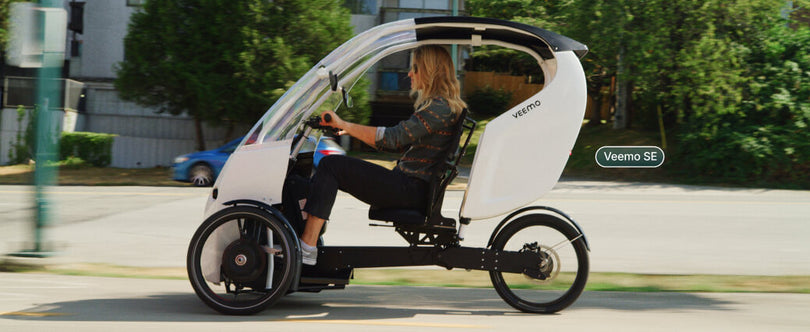
And if you're curious about the future of electric micro-mobility beyond the bicycle — like the weather-protected, fully enclosed Veemo eTrike — it's also worth a look for dedicated daily commuters who want to ride in any weather BC throws at them.
Not Sure Which Motor to Choose?
Come test ride both at our Burnaby showroom — our team will help you find the perfect match for your commute, your terrain, and your budget. No pressure, just good advice.
Book a Free Consultation