


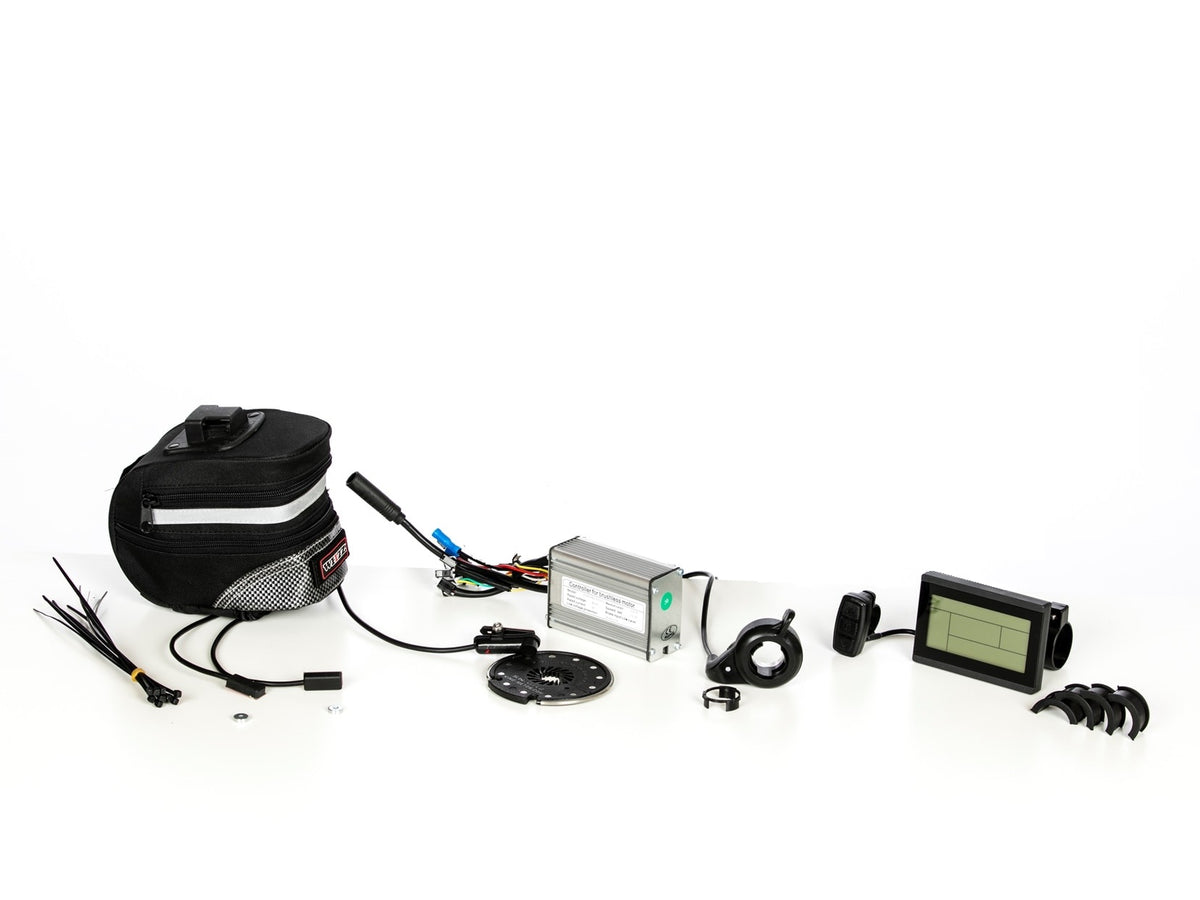

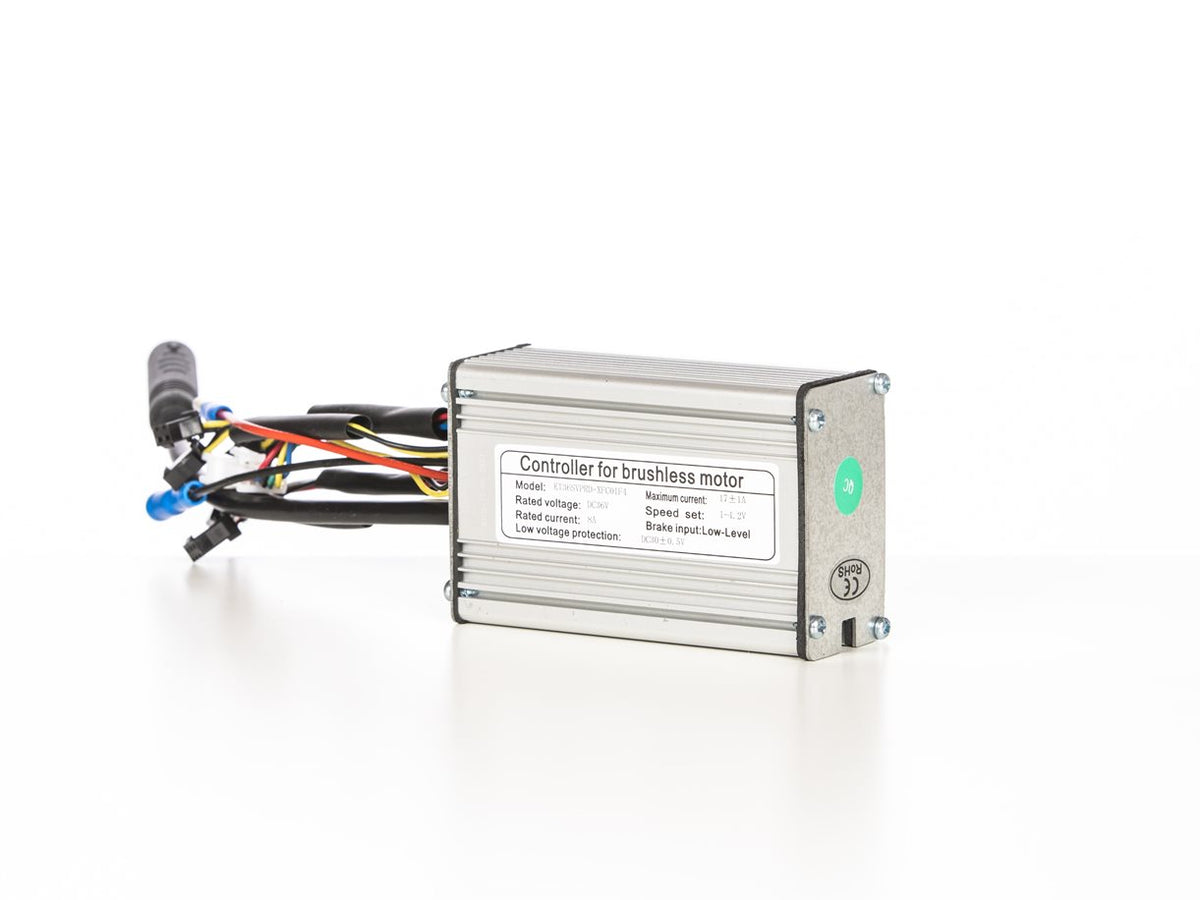
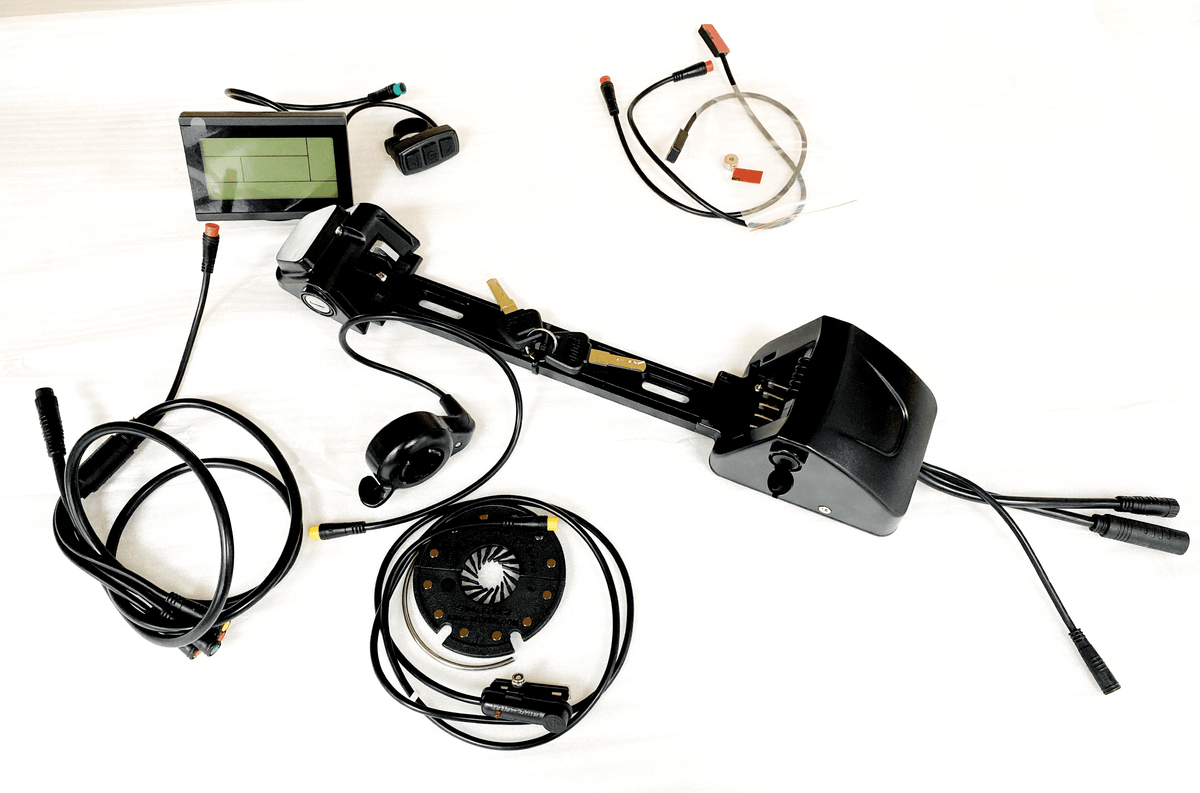
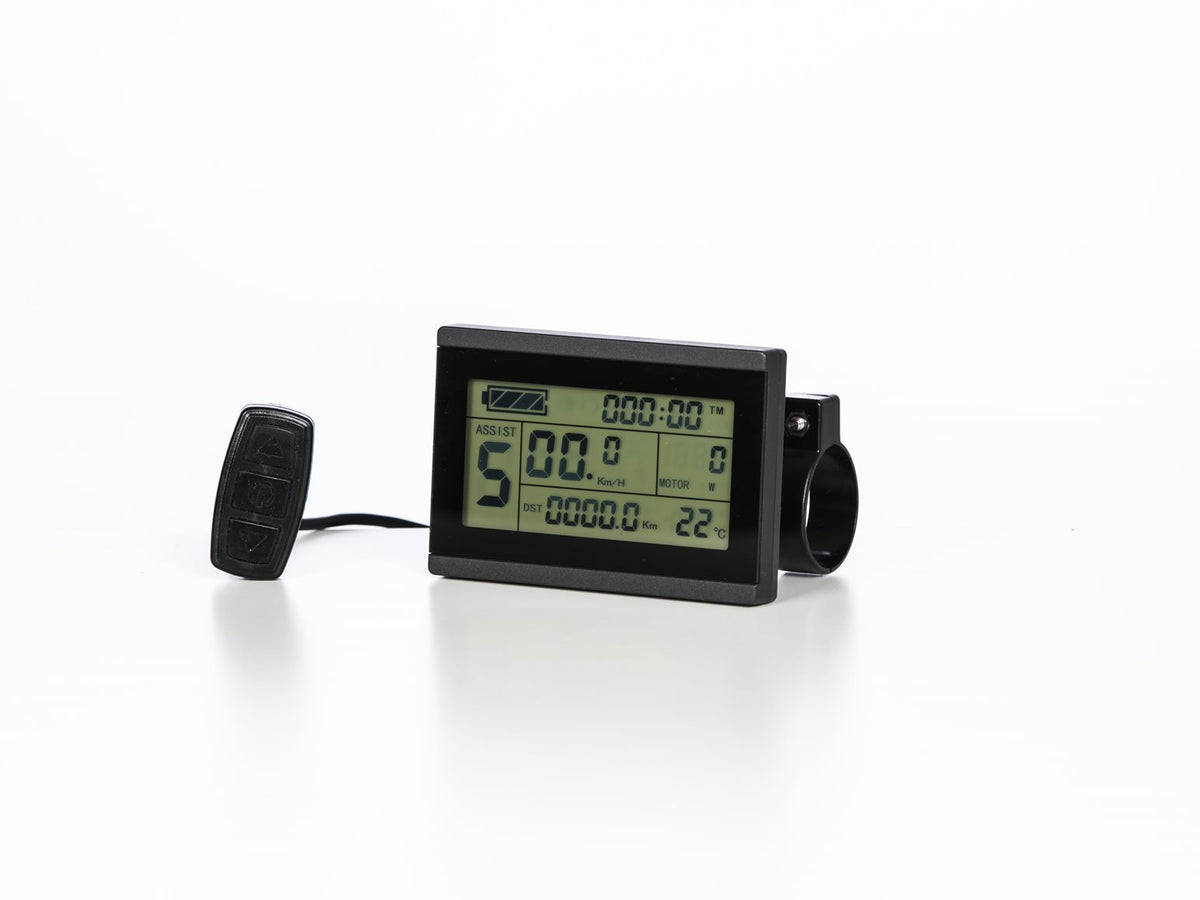
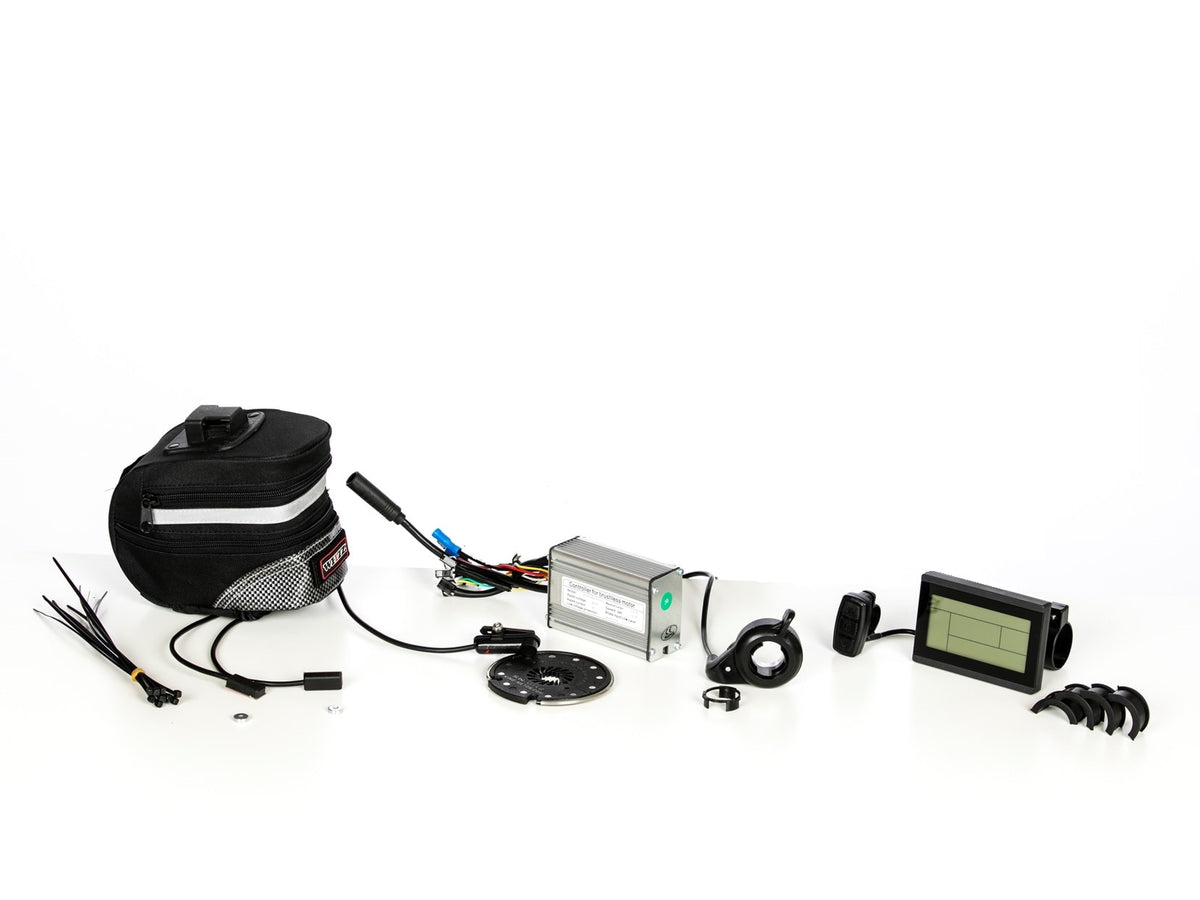
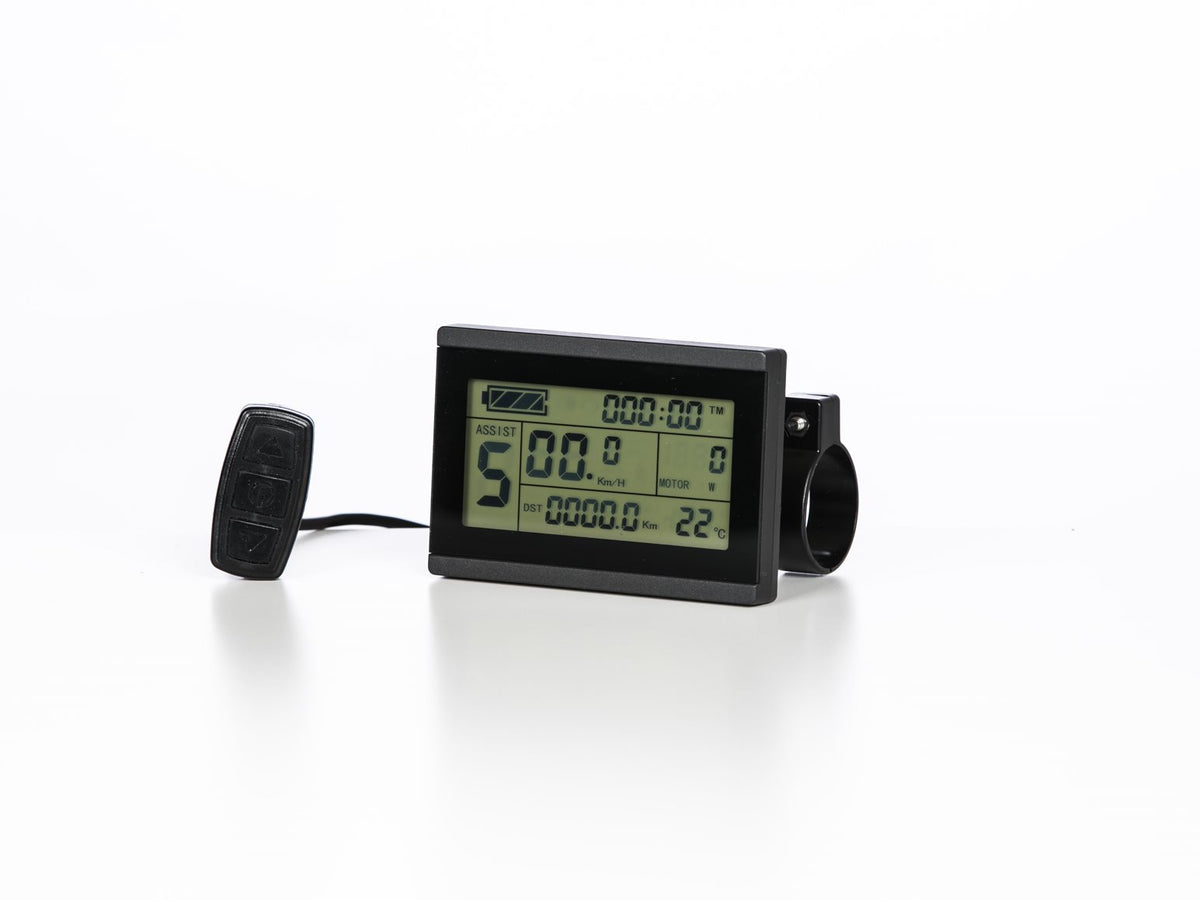
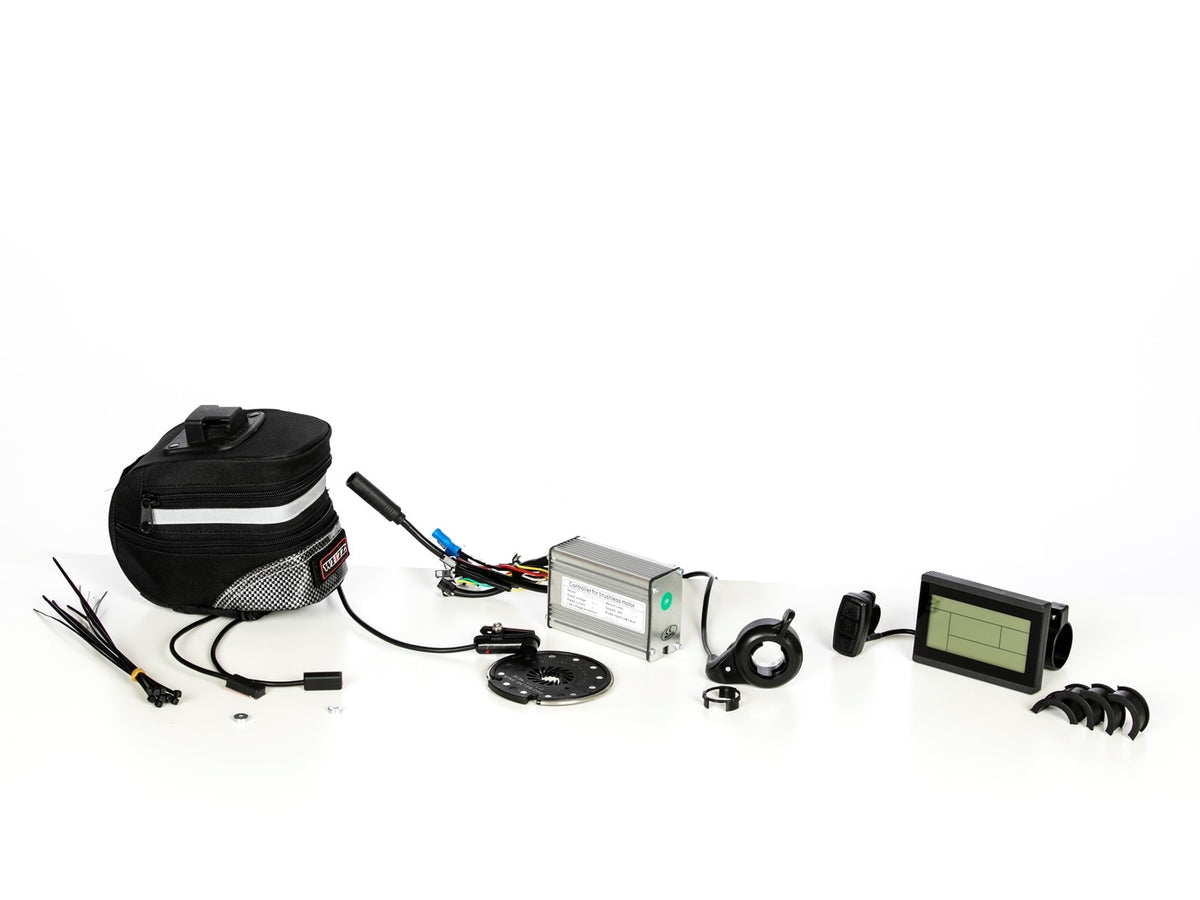
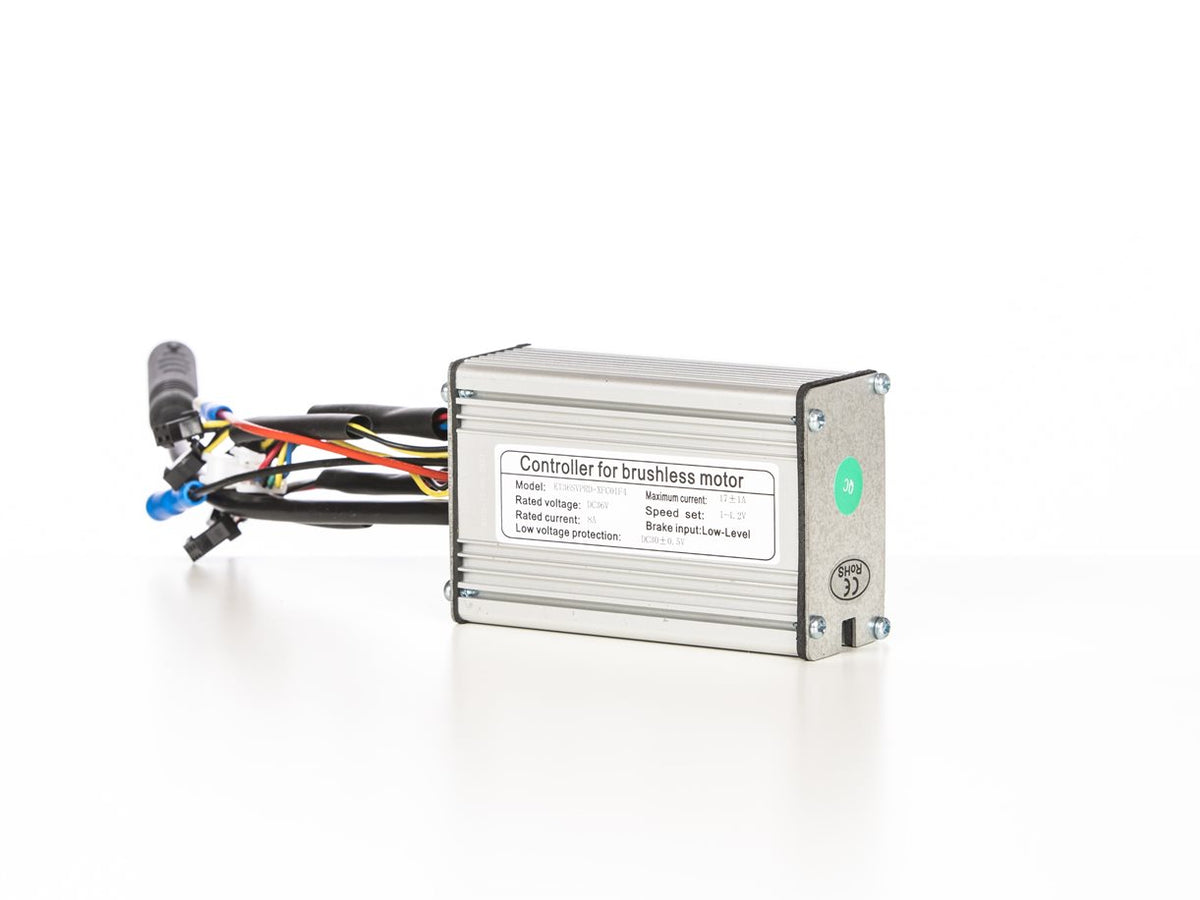
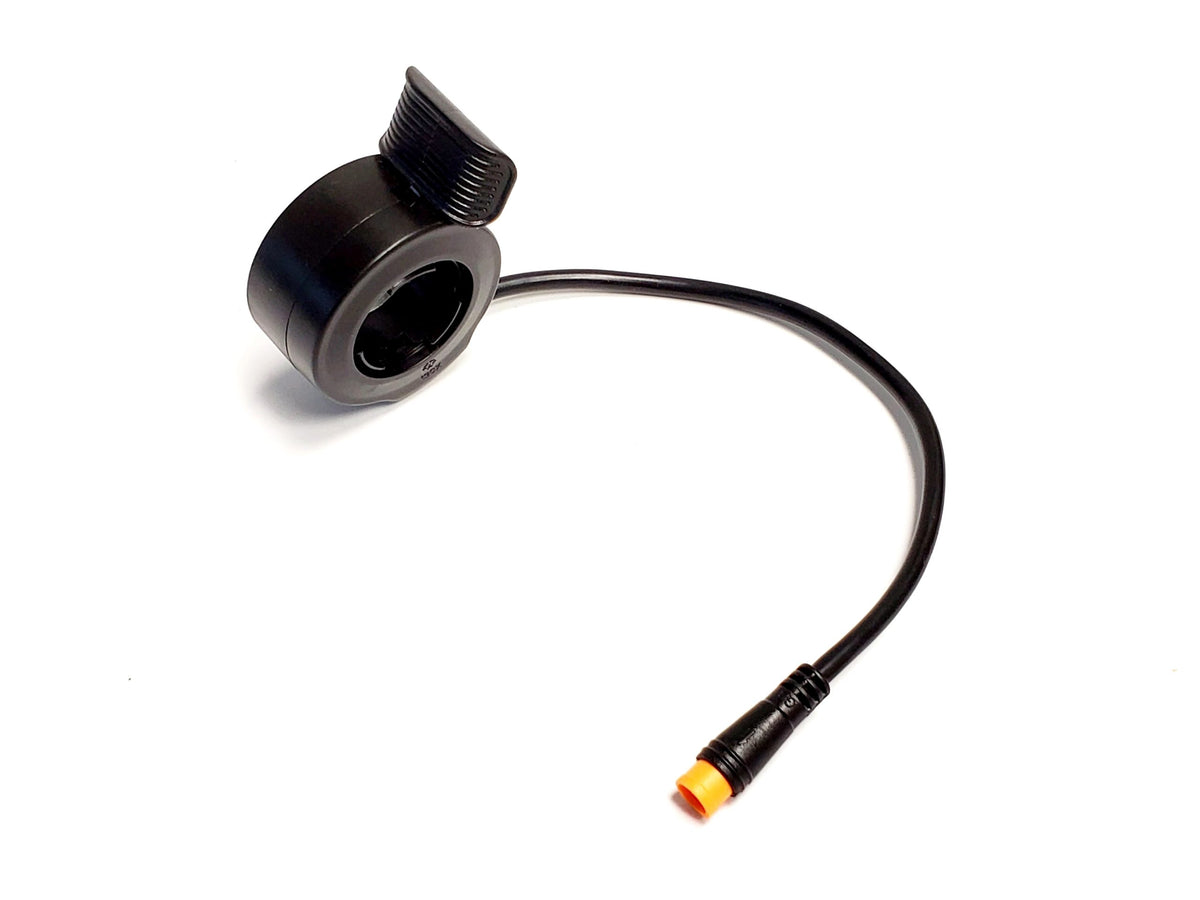
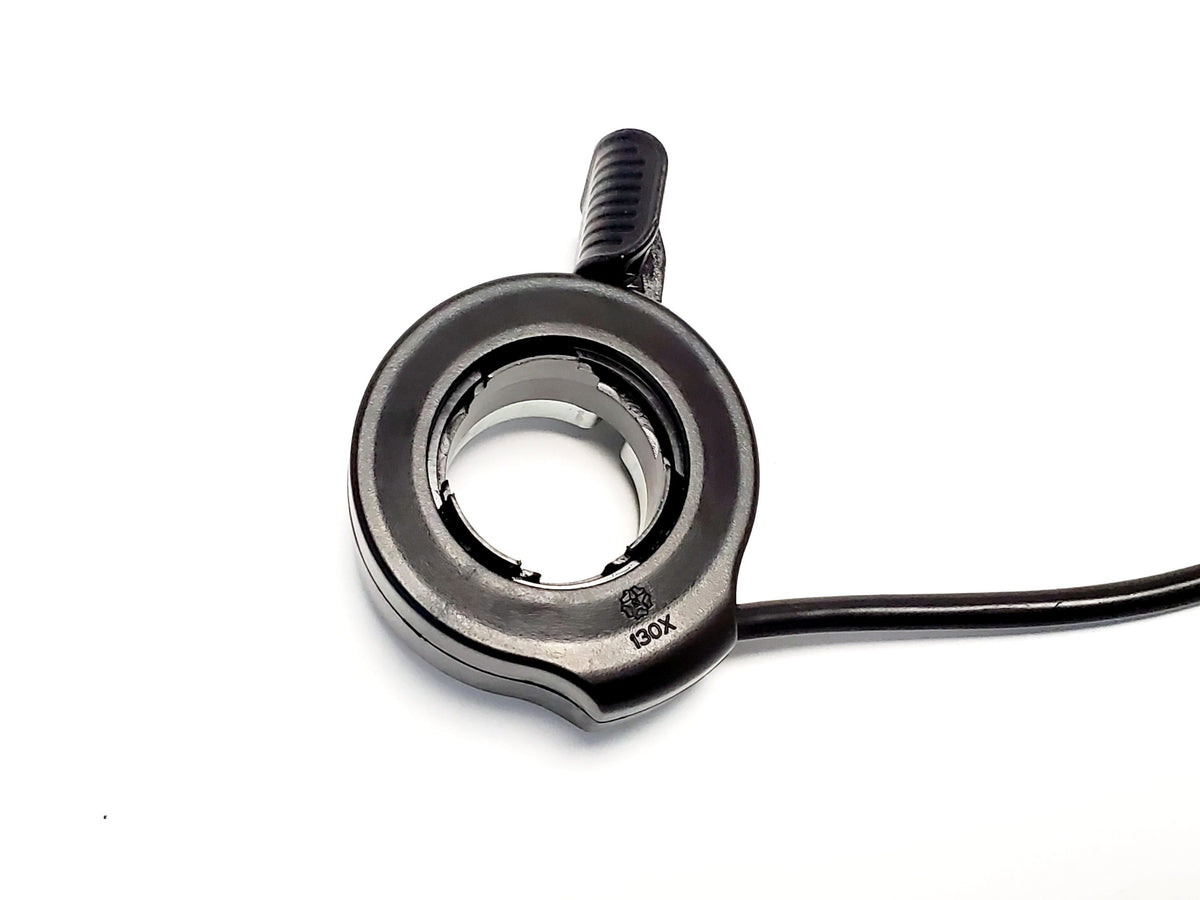
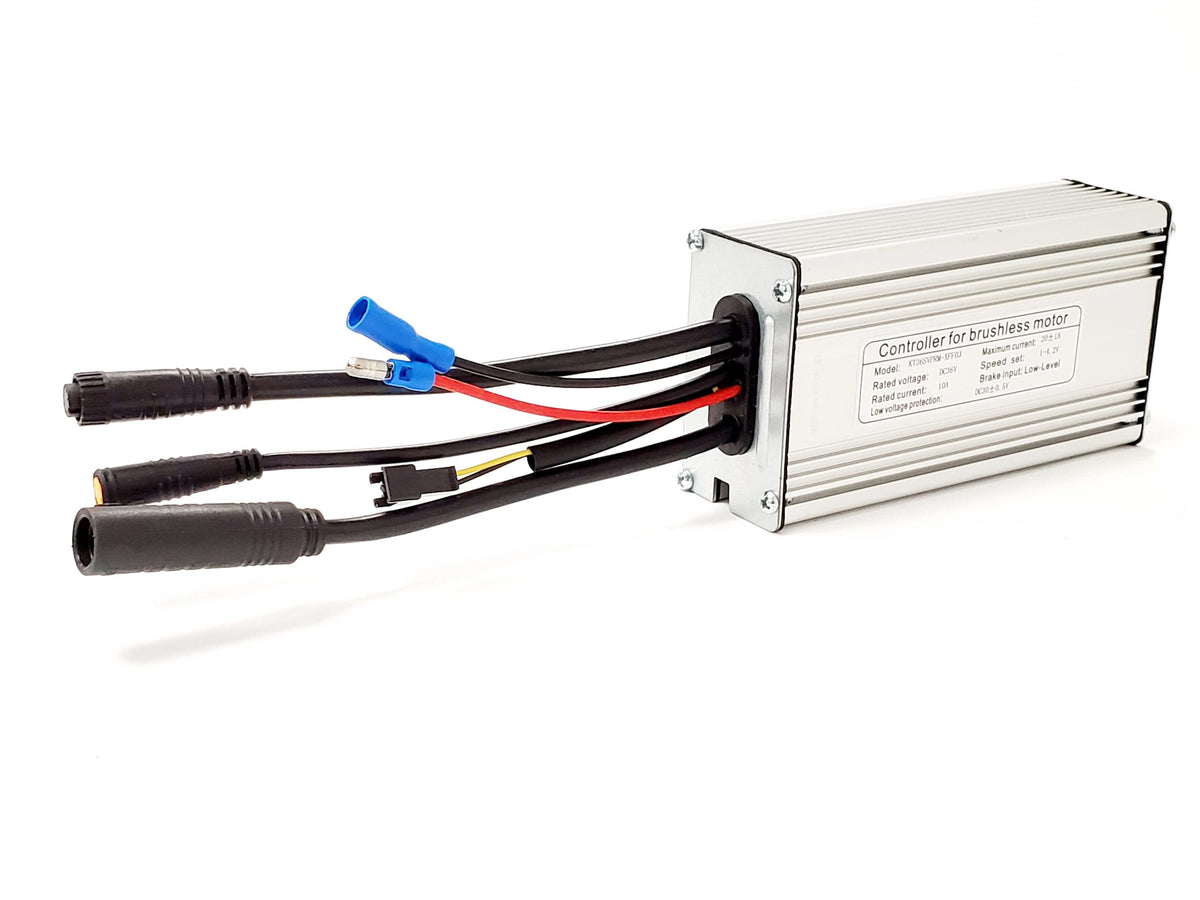
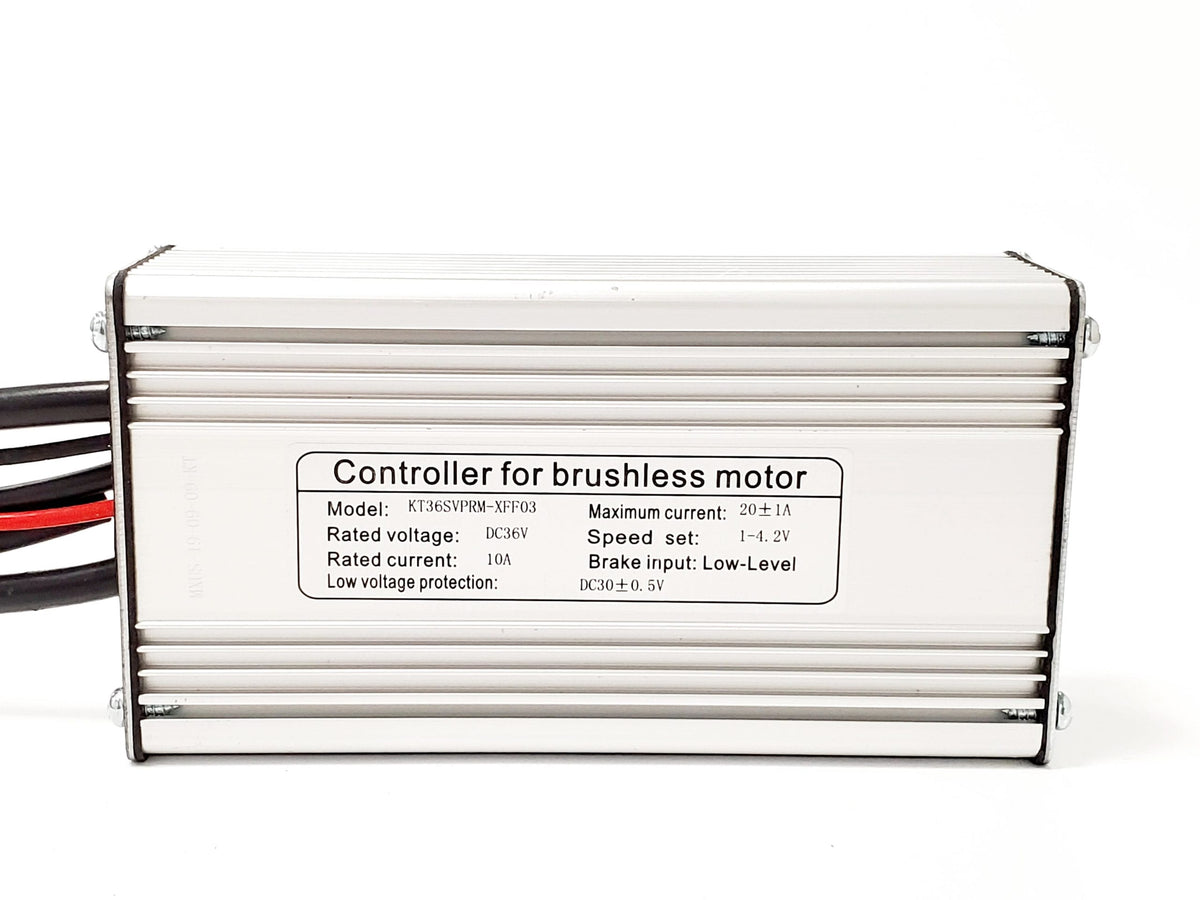
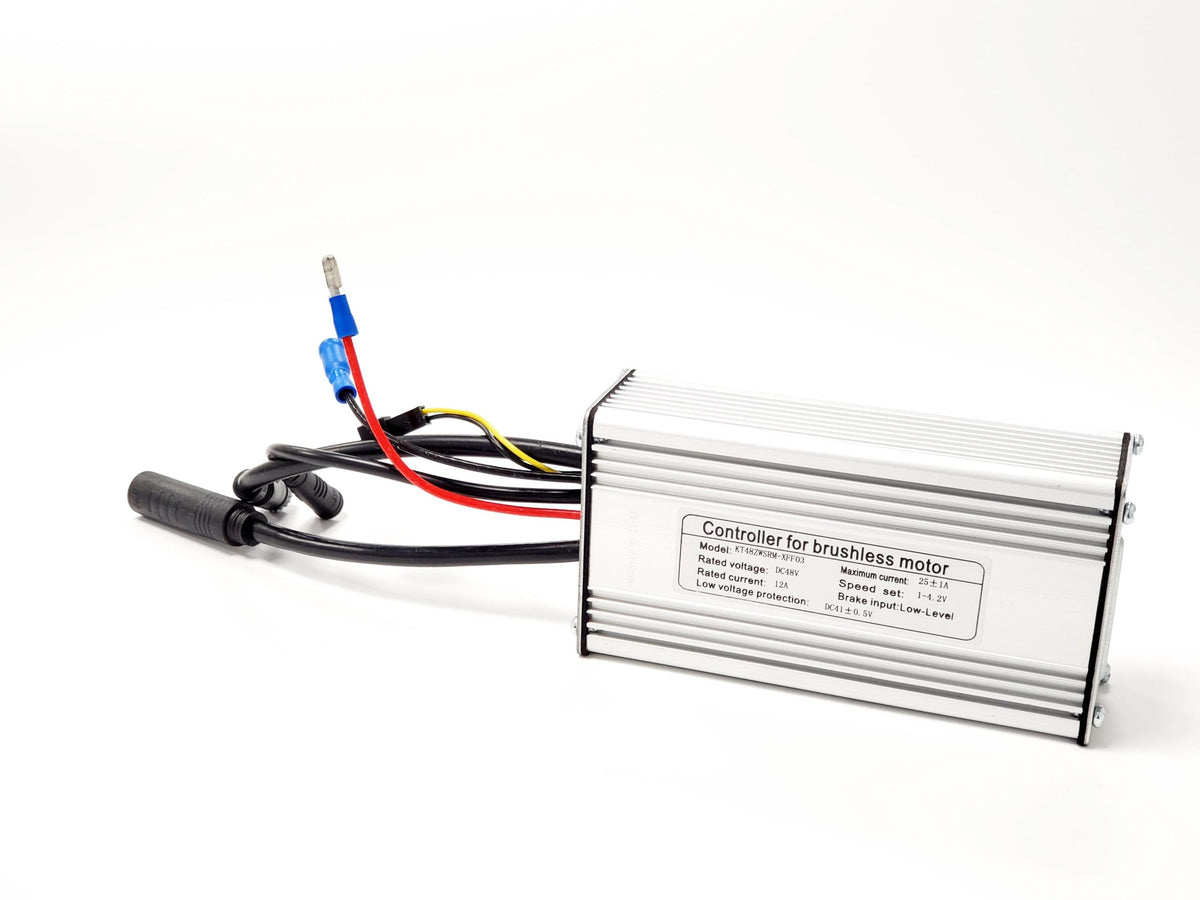
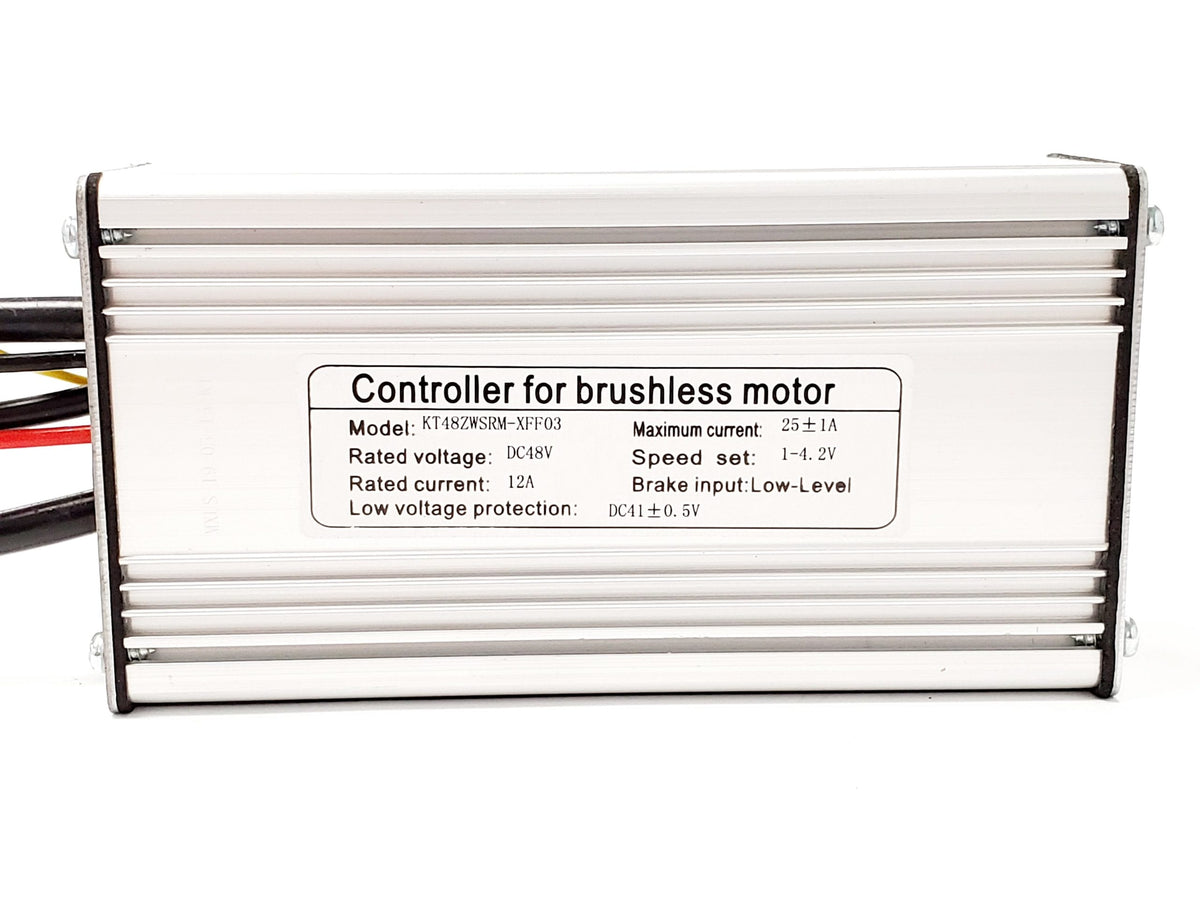
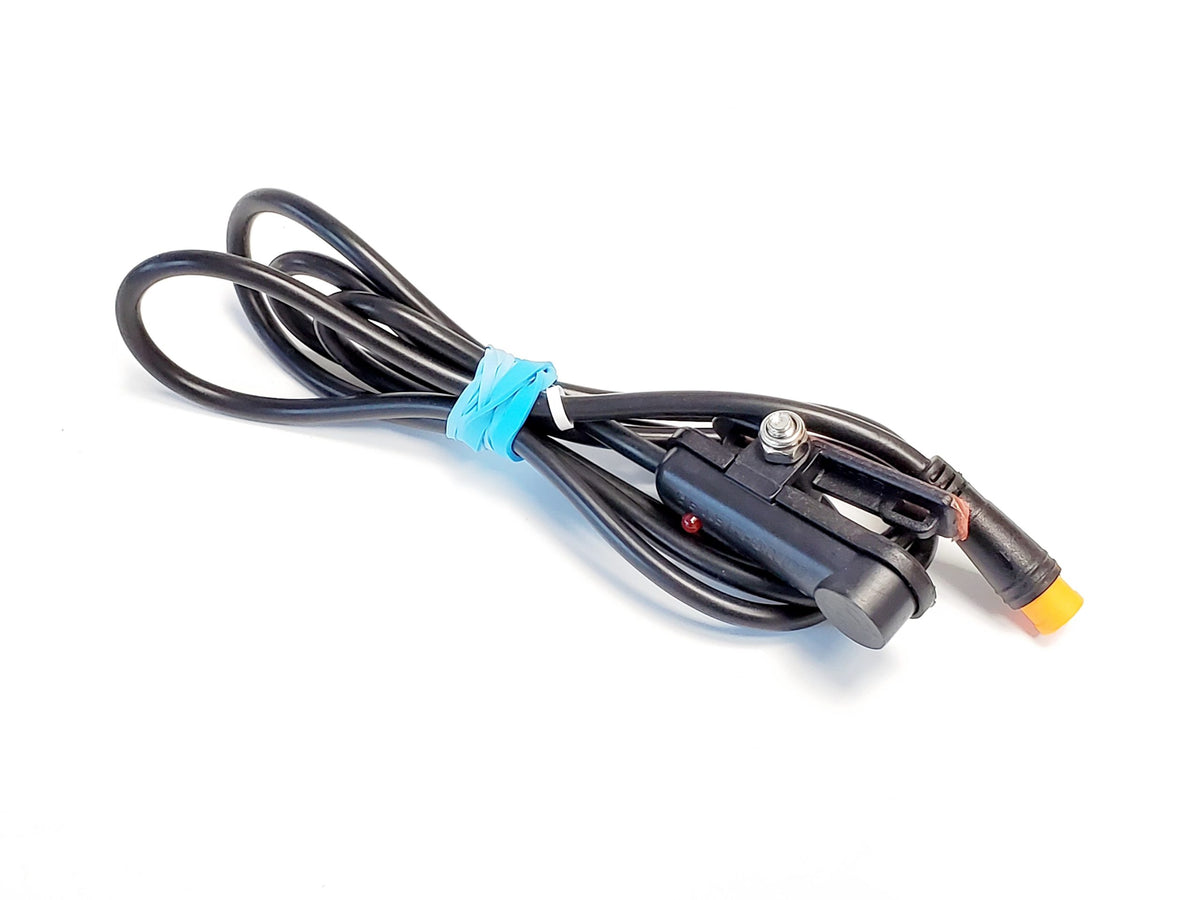
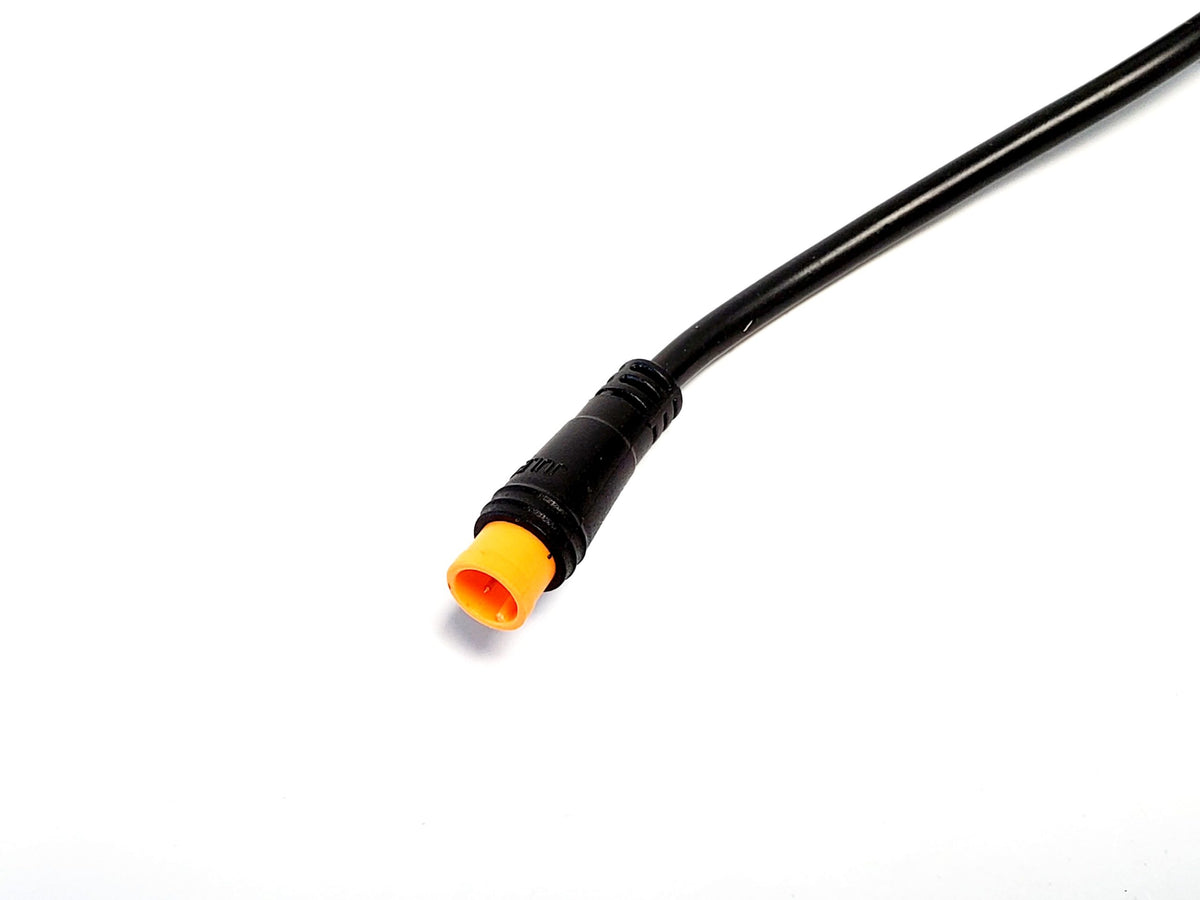
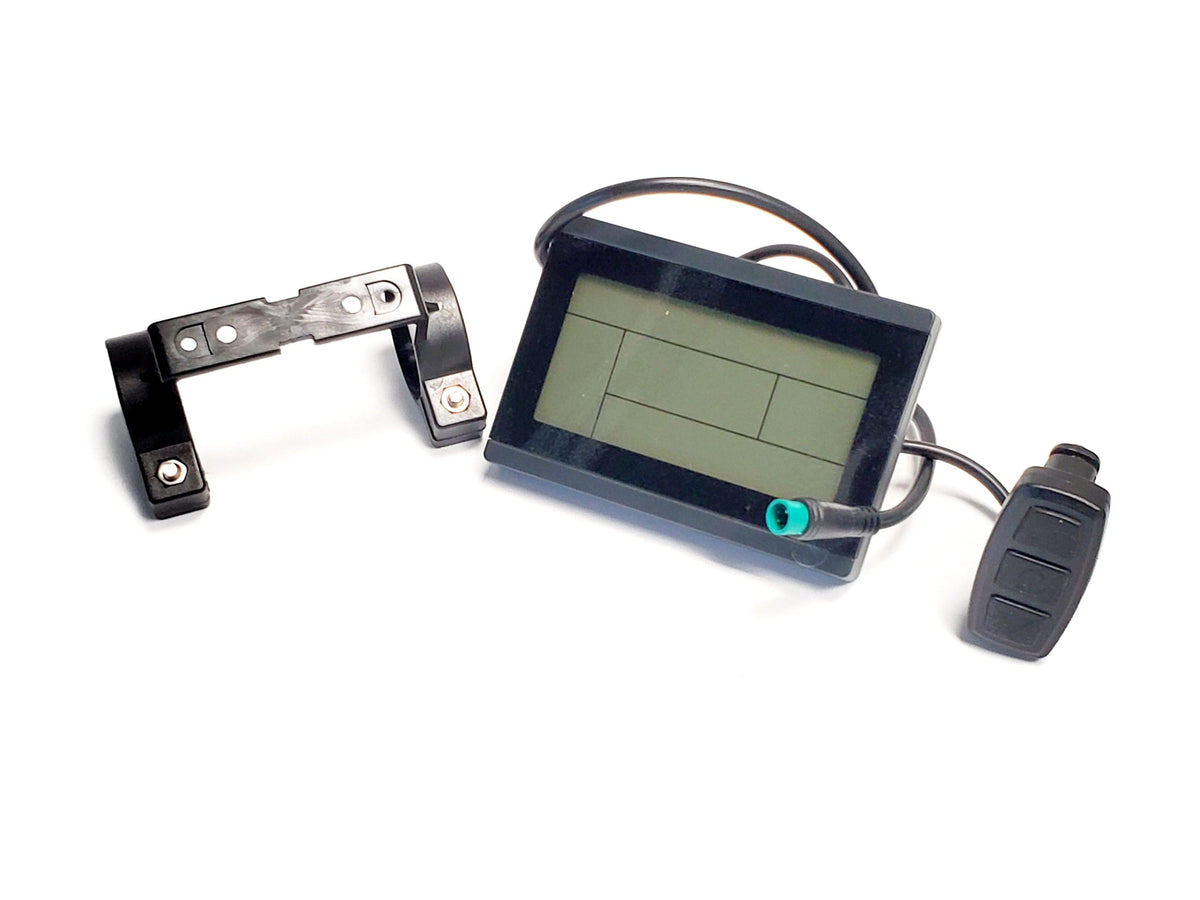
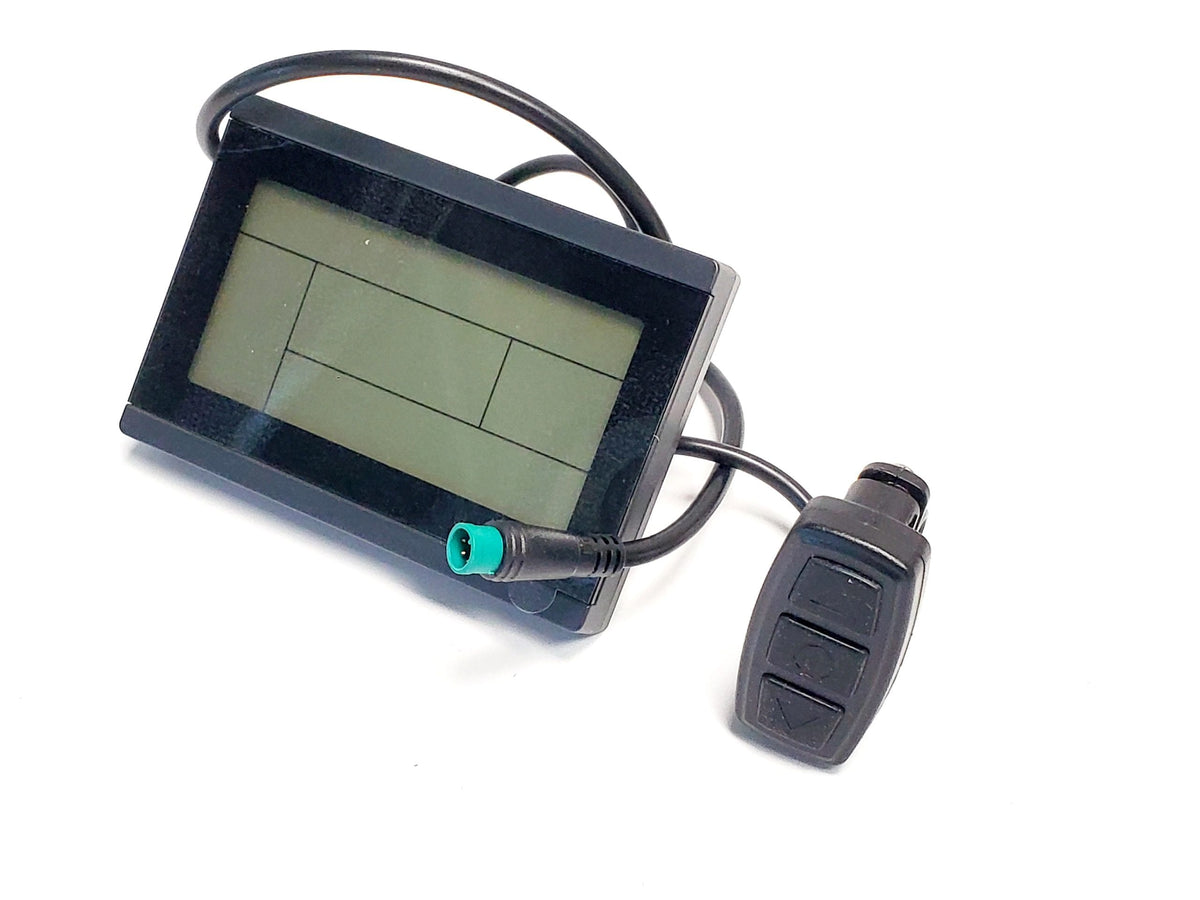
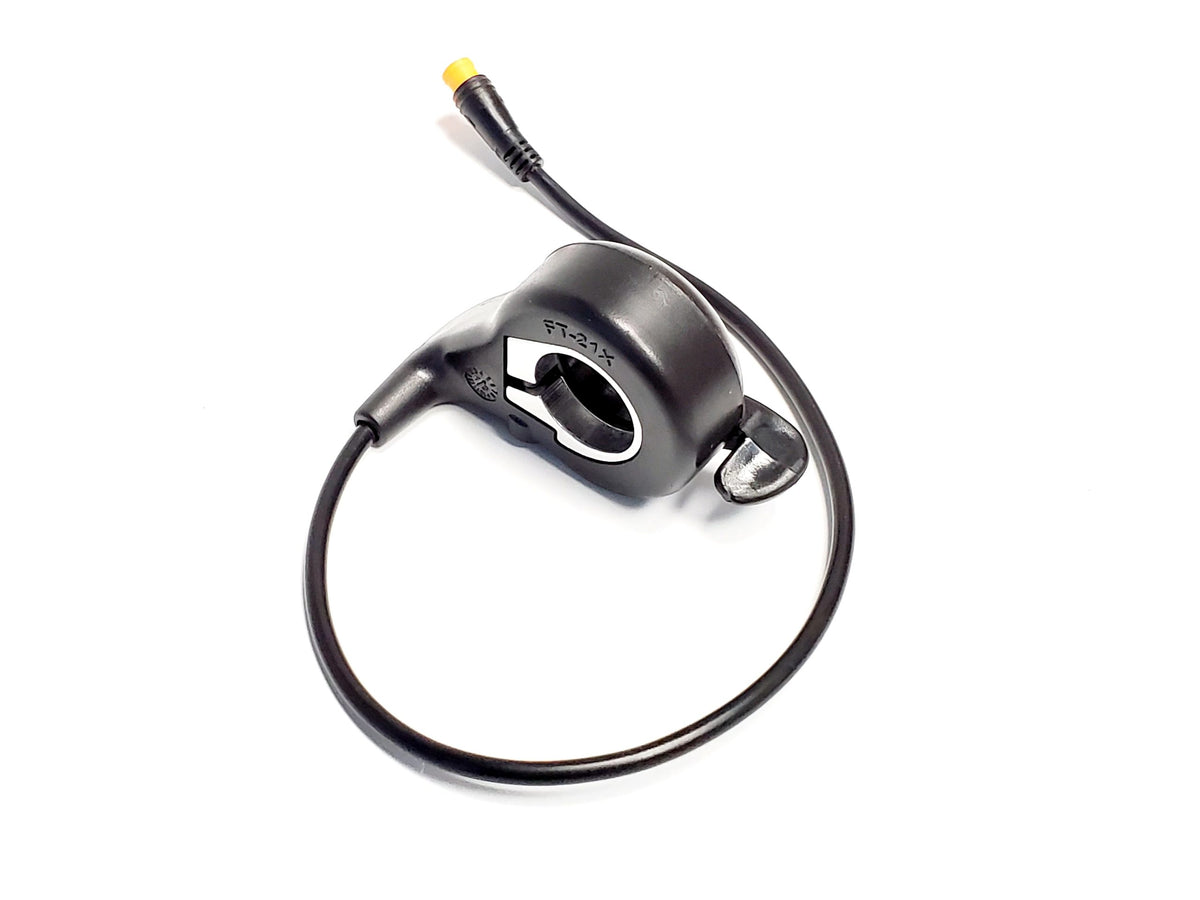
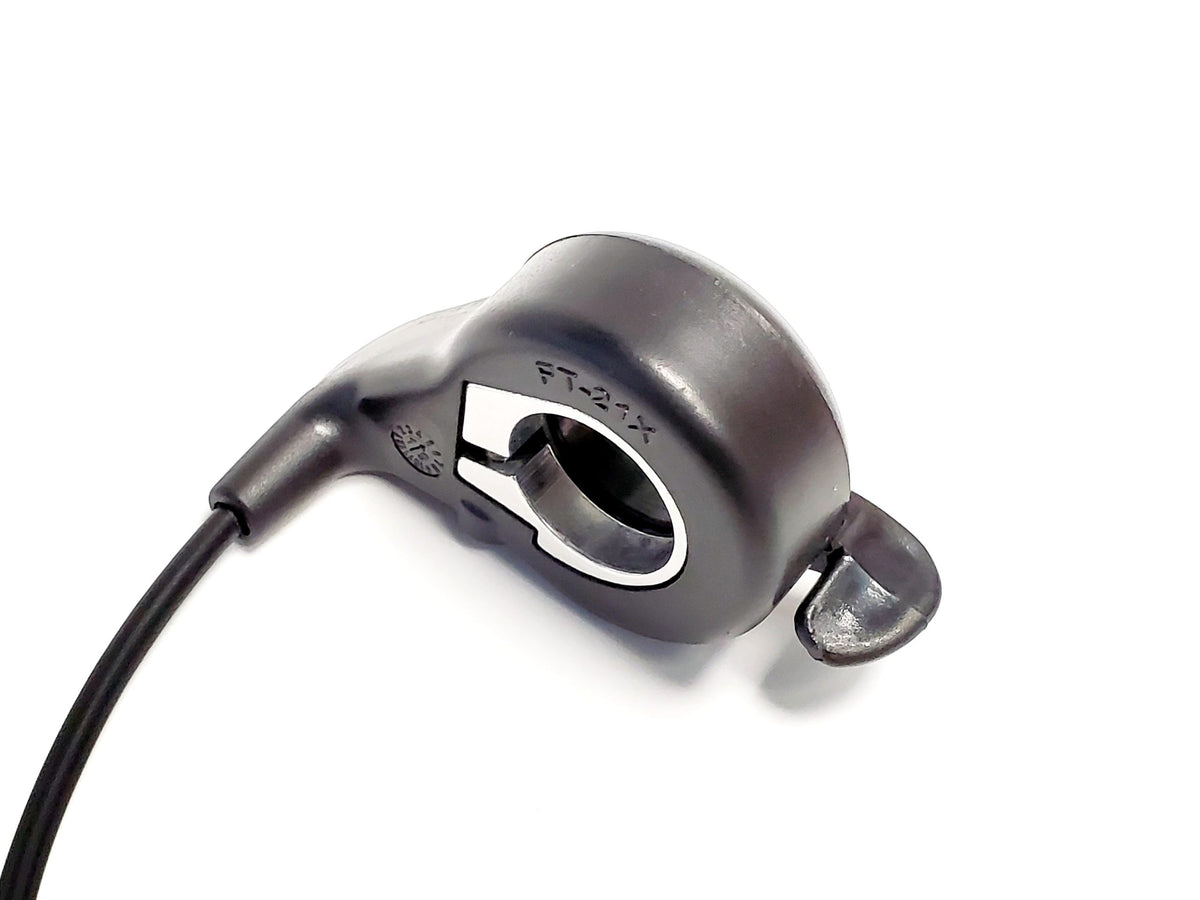
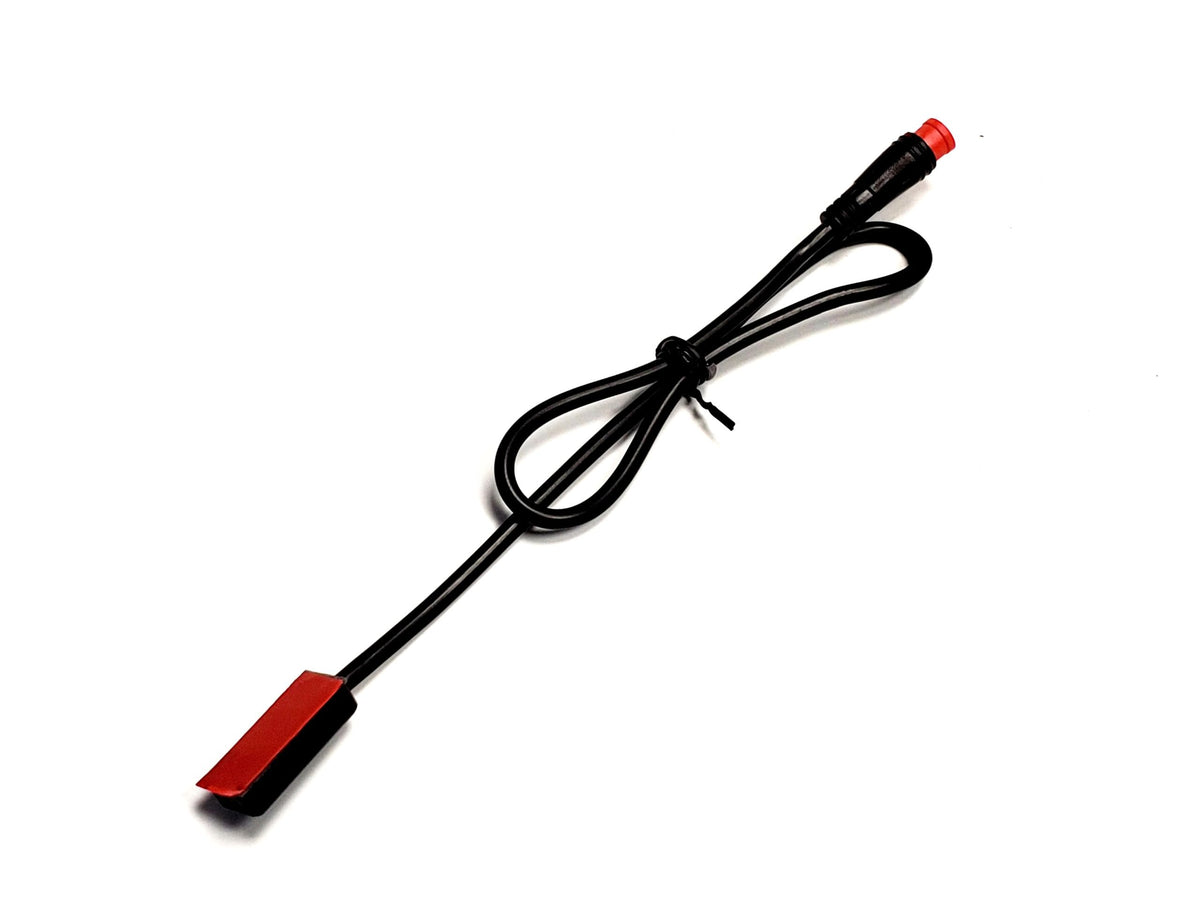
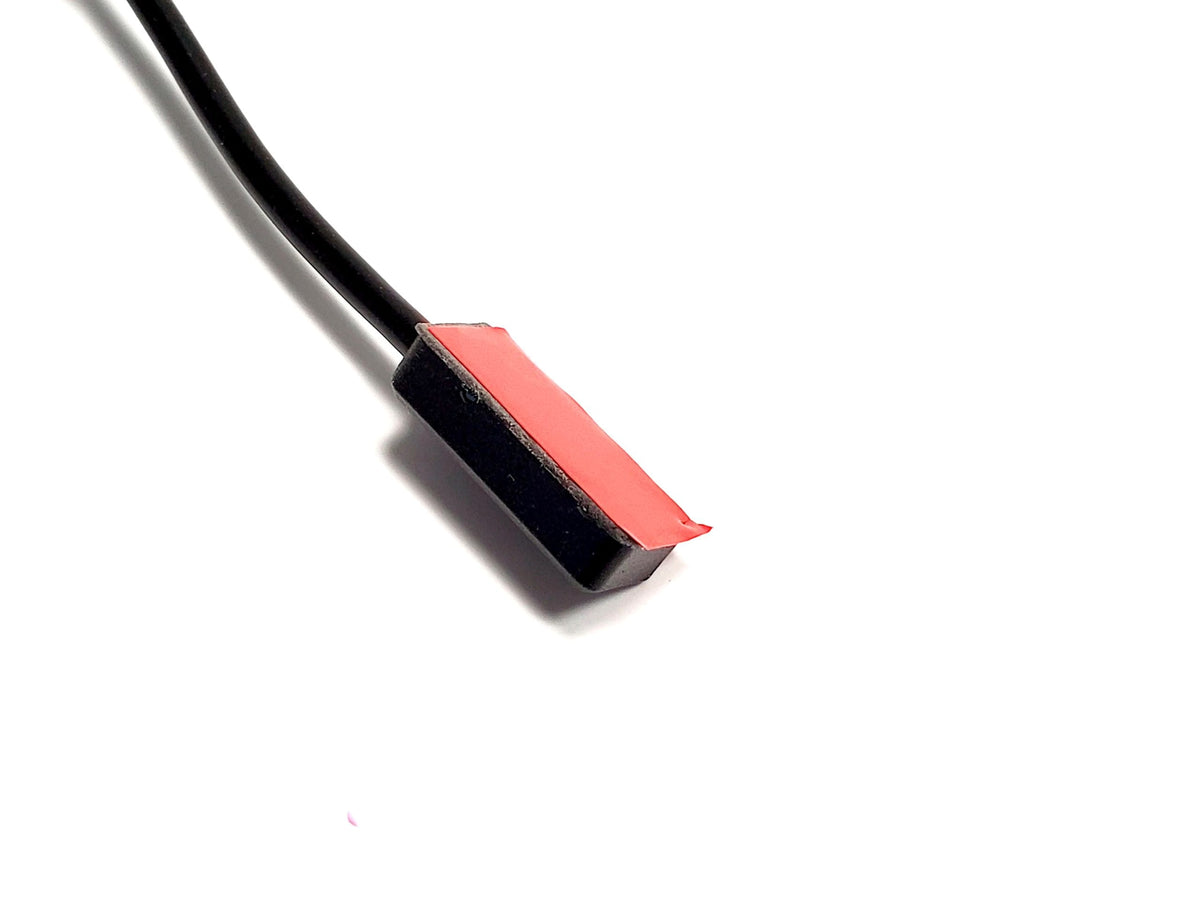
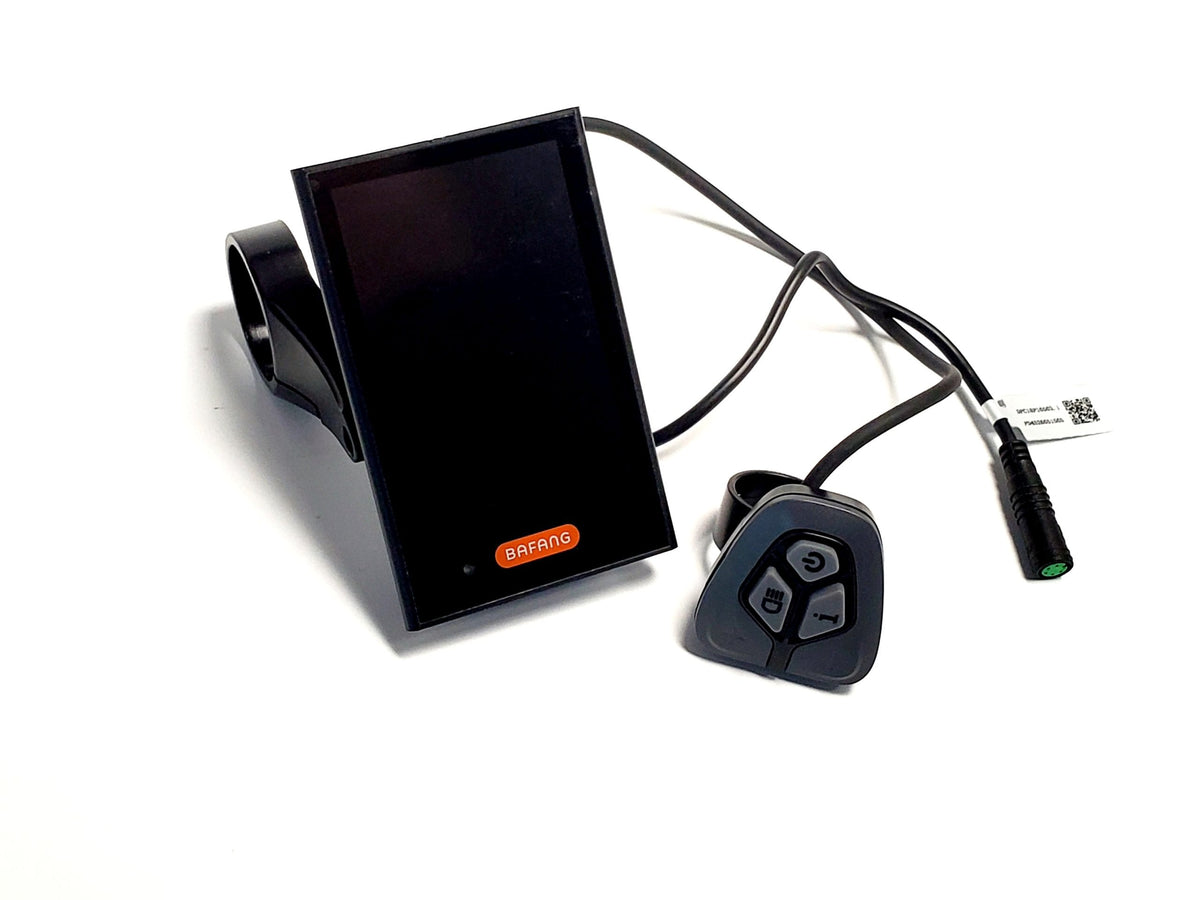
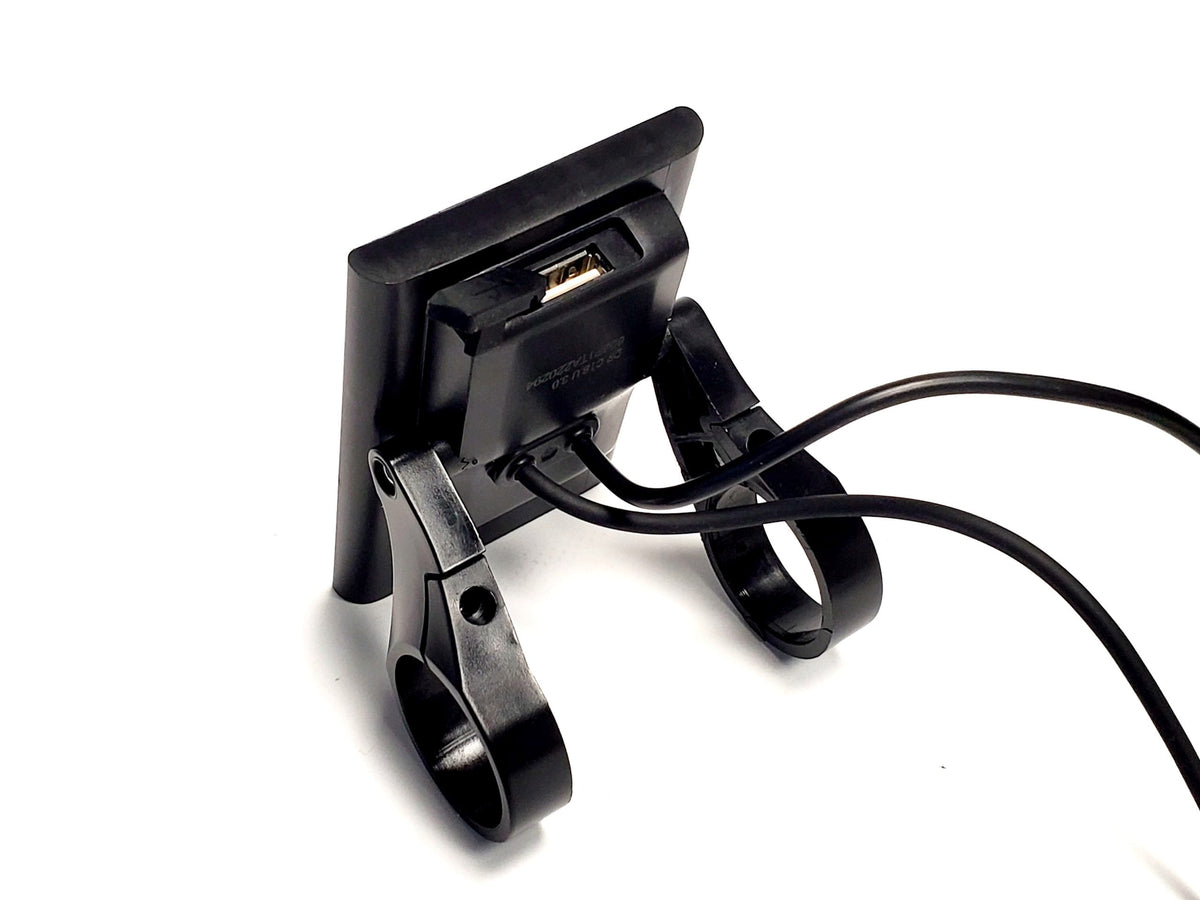
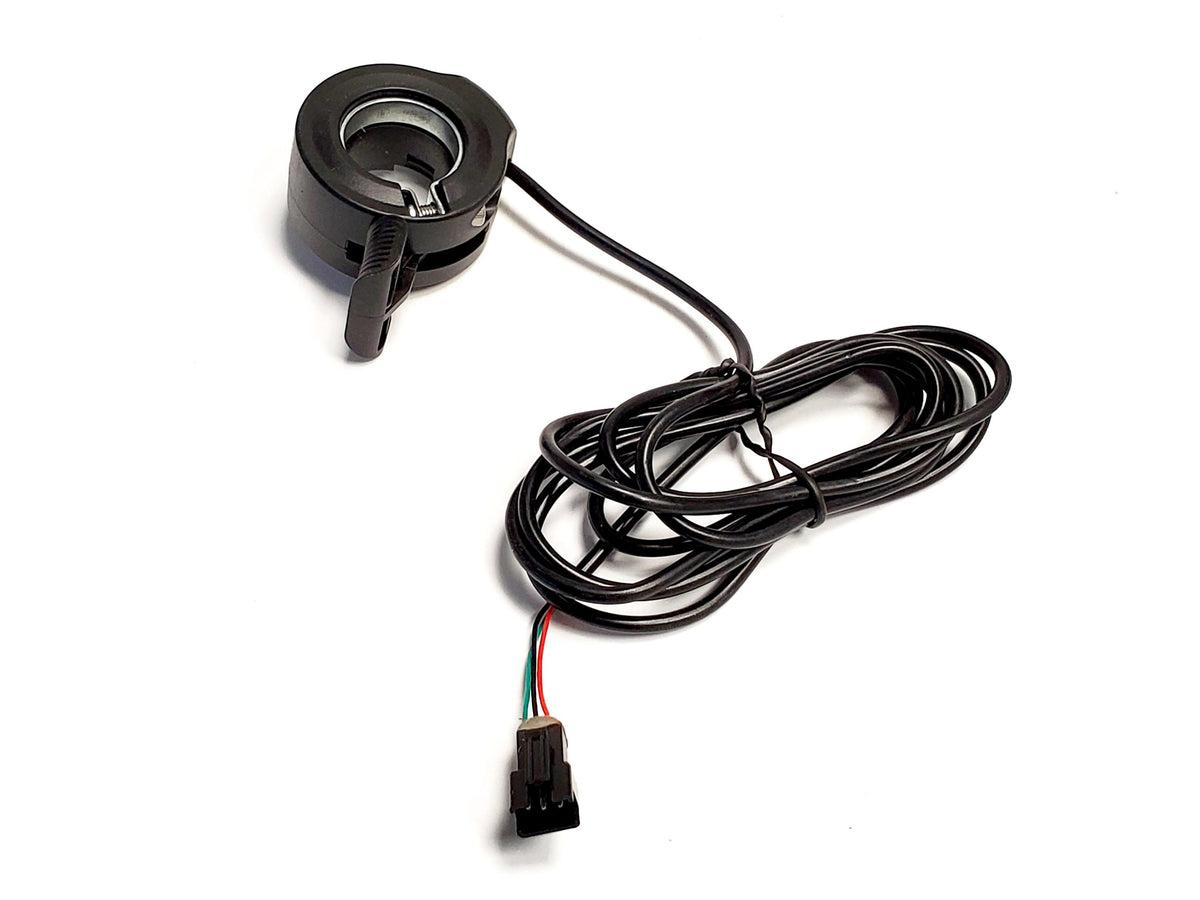
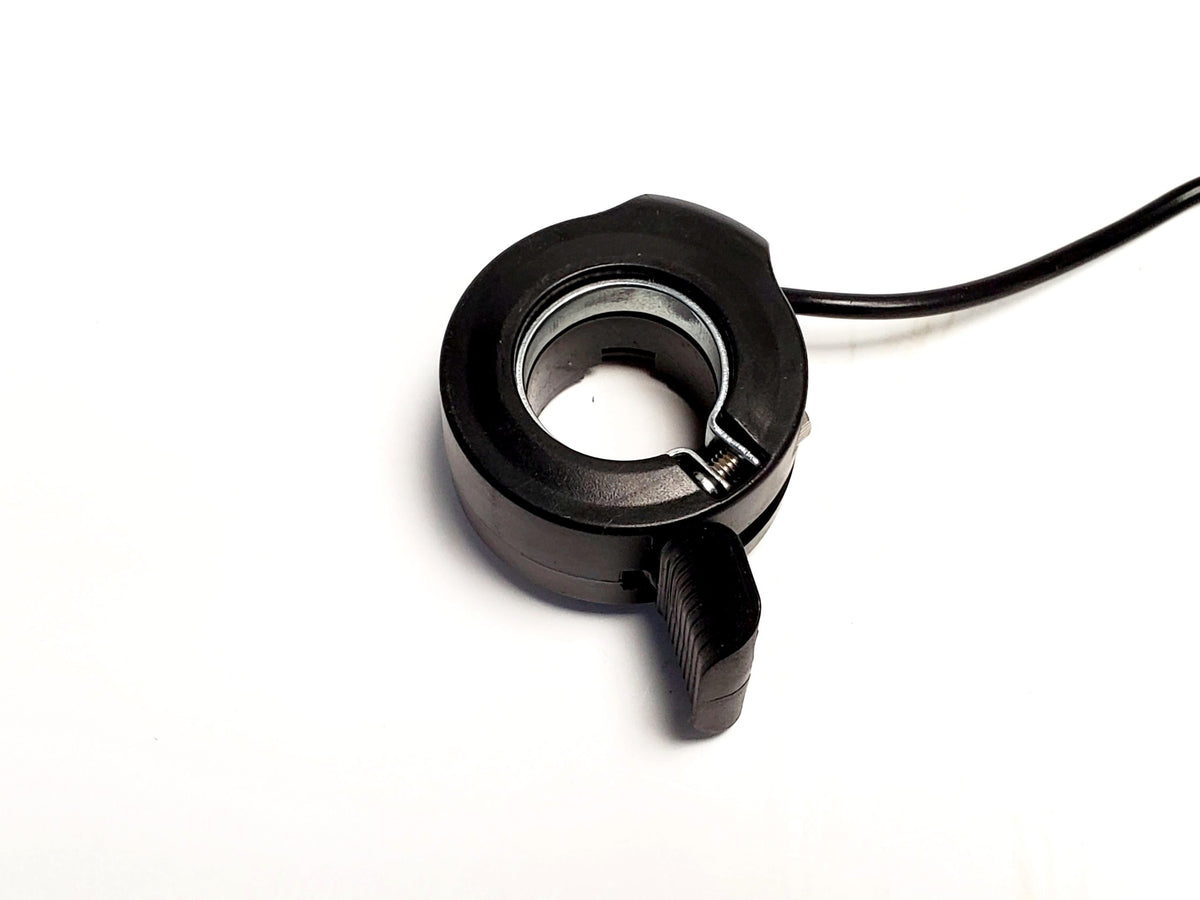
eBike sensors are the inputs that make a smart electric bike system — detecting pedalling, speed, and braking to deliver smooth, safe, and intuitive pedal assist.
What types of sensors are used in an eBike system?
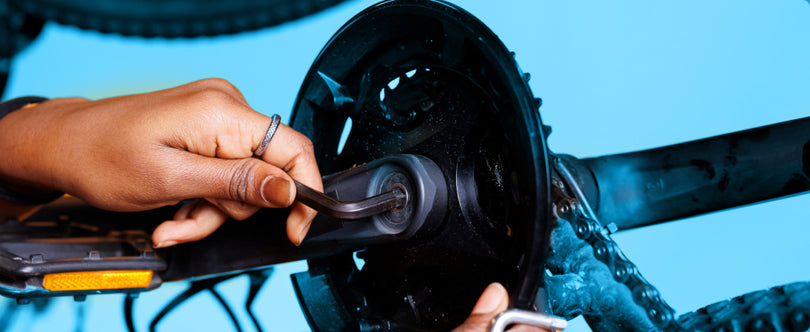
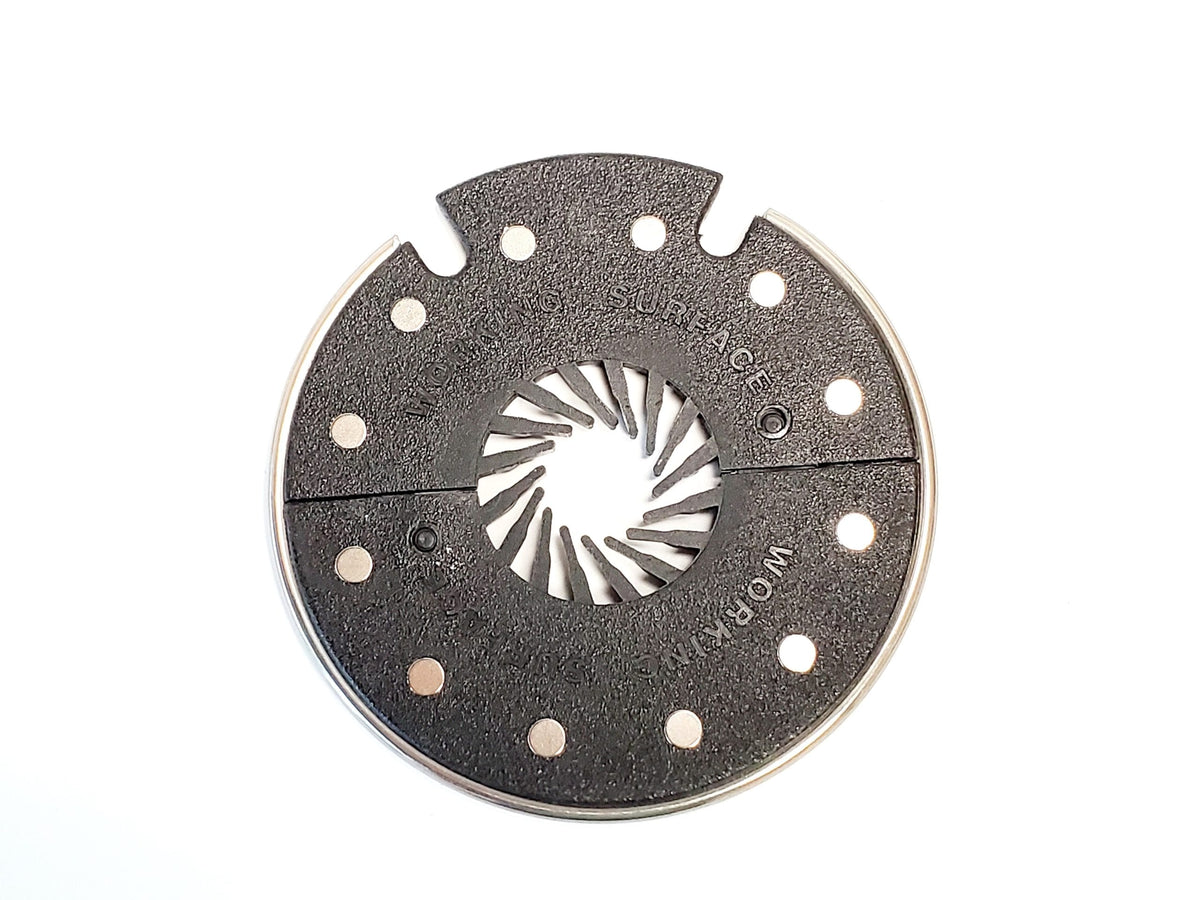
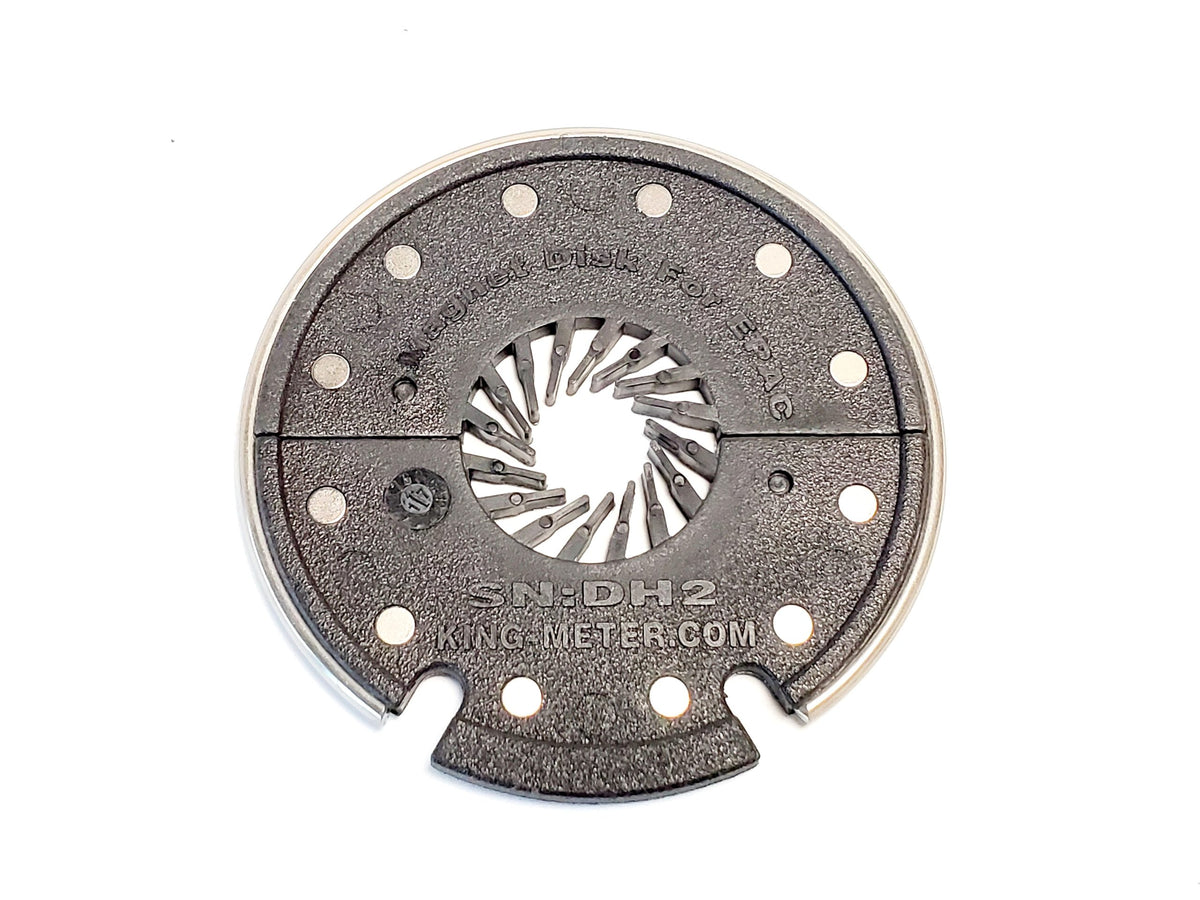
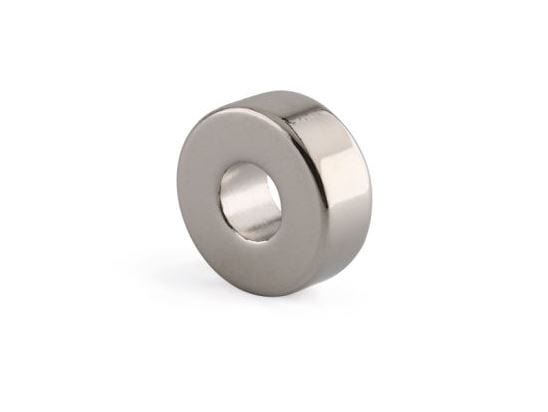
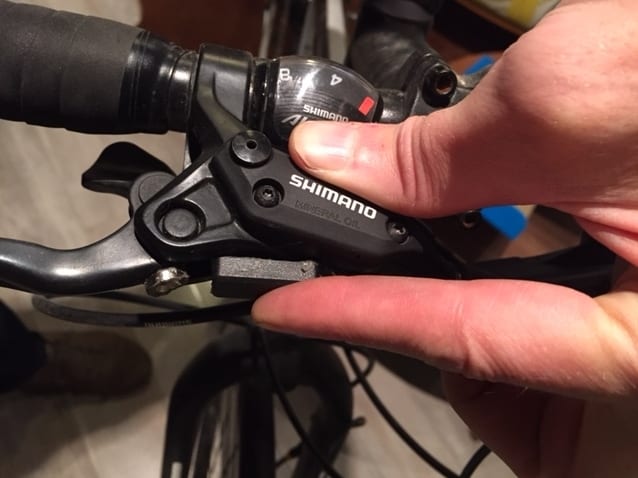
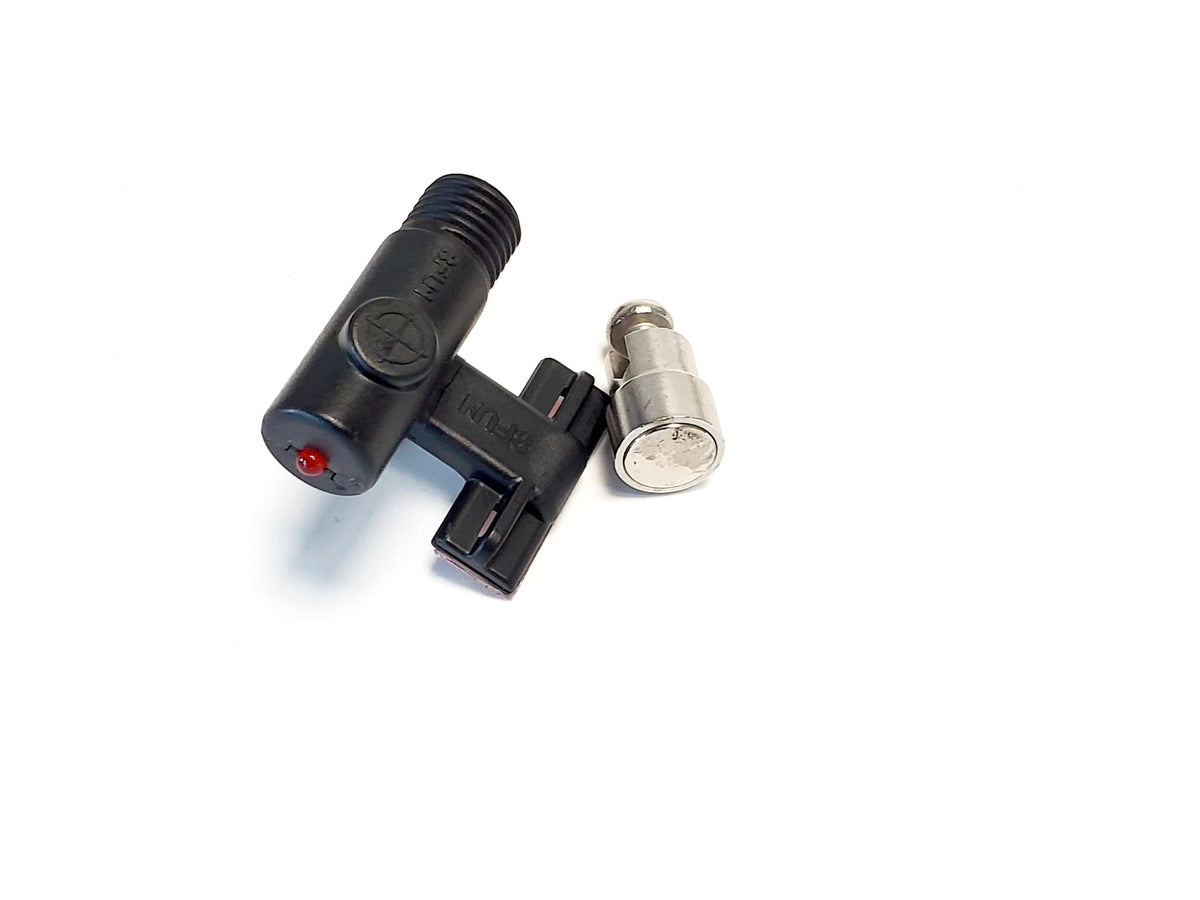
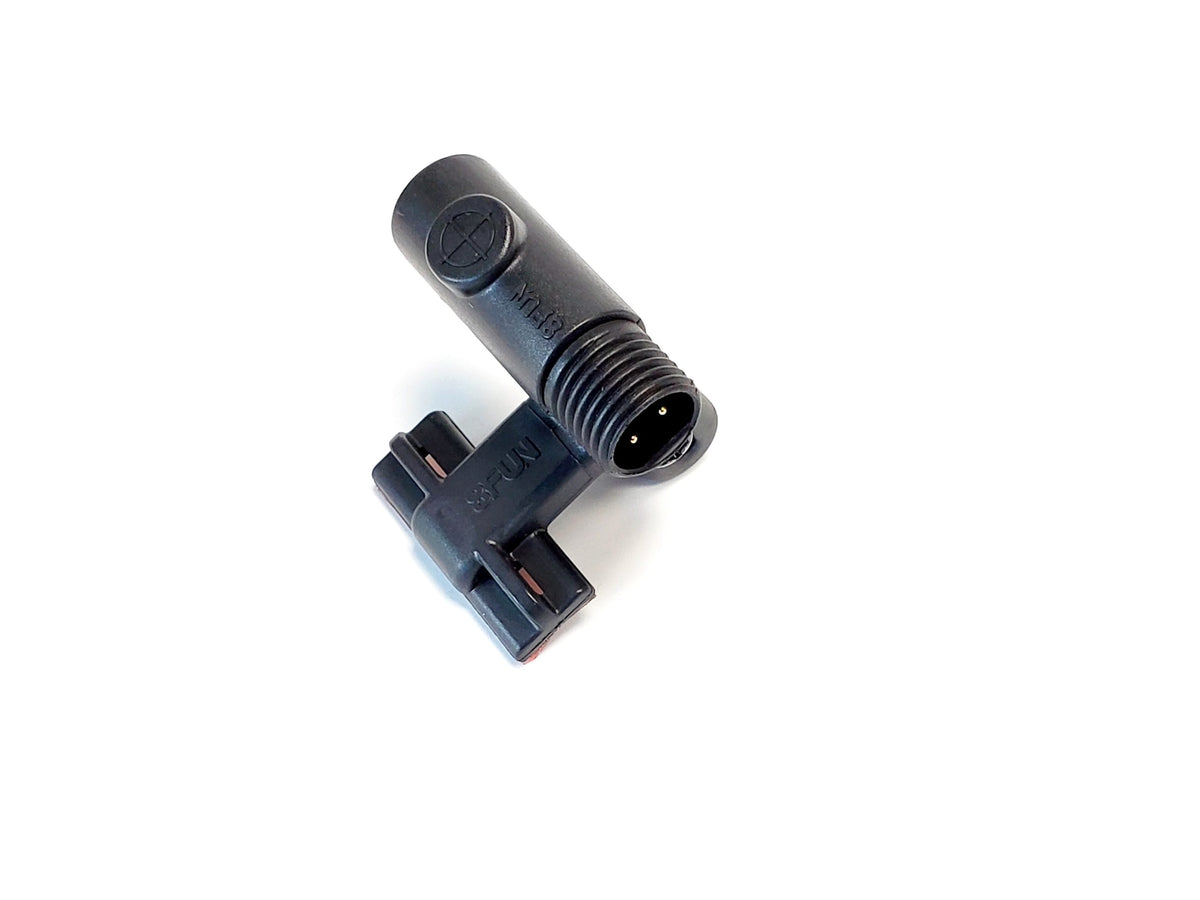
The four primary sensor types are: pedal assist sensors (detect pedalling to trigger motor assist), speed sensors (measure wheel rotation for display and controller), brake sensors (cut motor power when brakes are applied), and torque sensors (measure pedal force for proportional assist). Browse individual sensor categories: PAS sensors, speed sensors, brake sensors.
What is the difference between a cadence sensor and a torque sensor?
A cadence (PAS) sensor detects whether the cranks are turning and triggers a fixed assist level. A torque sensor measures how hard you are pushing on the pedals and delivers proportionally stronger or weaker assist. Torque-sensing systems feel significantly more natural and are preferred by experienced riders.
Are ENVO sensors compatible with other brands of controllers?
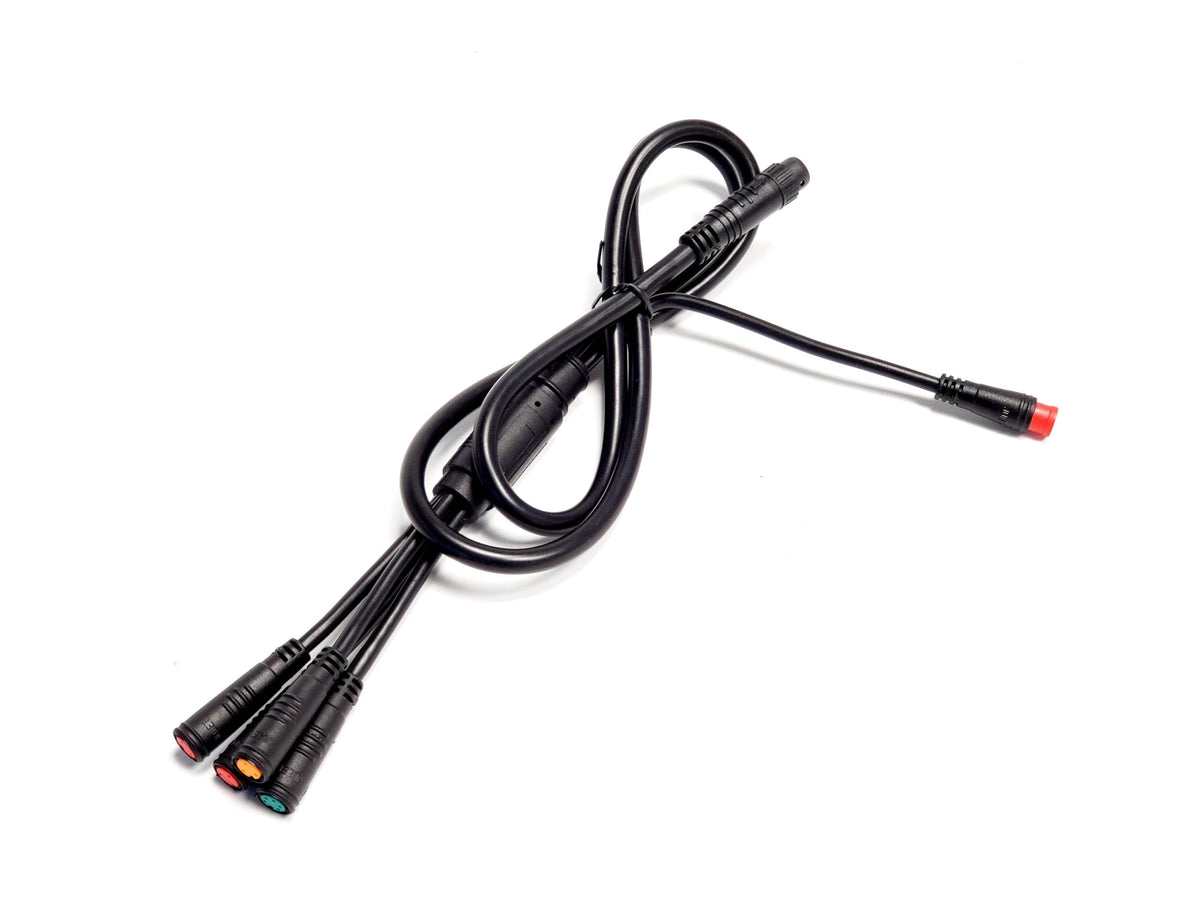
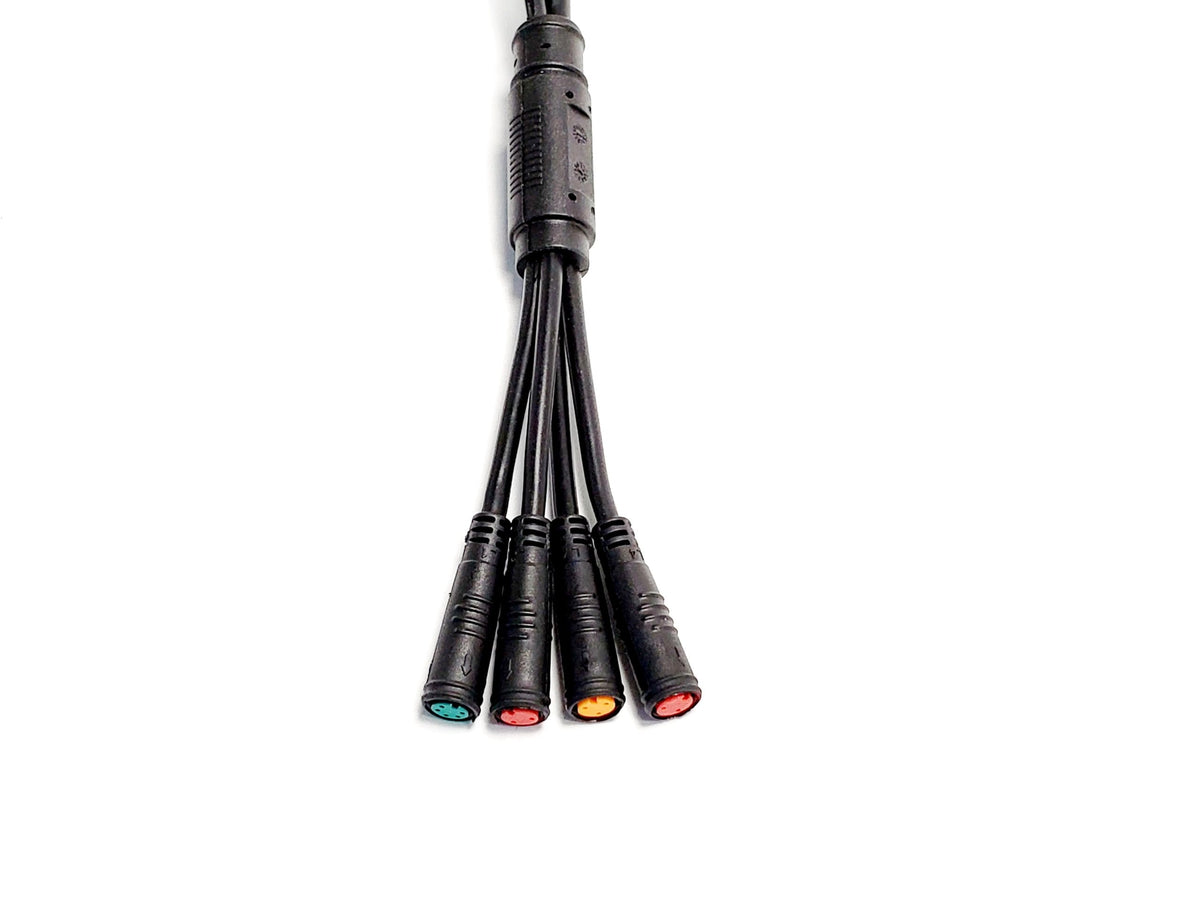
ENVO sensors use standard PAS connector types (typically 5-pin or 6-pin JST) that are broadly compatible with most Chinese-manufactured e-bike controllers. Speed sensors and brake sensors are generally universal. Always verify connector type and pin configuration before mixing brands.
How do I know if my eBike sensor has failed?
A failed PAS sensor typically results in no pedal assist triggering even though the system powers on normally. A failed speed sensor results in the display showing zero speed while moving. Brake sensor failure may result in the motor not cutting off when braking, which is a safety concern requiring immediate attention.
Are eBike sensors waterproof?
Most quality eBike sensors (including ENVO components) are rated for water resistance appropriate for normal outdoor riding. Avoid direct high-pressure water spray on connectors during washing. Exposed connector joints should be protected with dielectric grease in wet climates like BC.