


Aima Mobility Canada: A New Brand With a New Distributor
How Aima sells in Canada — and what UNIVELO's distributor model means for warranty, parts, and long-term support.
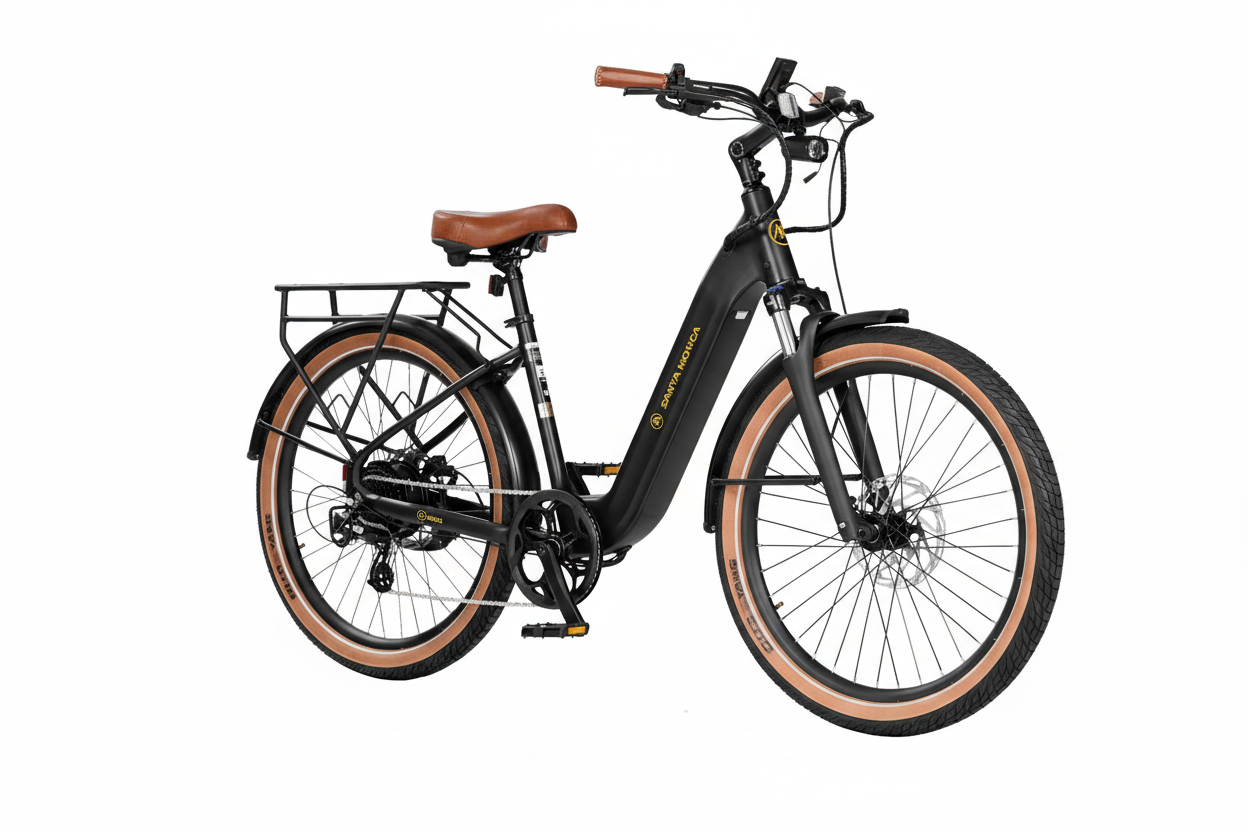
Table of Contents
- Introduction
- Two New Entities Working Together
- Who Is UNIVELO?
- What "Exclusive Distributor" Actually Means
- How the Distribution Chain Works
- The Risks of the Distributor Model
- The Benefits of the Distributor Model
- How Established Canadian Brands Handle This
- What This Means for Warranty Enforcement
- What This Means for Parts Availability
- What This Means for Long-Term Support
- FAQ
- The Bottom Line
Introduction
Aima's Canadian story is unusual not because it is illegitimate, but because it is still taking shape. In Canada, buyers are not dealing with a long-established domestic subsidiary or a decades-old dealer network. They are looking at a global manufacturer entering the market through a newer local intermediary: Aima Technology Group in China, working through UNIVELO in Canada.
That structure matters, because it affects who stocks bikes, who supplies parts, who handles claims, and who stands behind support after the sale.
On November 28, 2024, PR Newswire announced that UNIVELO, described in the release as a "newly established Canadian distribution company," would serve as the exclusive distributor of AIMA e-bikes in Canada. UNIVELO is based in Quebec and operates a Canada-only B2B-facing web presence at univelo.ca. AIMA itself is not a startup: Aima Technology Group Co., Ltd., founded 1999, headquartered in Tianjin, listed on the Shanghai Stock Exchange under ticker 603529.
That combination — a major overseas manufacturer paired with a newly launched Canadian distributor — deserves a closer look. If you've already read our deeper investigation into whether Aima is a Canadian company, this article picks up where that one stops: not "who owns Aima?" but "how does Aima actually function inside Canada day to day?"
Two New Entities Working Together
From a consumer distance, it looks like "AIMA Canada" is simply a brand expanding north. But the operating reality is more layered. AIMA is the manufacturer and global parent. UNIVELO is the local distribution layer that bridges AIMA's products into Canadian retail.
UNIVELO's own site shows current AIMA product activity, Canada-only operations, 2026 inventory and news updates, and references to warehouse locations in Montreal and Vancouver. That's encouraging for a Canadian buyer worried about lead times — but it also confirms the structure: UNIVELO, not AIMA, is the entity standing between you and the factory.
This is an important distinction. AIMA does have international subsidiaries in several markets — AIMA EBIKE, INC. (USA), headquartered in City of Industry, California (verified at aimatech.us, info@aimausa.com, (213) 315-0602), AIMA TECHNOLOGY SINGAPORE PTE. LTD., and PT AIMA ELECTRIC VEHICLES INDONESIA. But a search of the 2024 annual report does not show a standalone Canadian subsidiary. Canada is served through a distributor model rather than a wholly owned local corporate arm.
The structural choice matters. Aima has clearly demonstrated that, when it chooses to, it can and does open wholly-owned North American subsidiaries — it has one in California. The fact that Aima opened a US subsidiary but did not open a Canadian subsidiary is a deliberate corporate decision, not a capability gap.
In effect, Aima's chosen North American structure is: a Chinese parent in Tianjin, a US-based North American HQ in City of Industry (LA County), and then Canada is reached through a third-party Quebec-based distributor. UNIVELO is the workaround for the absence of a Canadian Aima entity, not a complement to one.
That doesn't automatically make the Canadian setup weak. It means buyers should understand that the brand they see and the company that supports them locally are not the same legal and operational layer. By contrast, Canadian-owned brands behind the EbikeBC electric bike collection operate as one unified entity from design through after-sale support.
Who Is UNIVELO?
UNIVELO entered the Canadian market publicly on November 28, 2024, when it announced its exclusive AIMA distribution arrangement. That makes it, as of writing, roughly 18 months old as a distributor brand.
UNIVELO — Snapshot
- Status: Newly established Canadian distribution company
- Headquarters: Quebec City, Quebec
- Launched: November 28, 2024 (PR Newswire announcement)
- Mandate: Exclusive Canadian distributor of AIMA e-bikes
- Operating model: Wholesale-to-dealer; Canada-only operations
- Warehouses referenced: Montreal and Vancouver
- Service capability: Authorized Bafang service center in Quebec
- Founding team: Experience across product design, brand management, trading, and business strategy
UNIVELO's own website reinforces several parts of that profile. It states that the company "only operates with businesses located in Canada," confirming its wholesale and distribution orientation. It hosts owner's guides, dealer-facing materials, and Bafang-related service information. Its product and news pages are tied specifically to AIMA's Canadian lineup. It also says it has been trained for repair and maintenance of Bafang systems and operates an authorized service center in Quebec that carries replacement parts and provides technical advice to dealers.
So while UNIVELO is new as a distributor brand, it's presenting itself not just as a box mover, but as a service-and-parts node. That's a meaningful difference. A pure import-and-ship distributor would push every technical question back to dealers; a service-capable distributor can at least catch problems at the national level before they escalate.
What "Exclusive Distributor" Actually Means
"Exclusive distributor" sounds reassuring until you ask what it means in practice.
At minimum, it means AIMA has chosen one local distribution partner to represent its e-bikes in Canada, rather than selling through multiple independent importers. In theory, that improves consistency: one importer, one national strategy, one parts channel, one warranty process, one dealer development effort. For a brand entering a new market, single-channel exclusivity is usually a sign that the manufacturer is serious about Canada, not just dumping inventory through grey-market resellers.
But exclusivity also centralizes dependence. If there's only one official distributor, retailers and customers may depend on that one company for model availability, replacement electronics, warranty administration, technical bulletins, and long-term continuity of support. If the distributor scales well, that's great. If it doesn't, there's no parallel channel to fall back on.
That's not an accusation — it's how exclusive distribution works. The same structure that creates order can also create concentration risk. The question for the Canadian buyer is whether UNIVELO grows into a deep national presence faster than the bikes in customers' garages start needing real service.
How the Distribution Chain Works
Here's the practical chain a Canadian Aima buyer interacts with, whether they realize it or not.
Aima Canada — The Three-Layer Chain
- Sales flow: Aima Technology Group (China) → UNIVELO (exclusive Canadian distributor) → partner bike shops → consumer
- Warranty flow: Customer → retailer → UNIVELO → AIMA
- Parts flow: AIMA → UNIVELO → retailer → customer
- Technical support: Retailer-first, with UNIVELO backing dealers through documentation, service-center capability, and parts supply
The consumer normally does not negotiate directly with the overseas factory. Instead, the local bike shop is the first contact, the distributor becomes the operational gatekeeper, and the manufacturer sits behind that process. UNIVELO appears to stock at least some replacement items and Bafang/AIMA-specific components on its website, including displays, controllers, and accessories — not just complete bikes.
That's a normal layered structure for any imported brand. The trade-off is response time and ownership clarity. With a Canadian-owned manufacturer like the team behind the ENVO D50 or the ENVO ST50, the customer talks to the same company that designed and assembled the bike. With Aima Canada, the customer talks to a retailer who talks to UNIVELO who talks to Aima.
The Risks of the Distributor Model
The distributor model is legitimate, but it creates an extra dependency layer between the customer and the manufacturer.
- Continuity risk: If a brand's Canadian presence depends on a relatively new distributor, support quality over the next five to ten years depends not just on the manufacturer's intentions, but on the distributor's staying power, capitalization, logistics discipline, and dealer-network growth.
- Parts bottleneck risk: Exclusive distribution can simplify supply chains but also create a single chokepoint. If key electronics, displays, controllers, or frame-specific parts aren't stocked deeply in Canada, delays ripple through the whole service network.
- Warranty interpretation risk: In a distributor model, the customer's real-world experience often depends less on the parent company's brand promise than on the local retailer's responsiveness and the distributor's willingness to approve, source, and process remedies.
- Brand-versus-entity confusion: Consumers may think they're buying from a globally established "AIMA Canada," when in fact they're buying from a local retailer supported by a newer independent distribution company.
None of these risks are unique to Aima — they're inherent in any single-distributor model. The point isn't to disqualify the brand, but to make the structure visible before purchase.
The Benefits of the Distributor Model
To be fair, distributor-based entry can also work very well.
- A local distributor can be more responsive than a distant multinational, warehousing parts domestically and answering dealer questions in local time zones.
- It can process claims faster because the approval authority lives in the same country as the customer.
- It can adapt product selection to Canadian regulations and riding conditions instead of pushing a one-size-fits-all global SKU list.
- UNIVELO's Quebec service-center role and Canada-only business focus are exactly the kinds of features that can make a distributor more useful than a remote corporate office.
- Choosing a single exclusive distributor signals manufacturer commitment to the market, rather than ad-hoc grey-market imports.
There's also a scale argument. AIMA's 2024 annual report shows a large parent with RMB 21.606 billion in revenue but only RMB 234.7 million in overseas revenue — about 1.1% of total. Canada is part of a small international slice of a much larger China-centered business. In that context, using a local distributor is a rational market-entry strategy. It allows AIMA to test and build a market without immediately establishing a full Canadian subsidiary. The model is not inherently suspect. It's simply a different ownership-support equation than buyers may assume.
How Established Canadian Brands Handle This
Established Canadian e-bike brands or long-rooted domestic operators often control more of the chain directly: branding, warehousing, customer support, and sometimes parts distribution all under the same corporate umbrella. That makes responsibility clearer. If something fails, the buyer knows who the Canadian entity is and where accountability sits.
By contrast, AIMA in Canada relies on a layered structure: global manufacturer, exclusive distributor, then dealer. That's common in many industries, but means accountability is more distributed. ENVO Drive Systems, for example, is Canadian-founded (2016), Burnaby-based, and handles the customer relationship directly without an intermediary distribution layer.
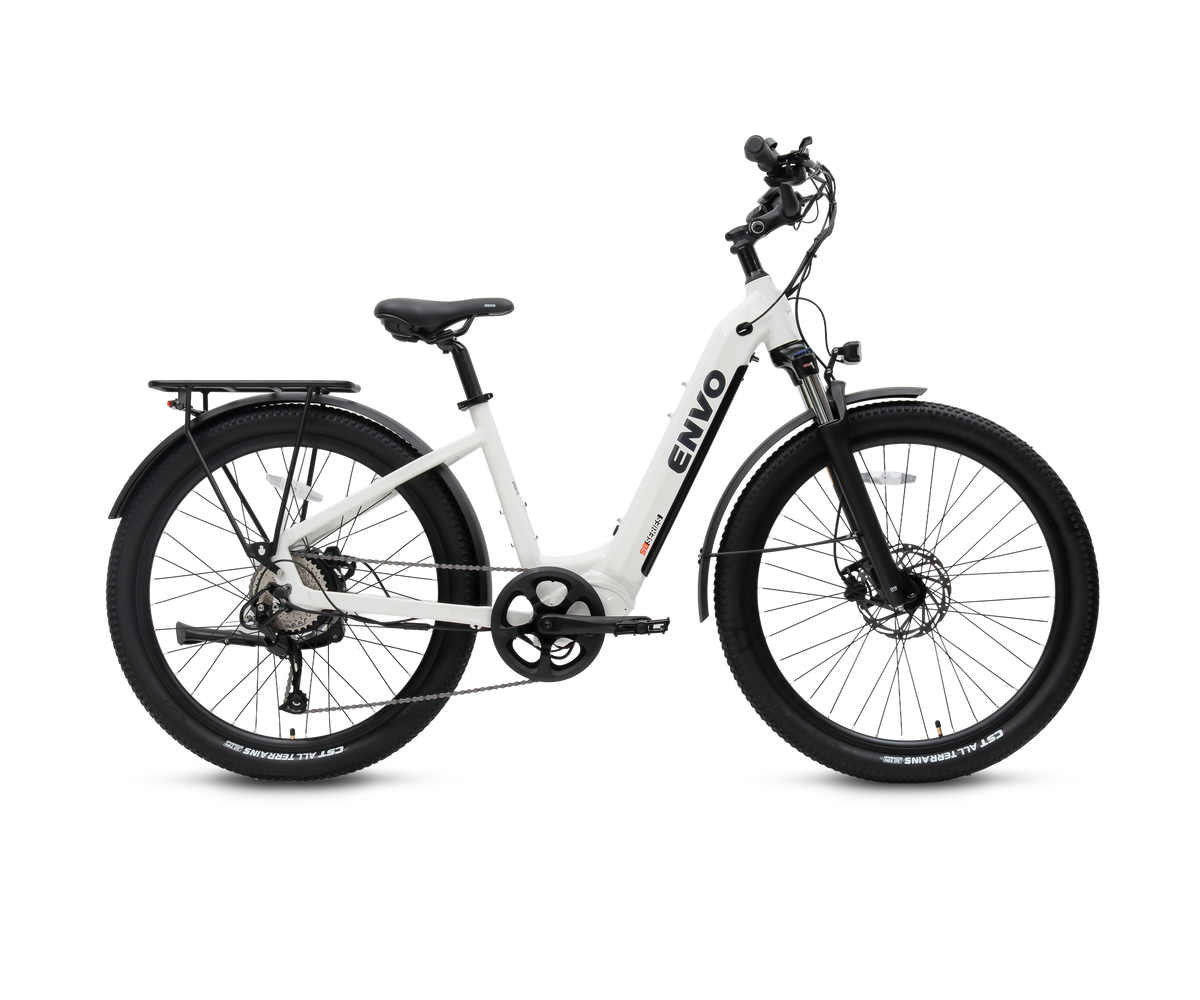
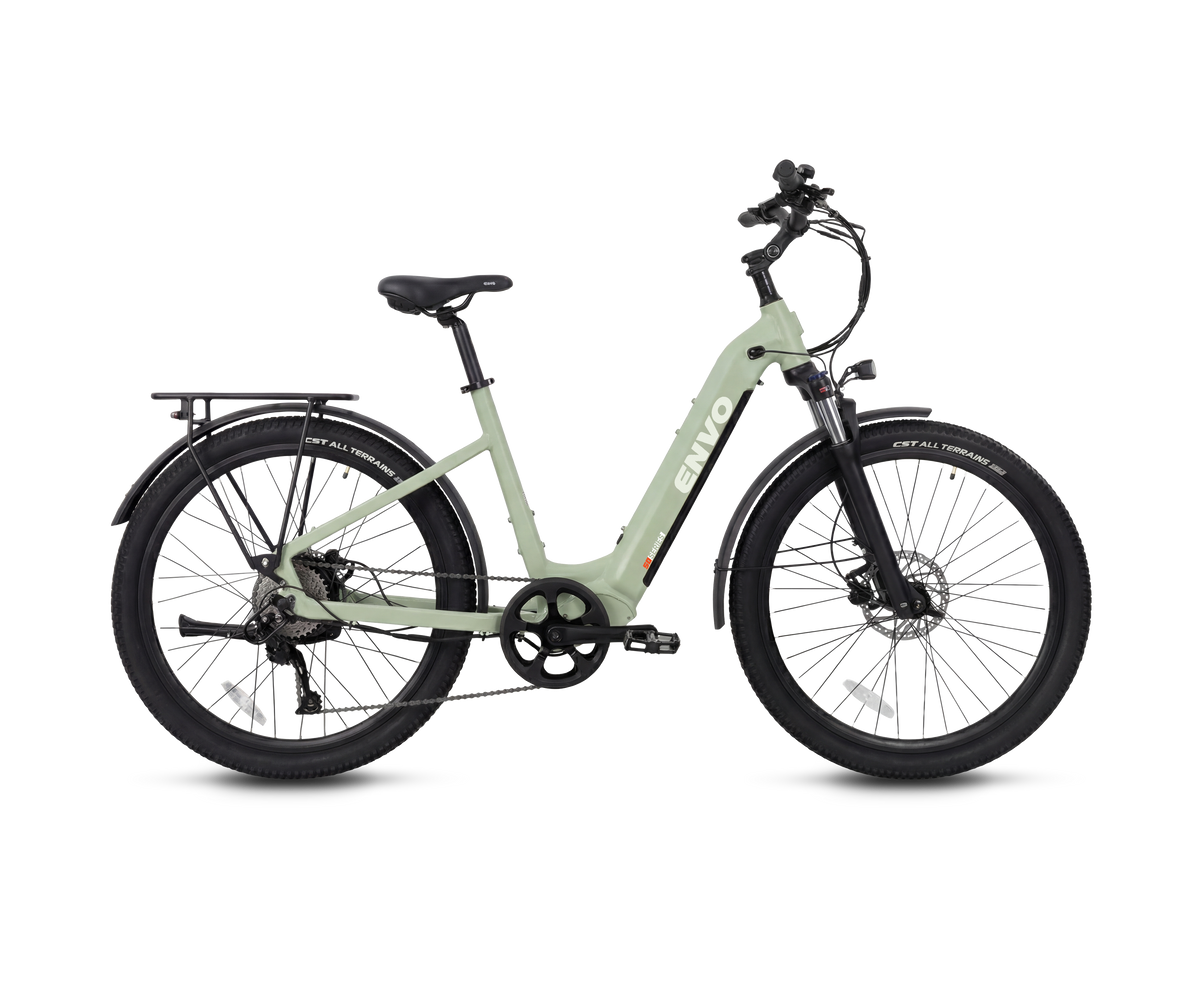
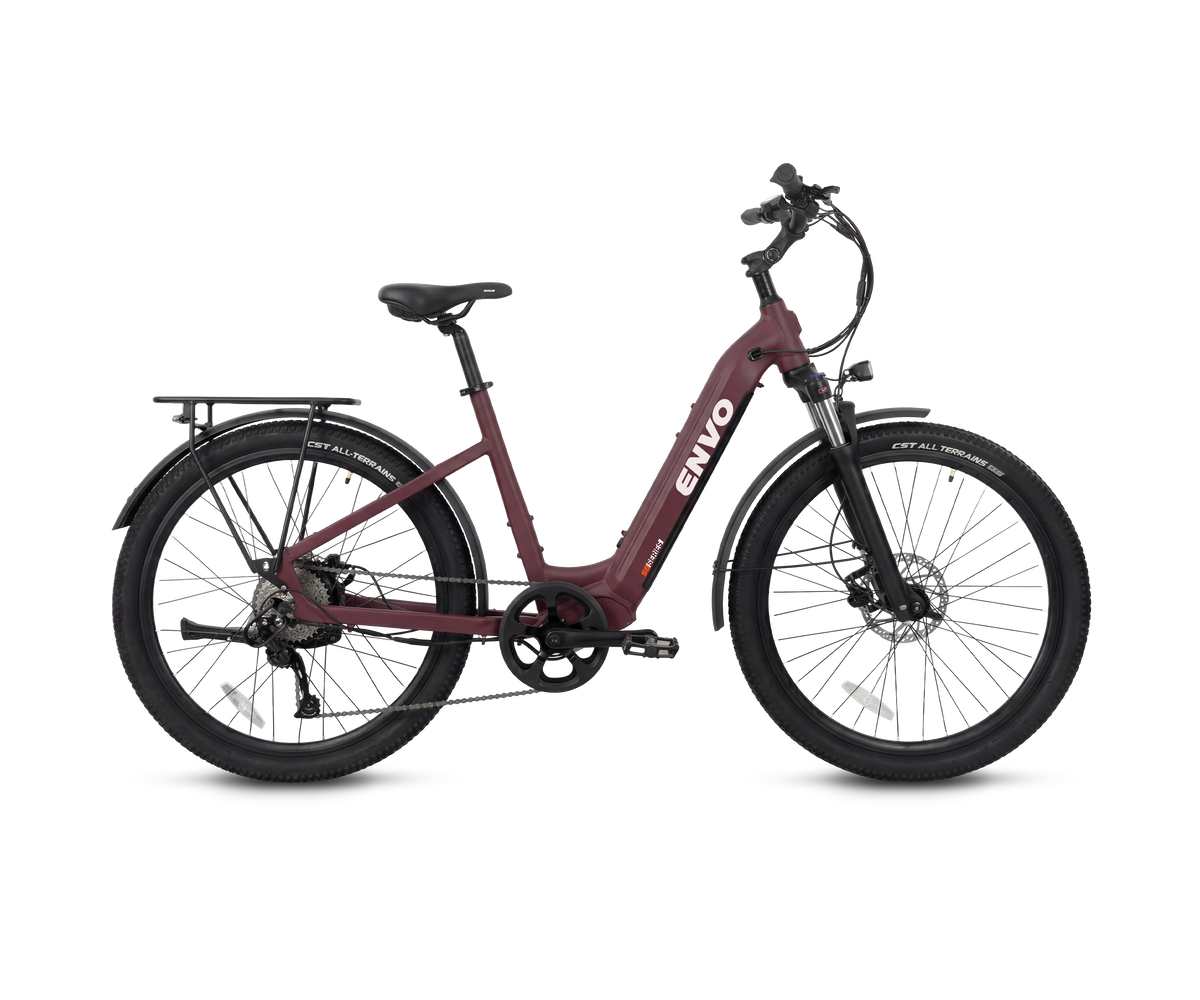
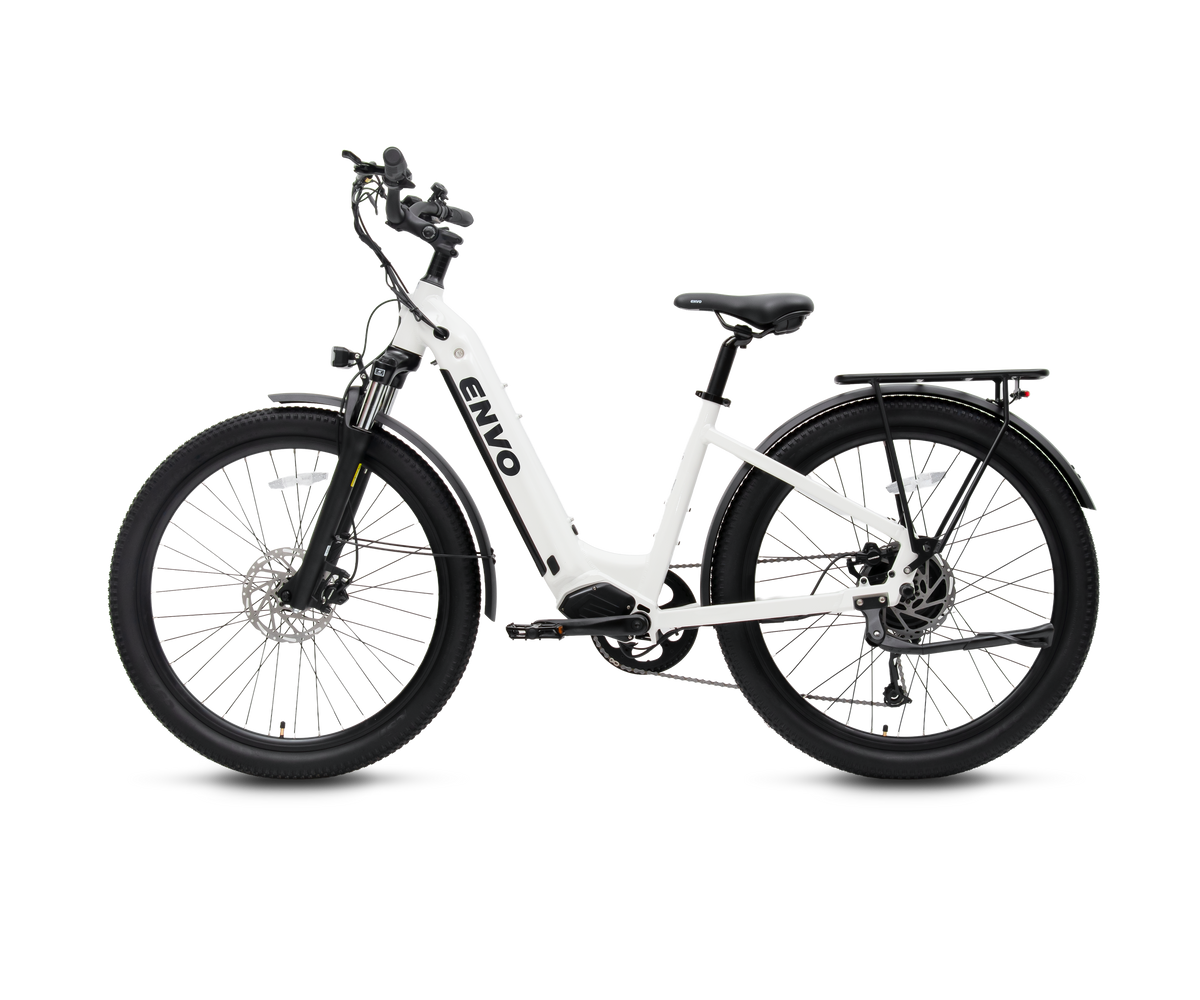
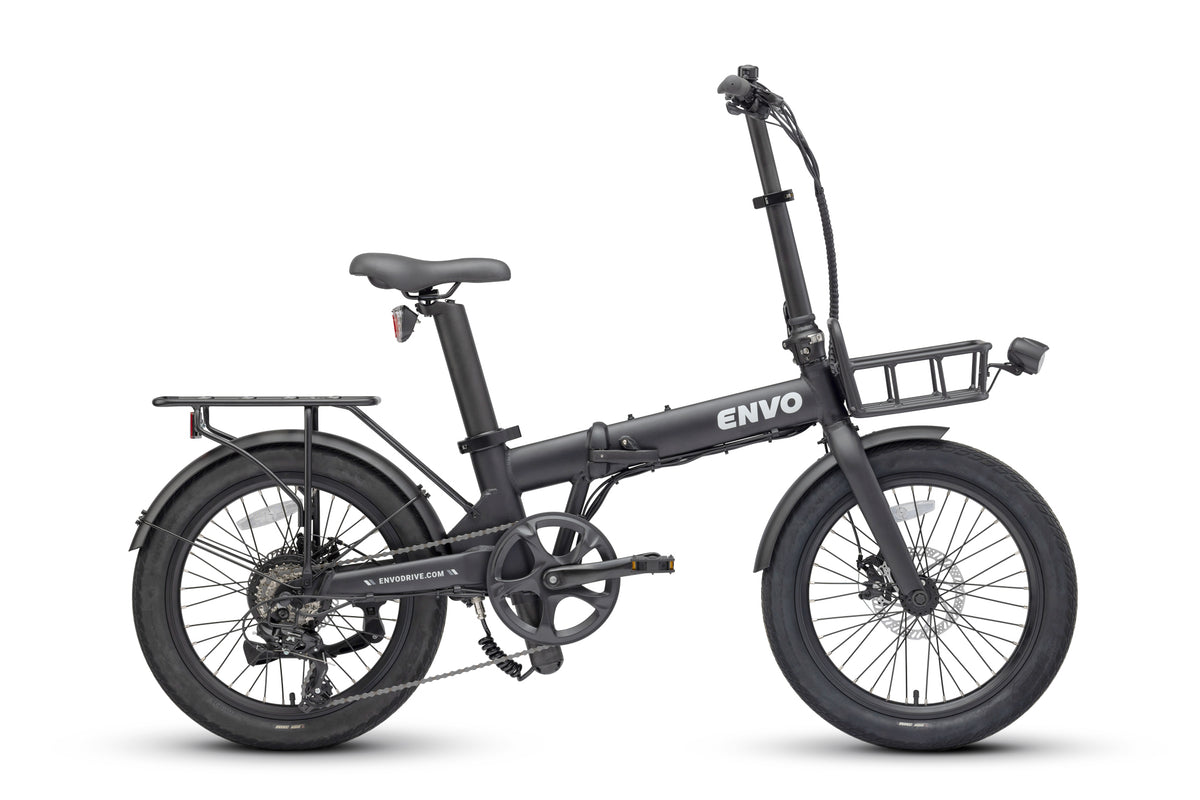
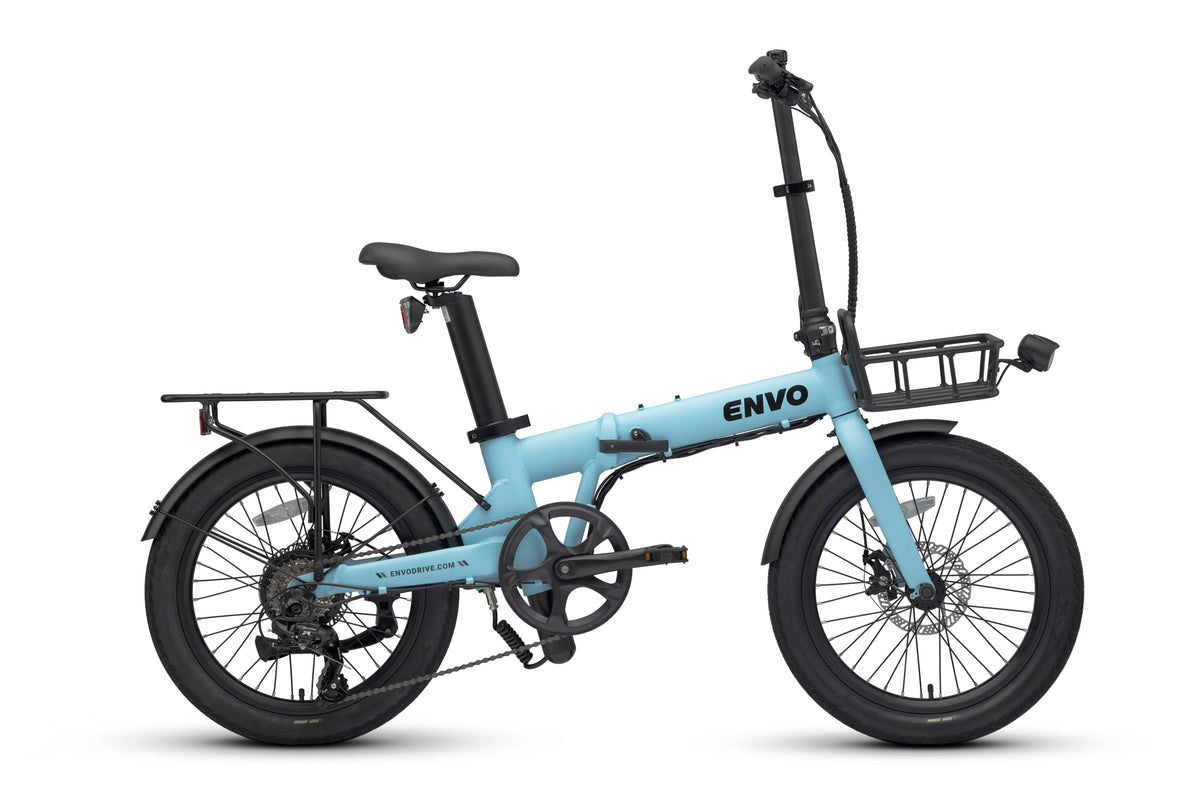
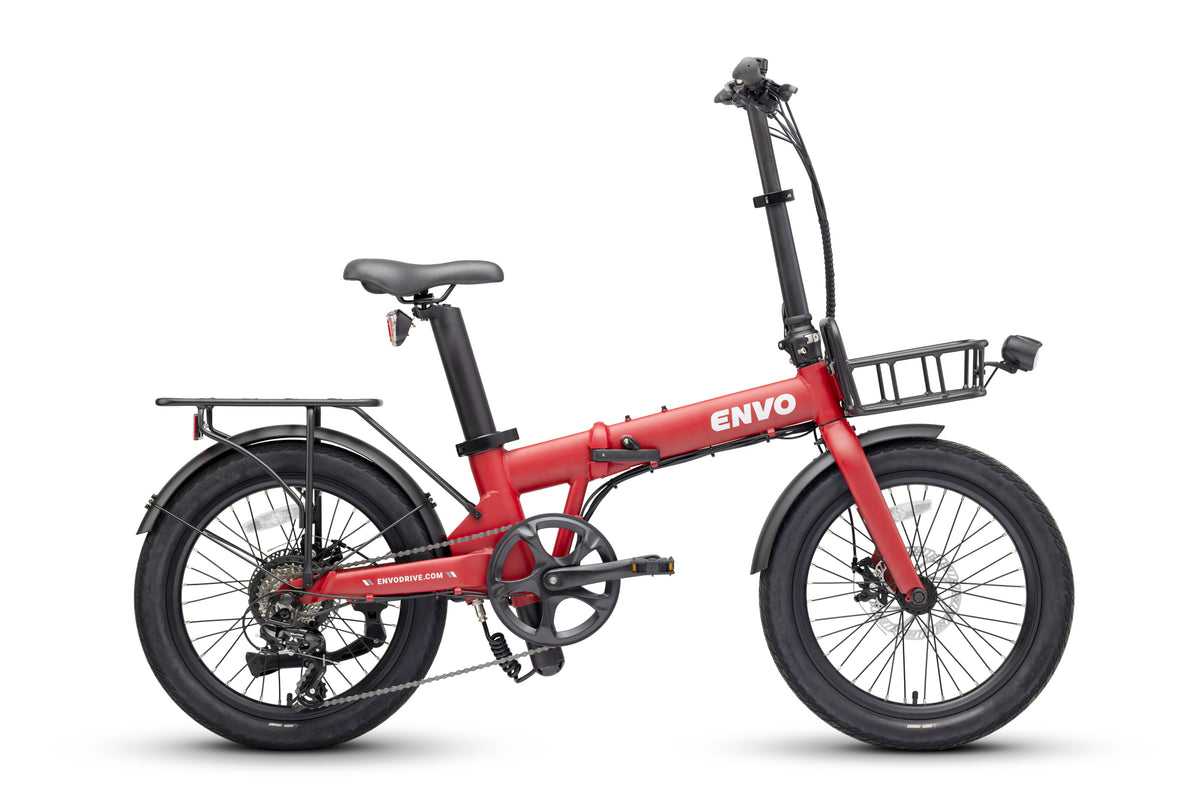
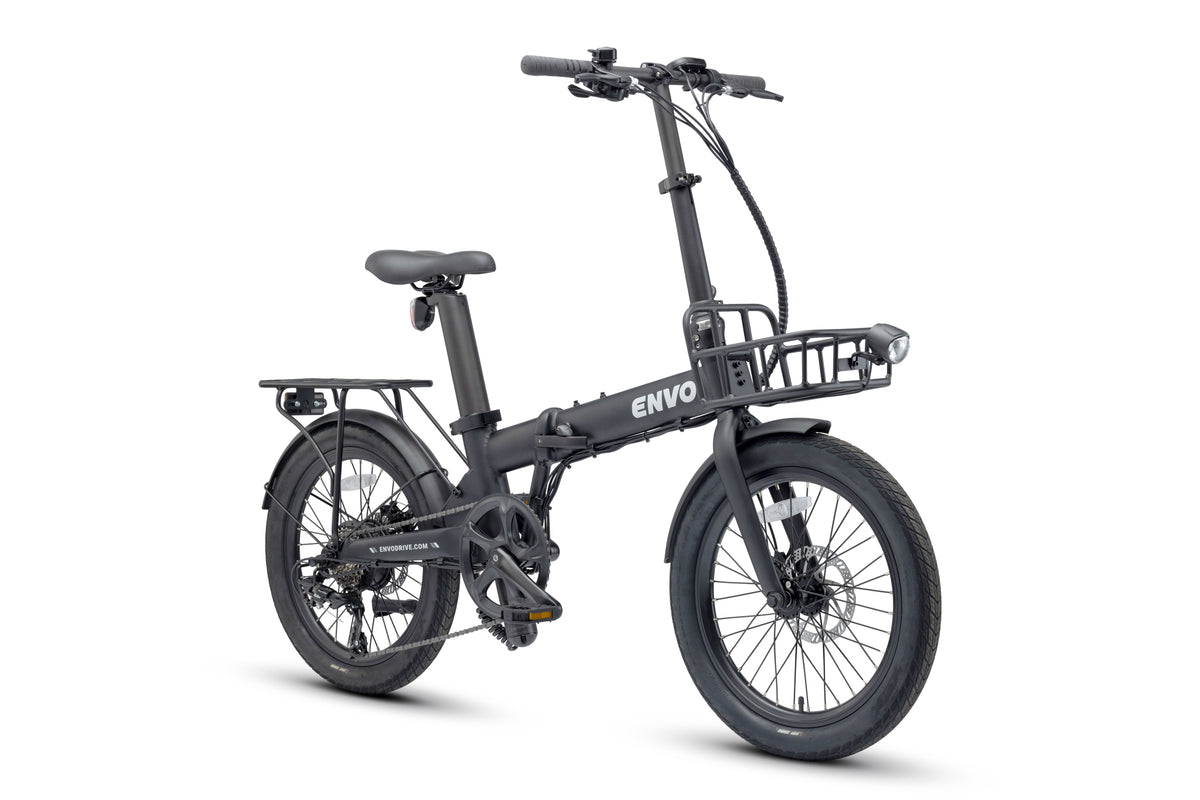
If you want to see what an integrated Canadian model looks like across price points, the EbikeBC electric bike collection and the UL-certified e-bike collection are both useful comparison points. Specific use cases line up reasonably cleanly — the ENVO D50 is the Canadian-assembled counterpart for commuter-style riding, the ENVO Lynx 20 covers compact urban and fat-tire territory, and the ENVO ST50 covers the step-through niche.
What This Means for Warranty Enforcement
Warranty enforcement is less about brochure language than about process.
If the retailer is strong, the distributor is organized, and the manufacturer supports the channel, claims can be resolved smoothly. If not, customers can get stuck in the familiar gray zone where each layer points to another and nobody owns the resolution. That's true of any distributor-based brand, not just Aima.
Because AIMA's Canadian model is retailer- and distributor-led, the practical question is not just "What is the warranty?" but "Who actually administers it in Canada, and how quickly can they source the remedy?" The published terms cover 2 years on the frame, 2 years on the power-assist system, 2 years or 300 cycles on the battery, and 1 year on mechanical components — reasonable on paper. The question is execution.
Smart Buyer Questions Before Purchase
- Is this shop an authorized AIMA partner, or just stocking a few units?
- Who actually handles warranty approval — the shop, UNIVELO, or AIMA?
- Are common parts (controllers, displays, batteries) stocked in Canada or shipped on demand?
- Does the shop perform in-house diagnostics, or do bikes get sent out?
- What happens if a controller, display, or battery issue appears in year two?
A confident dealer should be able to answer all five without hesitation. If they can't, the warranty is only as strong as the next phone call — and you should price that risk into the decision. Our broader e-bike buying guide goes deeper into the questions every buyer should ask before signing.
What This Means for Parts Availability
The evidence here is mixed but encouraging in the short term. UNIVELO appears to stock real replacement components and accessories, including AIMA/Bafang displays and controllers — not just complete bikes. It positions itself as a Bafang service and parts resource for Canadian dealers, which is meaningful because Bafang is a globally recognized drive system with a large parts ecosystem.
That said, the long-term question is depth, not just existence. A few listed SKUs don't prove broad parts resilience over many years, especially for model-specific electronics, frame hardware, proprietary mounts, or future battery compatibility. Parts availability is strongest when a brand has either very deep domestic inventory or a long demonstrated history of replenishment. Because AIMA's Canadian channel is still young, that longer track record hasn't yet been established.
If you're planning to keep the bike five years or more, the parts question matters more than the sticker price. A bike you can't service in year four is worth less than a slightly more expensive bike whose maker still answers the phone.
What This Means for Long-Term Support
This is where the age of the Canadian operation matters most.
AIMA the parent is established — 1999 founding, publicly listed, 80+ million bikes sold globally. UNIVELO the Canadian distributor is new. Those two facts can coexist. Buyers should separate them. A large manufacturer with global ambitions is not the same thing as a mature Canadian support ecosystem.
In the best-case scenario, UNIVELO grows into a stable national parts-and-service backbone, more dealers come on board, parts inventory deepens, and Canadian owners benefit from local responsiveness over time. In the weaker scenario, the network remains thin and support stays highly dependent on a small number of channel partners.
Neither outcome is guaranteed yet. That's the honest framing — not "this is going to fail," and not "this is already mature." It's a young Canadian operation that will prove itself, one way or the other, over the next several years of actual ownership stories.
Frequently Asked Questions
The Bottom Line: Be Informed Before Buying
AIMA Mobility in Canada is not a mystery. The structure is visible: Aima Technology Group in China makes the bikes; UNIVELO, a newly established Quebec-based company announced November 28, 2024, serves as the exclusive Canadian distributor; partner bike shops sell and support the bikes locally.
That model is not inherently bad. In fact, it's a normal and often sensible way for an overseas brand to enter a new market. But it does shift some of the ownership risk away from the factory brand name and onto the strength of the local distribution and retail chain — a chain that, in Canada, is still under 18 months old.
For Canadian buyers, the takeaway is simple: don't just evaluate the bike. Evaluate the support structure behind it. Ask who stocks parts, who approves warranty claims, who services the electronics, and what happens if you need help three years from now. If you want a fully Canadian-owned alternative with a more direct customer relationship, the Canadian-assembled lineup at EbikeBC is the obvious comparison point — and our guide to how to choose the right commuter e-bike can help frame the trade-off.
With a new brand-distributor pairing, the real product is not only the e-bike. It's the whole system standing behind it.
Want a Canadian-Owned E-Bike Instead?
Explore the Canadian-owned, Canadian-assembled ENVO lineup — direct manufacturer relationship, no distributor layer, and nearly a decade of Canadian operating history.
Disclaimer: This article is for informational purposes only and reflects publicly available information as of May 2026, including the November 28, 2024 PR Newswire announcement of the UNIVELO-AIMA distribution agreement, Aima Technology Group's published 2024 annual disclosures, and public information from univelo.ca and aimamobility.ca. Distribution arrangements, warehouse locations, service-center scope, and warranty processes may change. We are not affiliated with Aima Technology Group, Aima Mobility Canada, or UNIVELO. Always verify current terms directly with the manufacturer, distributor, or authorized retailer before purchasing. This article does not constitute legal, financial, or investment advice.