




Lectric eBikes Battery: What They Don't Disclose
Lectric discloses voltage, watt-hours, and UL certification. But the battery cell brand? That's missing. Here's what Canadian buyers should know.
Table of Contents
Why the Battery Is the Most Important Component
When most people shop for an electric bike, they focus on motor power, frame design, and accessories. That's understandable — those are the visible, tangible parts of the experience. But the single most important component on any e-bike is the one you rarely see: the battery.
The battery is typically the most expensive individual component on the bike, often representing 30-40% of the total cost. It determines your range, your charging time, and your long-term ownership cost. It's also the component most likely to degrade over time, and the one most likely to cause a safety incident if poorly manufactured. A motor can last a decade with minimal maintenance. A battery is a consumable — its performance declines with every charge cycle, and the rate of that decline depends almost entirely on the quality of the cells inside.
For Canadian buyers specifically, battery quality has an additional dimension: cold weather performance. Lithium-ion cells from premium manufacturers are engineered and tested for performance across temperature ranges, including sub-zero conditions. Generic cells may not have the same documented cold-weather specifications. When you're riding through a Canadian winter — or even a cool spring morning — the cells inside your battery pack are doing the actual work. Knowing what those cells are matters.
What Lectric Discloses
To be fair to Lectric, they do disclose more battery information than many budget e-bike brands. Their product pages and spec sheets typically include the key electrical specifications that buyers need for basic comparison shopping. Here's what's publicly available:
Lectric's disclosed battery specs:
• Voltage: 48V across current models
• Amp-hours (Ah): Varies by model (13Ah to 17.5Ah)
• Watt-hours (Wh): 624 Wh to 840 Wh depending on model
• UL 2271 battery certification: Yes, on current models
• UL 2849 complete system certification: Yes, on current models
• Battery chemistry: Lithium-ion (Li-ion)
These are genuine positives. The voltage and watt-hour ratings let you compare capacity across brands. The UL 2271 certification means the battery pack itself has been tested to recognized safety standards for cell-level safety, including overcharge protection, short circuit testing, and thermal runaway resistance. UL 2849 covers the complete electrical system. These certifications are not trivial to obtain, and Lectric deserves credit for achieving them — many competing budget brands have not.
But there's a notable gap in what's disclosed. And it's the single most important detail about any lithium-ion battery pack.
What They Don't Disclose
Search Lectric's product pages, spec sheets, FAQ, and support documentation, and you'll find one critical detail conspicuously absent: the brand of the lithium-ion cells inside the battery pack.
Missing information: Lectric does not publicly identify the manufacturer of the battery cells used in their e-bike battery packs. The cell brand — the single most important factor in battery longevity, cold-weather performance, and long-term safety — is not disclosed on product pages, spec sheets, or publicly available documentation.
This isn't a minor omission. The cell brand is to a battery pack what the engine manufacturer is to a car. Two battery packs can have identical voltage, identical amp-hour ratings, and identical watt-hour capacity — and perform dramatically differently over time based entirely on who made the cells inside. One pack might retain 80% capacity after 800 charge cycles. Another might drop to 60% after 400. The difference is the cells.
When a manufacturer doesn't disclose the cell brand, there are really only two possible explanations: either the cells come from a premium manufacturer and the company is simply not marketing that advantage (unlikely — it would be a strong selling point), or the cells come from a lesser-known manufacturer and the company has made a deliberate decision not to draw attention to that fact. Neither explanation is reassuring for buyers making a multi-thousand-dollar purchase decision.
Why Cell Brand Matters
Not all lithium-ion cells are created equal. The global lithium-ion cell market includes a handful of premium manufacturers — LG, Samsung SDI, Panasonic, and a small number of others — whose cells are used in applications ranging from electric vehicles to medical devices. These manufacturers invest billions in research, quality control, and testing. Their cells come with published datasheets that document cycle life, energy density, temperature range performance, and degradation curves under specific conditions.
Below that tier sit dozens of cell manufacturers — many based in China — producing cells at lower price points. Some of these are perfectly adequate. Others cut corners on materials, quality control, or testing. The problem for consumers is that without knowing the cell brand, there's no way to evaluate which category your battery falls into.
Here's what premium cells from known manufacturers provide that generic cells may not:
Documented cycle life: Premium cells come with published specifications showing capacity retention over hundreds or thousands of charge cycles. LG M50T cells, for example, are documented to retain approximately 80% capacity after 500 full charge cycles under standard conditions. Without a cell brand, there's no published specification to reference — you're relying entirely on the manufacturer's claims rather than independently verifiable cell-level data.
Cold-weather specifications: Premium manufacturers test and document their cells' performance at low temperatures. This is particularly relevant for Canadian buyers who may ride in conditions approaching or below freezing. Generic cells may work fine at room temperature but deliver significantly reduced range and power in cold conditions.
Consistency and quality control: Premium cell manufacturers maintain tight tolerances on cell capacity, internal resistance, and other parameters. This consistency matters in a battery pack where cells are connected in series and parallel — a pack is only as good as its weakest cell. Inconsistent cells lead to uneven degradation and reduced pack life.
How This Compares to Canadian Brands
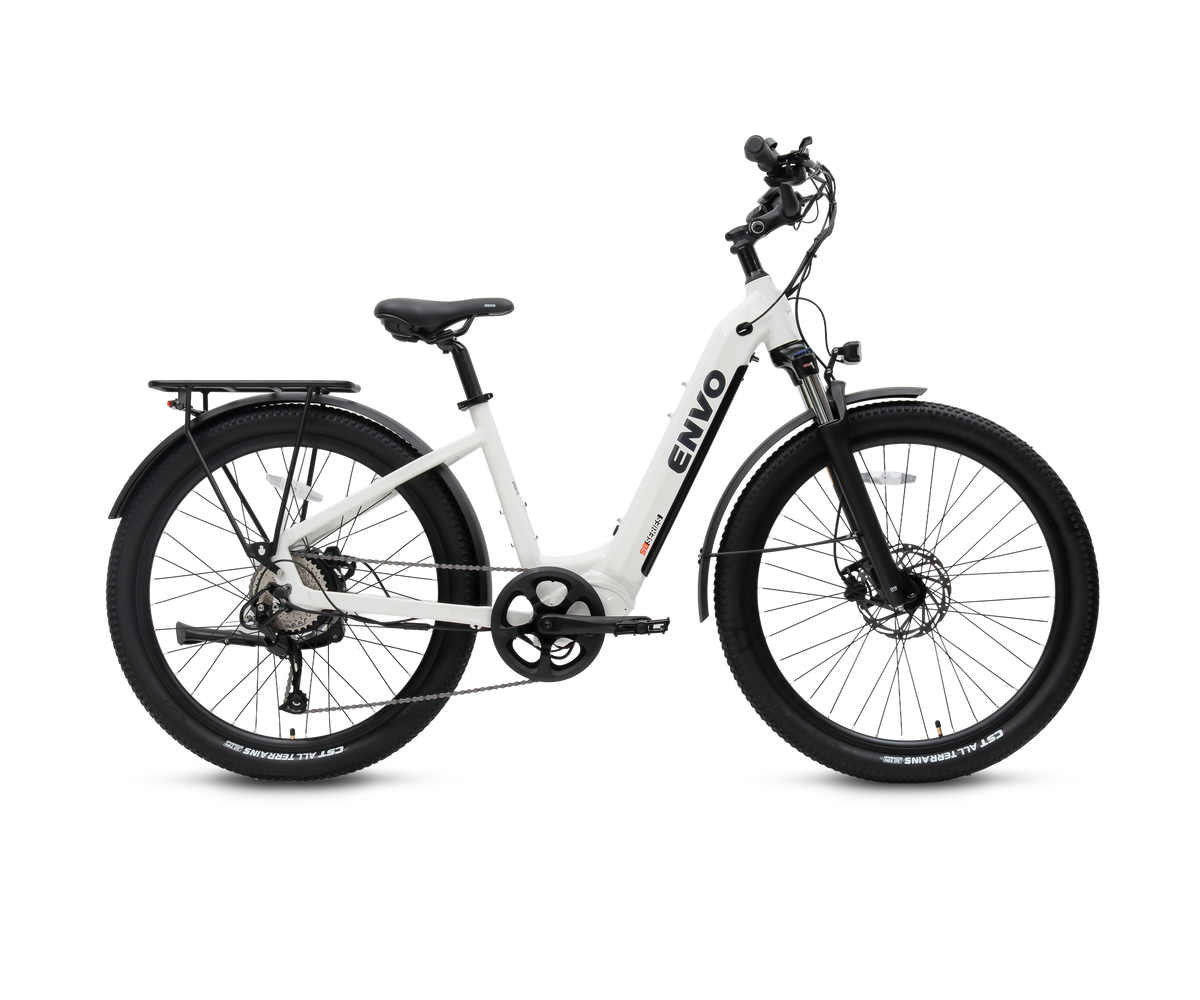
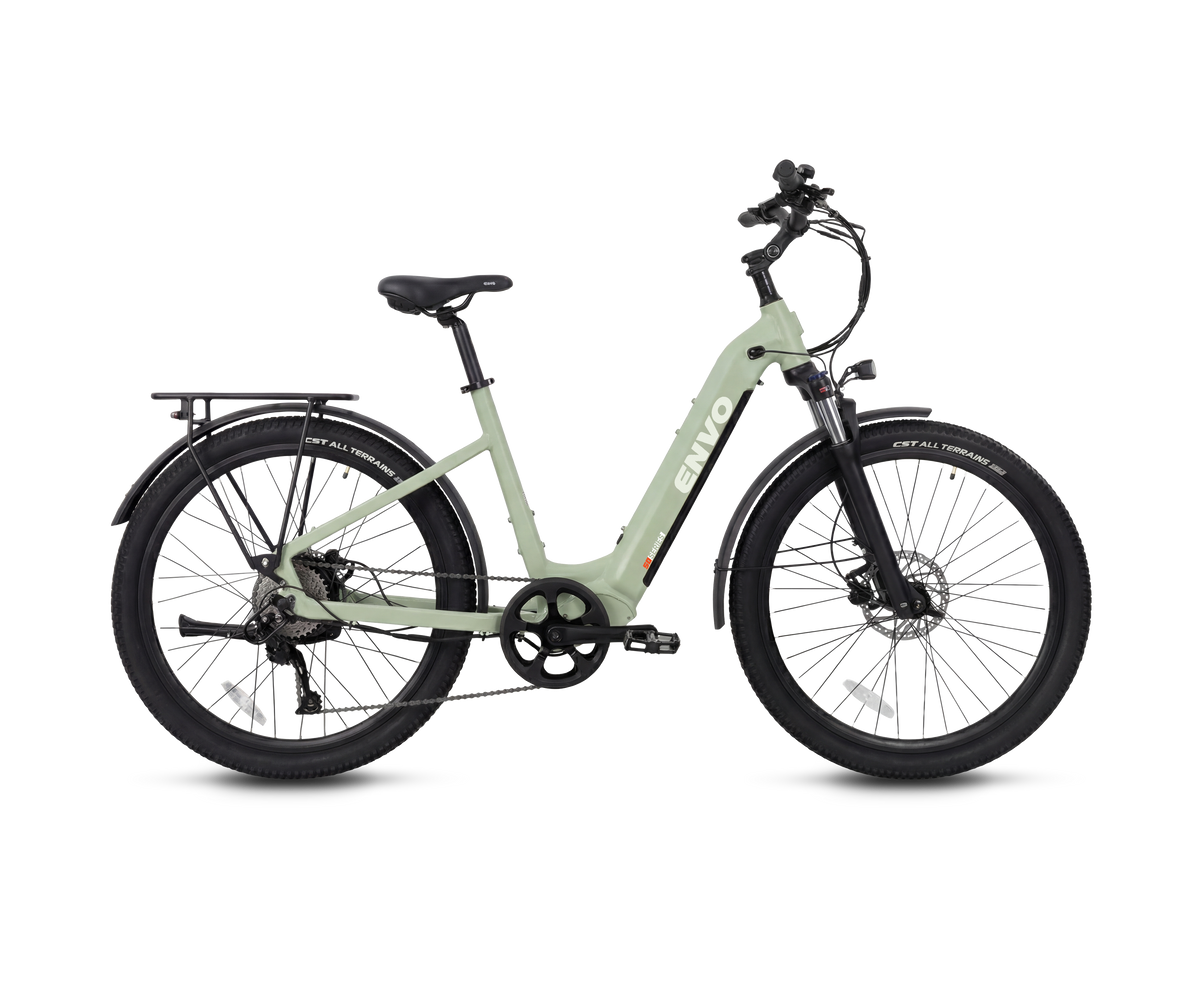
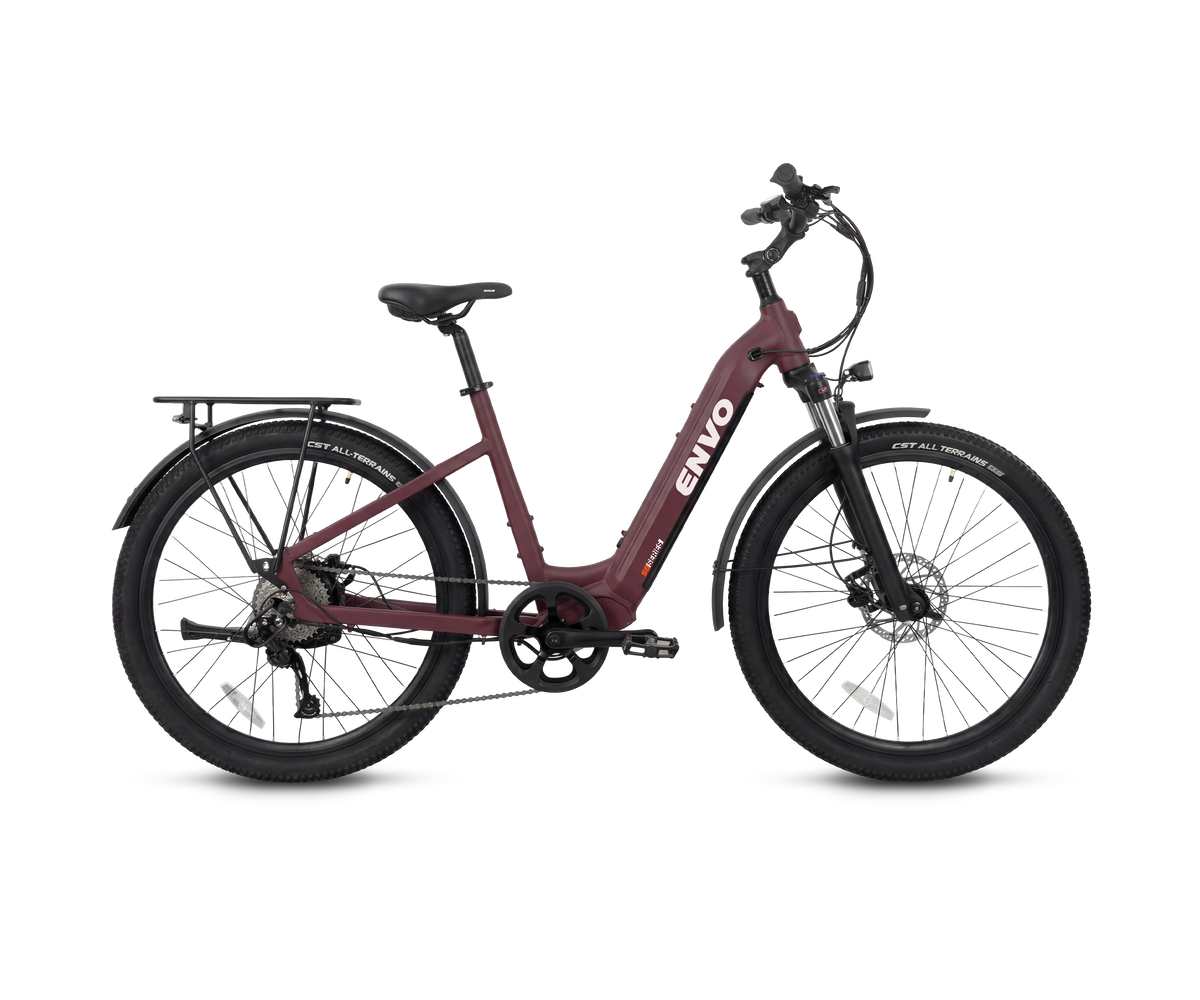
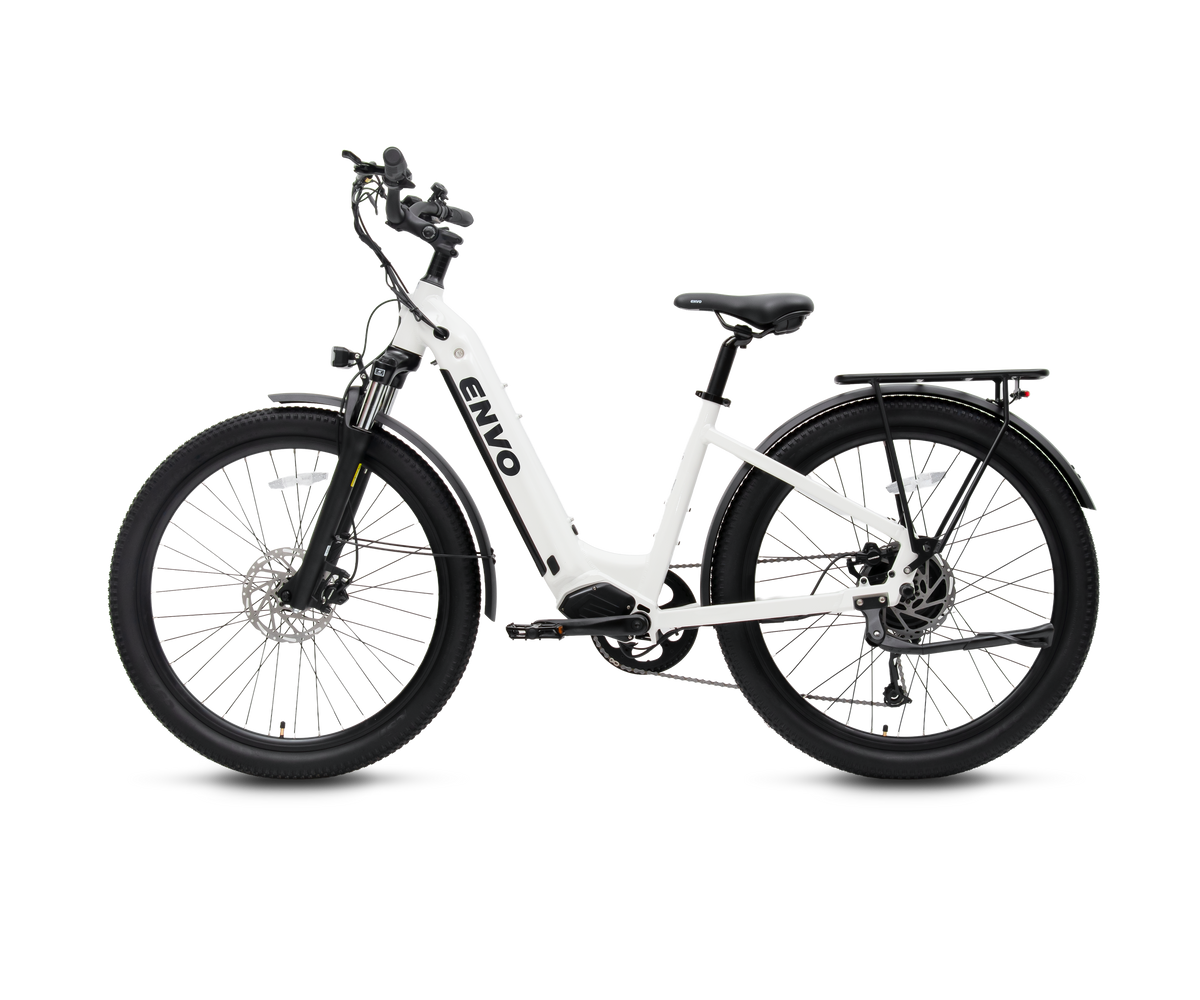
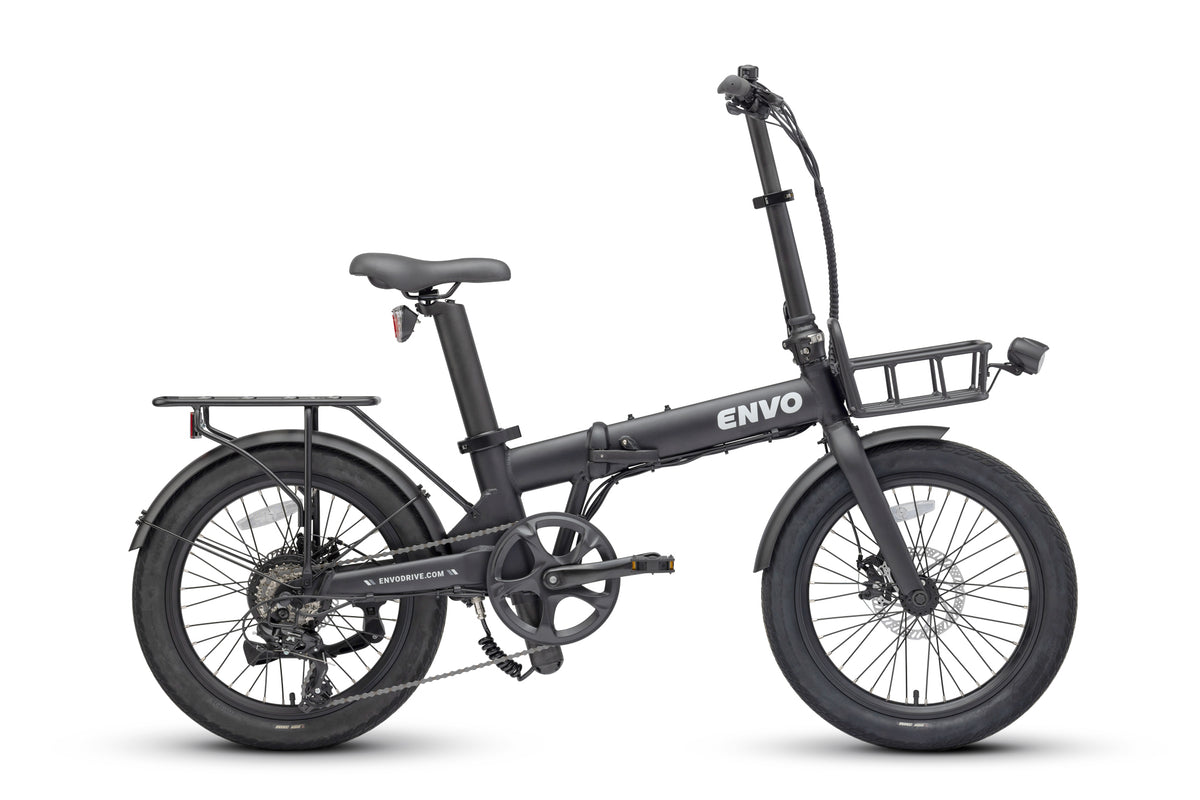
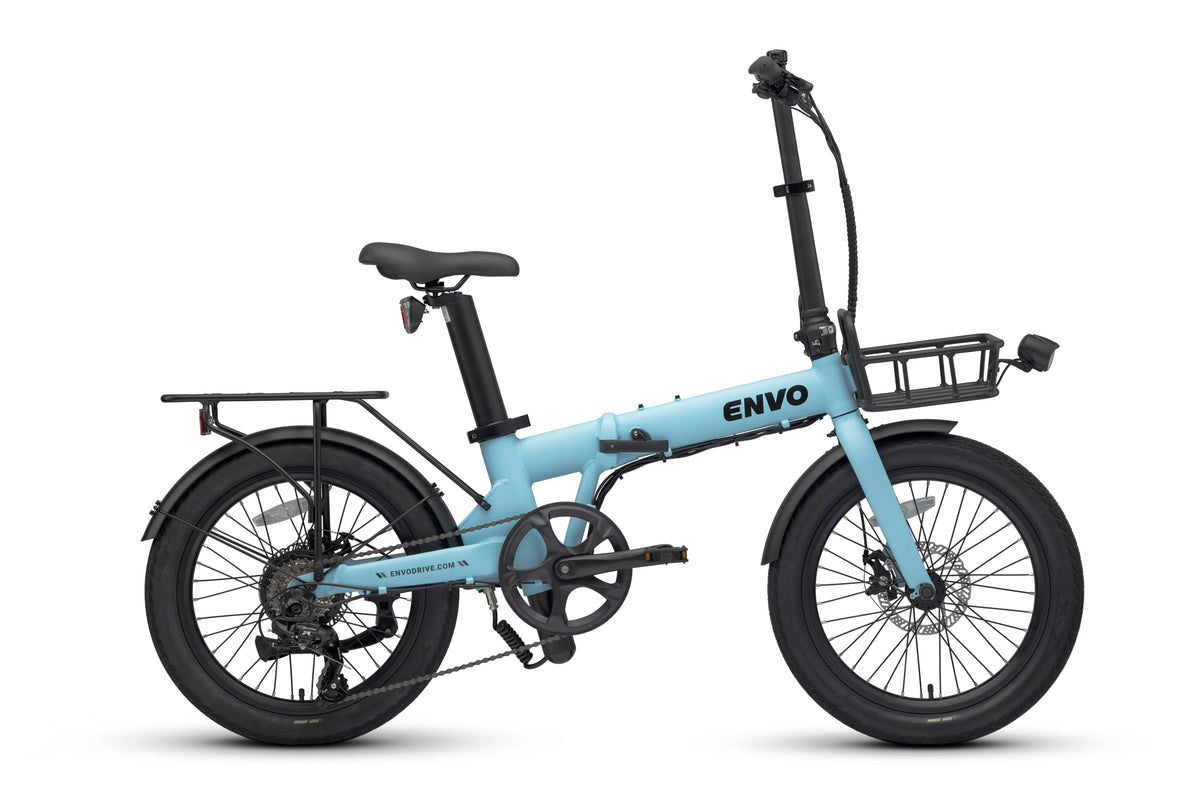
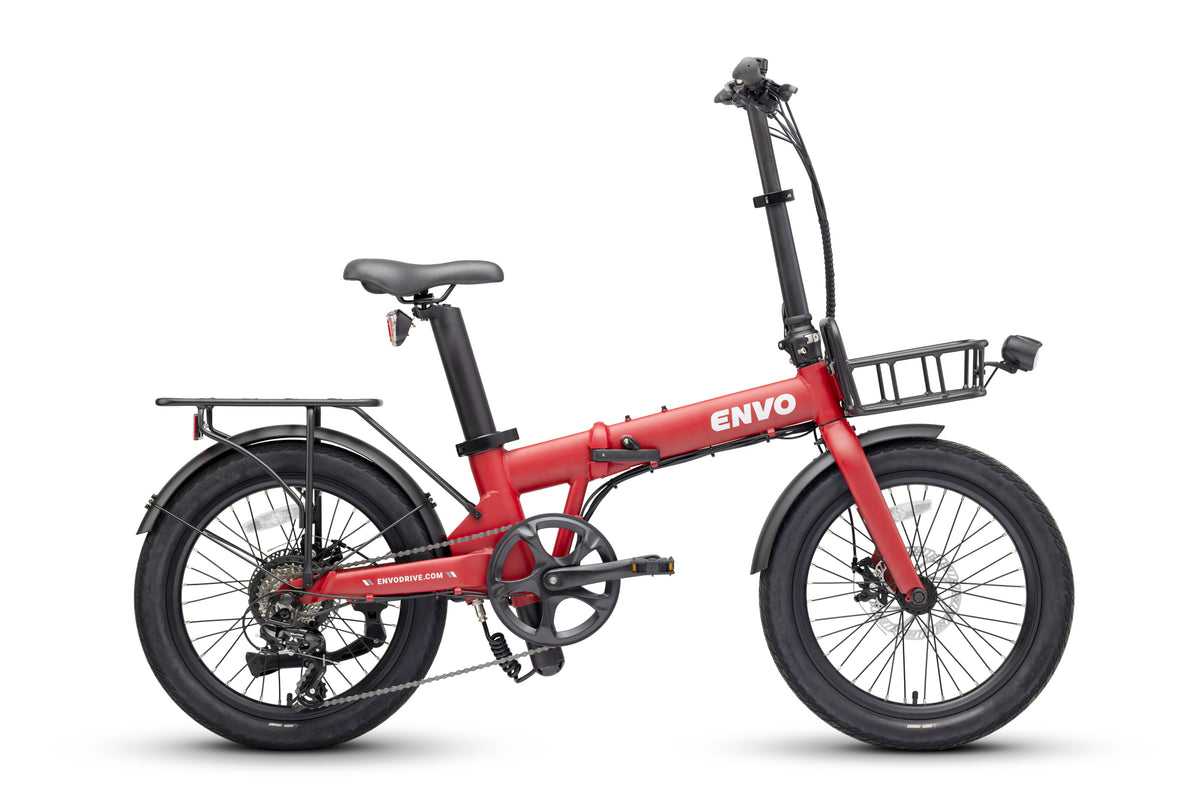
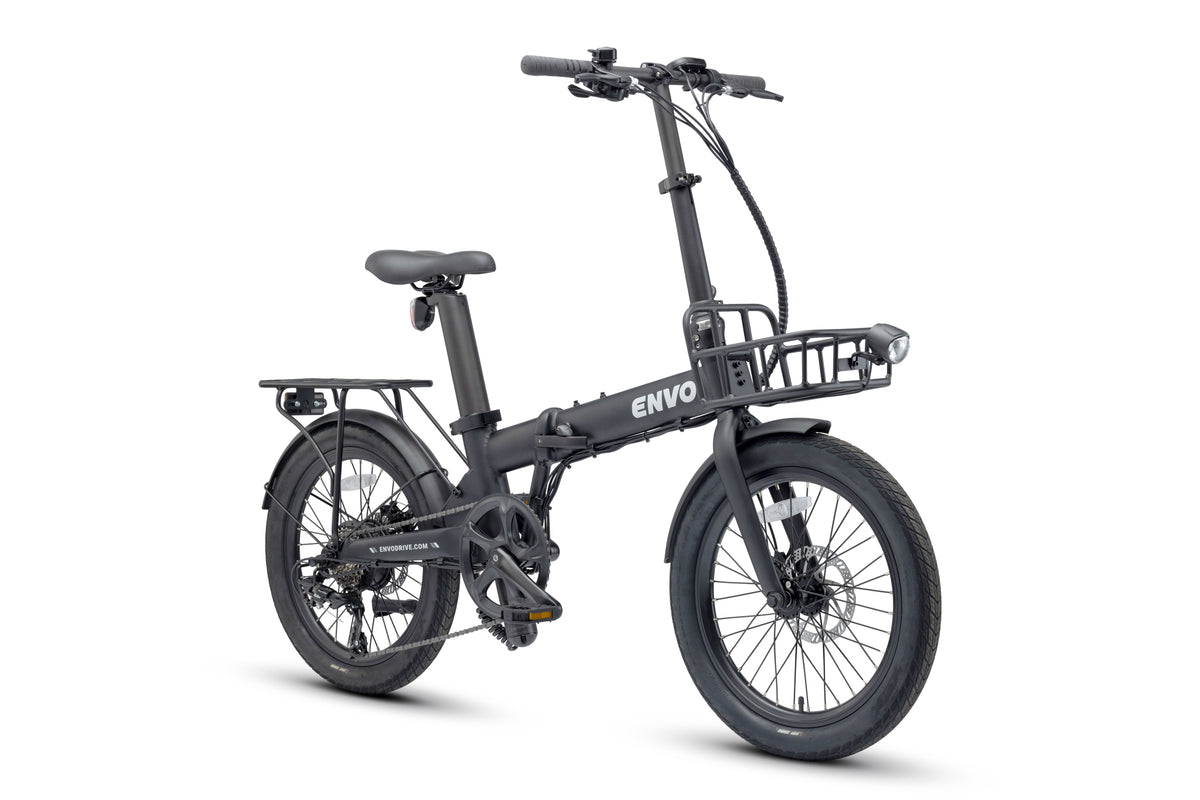
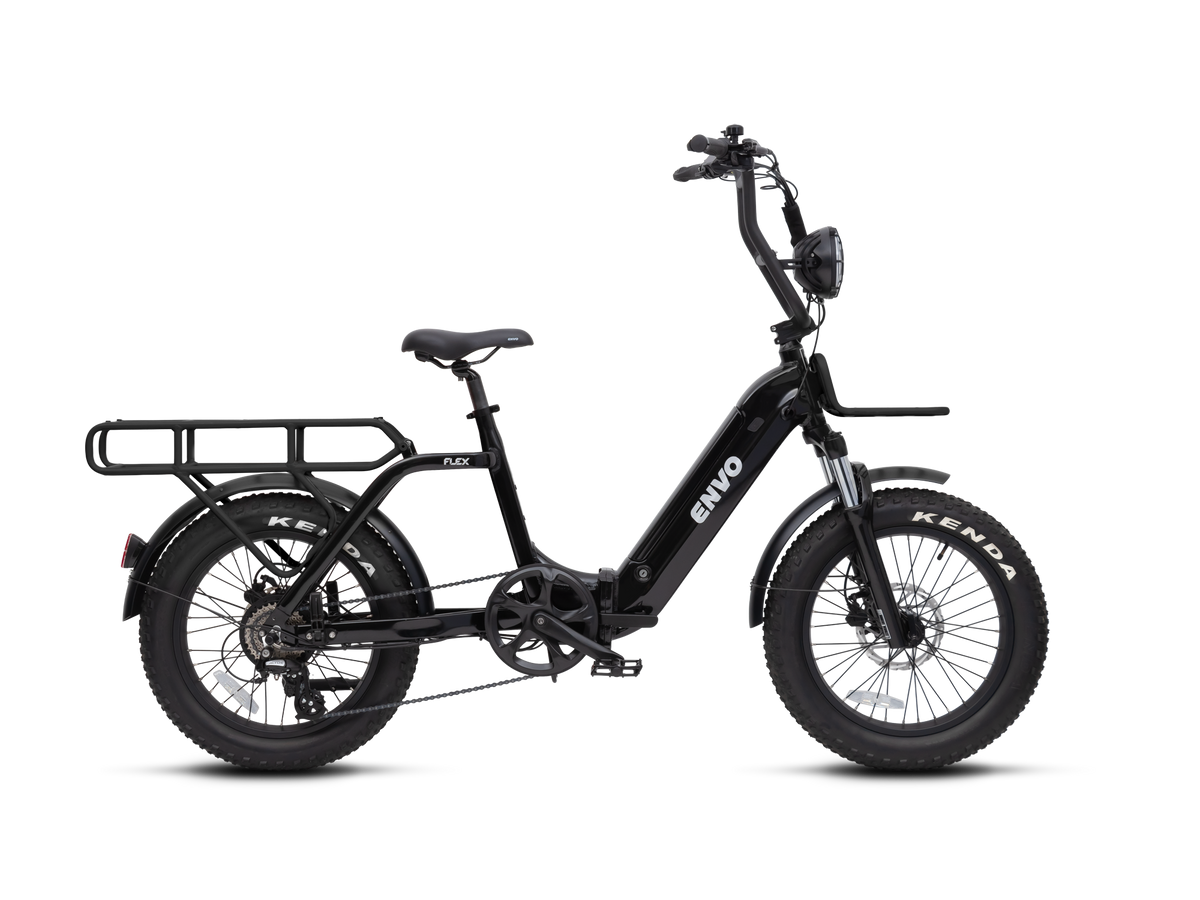
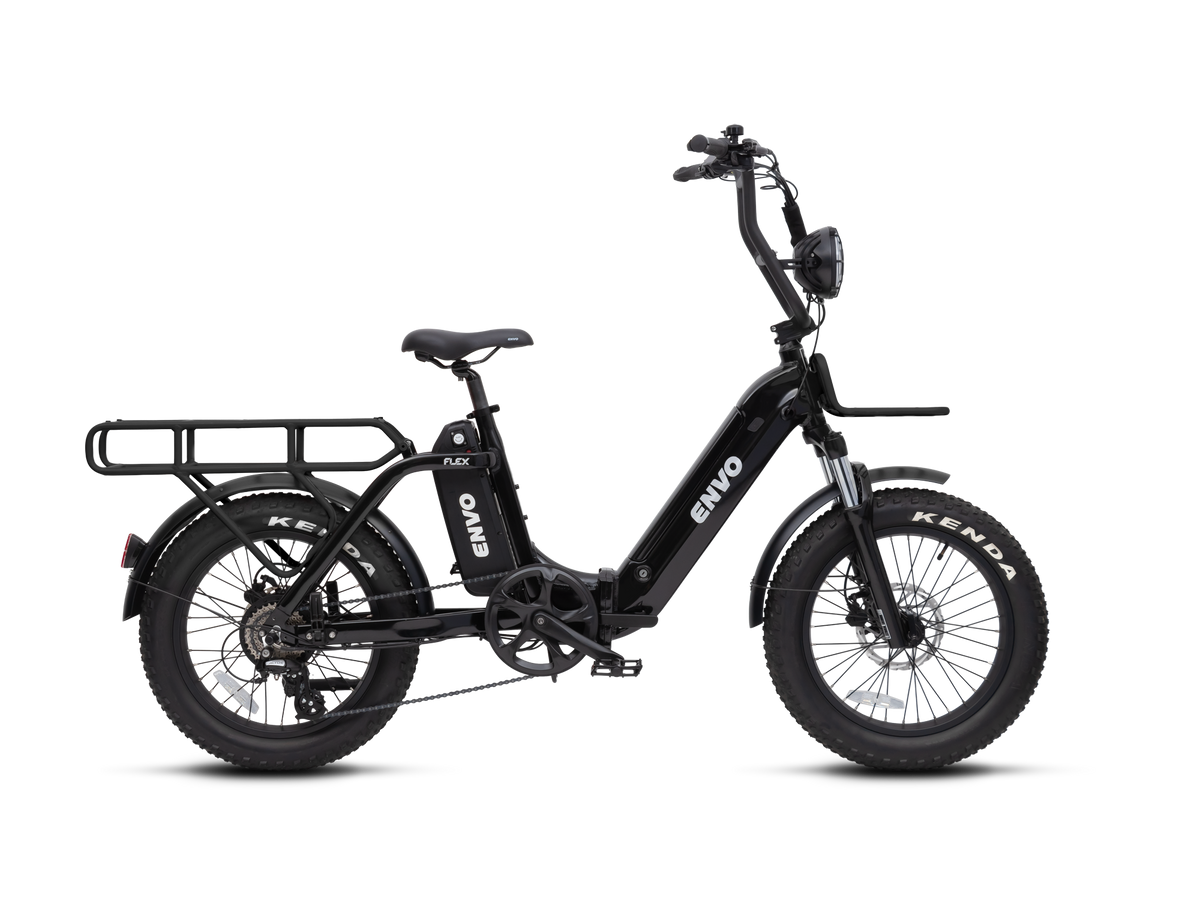
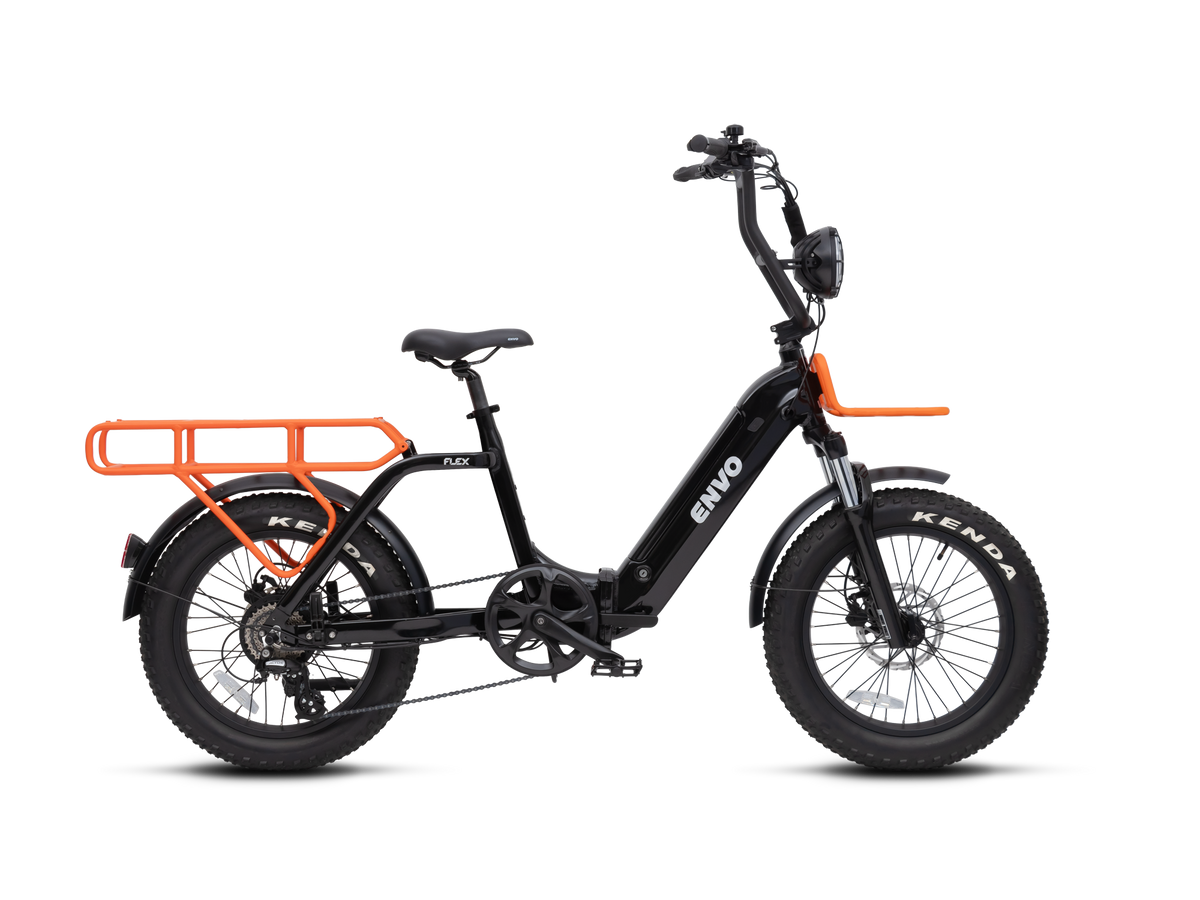
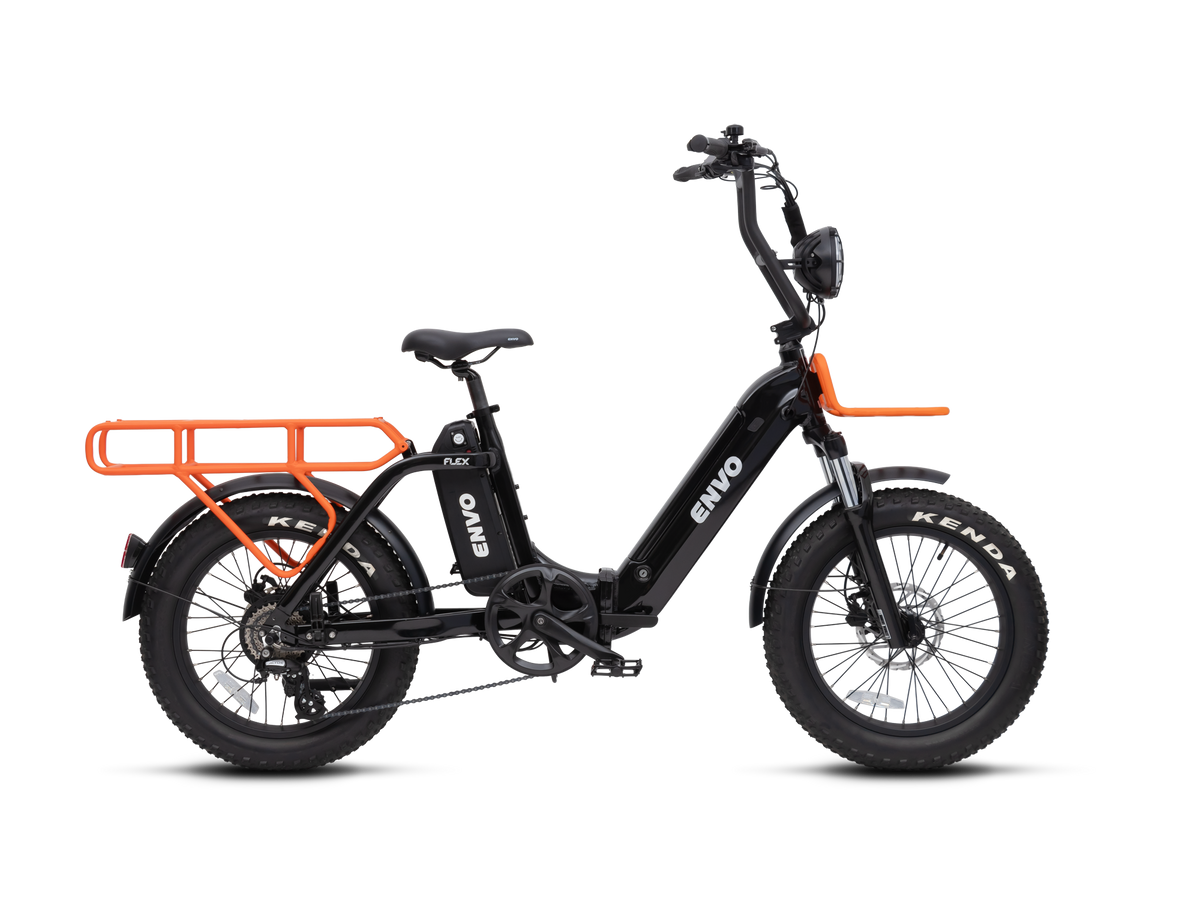
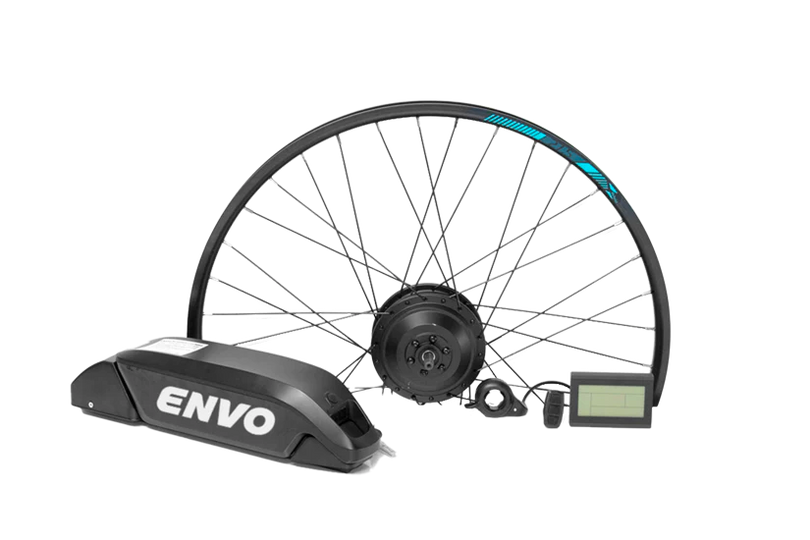
The transparency gap becomes more apparent when you compare Lectric's disclosure practices with those of Canadian e-bike manufacturers. ENVO, a Canadian brand based in Burnaby, BC, publicly identifies the cell brands used in their battery packs — LG and Panasonic cells, depending on the model. This isn't marketing spin; it's verifiable information that allows buyers to look up the actual cell datasheets and understand what they're purchasing.
The difference in approach extends beyond just a name on a spec sheet. When a manufacturer discloses the cell brand, they're effectively making a verifiable claim. You can look up an LG M50T cell and find its published cycle life, temperature range, and energy density. When a manufacturer doesn't disclose the cell brand, you have no independent reference point — you're trusting the assembler's word on performance and longevity rather than the cell manufacturer's published data.
| Factor | Lectric | ENVO |
|---|---|---|
| Cell Brand | Not disclosed | LG / Panasonic |
| UL 2271 (Battery) | Yes | Yes |
| UL 2849 (System) | Yes | Yes |
| Capacity Range | 624 – 840 Wh | 720 – 1,560 Wh |
| Published Cell Datasheet | Not available | Available via cell manufacturer |
| Cold-Weather Specs | Not documented at cell level | Documented by LG / Panasonic |
This isn't about claiming Lectric batteries are unsafe — their UL certifications indicate they've passed recognized safety testing. It's about the depth of information available to buyers making a decision. With ENVO, you can verify the battery quality independently. With Lectric, you're taking their word for it.
Beyond the Battery: The Broader Build Quality Pattern
The battery transparency gap is part of a larger pattern. Lectric's aggressive pricing requires cost-cutting across every component — and owner forums document the results beyond just the battery.
- Controller failures: Repeated error codes (E010, E007), sudden power loss — the controller is the component most directly connected to battery management.
- Brake problems: Beyond the 45,000-unit CPSC recall, persistent squealing, warped rotors, and cheap pads.
- Motor noise: Harsh buzzing under load, pointing to inconsistent motor assembly quality.
- Finish quality: Paint chipping within weeks. Rough, inconsistent frame welds.
- Cheap components: Off-brand replacement parts described as "cheap Chinese knockoffs."
If Lectric won't disclose who makes their battery cells — the single most expensive and safety-critical component — it raises a reasonable question: what else about the component sourcing is optimized for price rather than quality? The pattern across controllers, brakes, motors, and finish quality suggests the answer is "everything."
Bottom Line
Lectric's UL 2271 and UL 2849 certifications are genuine positives that set them apart from many budget e-bike brands. They disclose voltage, capacity, and watt-hour ratings — the basic specs buyers need for comparison. These are real advantages and they deserve recognition.
But the absence of cell brand disclosure is a meaningful transparency gap. The battery cells are the single most important factor in long-term performance, degradation rate, cold-weather range, and replacement cost. When a buyer spends $2,000 or more on an e-bike, they deserve to know what's inside the most expensive and most critical component.
Our recommendation: ask Lectric directly about cell sourcing before purchasing. A reputable manufacturer should be willing to share this information with a prospective buyer, even if they don't publish it on their website. If the answer is vague or evasive, that tells you something about the company's approach to transparency. And if battery longevity, cold-weather performance, and verifiable specifications matter to you — particularly as a Canadian buyer — consider brands that disclose this information upfront.
Want Full Battery Transparency?
ENVO e-bikes use LG and Panasonic cells with published specifications, UL certification, and Canadian warranty support. No guesswork required.
Browse ENVO E-Bikes at EbikeBC →Information in this article is based on publicly available specifications and documentation as of April 2026. Lectric eBikes may update their disclosure practices at any time. UL certification status reflects current models at time of publication and should be verified directly with the manufacturer before purchasing. This article contains affiliate links; we may earn a commission if you purchase through our links at no additional cost to you. All opinions are our own based on independent research.