

“North America’s #1 E-Bike” — Does Lectric’s Marketing Hold Up?
"North America's Favourite E-Bike." 500,000+ sold. But does volume equal quality? We examine Lectric's biggest marketing claims.
Table of Contents
Introduction
Visit Lectric's website and you'll see the tagline prominently displayed: "North America's Favourite E-Bike." Their marketing materials cite 500,000+ units sold, making them the highest-volume direct-to-consumer e-bike brand on the continent. These are bold claims — and they're not entirely wrong. But they deserve scrutiny, because what Lectric's marketing says and what it means are two very different things.
This isn't a hit piece. Lectric has genuinely accomplished something impressive: they've made electric bikes accessible to a massive audience at price points that traditional bike brands can't match. But marketing language is designed to sell, not to inform. And when you're spending $1,000+ on a vehicle you'll ride on public roads, you deserve to know what the slogans actually prove — and what they conveniently leave out.
The Volume Claim: 450K+ Units in 5 Years
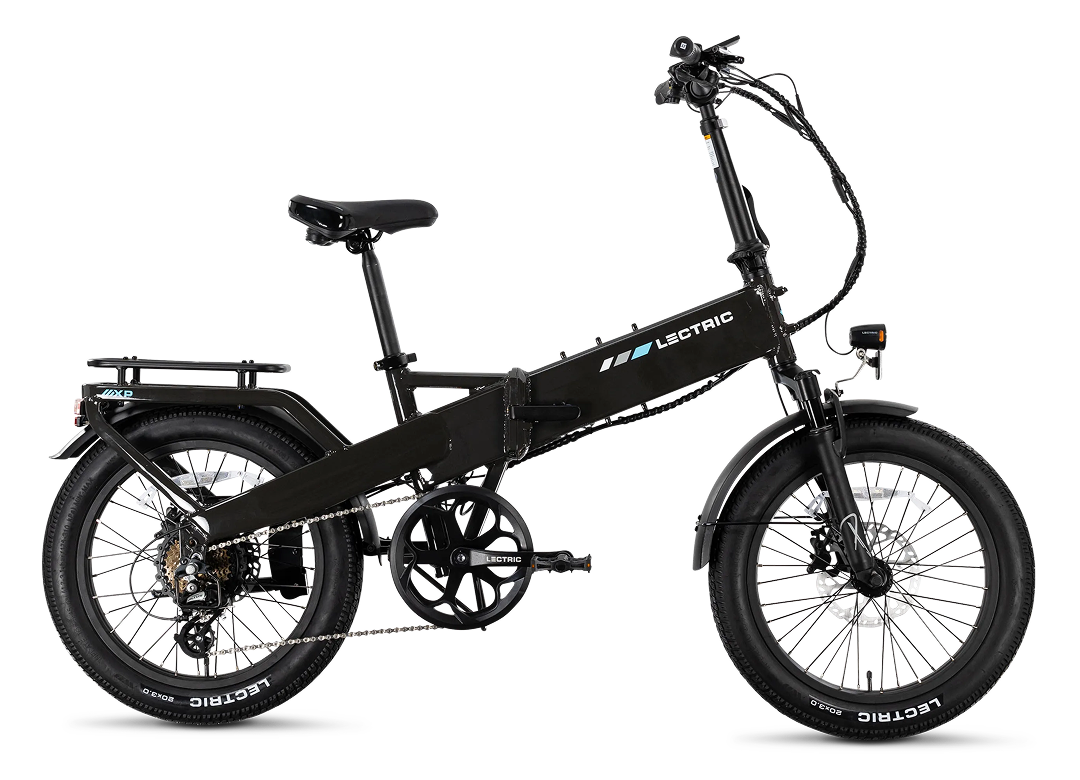
Lectric's sales volume is genuinely impressive. Founded in 2019, the company reached its 450,000+ unit milestone in roughly five years — a pace that no other DTC e-bike brand has matched. For context, Rad Power Bikes, once considered the category leader, filed for bankruptcy in late 2025 after selling fewer total units over a longer period. Lectric didn't just survive the DTC e-bike shakeout — they thrived.
The volume is real and verifiable through public statements, recall filings (which require unit-count disclosure), and industry reporting. When Lectric says they've sold over 450,000 e-bikes, there's no reason to doubt the number. The question isn't whether the claim is true — it's whether it proves what marketing implies it proves.
High volume tells you one thing with certainty: Lectric has found a price-to-product formula that resonates with a massive audience. Their XP series — foldable, affordable, and fun to ride — hit a sweet spot that no competitor has replicated at the same scale. That's a genuine achievement in product-market fit.
But volume doesn't tell you about quality, durability, customer satisfaction, or long-term reliability. McDonald's sells more hamburgers than any restaurant in the world. That makes them the most successful hamburger brand. It doesn't make them the best hamburger.
What "Favourite" Actually Means
The word "favourite" does a lot of heavy lifting in Lectric's tagline. In marketing, "favourite" implies that if you surveyed e-bike owners, more would choose Lectric than any other brand. But Lectric isn't using "favourite" in that sense. They're using it as a synonym for "most sold" — which is a fundamentally different claim.
"Most sold" means "most people chose to buy this." It reflects initial purchase decisions, not post-purchase satisfaction. It reflects price accessibility more than product excellence. And it reflects the buying conditions of 2020–2025 — a period when pandemic demand, stimulus spending, and limited competition created a market where affordable DTC brands had an outsized advantage.
Consider the analogy: Toyota Corolla has been the best-selling car in the world for decades. It's reliable, affordable, and practical. But no one calls it the world's "favourite car." Favourite implies emotional preference, not market share. Lectric's marketing intentionally blurs this distinction to convert a volume achievement into a quality perception.
A more accurate tagline would be: "North America's best-selling affordable e-bike." That's still impressive. It's just not as emotionally compelling as "favourite" — which is precisely why they don't use it.
The Review Reality
If "favourite" implied customer satisfaction, you'd expect consistent review scores across platforms. Instead, Lectric's review landscape is dramatically split:
This split is revealing. Trustpilot captures early ownership enthusiasm — reviews written in the first weeks, when the bike is new and exciting. BBB captures the opposite end: customers frustrated enough to file formal complaints, typically after the honeymoon period when warranty issues, parts delays, or service failures emerge.
Neither score tells the whole story, but together they paint a picture of a brand that delivers a great initial experience and a less consistent long-term one. That's a valid business model — and many buyers genuinely are happy with their Lectric — but it's not what "favourite" implies. A brand that's truly a favourite would show strong scores across all platforms, not a 2.6-point gap between its best and worst review sources.
The Recall Context
In 2024, Lectric issued a voluntary recall affecting approximately 45,000 units due to a handlebar stem issue that could pose a fall hazard. Lectric handled the recall responsibly — notifying owners, providing a fix, and working with the CPSC. That's exactly how a responsible brand should handle a safety issue, and they deserve credit for it.
The scale matters: 45,000 recalled units represents roughly 10% of Lectric's total sales during their first five years of operation. One in ten bikes sold had a safety defect significant enough to warrant a federal recall. Lectric's marketing doesn't mention this recall — and there's no legal requirement to do so — but for buyers evaluating the brand, it's relevant context. A recall doesn't make a brand bad (most major manufacturers have them), but a 10% recall rate is notable, and buyers should factor it into their assessment alongside the marketing claims.
It's worth noting that the ability to issue a recall is itself an advantage over Amazon e-bikes, which have no recall infrastructure at all. Lectric's CPSC registration means safety issues can be identified, communicated, and resolved. But the recall also demonstrates that high-volume production at low prices creates quality control challenges. When you're shipping hundreds of thousands of units per year at industry-low margins, the probability of systemic defects increases — and the financial pressure to catch them before shipping intensifies.
What Marketing Doesn't Say
Every brand's marketing highlights strengths and omits weaknesses. That's normal. But Lectric's omissions are worth cataloguing because the gap between their marketing narrative and the full picture is wider than average.
What Lectric's marketing consistently omits:
- 1-year warranty. Lectric's warranty is 12 months — the minimum in the industry. Most established brands offer 2 years. Some offer 3+. Marketing materials emphasize the product without mentioning how briefly the company stands behind it.
- China manufacturing. Lectric designs in Phoenix but manufactures entirely in China. There's nothing inherently wrong with Chinese manufacturing — most e-bikes use it — but Lectric's branding emphasizes "Phoenix, AZ" while omitting the country of manufacture. The implication is American-made. The reality is American-designed, Chinese-made.
- Phoenix arbitration clause. Lectric's terms of service require all disputes to be resolved through binding arbitration in Phoenix, Arizona. This effectively eliminates legal recourse for Canadian buyers, who would need to travel to the US and engage in a US legal process to resolve any dispute.
- Restrictive return policy. Marketing emphasizes easy purchasing but doesn't highlight the return terms: return shipping (buyer pays), and the bike must be unridden to qualify for a full refund. For Canadian buyers, return shipping alone can cost $150–$250.
- BBB customer score. Lectric's marketing never references their 1.86/5 BBB customer score. They hold an A+ accreditation (which means they respond to complaints), but the customer satisfaction score tells a different story.
- Undisclosed battery cells. While Lectric's batteries carry UL 2849 certification (which is meaningful), the company doesn't publicly disclose the cell manufacturer. Premium brands use Samsung, LG, or Panasonic cells and say so. Lectric's silence on cell sourcing leaves a gap in transparency.
Again — none of these are unique to Lectric. Many DTC brands share these practices. But Lectric's marketing is unusually aggressive in its positive claims ("North America's favourite," 500K+ sold, A+ BBB rating), which creates a larger gap between the marketed image and the complete picture. When the marketing is louder, the omissions matter more.
A More Accurate Description
If we were writing Lectric's tagline based on the full evidence — achievements and limitations — what would it say?
What Lectric actually is: The most successful affordable mainstream e-bike brand in North America. They've sold more units than any DTC competitor, at price points that have made e-biking accessible to hundreds of thousands of riders who might not have tried it otherwise. Their bikes are UL 2849 certified, CPSC registered, and fun to ride. They're better than Amazon e-bikes on safety and accountability, but they offer fewer features, shorter warranties, and less service infrastructure than premium or Canadian dealer brands. They're the best at being cheap and cheerful — and there's real value in that.
That's not as catchy as "North America's Favourite E-Bike." But it's honest. And honest assessments are what buyers need when spending real money on a vehicle they'll depend on.
The distinction matters because "favourite" sets expectations that Lectric's product and service may not meet. A buyer who purchases "North America's favourite e-bike" expects best-in-class everything — quality, service, warranty, and ride experience. A buyer who purchases "North America's most successful affordable e-bike" calibrates their expectations accordingly: great value, adequate quality, limited service, budget components. The second buyer is more likely to be satisfied because their expectations match reality.
Bottom Line
Lectric's marketing claims aren't lies. They've genuinely sold 450,000+ units. They are the highest-volume DTC e-bike brand in North America. Their BBB accreditation is a real A+. These are facts. But facts in marketing are arranged to tell a story — and the story Lectric tells is more flattering than the complete picture warrants.
The volume claim proves market success, not product excellence. "Favourite" means "most purchased," not "most loved." The A+ BBB rating coexists with a 1.86/5 customer score. The 500,000+ units sold include approximately 45,000 that were recalled. And the marketing that celebrates these achievements carefully omits a 1-year warranty, Chinese manufacturing, Phoenix arbitration, restrictive returns, undisclosed battery cells, and a customer satisfaction gap that spans nearly 3 points between their best and worst review platforms.
The takeaway for Canadian buyers: Judge Lectric by its specs, policies, and real-world reviews — not by its slogans. Read the warranty terms. Read the return policy. Read the arbitration clause. Check the BBB customer reviews alongside Trustpilot. Compare the actual component specifications against alternatives. If, after all that, Lectric still looks like the right choice for your budget and needs, buy with confidence. But make that decision based on evidence, not on a tagline designed to make you feel like you're buying the best — when you're actually buying the most popular.
Popularity and quality sometimes overlap. But they're not the same thing — and marketing that treats them as interchangeable deserves scrutiny.
The Build Quality Behind the "#1" Claim
If Lectric is truly "North America's Favourite E-Bike," what does that say about what 450,000+ buyers actually received? Owner forums and Reddit threads tell a story that the marketing doesn't.
- Controller failures: Repeated error codes (E010, E007), sudden power loss, and replacement controllers that arrive defective. Multiple owners report bikes that "work for 4–5 minutes then quit."
- Brake problems: Beyond the 45,000-unit CPSC recall, owners report persistent squealing ("people from 1–2 blocks around turn to look"), warped rotors, and cheap metal pads.
- Motor noise: Harsh buzzing under load — one owner described it as "dragging a shovel." Reports point to inconsistent motor assembly quality.
- Finish quality: Paint chipping within weeks. Visibly rough, inconsistent frame welds documented on Reddit with photos.
- Cheap components: Off-brand replacement freewheels described as "cheap Chinese knockoffs," low-grade brake pads, and generic drivetrain parts.
This is what being "#1 by volume" actually looks like. Selling 450,000+ e-bikes at $999–$1,399 USD requires sourcing the cheapest possible components from Chinese OEM factories. The frames share designs with unbranded catalog bikes available on Alibaba. The controllers, motors, and brake components are spec'd to hit a price point, not a performance standard. You can be the most popular e-bike in North America or you can be the best-built — at Lectric's price points, you cannot be both.
Judge a Brand by Its Specs, Not Its Slogans
Compare Canadian e-bike brands on what matters: warranty, service, certifications, and real component specs.
Compare at EbikeBC.com →Claims and statistics referenced in this article are based on publicly available information as of April 2026, including Lectric's marketing materials, CPSC recall filings, BBB listings, and Trustpilot reviews. Sales volume figures are based on Lectric's own public statements. Recall unit counts are from CPSC public records. Review scores were observed at time of publication and may change. This article contains affiliate links; we may earn a commission if you purchase through our links at no additional cost to you. All opinions and analysis are our own.