


Vancouver has a growing network of cycling infrastructure — but where you can legally ride an e-bike is not always obvious. Different rules apply to streets, protected lanes, park paths, the Seawall, and sidewalks, governed by different by-laws and authorities.
Quick Reference: E-Bike Access by Location
| Location | E-Bikes? | Governing Rule |
|---|---|---|
| City streets | ✓ Yes | Street & Traffic By-law / Motor Vehicle Act |
| Protected bike lanes | ✓ Yes | City of Vancouver — explicitly permitted |
| Painted bike lanes | ✓ Yes | BC Motor Vehicle Act |
| Multi-use paths / greenways | ✓ Yes | BC Motor Vehicle Act |
| Seawall / Seaside Greenway | ✓ Yes (since 2024) | Parks Control By-law — amended April 2024 |
| Park cycling paths | ✓ Yes (since 2024) | Parks Control By-law — amended April 2024 |
| Sidewalks | ✗ No (unless signed) | Street & Traffic By-law |
| Park walking paths | ✗ No | Parks Control By-law |
| Park grass / beaches | ✗ No | Parks Control By-law |
Protected Bike Lanes: E-Bikes Explicitly Permitted
Vancouver's protected bike lanes explicitly list e-bikes as permitted users. Key corridors:
- Hornby Street — one-way protected lane, downtown to Drake; connects to the Seaside Greenway
- Dunsmuir Street — two-way protected lane through downtown; connects to the Hornby system
- Burrard Bridge — protected cycling path connecting downtown to Kitsilano
- 10th Avenue — main east-west corridor through Kitsilano and Fairview to UBC
- Ontario Street — north-south through Mount Pleasant to Cambie and Arbutus Greenway
- Point Grey Road — largely car-restricted, waterfront cycling in Kitsilano
At Hornby/Dunsmuir intersections, separate cycling signal phases operate independently from vehicle signals. Watch for the bike-specific signals — they run on their own timing.
City Streets: Under the Motor Vehicle Act
On regular Vancouver streets, e-bikes follow the same rules as cyclists. Key rules from Vancouver's Street and Traffic By-law:
- Obey all traffic lights, stop signs, and lane markings
- Ride on the right side or in a marked bike lane where one exists
- Signal turns with hand signals
- No riding on sidewalks unless a sign specifically permits it
- Front white light and rear red light required after dark
- Helmet required — BC law for all cyclists of all ages
The Two By-laws Explained
Street & Traffic By-law
Governs all City of Vancouver streets and sidewalks. E-bikes treated as bicycles. Administered by the City of Vancouver.
Parks Control By-law
Governs the Seawall and all Vancouver parks. E-bikes permitted on cycling paths since April 2024. Administered by the Vancouver Park Board.
E-Bike Legal Definition
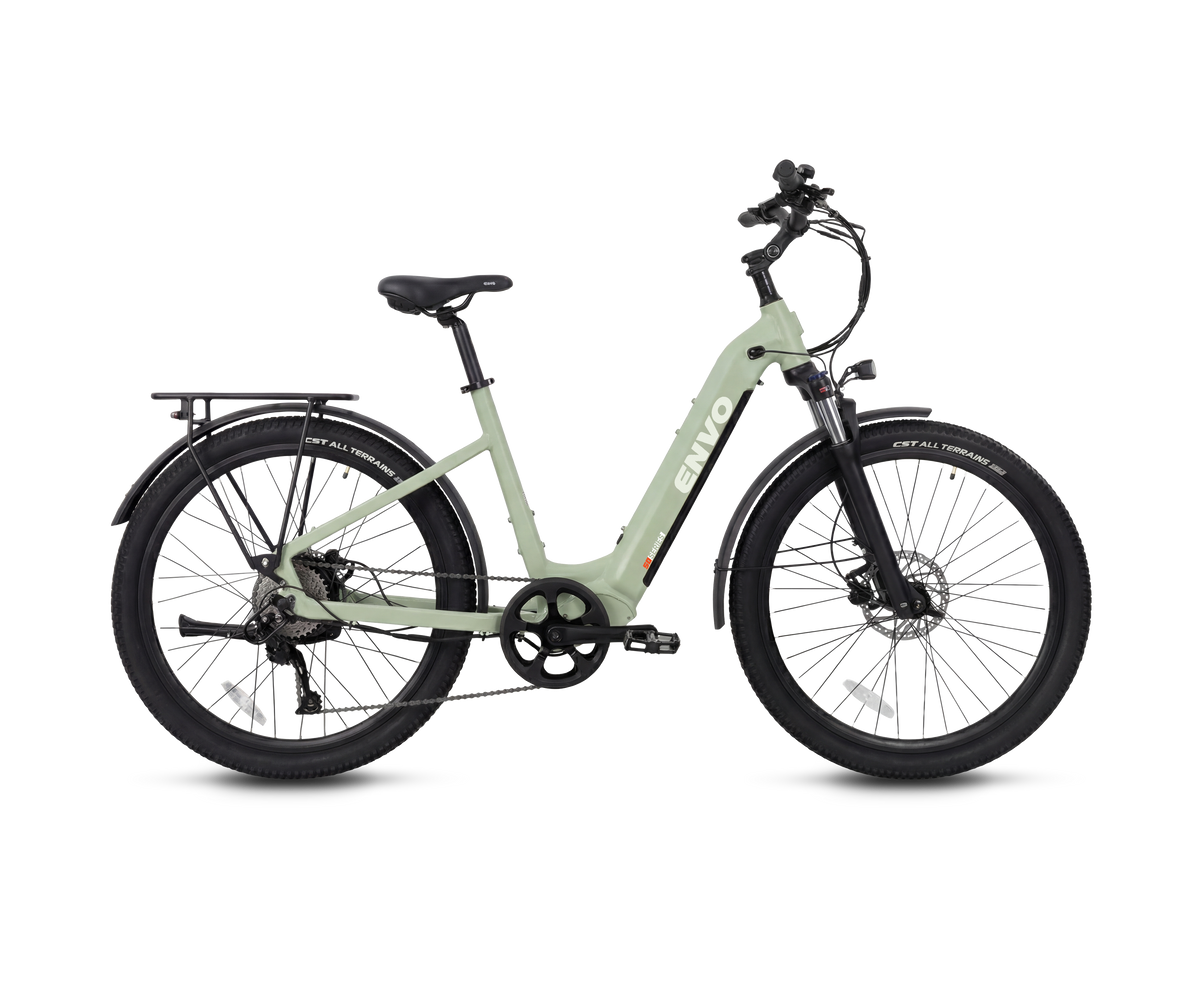
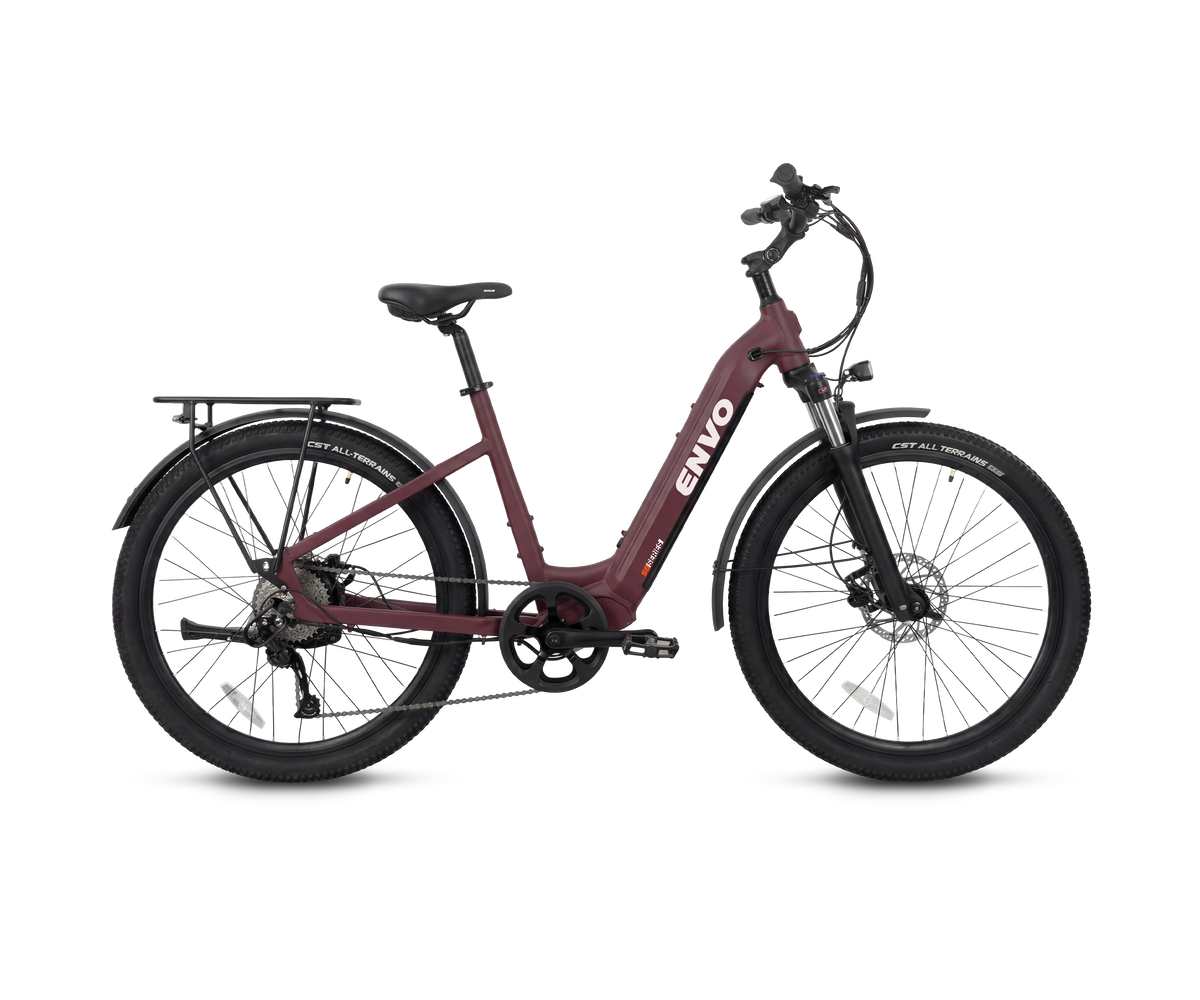
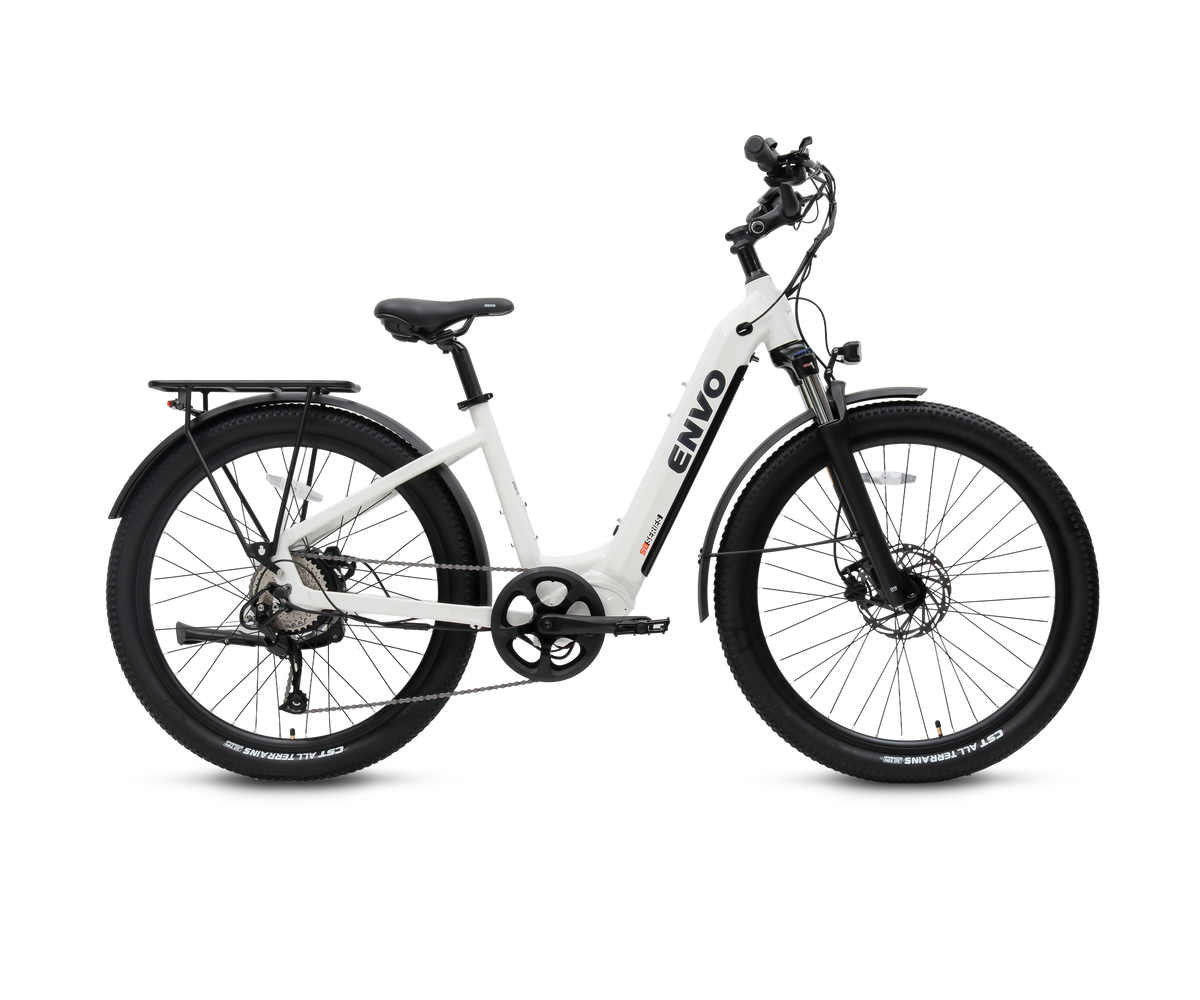
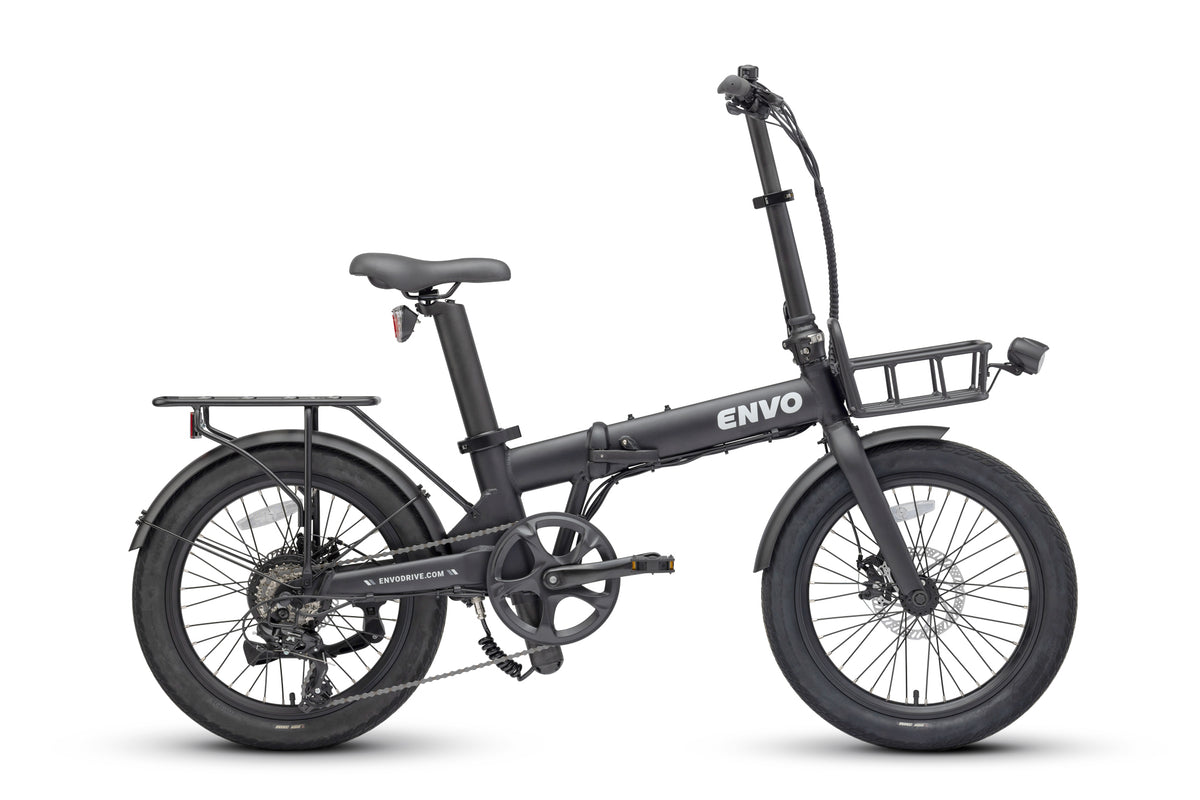
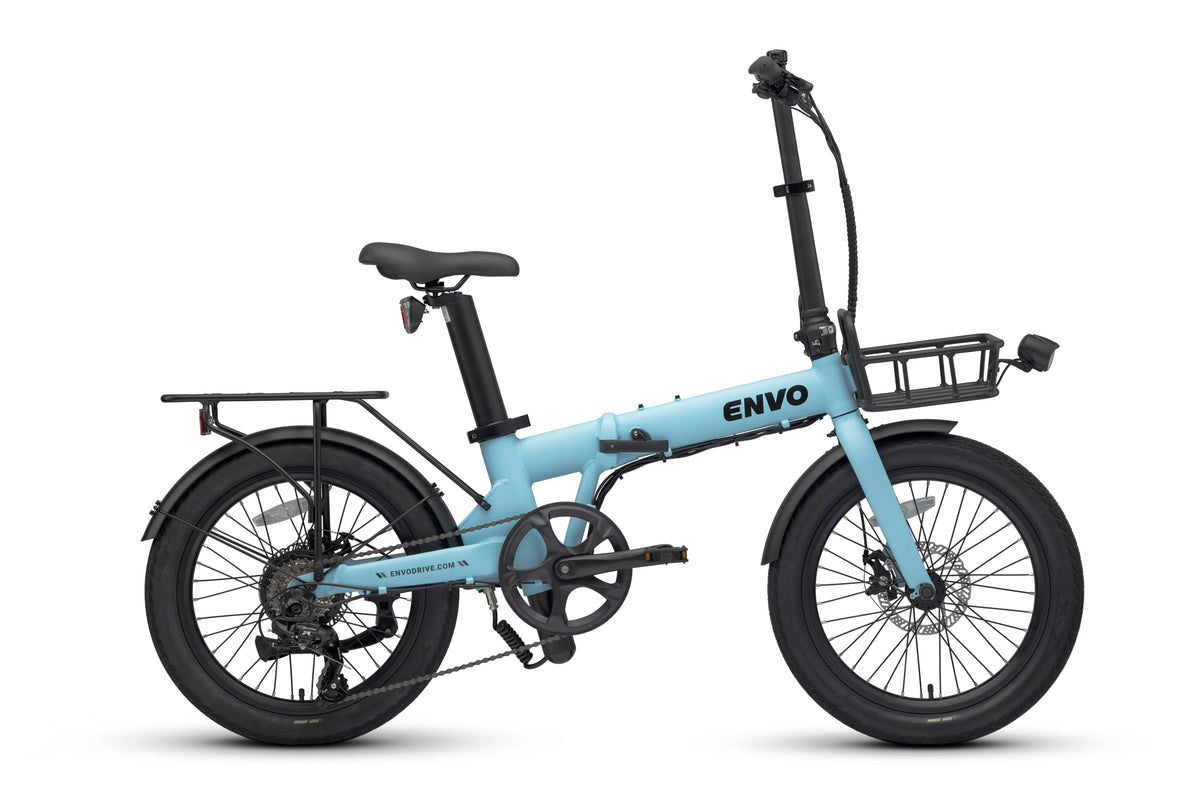
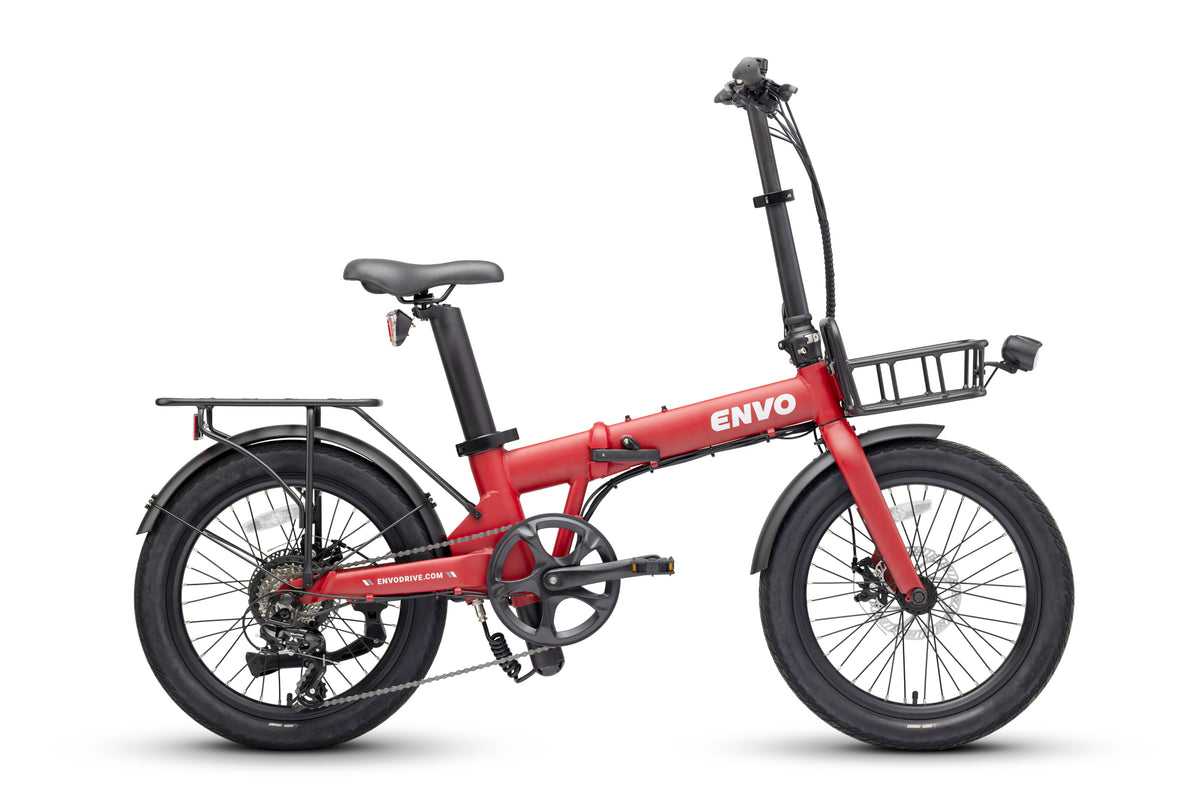
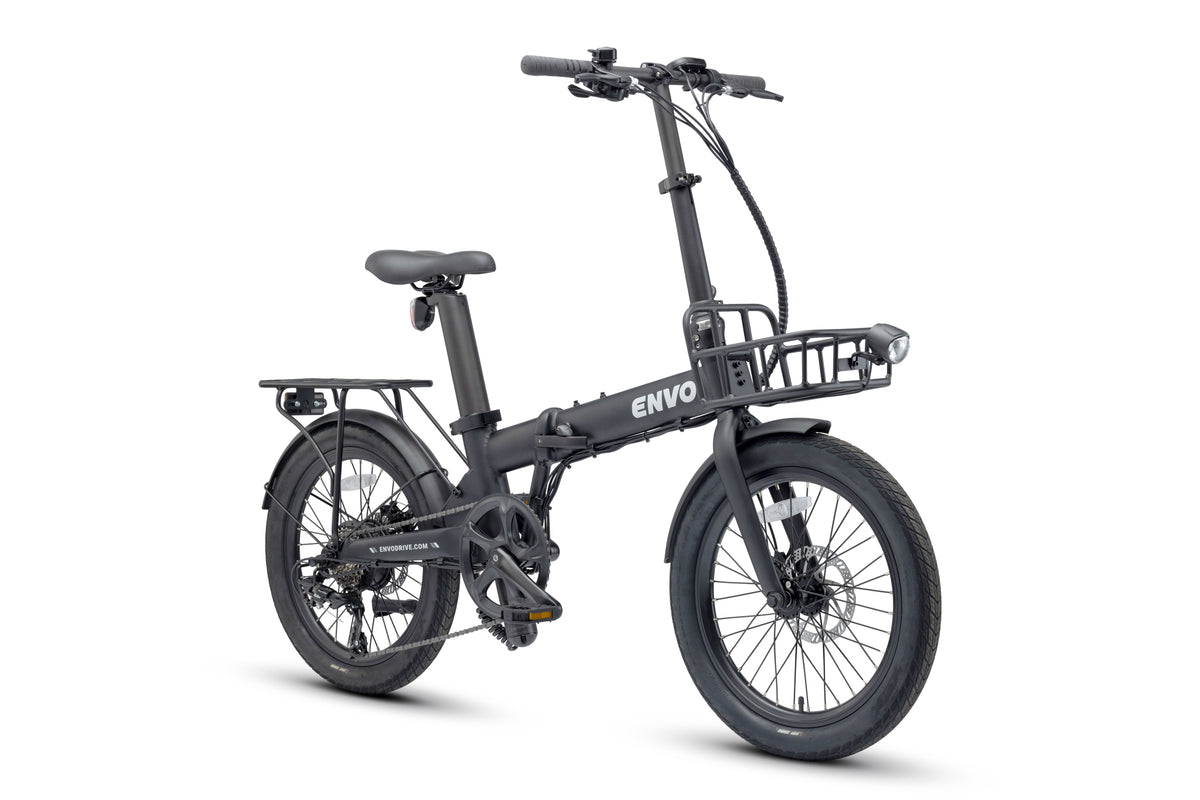
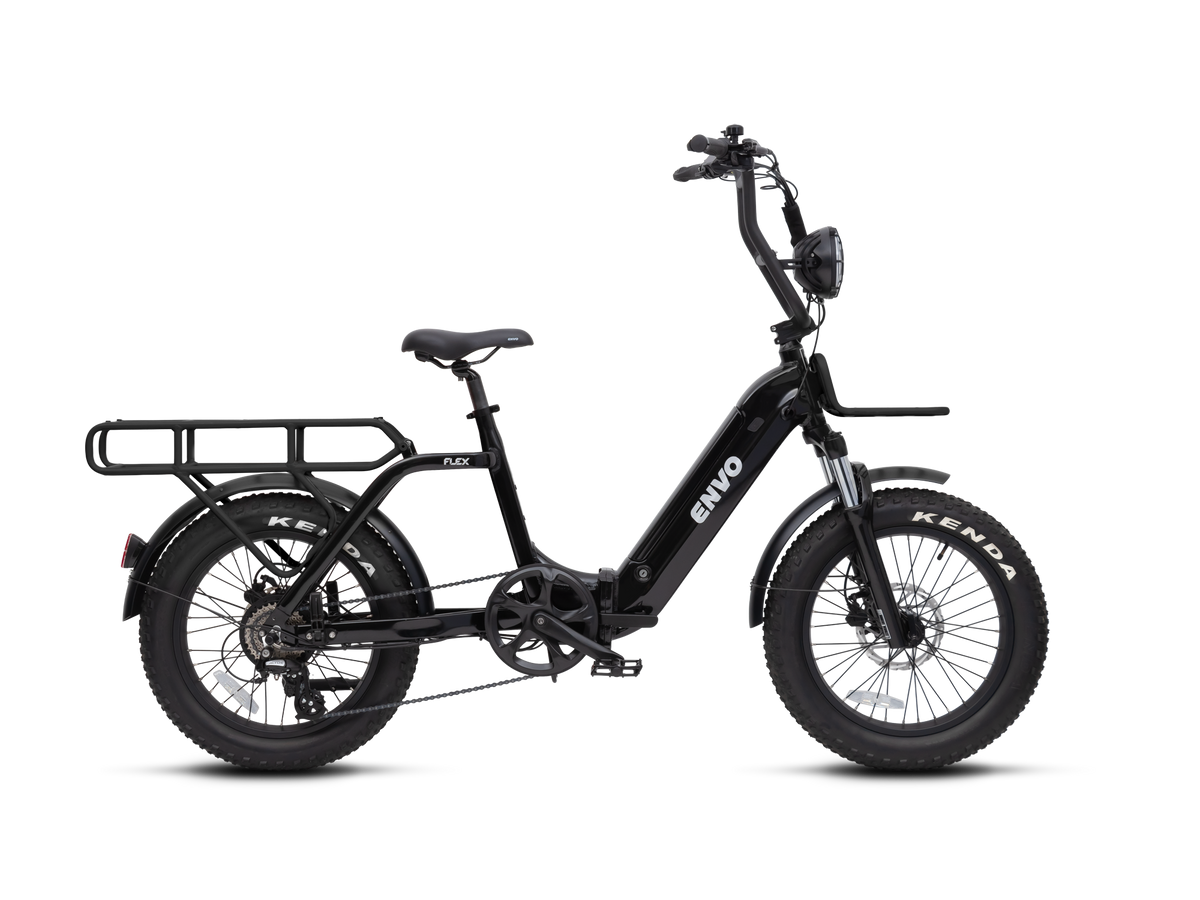
To legally use Vancouver's roads and park paths, your e-bike must meet BC's Power-Assisted Bicycle definition: 500W max motor, 32 km/h max assist, functional pedals required, under 35 kg. E-bikes meeting these specs are classified as bicycles — no licence, registration, or insurance required. All ENVO electric bikes are designed within these limits.
The Sidewalk Rule: Most Common Mistake
You cannot ride an e-bike on a sidewalk in Vancouver unless a sign specifically permits it. If a road feels uncomfortable, look for a nearby bike lane, greenway, or quiet residential street — a parallel alternative usually exists within a block or two. Vancouver's cycling map at vancouver.ca shows all routes.
Vancouver Is Built for E-Bikes
Protected lanes, a growing greenway network, and updated park rules that now include e-bikes. The infrastructure is ready — the only question is which e-bike fits your riding style.
Shop City E-Bikes →Written by Haseeb Javed
Haseeb is part of the EBikeBC team based in British Columbia. An avid cyclist and e-bike enthusiast, he rides the routes he writes about.
Last updated: April 2026. Sources: City of Vancouver: Signs, Signals & Regulations, City of Vancouver: Protected Bicycle Lanes