

Fake UL Certifications on E-Bikes: Do You Think This Is the Only One?
Amazon and UL just won a court case against sellers who faked UL safety certifications on e-bikes and e-scooters. One ruling, seven models, one company. The uncomfortable question is how many more are still out there.
What Actually Happened in Court
On July 7, 2026, a judge in the U.S. District Court for the Western District of Washington signed a permanent injunction against a group of sellers who put fake UL certification marks on e-bikes and e-scooters. The case was brought jointly by Amazon and UL, the safety-science and testing organization whose certification marks are among the most trusted in the electronics world. The court found the defendants had "willfully deceived and harmed Amazon, UL, and their customers" and had "compromised the integrity of the Amazon Store."
The defendants were a group of China and Hong Kong based companies and an individual, selling seven e-bike and e-scooter models under the Aipas and A4 brand names on Amazon and on their own site. The legal claims were trademark counterfeiting, trademark infringement, and false designation of origin. In plain language: they slapped UL's certification marks on products that were never certified to UL's standards, and they used those marks to make the products look safe.

The resolution came through a consent judgment in Amazon and UL's favor, with a permanent injunction that bars the defendants from importing, manufacturing, producing, or distributing any product that uses any simulation of UL's certification marks. Remaining claims were dismissed with prejudice, and each party covers its own legal fees. It is a clean win for the two plaintiffs, and it is exactly the kind of enforcement the industry needs more of.
The Case at a Glance
- Who sued: Amazon and UL, together
- Who was sued: China and Hong Kong based sellers plus an individual, operating the Aipas and A4 brands
- The products: seven e-bike and e-scooter models on Amazon and the sellers' own website
- The charge: trademark counterfeiting, infringement, and false designation of origin for faking UL certification marks
- The court: U.S. District Court, Western District of Washington (Seattle)
- The result: permanent injunction signed July 7, 2026, banning any use of a simulated UL mark
Do You Think This Is the Only One?
Here is the part that should stay with you long after the headline fades. This case caught one operation and seven product listings. It took a lawsuit, brought by two of the largest, best-resourced organizations in the space, to shut down a single fake-certification seller. Amazon runs a marketplace with hundreds of millions of listings. UL polices its marks worldwide. And this is what it took to stop one group.
If it took a federal lawsuit to stop one seller with seven listings, how many uncertified e-bikes wearing a fake safety badge are still on sale right now?
The honest answer is: a lot. The economics practically guarantee it. Adding a UL logo to a product image or a spec sheet costs a dishonest seller nothing. Actually engineering, testing, and certifying an e-bike's full electrical system to a UL standard costs real money and real time. A seller who is willing to lie gets the marketing benefit of "certified" without paying any of the cost of being certified. That gap is the entire business model of the counterfeit-certification trade, and it is why one court win, welcome as it is, does not clear the shelves.
So treat this ruling as a flashlight, not a fix. It lit up one corner of a very large room. The takeaway for anyone buying an e-bike in 2026 is simple and a little sobering: you cannot trust a safety claim just because it is printed on the listing. A logo is not a certificate. A sentence in a bullet list is not a test report. And "UL" typed into a product description is not the same as an e-bike that a testing lab actually put on a bench and certified.
How the Fake-Certification Lie Works
Fake certification claims are not usually clumsy. They are designed to survive a quick glance and a casual comparison. Once you know the common moves, you start seeing them everywhere.
The naked logo
The simplest version is a UL mark or a generic "certified" badge dropped into the gallery images with no listing number, no standard cited, and no certificate you can look up. It reads as authoritative and verifies as nothing.
The component swap
A more slippery version is technically true but deeply misleading. The seller says a single part, often the charger or a cell, carries some certification, then lets the buyer assume the whole bike is certified. An e-bike is a system: motor, battery, battery management system, wiring, charger, and controller all working together. A certified charger on an uncertified system is not a safe system.
The wrong-standard shuffle
Another common trick is citing a battery-only standard and presenting it as full-bike safety. UL 2271 covers the battery pack. UL 2849 covers the entire e-bike electrical system. They are complementary, not interchangeable. A seller who has only tested a component, or nothing at all, benefits from the confusion between the two.
The unverifiable reference
Finally, there is the claim that gestures at paperwork without ever producing it: "UL tested," "meets UL standards," "lab certified," with nothing you can trace back to an actual listing in a certification directory. If a claim cannot be checked, treat it as if it were never made.
The tell: a real certification can be traced to a specific standard (for example UL 2849), a specific certified company, and often a lookup you can perform yourself. A fake one leans on a logo, a vague phrase, or a single component, and quietly hopes you will not ask for the receipts.
Why a Fake UL Label Is Dangerous, Not Just Dishonest
It would be easy to file this under consumer fraud and move on. But an e-bike is not a phone case or a pair of headphones. It carries a large lithium-ion battery that a person charges indoors, often overnight, often in a home or an apartment building full of other people. When a low-quality e-bike battery fails, the failure mode is not a dead cell. It is thermal runaway: a fast, intense fire that is hard to extinguish and produces toxic smoke. Fire services across North America have spent the last several years warning about exactly this hazard.
This is the whole reason system-level certification exists. Standards like UL 2849 are written so that a testing lab evaluates how the powered parts of an e-bike behave together under abuse: overcharge, short circuit, impact, and heat. The point is to catch the failure on a test bench in a lab, not in someone's hallway at 2 a.m. A fake UL label takes that entire safety net and replaces it with a sticker. The buyer thinks they bought the protection. They bought the appearance of it.
This is the real cost of the lie. A counterfeit certification does not just cheat the buyer out of money. It removes the one independent check that stands between a cheap battery and a house fire, while telling the buyer that check is firmly in place. That is why Amazon and UL went to court over it, and why it deserves more than a shrug.
Yes, This Reaches Canadian Buyers Too
The lawsuit was filed in a U.S. court, but do not read that as a distance-makes-it-safe story. The same sellers, the same brands, and the same tactics move across marketplaces and borders with almost no friction. Canadian shoppers buy from global online marketplaces every day, and a listing that fakes a certification for a buyer in Seattle looks identical to a buyer in Toronto, Vancouver, or Halifax. The counterfeit-certification problem is not a local one. It is a supply-chain one.
For a Canadian buyer, the practical defense is the same as it is anywhere: stop treating the marketplace listing as the source of truth, and start treating the certification as something you verify. If you want a shortcut, buy from a seller whose safety claims are specific, checkable, and backed by a real company you can reach. That is the whole idea behind the UL 2849 certified e-bike collection at EbikeBC, and it is why we lead with certification rather than bury it. For a broader primer on choosing well, the e-bike buying guide walks through the questions that matter most.
Cheap, Uncertified, and Quietly Uninsured
There is a second cost to the fake-certification game that almost no one talks about at the point of sale: insurance. A cheap, uncertified e-bike is not just a safety risk. It can also be a coverage risk, and buyers usually discover this at the worst possible moment.
Home and tenant insurance, and a growing number of condo and apartment building policies, increasingly care about whether an e-bike and its battery meet a recognized safety standard. Buildings are writing e-bike and charging rules into their bylaws. Some require certified equipment for in-unit charging. If a fire starts from an uncertified battery that was misrepresented as certified, the question of who pays, and whether a claim is honoured, gets complicated fast. "It said UL on the listing" is not a certificate you can hand an insurer or a strata council.
Put the three costs together. A fake-certified e-bike can be unsafe (no real system testing), uncertified (the label was a lie), and effectively uninsured (no paperwork to satisfy a building or an insurer). The low price on the listing does not account for any of that. It is a discount you only feel like you are getting until something goes wrong.
If you live in a multi-unit building, this is not hypothetical. It is worth reading your building's rules before you buy, and choosing a bike whose certification you can actually document. Our overview of the safest UL 2849 certified e-bikes exists precisely so that this part of the decision is easy rather than a scramble later.
How to Tell a Real UL Claim From a Lie
You do not need to be an engineer to protect yourself. You need to be a little skeptical and ask for specifics. Before you buy any e-bike, in a marketplace or a shop, run the claim through these questions.
Six Questions That Expose a Fake Certification
- 1. Which standard, exactly? A real answer names it: UL 2849 for the full e-bike system, UL 2271 for the battery pack. "UL certified" with no number is a red flag.
- 2. The whole bike, or one part? Ask whether the system is certified, not just the charger or the cell. A certified component on an uncertified system is not a certified e-bike.
- 3. Who holds the certification? A legitimate claim ties to a specific certified company, not an anonymous storefront. Ask for the certificate or listing reference.
- 4. Can I verify it independently? Real listings can be looked up. If the seller cannot point you to anything checkable, the claim is decoration.
- 5. Is there a real company behind it? A phone number, a warranty, a service address, and a business you can reach if the battery misbehaves in month seven.
- 6. Does the price make sense? Genuine full-system certification costs money. A "fully certified" bike priced far below everything comparable is telling you something.
If a seller answers these cleanly and in writing, you have turned a marketing claim into something you can stand behind. If the answers get vague, that vagueness is your answer. Walk.
What a Real Certification Looks Like
It is worth being clear about what we are not saying. We are not saying every affordable e-bike is a fraud, and we are not saying certification is the only thing that matters. We are saying that a safety claim is only worth something when it is real, specific, and backed by a company that will still be there when you need it. That is the difference between a sticker and a standard.
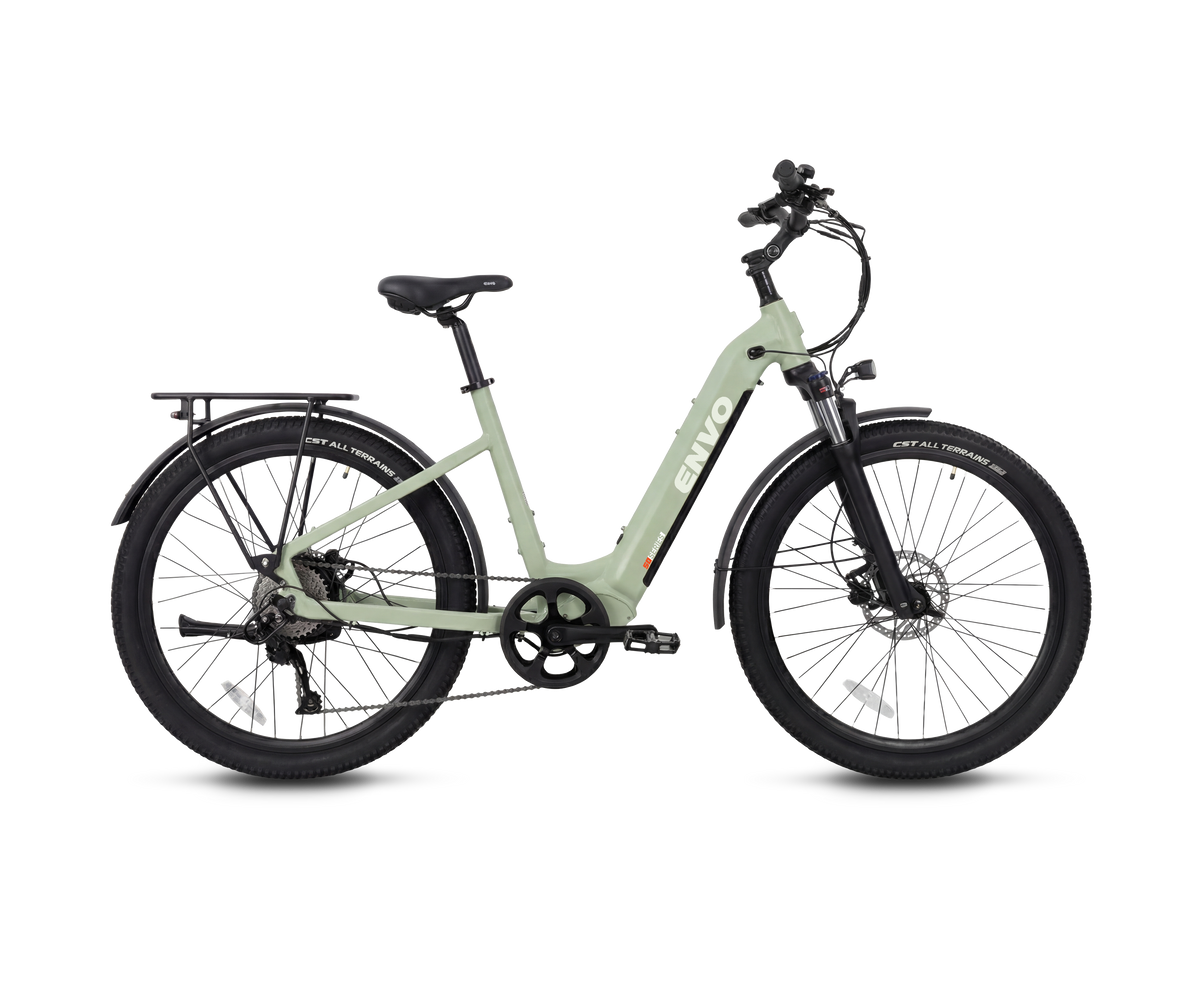
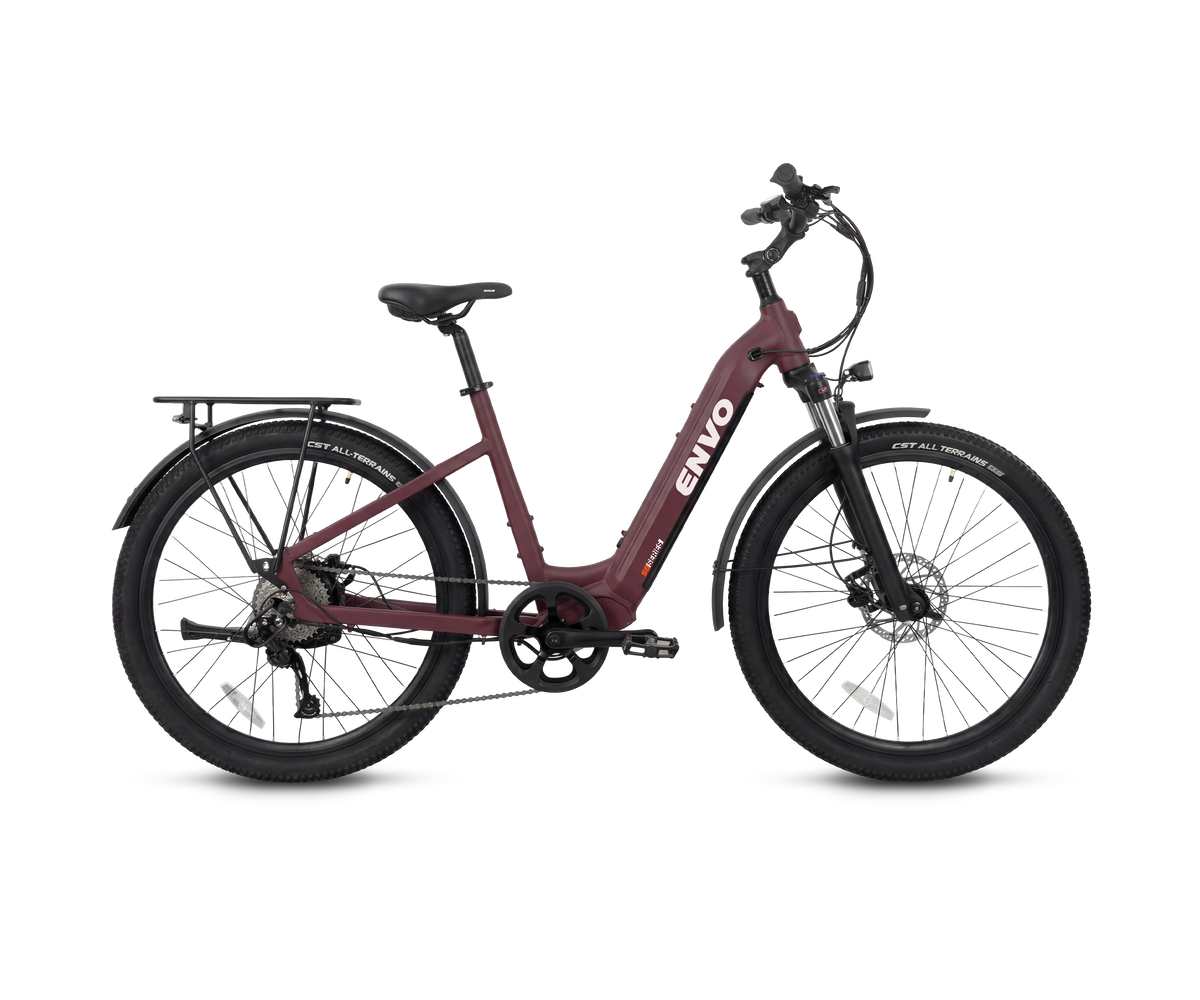
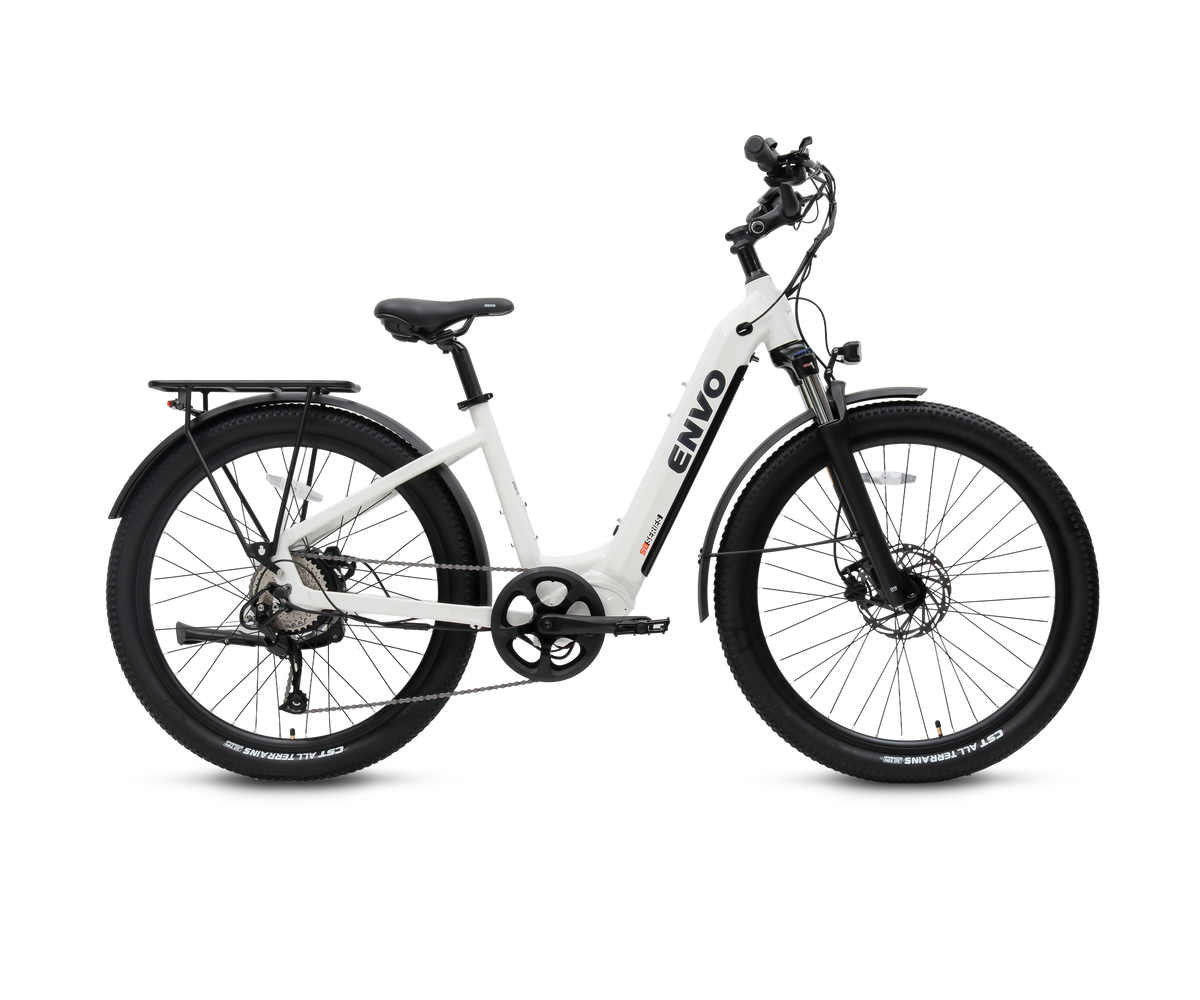
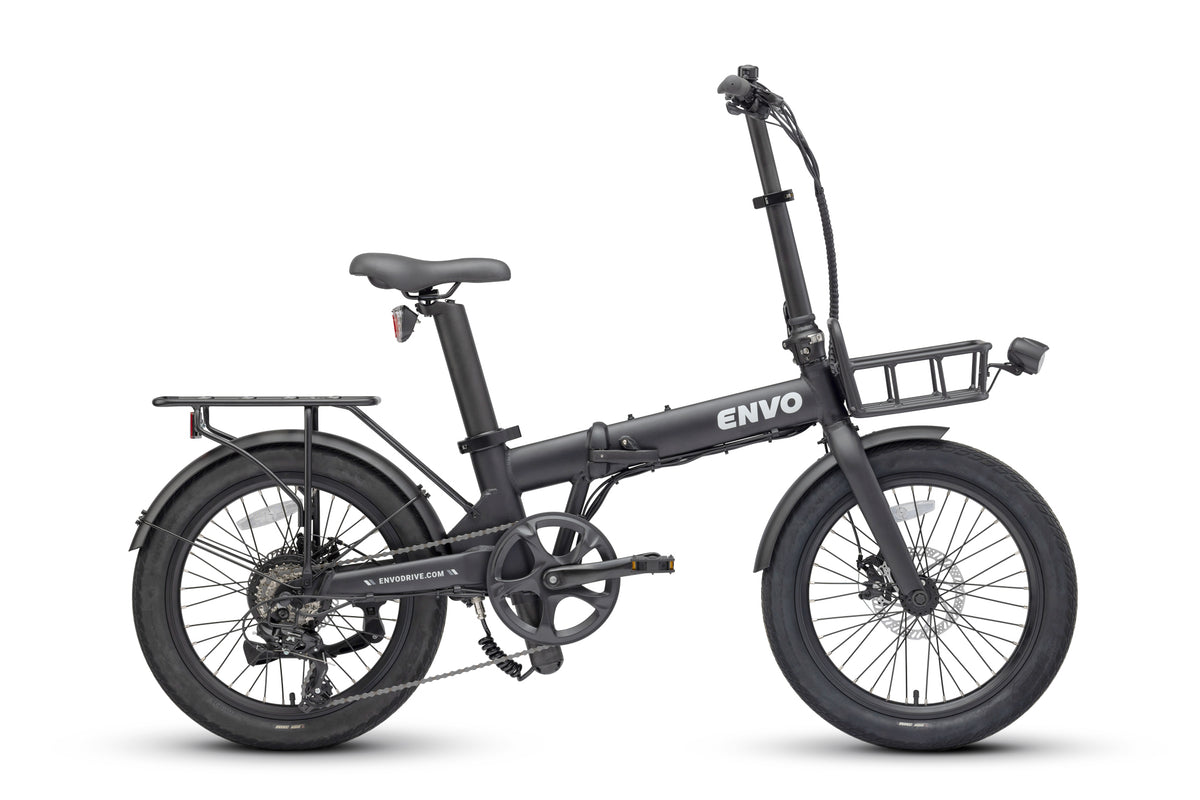
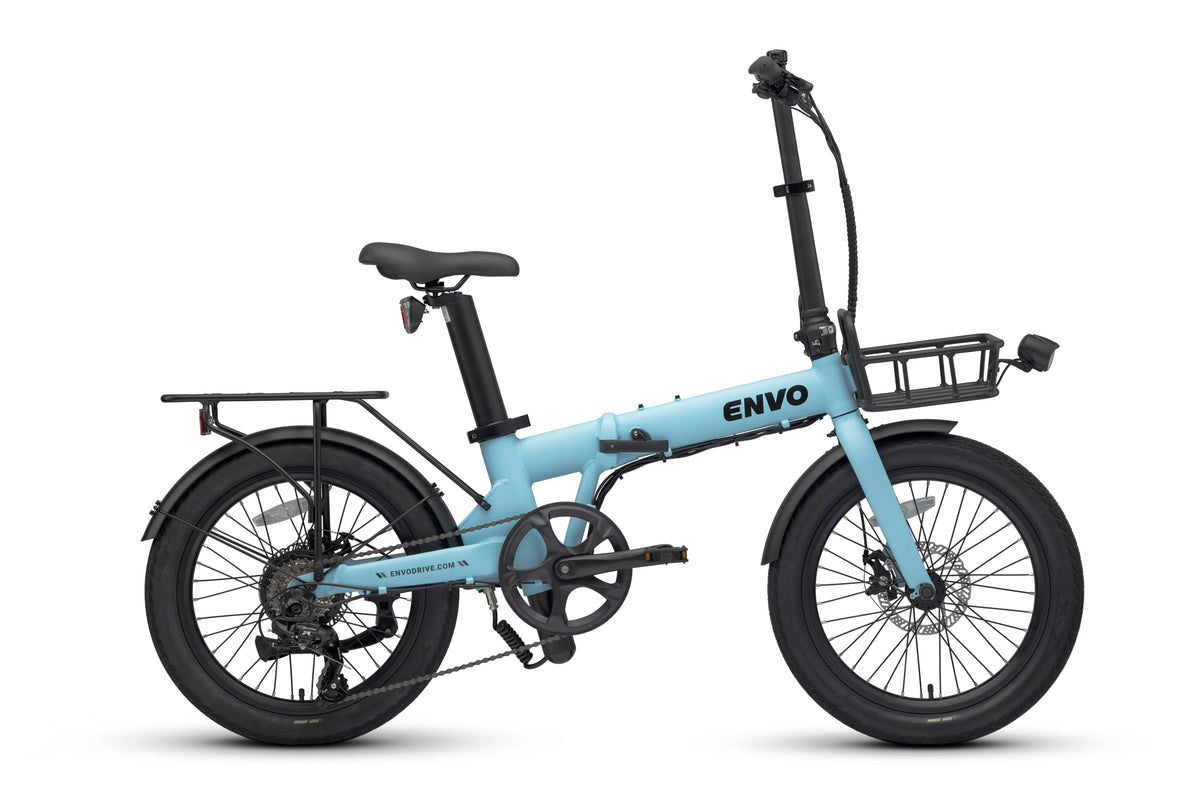
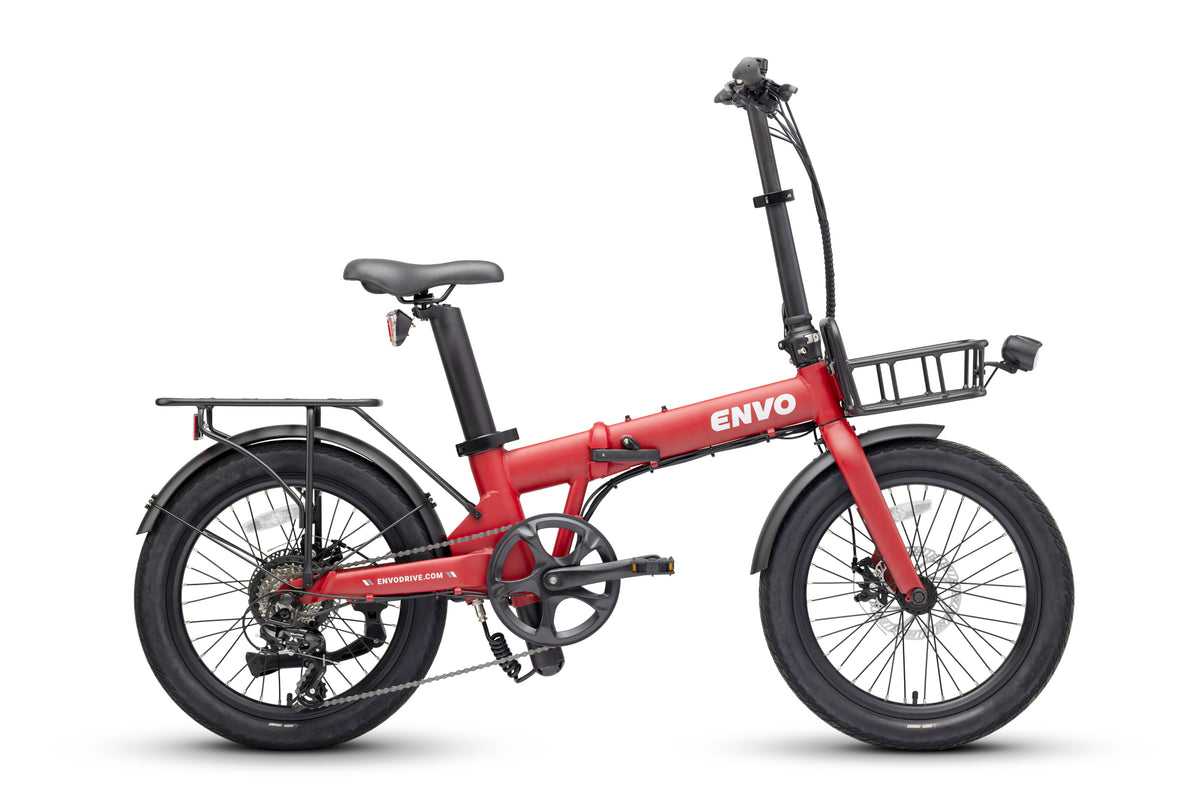
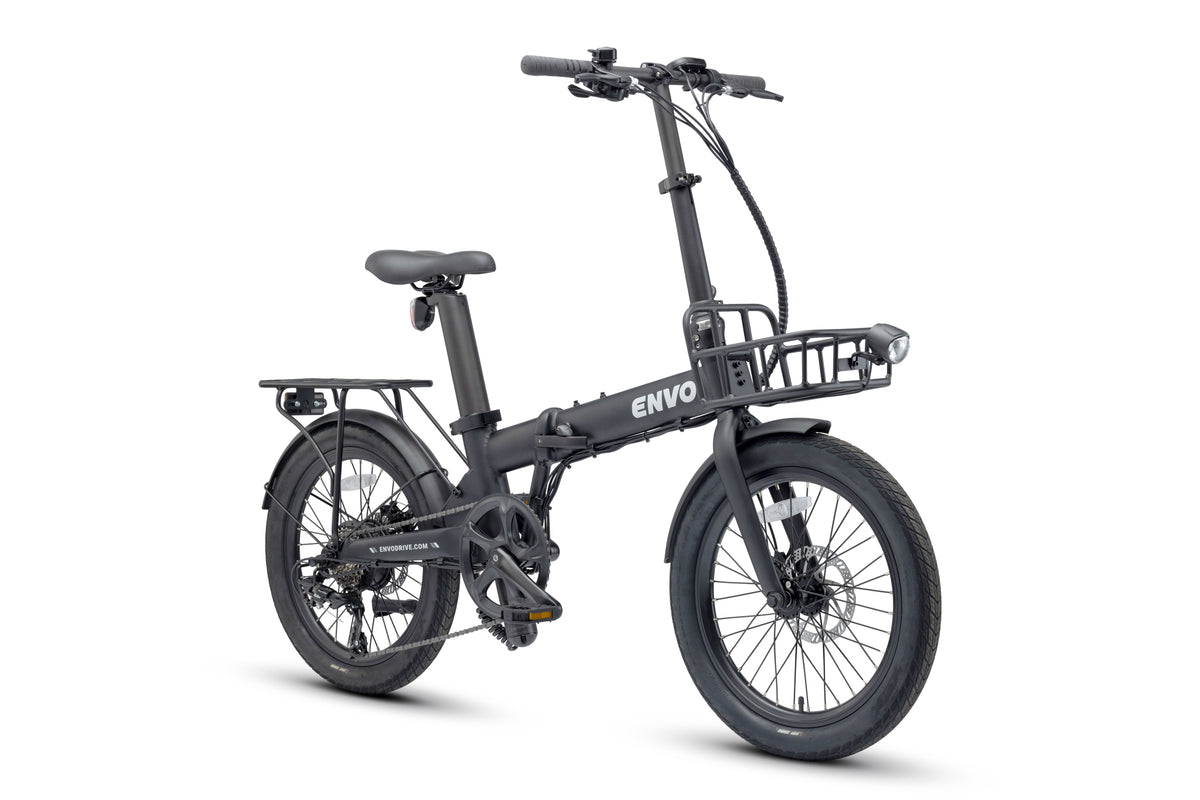
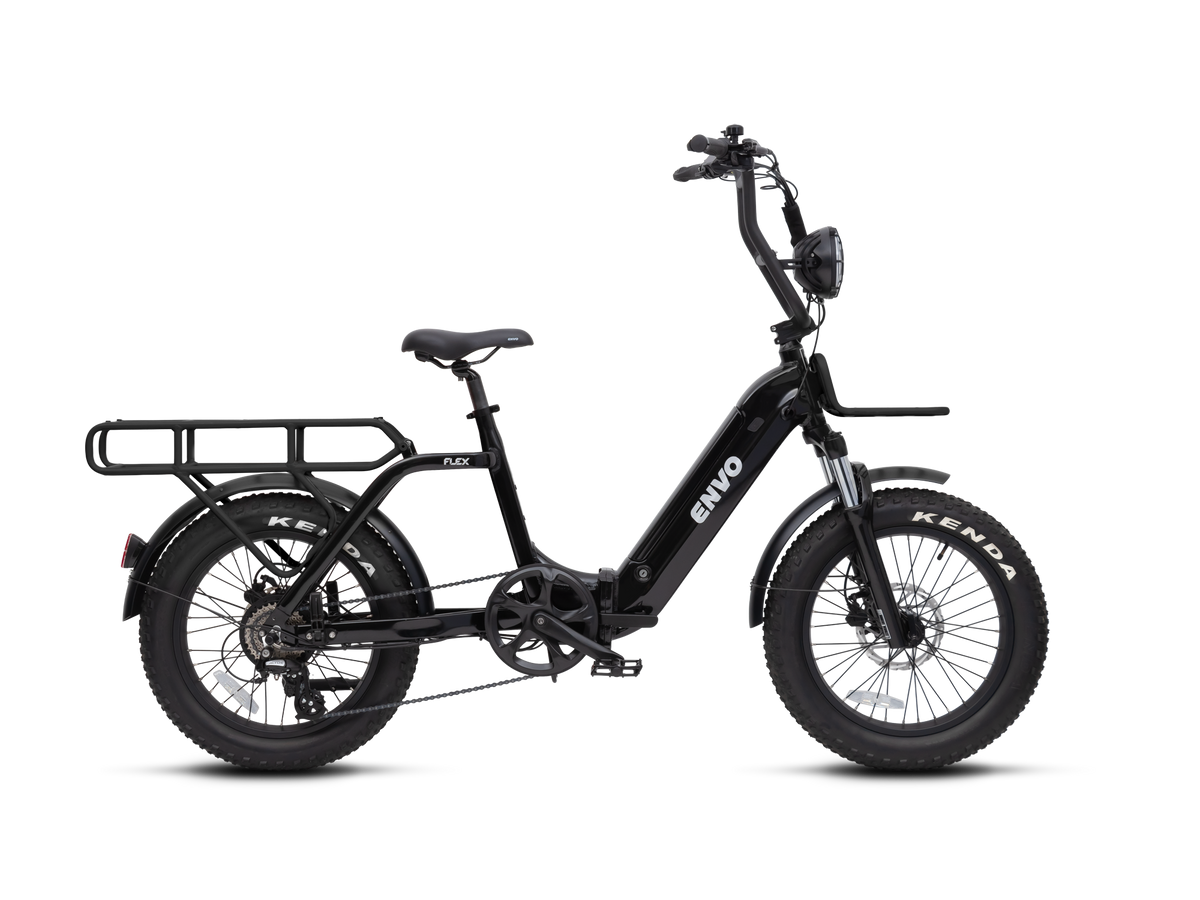
At EbikeBC, the storefront for ENVO Drive Systems, certification is a headline, not fine print. The ENVO D50 and ENVO ST50 are built and sold with full-system UL 2849 certification, from a Canadian-incorporated manufacturer with a real service network behind the sale. That last part matters as much as the label: a certification tells you the electrical system met a standard, and a real company tells you who answers when you call. Fake-certification sellers can offer neither, which is exactly why they hide behind a logo.


If you are shopping, start with the certification and work outward. Browse the UL 2849 certified e-bikes, look at the urban and commuter range, and compare it against whatever marketplace listing tempted you. Then ask that listing the six questions above. The contrast tends to make the decision for you.
Frequently Asked Questions
The Bottom Line
Amazon and UL winning this case is genuinely good news. It sets a precedent, it removes one bad actor, and it puts other fake-certification sellers on notice that the marks are worth defending in court. Credit where it is due.
But the lesson for buyers is not "the marketplace has been cleaned up." The lesson is that it took a federal lawsuit to stop one seller with seven listings, which tells you everything about the scale of what remains. You can make and sell a cheap, unsafe, uncertified, and effectively uninsured e-bike, print a safety badge on it, and reach a buyer before anyone with the resources to sue ever notices. So do not outsource your safety to a logo. Do not trust every claim on a listing. Ask which standard, ask for proof, and ask who stands behind the bike when the price tag is long forgotten.
Do you think this is the only one? It isn't. Verify the certification, or buy from someone who makes that easy.
Buy a Real UL 2849 Certified E-Bike
Skip the guessing game. Browse Canadian-available e-bikes with genuine, full-system UL 2849 certification and a real company behind every sale, including the Canadian-assembled ENVO D50.
Disclaimer: This article is for informational purposes only and reflects publicly reported details of the Amazon and UL enforcement action resolved by a permanent injunction dated July 7, 2026, in the U.S. District Court for the Western District of Washington. We are not affiliated with Amazon, UL Solutions, or any of the named defendants, and we make no claim about products or sellers beyond what was reported in that case. Descriptions of UL 2849 and UL 2271 are general explanations of the standards, not legal advice. Certification requirements, insurance policies, and building rules vary and change over time. Always verify a product's current certification directly with the manufacturer or dealer, and consult your insurer or building for coverage and charging requirements before purchasing.