


Lectric eBikes Safety: Recalls, Certifications & What Canadian Buyers Should Know
A factual guide to Lectric's CPSC recall history, UL certification gaps, and why these details matter before you buy — especially in Canada.
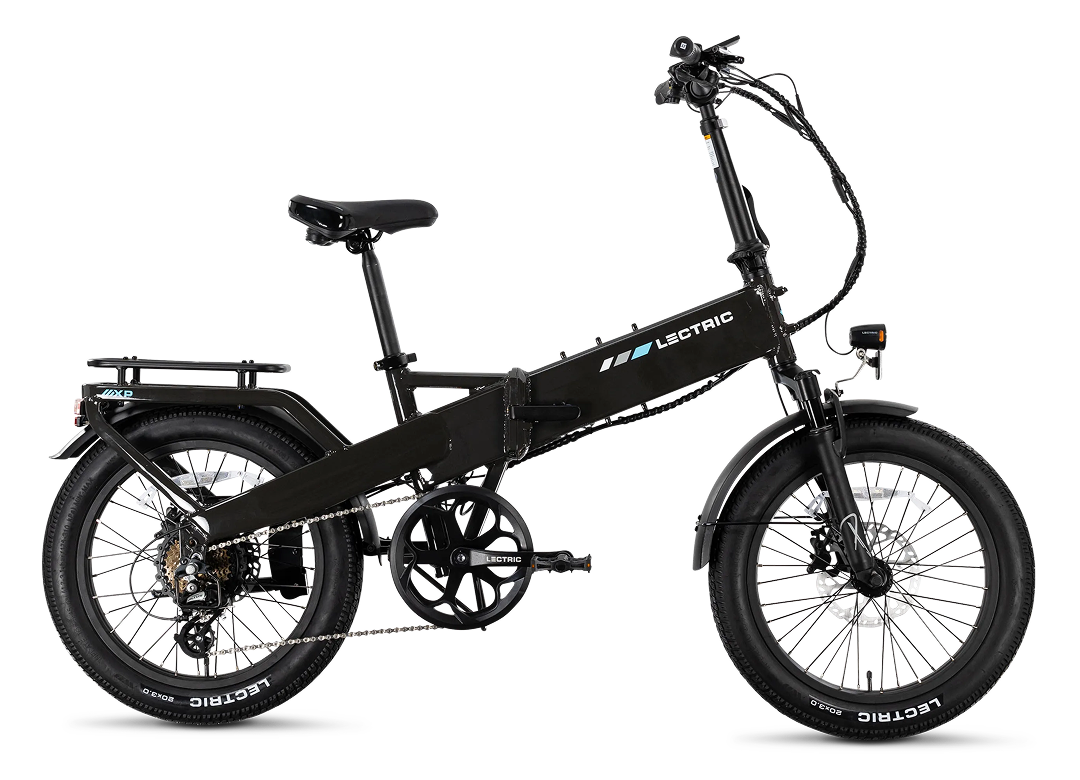
Table of Contents
Why This Matters
E-bikes have become one of the fastest-growing categories in active transportation across Canada. Affordable, practical, and genuinely fun to ride, they fill a real gap between cycling and transit. But as adoption accelerates, so do the safety conversations — lithium battery fires in apartment buildings, brake failures on busy streets, and the question of what a product's certifications actually guarantee.
Lectric eBikes is one of the best-selling e-bike brands in North America, offering competitively priced folding and step-through models that ship directly from their U.S. website to Canadian buyers. Their prices are hard to argue with. But before you enter a credit card number, it's worth spending ten minutes understanding the brand's recall history, what certifications their bikes carry (and which ones they don't), and how those details affect you as a Canadian rider — particularly if you live in a condo, apartment, or any building that has policies about indoor e-bike charging.
This guide is consumer education, not alarmism. A recall handled responsibly is better than a problem that never gets disclosed. The goal here is to give you accurate information so you can make an informed decision.
The CPSC Recall: What Happened and What Lectric Did
In 2023, Lectric eBikes was the subject of a safety recall filed with the U.S. Consumer Product Safety Commission (CPSC) concerning approximately 45,000 units of the Lectric XP 3.0 e-bike. The recall, reported in the CPSC database (Recall No. 23-789, approximate — refer to CPSC.gov for the authoritative record), identified a defect in the brake calipers: under certain conditions, the brakes could fail to fully engage, creating a crash hazard for riders.
At the time the recall was filed, two injuries had been reported in connection with the defect. The remedy Lectric offered was a free replacement brake caliper kit sent directly to affected customers — no shipping cost to the consumer. Buyers who had registered their bikes or purchased from Lectric's website were contacted; others were directed to Lectric's website for claim registration.
A brake recall is serious by definition — brakes are the single most critical safety system on any vehicle. That said, Lectric's response followed standard recall procedure: identifying the scope of the problem, issuing a CPSC-registered recall notice, and providing a free remedy. How quickly individual customers received and installed their replacement parts varied, and some customers reported wait times through community forums. Canadian buyers are not covered by CPSC recall obligations in the same way U.S. buyers are, since the CPSC is a U.S. federal agency — more on that below.
⚠ CPSC Recall — Lectric XP 3.0
Recall No. 23-789 (reported by CPSC — verify at CPSC.gov): Approximately 45,000 Lectric XP 3.0 e-bikes were recalled due to defective brake calipers that could fail to engage, posing a crash hazard. Two injuries were reported at the time of the recall filing. Lectric offered a free replacement brake caliper kit as the remedy.
- Affected model: Lectric XP 3.0
- Hazard: Brake caliper defect — brakes may fail to fully engage
- Remedy: Free replacement brake caliper kit from Lectric
- Filed with: U.S. Consumer Product Safety Commission (CPSC.gov)
- Canadian buyers: Contact Lectric directly; CPSC jurisdiction is U.S.-based
"A recall that is disclosed and remedied is preferable to a defect that isn't — but it also tells you something about production quality control upstream."
It's important to note that no e-bike brand is immune to recalls. Mechanical and electrical components can fail, and any manufacturer operating at scale will eventually encounter production variances. The question worth asking is not simply whether a recall occurred, but what it reveals about a company's quality control processes and how transparent and responsive they are when something goes wrong.
For Canadian buyers, there is an additional wrinkle: because the CPSC is an American regulatory body, its recall notifications are directed at U.S. consumers. Transport Canada operates a separate recall and safety notice system, and Lectric's Canadian recall obligations would be governed by Canadian law. Buyers who purchased a Lectric XP 3.0 and were uncertain about their status should contact Lectric's customer service directly and ask specifically whether their serial number was included in the affected range.
UL 2272 vs. UL 2849: Why the Difference Matters
Not all safety certifications are created equal, and e-bike marketing can make it easy to confuse them. Lectric's bikes carry UL 2272 on some models — that's the electrical system safety standard originally written for personal e-mobility devices like hoverboards and electric scooters. It covers the electrical drive system as a whole, including the battery pack, charger, and motor, but it was not designed specifically for the mechanical and integration complexity of a full e-bike.
UL 2849 is the standard that was developed specifically for e-bikes. It covers the entire electrical system integration — the battery, the charger, the motor, the wiring, and critically, how those components interact with each other under realistic stress conditions including charging cycles, thermal events, and physical impacts. Think of it as the difference between testing a car's engine in isolation versus testing the whole vehicle on the road.
Why does UL 2849 matter for fire safety specifically? Lithium-ion battery fires — properly called thermal runaway events — can start from a single defective cell during charging and escalate within seconds to a temperature that no standard residential sprinkler system can suppress. The fires are intense, fast-moving, and produce toxic gases. The incidents that have made headlines in Toronto, Vancouver, New York, and London in recent years almost all involved e-bike batteries charged indoors in apartments or garages.
UL 2849 testing is not a guarantee that a battery will never fail. But it does require manufacturers to demonstrate that their battery, charger, and motor work safely as a system — not just that each component passes its own isolated test. For buyers who intend to charge their e-bike inside their home, condo, or office, this distinction is practically significant.
🚫 Lectric: No Prominent UL 2849 Certification + Undisclosed Battery Cells
As of the time of writing, Lectric eBikes does not prominently list UL 2849 certification on their website for their current models. Additionally, Lectric does not publicly disclose the battery cell brand or manufacturer used in their battery packs. Buyers are unable to independently verify the quality or origin of the lithium cells powering their bikes.
- No UL 2849 (e-bike-specific battery/motor/charger system standard) prominently listed
- Battery cell supplier not disclosed on product pages or spec sheets
- Manufactured in China; factory quality control standards not published
- Buyers cannot determine whether cells meet Tier 1 (Samsung SDI, LG, Panasonic) standards
This does not mean the batteries are unsafe — but it does mean buyers must make purchasing decisions without this key safety data point.
To be clear: the absence of UL 2849 doesn't automatically mean a product is dangerous. There are brands in the market that produce quality e-bikes without every possible certification. The concern here is transparency — a brand that has experienced a brake recall and does not prominently certify its battery system to the e-bike-specific standard is asking buyers to extend a degree of trust without providing the evidence to justify it. For a $1,000 to $1,500 purchase that you'll be charging overnight in your home, that's a reasonable thing to notice.
What This Means for Canadian Buyers
Canada has its own regulatory framework for e-bikes under the Transport Canada Motor Vehicle Safety Act. Federal regulations define power-assisted bicycles (PABs) and set speed and motor wattage limits, but they do not currently mandate UL 2849 certification specifically. However, this regulatory baseline does not mean Canadian buyers are fully protected — there is a significant gap between the minimum legal requirements for selling an e-bike in Canada and the safety standards that matter in practice.
The gap shows up most clearly in three areas:
ℹ Canadian Regulatory Note
Under the Transport Canada Motor Vehicle Safety Act, power-assisted bicycles (PABs) sold in Canada must meet certain federal standards for motor output and speed. However, there is no current federal mandate requiring UL 2849 certification for residential sale. Individual provinces, municipalities, and property management organizations may impose additional requirements. Always check your building's specific policies before purchasing an e-bike you plan to charge indoors.
The condo issue is the most immediately practical concern for a large percentage of Canadian urban riders. In cities like Vancouver, Toronto, Calgary, and Ottawa, a significant proportion of cyclists live in multi-unit buildings. If your condo board has adopted a UL 2849 requirement — which an increasing number have, particularly after high-profile fire incidents — purchasing a bike that doesn't carry that certification could mean you are unable to charge it in your unit or in the building's designated charging area.
Before purchasing any e-bike, it is worth a quick email or call to your building management to ask: "Do you have a policy on e-bike charging, and do you require UL 2849 certification?" Getting the answer before you buy is considerably easier than getting it after.
Lectric vs. ENVO: Safety Certification Comparison
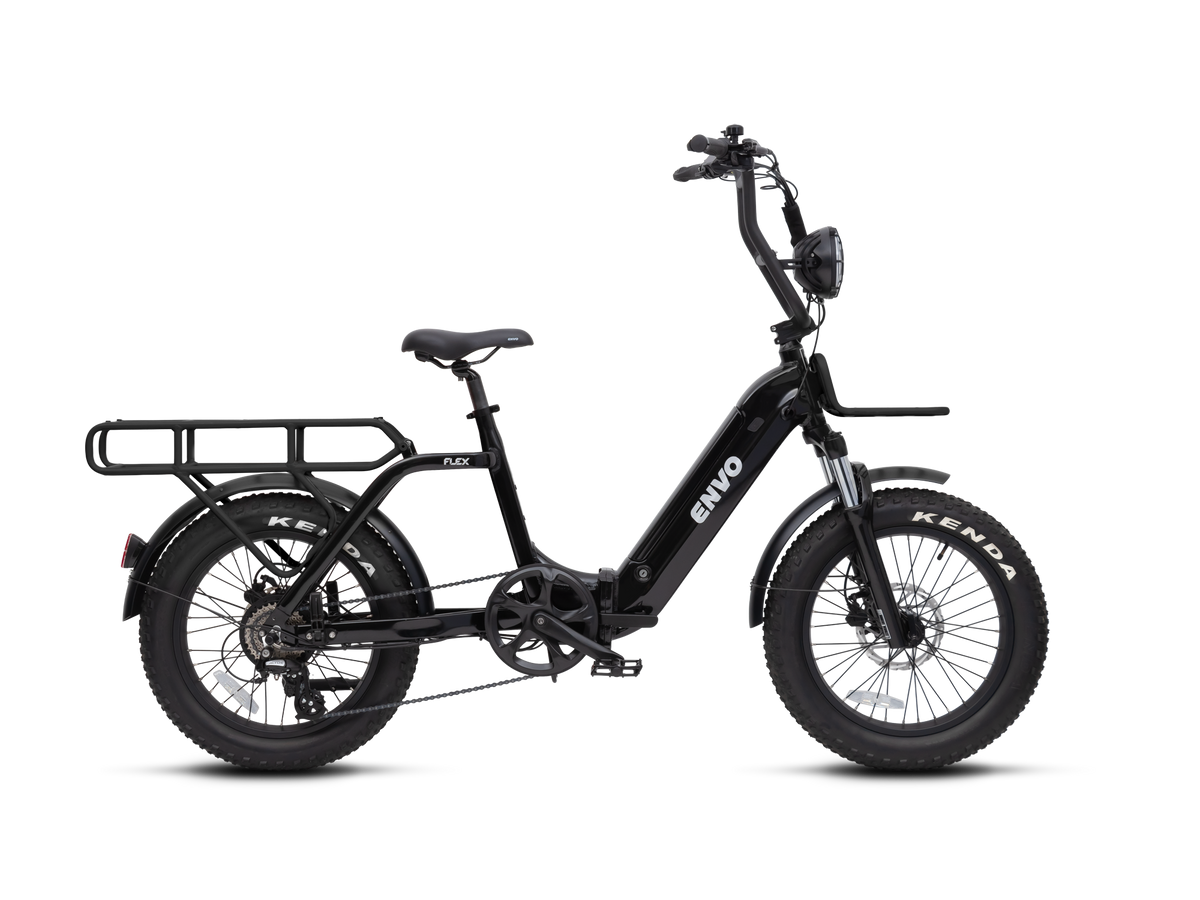
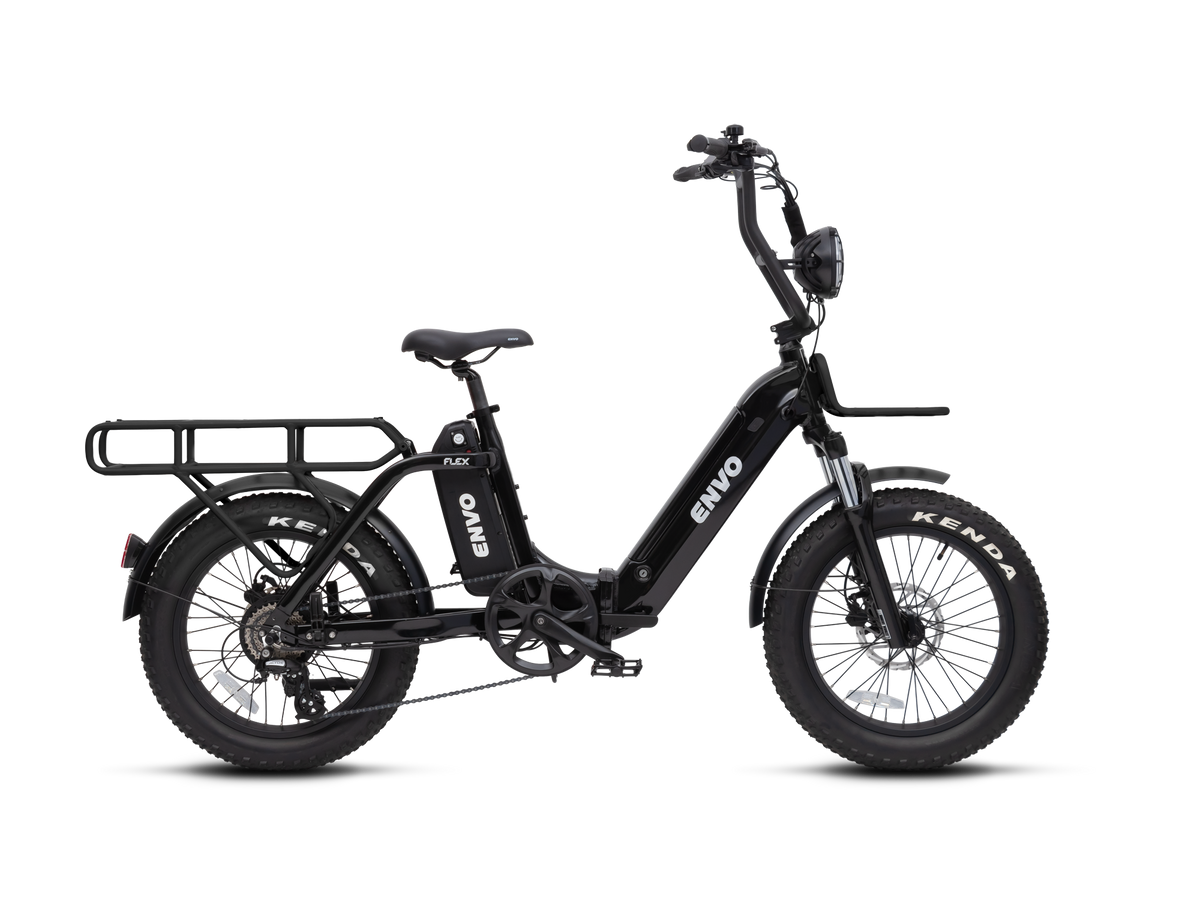
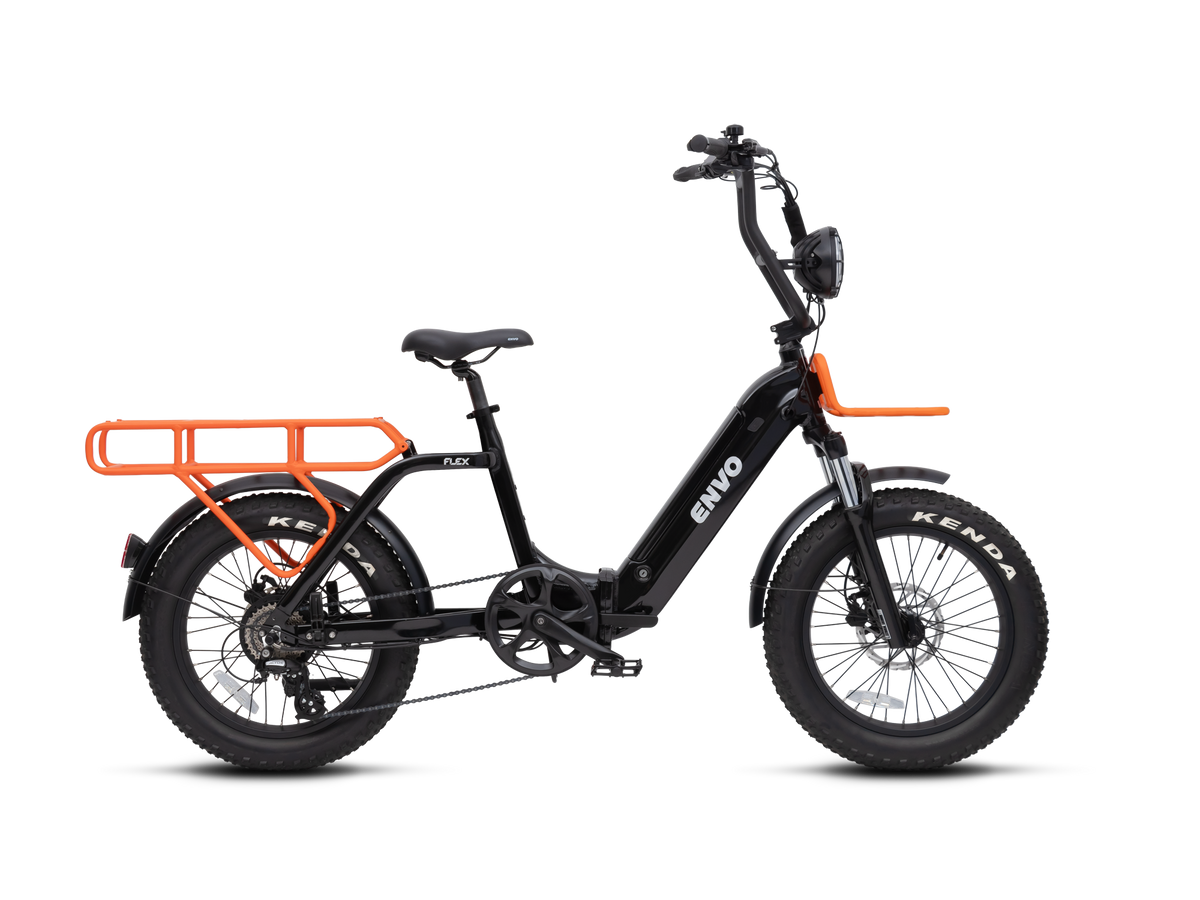
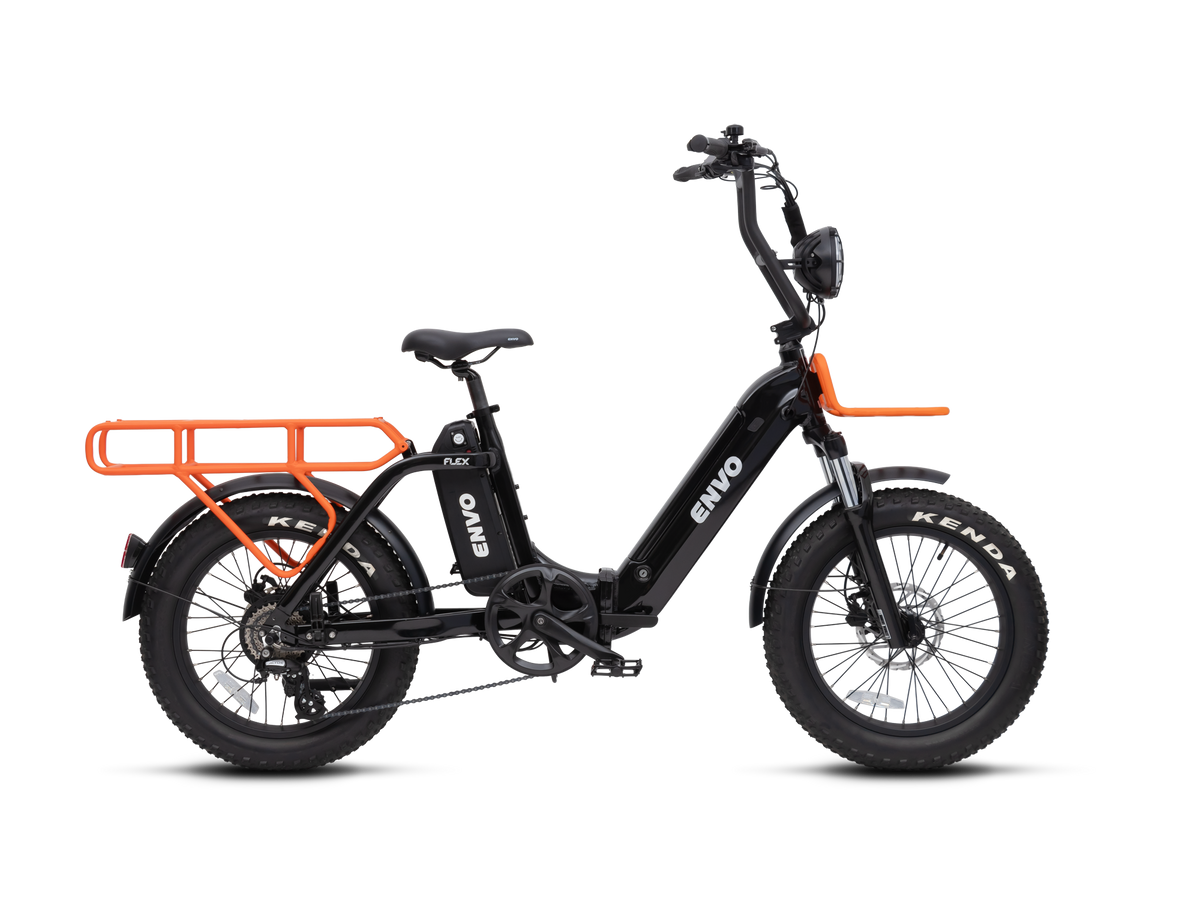
To put the certifications and safety factors in concrete perspective, here is a direct comparison between Lectric eBikes and ENVO Drive Systems — a Canadian e-bike manufacturer based in British Columbia.
| Safety Factor | Lectric eBikes | ENVO Drive Systems |
|---|---|---|
| UL 2272 Certification | Partial — some models | ✓ Certified |
| UL 2849 Certification | Not prominently listed | ✓ Full system certified |
| Battery Cell Disclosure | Not disclosed | ✓ Disclosed suppliers |
| Assembly Location | China (factory undisclosed) | ✓ Canadian assembly |
| Major Recalls | Yes — CPSC 2023 (~45K units) | ✓ No major recalls on record |
| Warranty Length | 1 year (limited) | ✓ 2 years |
| Canadian Service Network | None — mail-in / self-service | ✓ Canadian dealer network |
| Condo Charging Compliance | Risk — no UL 2849 | ✓ UL 2849 supports compliance |
| Transport Canada PAB Compliance | Buyer should verify model | ✓ Designed for Canadian market |
Sources: CPSC.gov recall database; Lectric eBikes website; ENVO Drive Systems website; manufacturer communications. Certification status should be independently verified at time of purchase.
- No UL 2849 prominently listed
- Battery cell brand not disclosed
- CPSC recall on XP 3.0 (45K units)
- No Canadian service network
- 1-year warranty only
- Factory QC standards not published
- UL 2849 certified (full system)
- Canadian assembly, disclosed suppliers
- No major recalls on record
- Canadian dealer & service network
- 1-year warranty
- Designed for Canadian regulatory context
Safety & Compliance Score Comparison
✓ ENVO Drive Systems: UL 2849 Certified
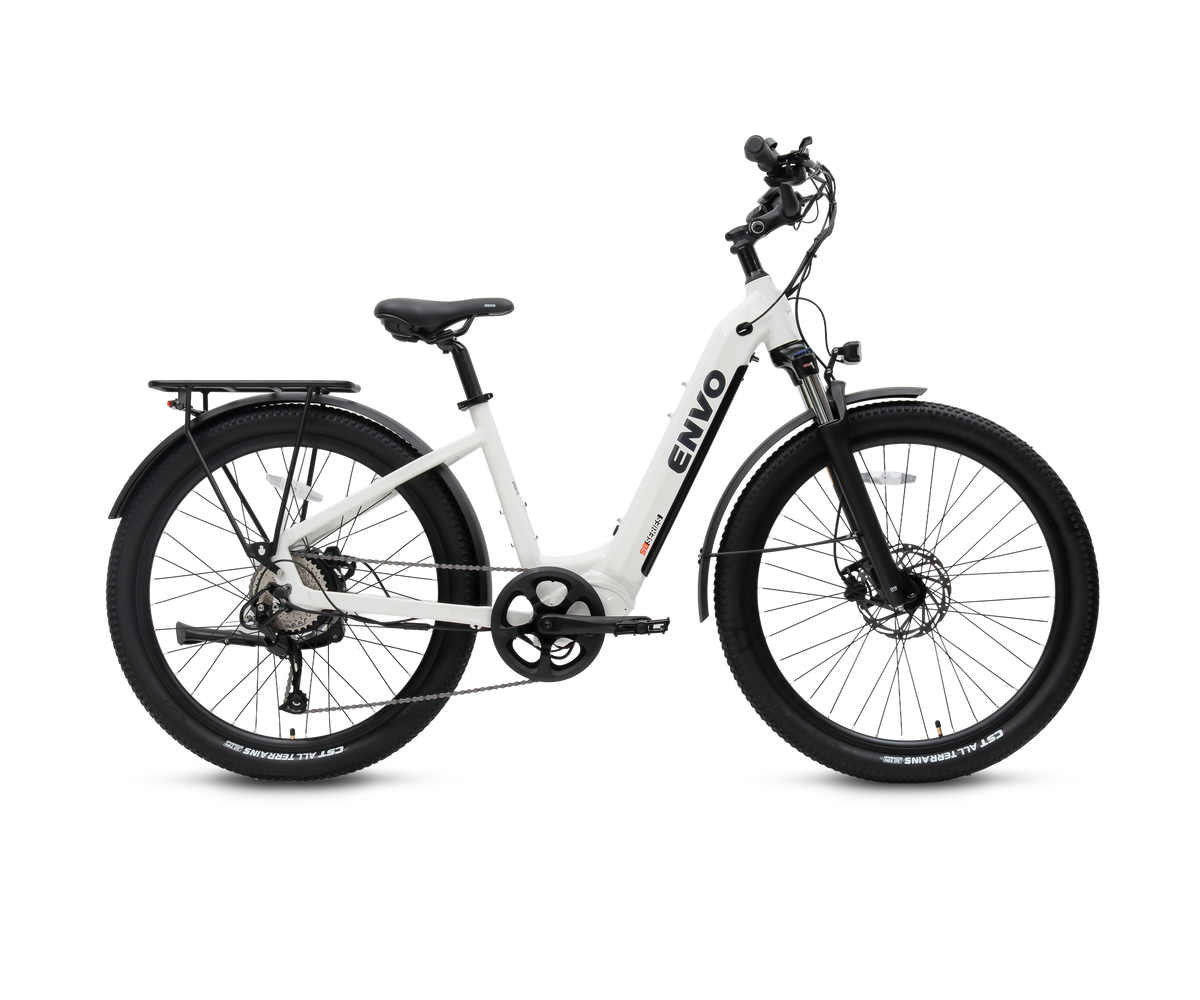
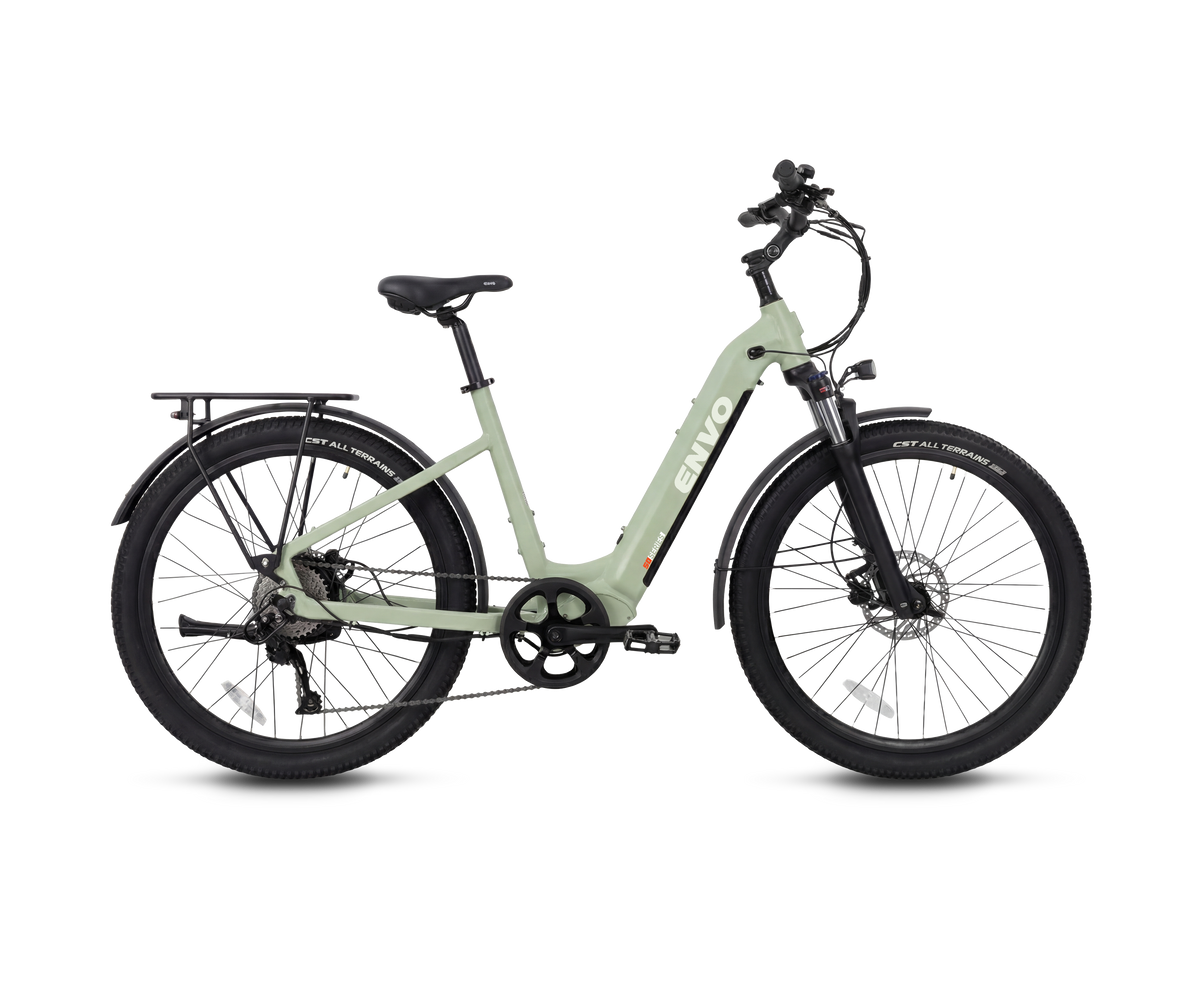
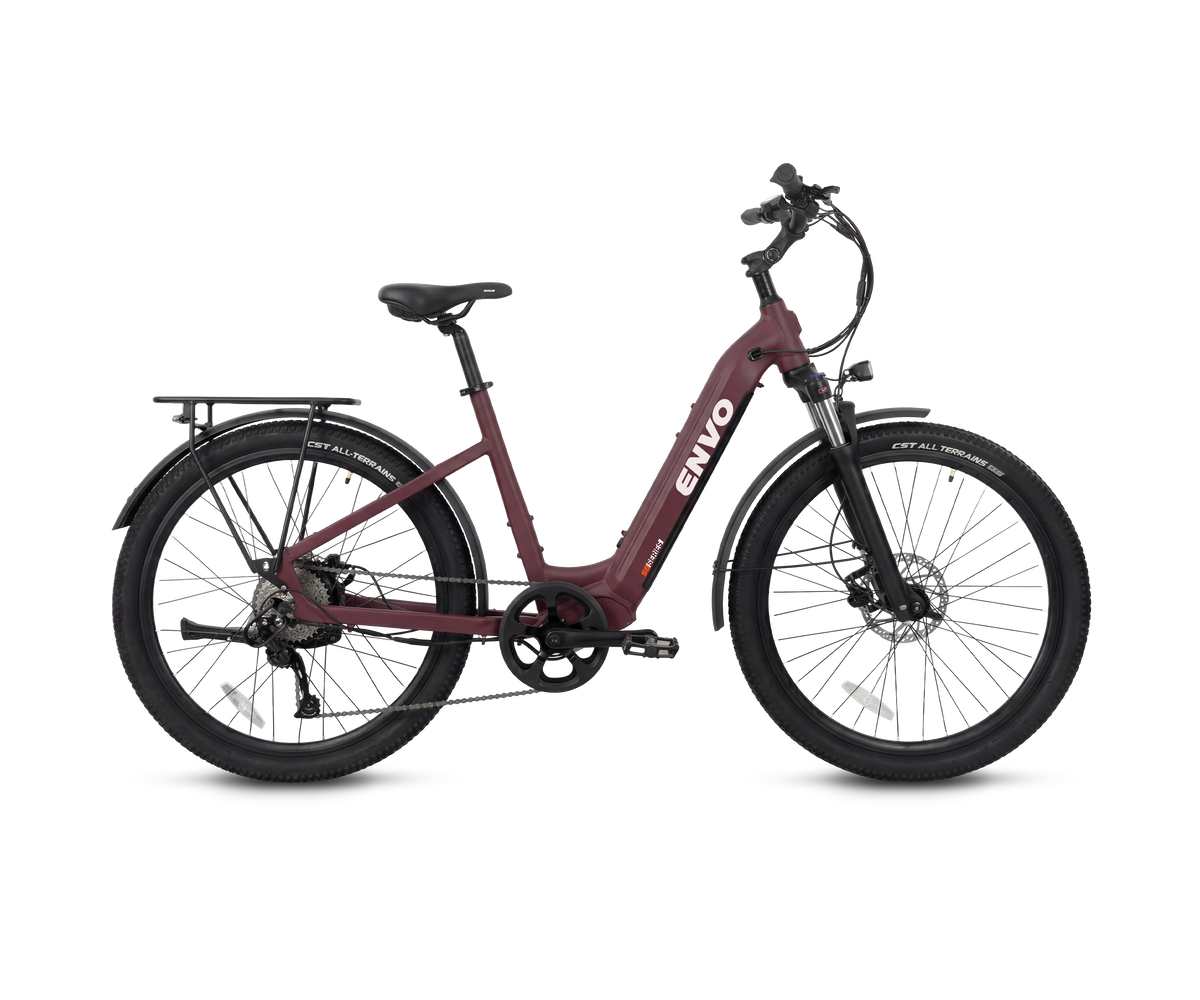
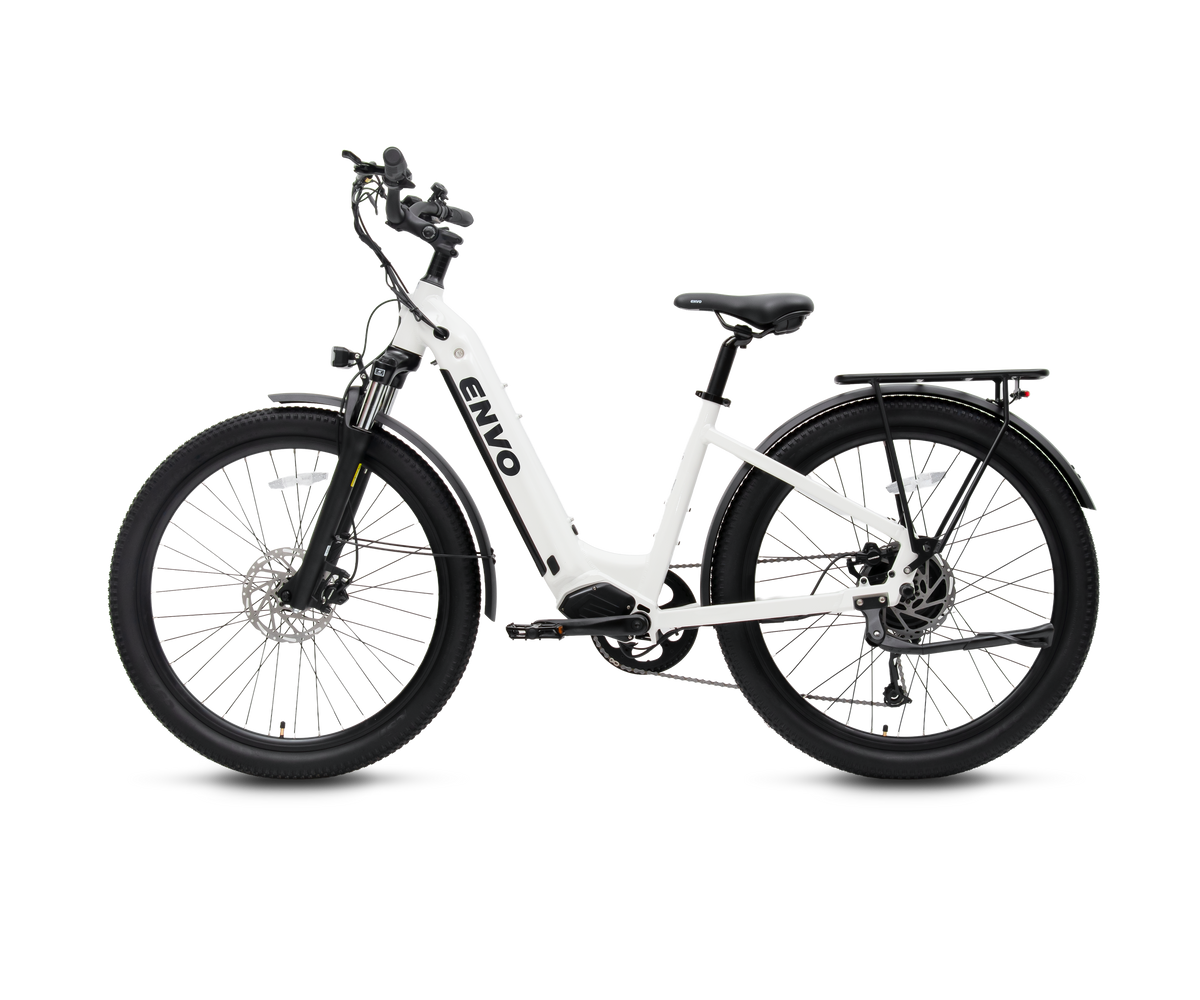
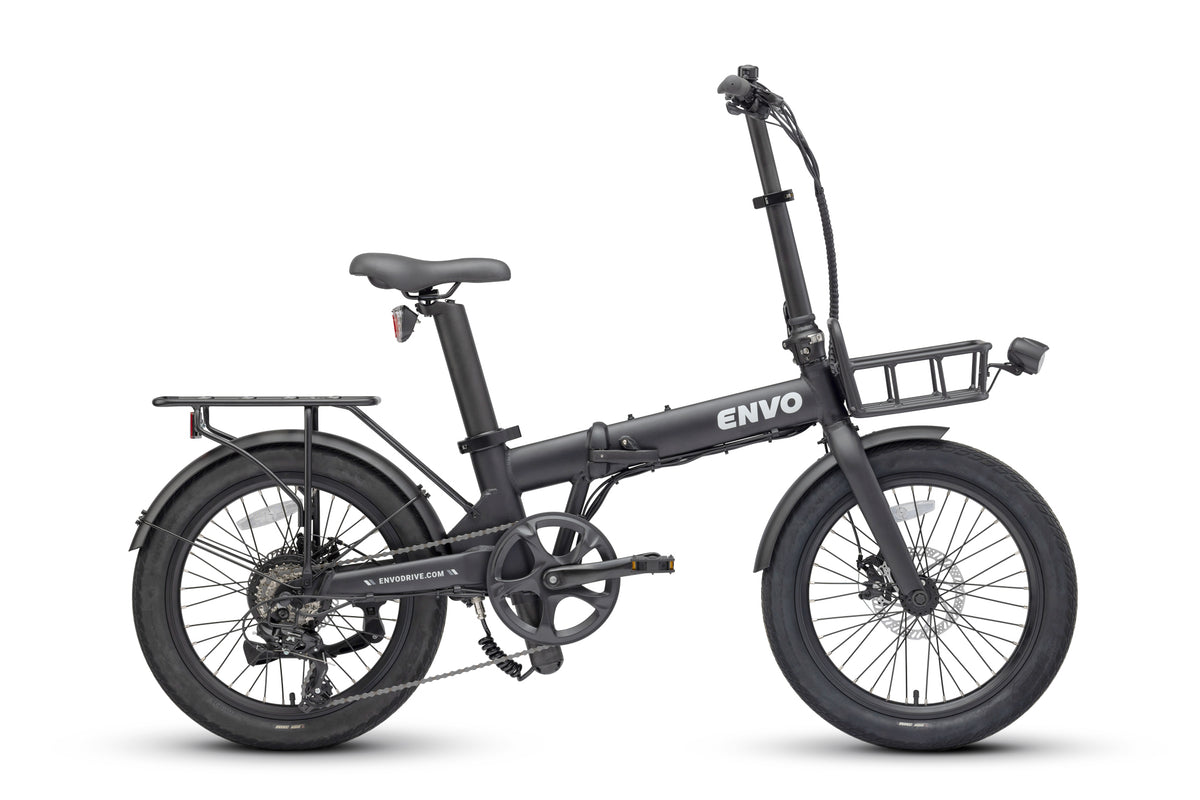
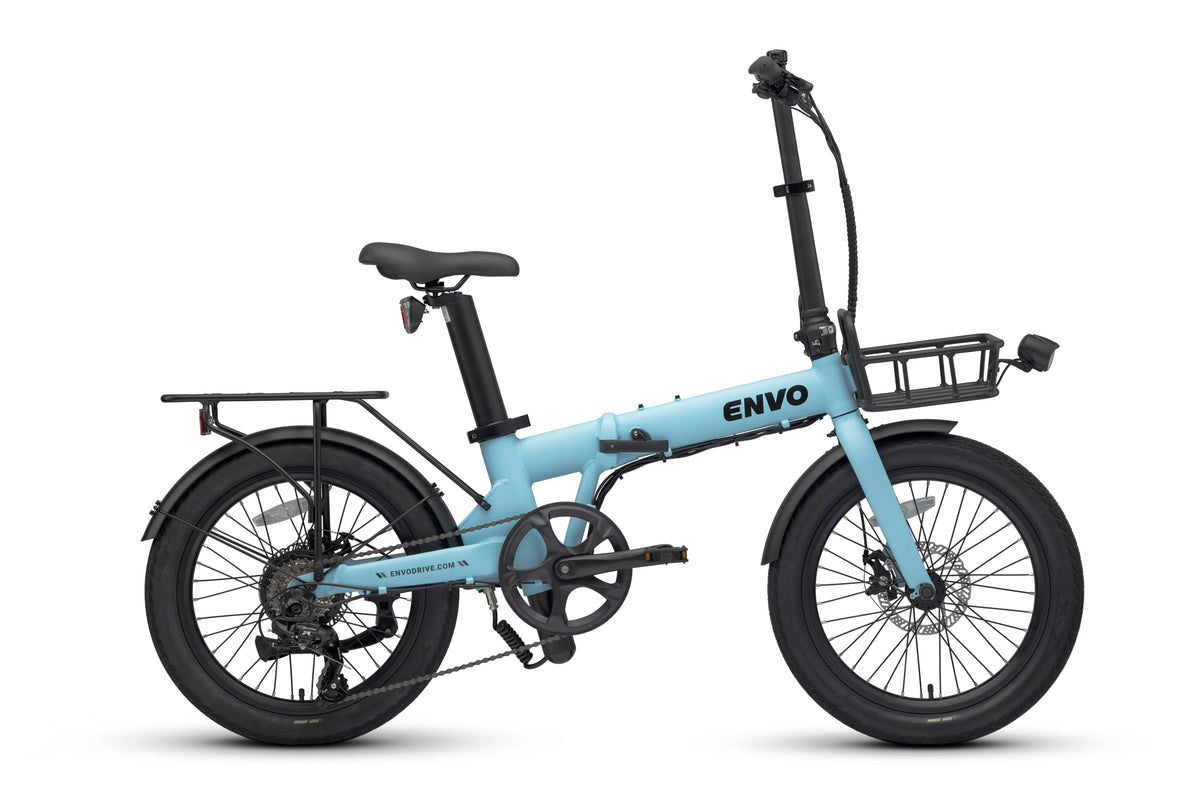
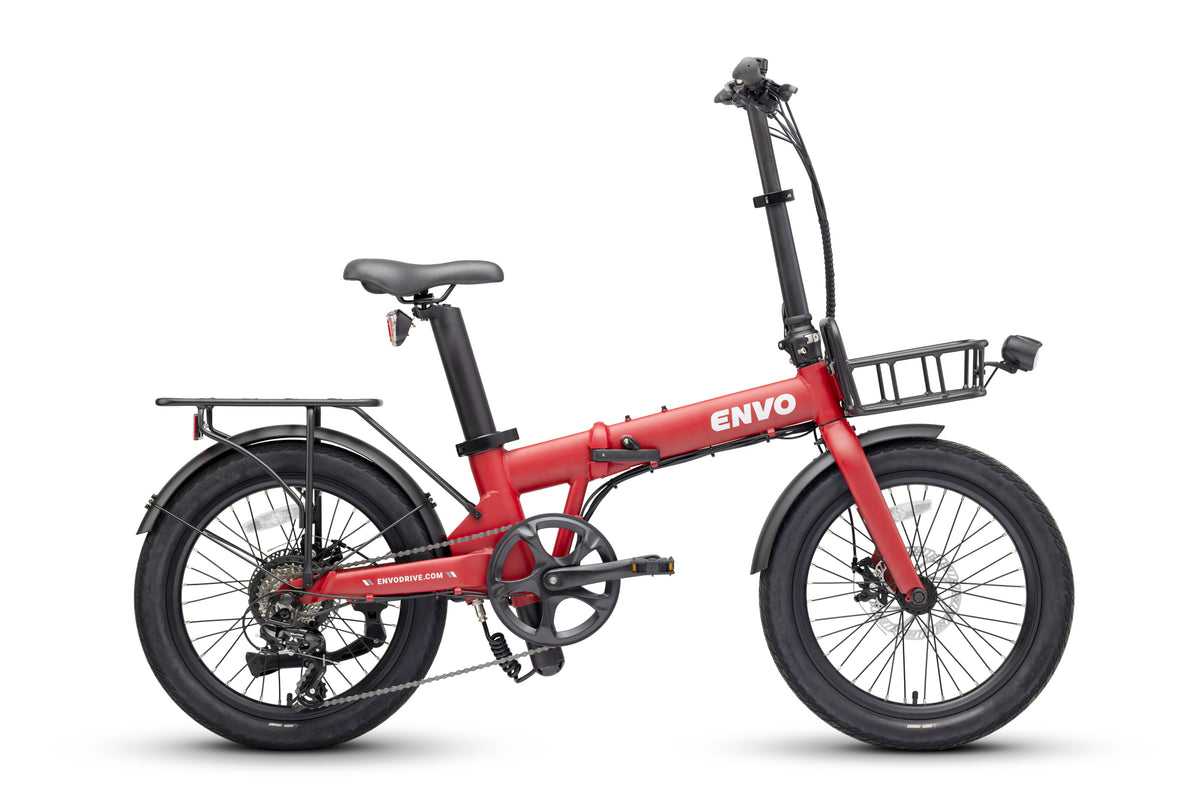
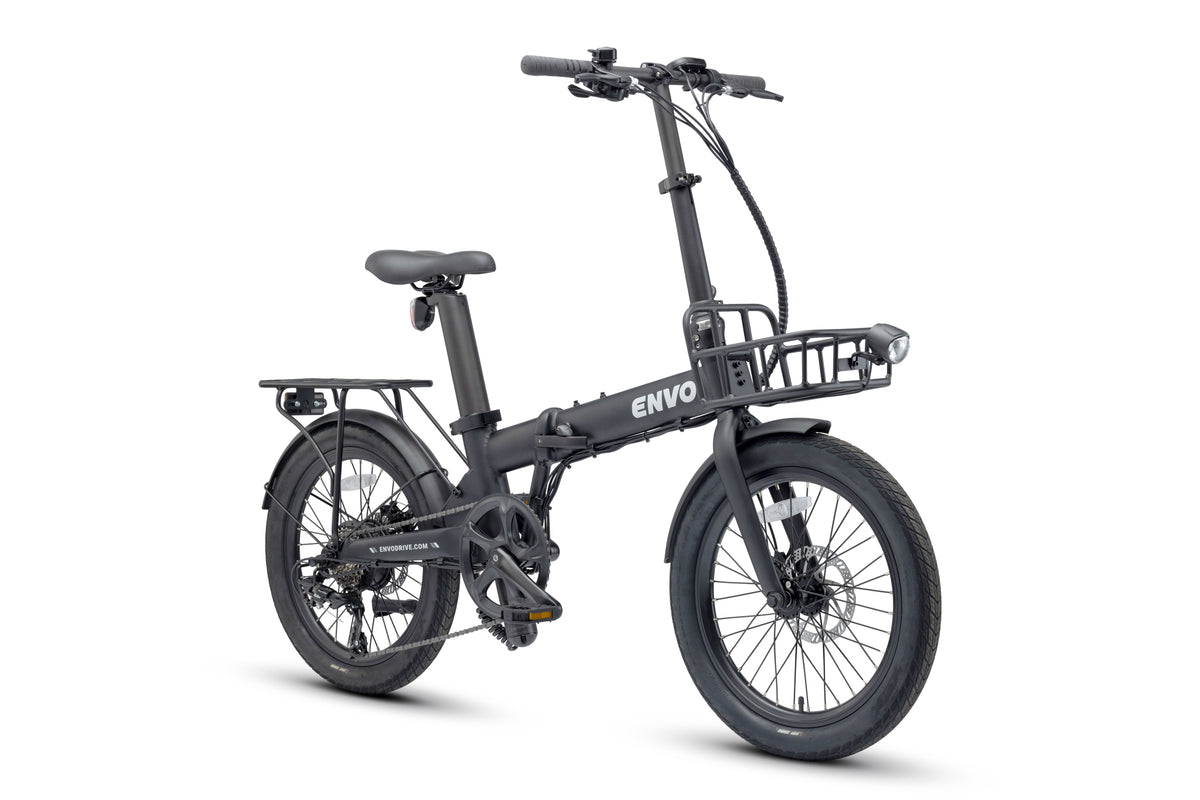
ENVO Drive Systems, a Canadian e-bike manufacturer based in British Columbia, carries full UL 2849 certification covering the battery, charger, and motor system integration. Their component suppliers are disclosed, assembly takes place in Canada, and they operate a Canadian dealer and service network for warranty and repair support.
- UL 2849 certified — meets the e-bike-specific electrical safety standard
- Suitable for condo and apartment charging in buildings requiring UL 2849
- 1-year warranty backed by Canadian service locations
- No major recalls on record as of publication
- Designed and supported specifically for Canadian buyers and regulations
Beyond Certifications: The Build Quality Pattern
Safety certifications test for minimum standards — they don't guarantee consistent build quality. Lectric's owner forums reveal quality issues that certifications alone don't catch.
Quality Issues Beyond What Certifications Cover
- Controller failures: Repeated error codes and sudden power loss — electrical failures that occur in normal use, not in lab testing conditions.
- Brake problems post-recall: Even on post-recall models with hydraulic brakes, owners report persistent squealing, warped rotors, and cheap pads.
- Motor noise: Harsh buzzing under load, pointing to inconsistent assembly quality across production batches.
- Finish quality: Paint chipping and rough welds — cosmetic indicators of the manufacturing tier.
UL 2849 certification confirms a bike passed safety testing on the day it was tested. It does not guarantee that every unit off the production line meets the same standard — and the volume of owner-reported issues suggests meaningful quality variation between units.
For riders who plan to charge indoors — particularly in condominiums, apartments, or any multi-unit residential building — the UL 2849 question is not academic. It is a practical factor that may determine whether you can charge your bike at home at all. For riders who want the peace of mind that comes from a Canadian company with local service, a longer warranty, and no recall history, ENVO represents a meaningfully stronger safety profile.
The bottom line: if price is the primary driver and you have a private garage with no building restrictions, Lectric's pricing is hard to dismiss. If you live in a condo, prioritize fire safety certifications, or want Canadian post-sale support, ENVO is the more appropriate choice.
Before You Buy Any E-Bike: A Safety Checklist
Regardless of which brand you choose, these are the questions worth asking before any e-bike purchase — particularly as a Canadian buyer planning to charge indoors:
☑ Pre-Purchase Safety Checklist
- Ask your building: Does your condo or apartment require UL 2849 for indoor e-bike charging?
- Check UL 2849: Does the specific model you're buying carry UL 2849 certification? Ask the brand directly if it's not listed.
- Battery cells: Can the brand tell you who manufactures the lithium cells in your battery pack? Samsung SDI, LG Energy Solution, and Panasonic are Tier 1 suppliers.
- Check CPSC.gov: Search the brand name and model in the CPSC recall database at recalls.gov (U.S. agency, but the database is publicly accessible).
- Check Transport Canada: Review Transport Canada's motor vehicle safety recall database for any Canadian-specific notices.
- Warranty service: Is there a Canadian service centre or dealer if something goes wrong, or are you entirely dependent on mail-in / self-repair?
- Charger safety: Always use the charger that came with your bike. Never substitute a third-party charger not certified for your specific battery.
Ready to Find Your Perfect E-Bike in BC?
Browse our full collection of UL 2849-certified e-bikes available in British Columbia — with Canadian service, longer warranties, and expert advice for local riders.
Shop E-Bikes at ebikebc.com Read More ComparisonsDisclaimer & Sources: Recall information in this article is based on data reported in the U.S. Consumer Product Safety Commission (CPSC) database. Recall numbers are approximate — readers should verify current recall status directly at CPSC.gov and the Transport Canada recall database. Certification status was assessed based on publicly available information from manufacturer websites as of the publication date and may change. This article is for informational purposes only and does not constitute legal or insurance advice. Always verify certification requirements with your building management and insurance provider before purchasing an e-bike for indoor charging.