
Aima eBikes Battery Cells: LG, Bafang, and What's Not Disclosed
Aima discloses LG cells in its Bafang battery packs (614Wh, 720Wh, and 960Wh formats) across its Canadian lineup. Here's what they share, what they don't, and what to ask before buying.
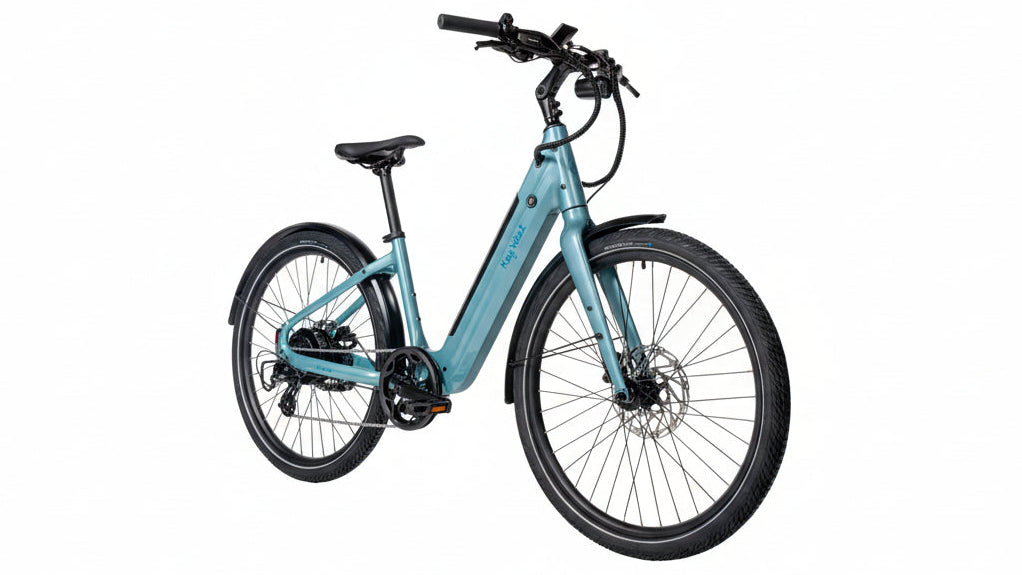
Table of Contents
Why Battery Transparency Matters in 2026
When buyers talk about e-bike "quality," they often mean the battery — whether they realize it or not. The battery is the most expensive wearable part on the bike. It's the biggest long-term reliability variable. And it's the single component that most directly affects fire safety, winter performance, resale confidence, and replacement cost five years from now.
In 2026, battery transparency is not enthusiast nitpicking anymore. It's become one of the clearest signals you can use to tell whether a brand is genuinely comfortable being scrutinized. Brands that publish branded cell sources, named pack models, and verifiable certification references behave differently from brands that hide behind generic phrases like "premium lithium cells" — and that behavioural difference tends to predict how the brand acts when something goes wrong years later.
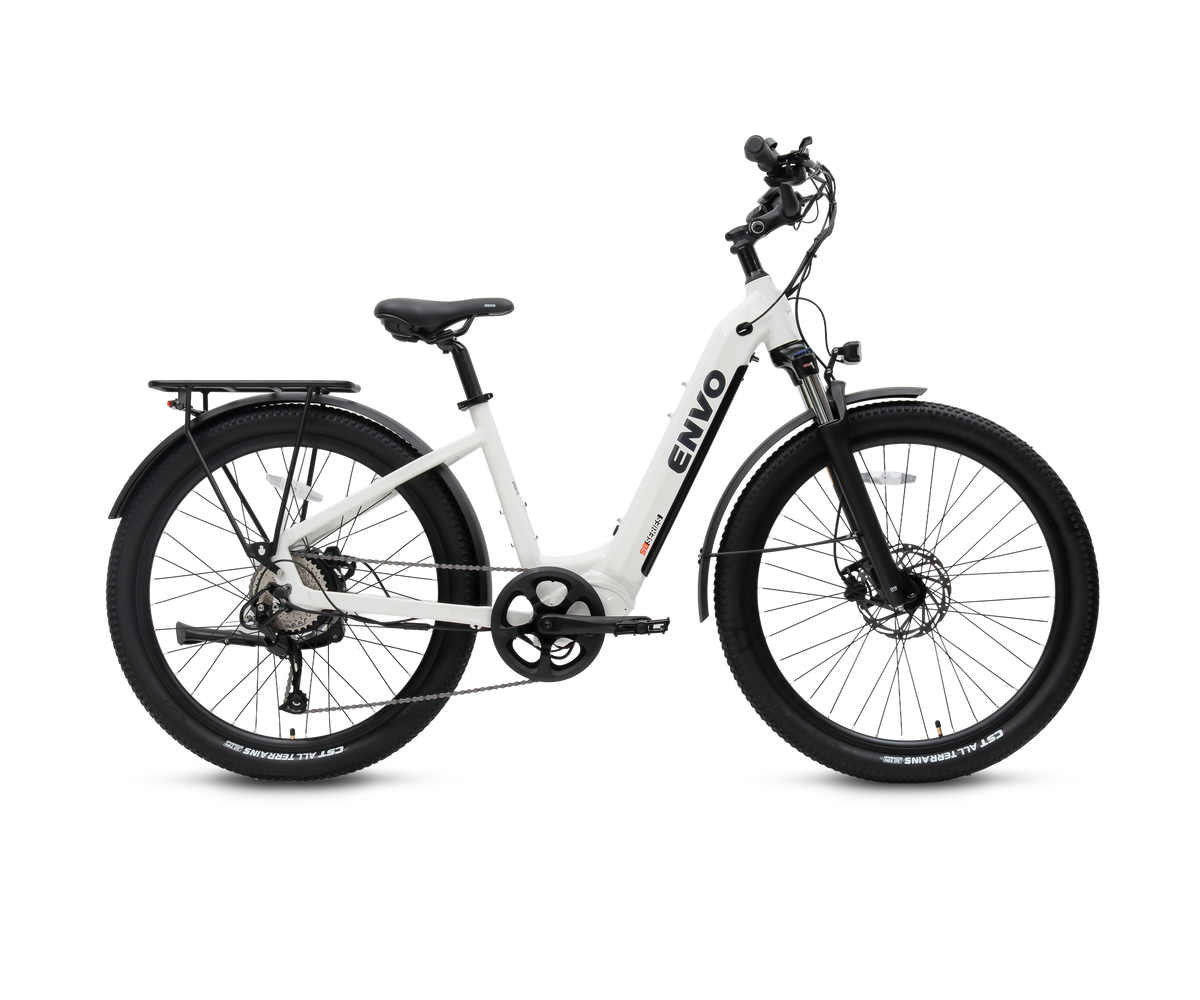
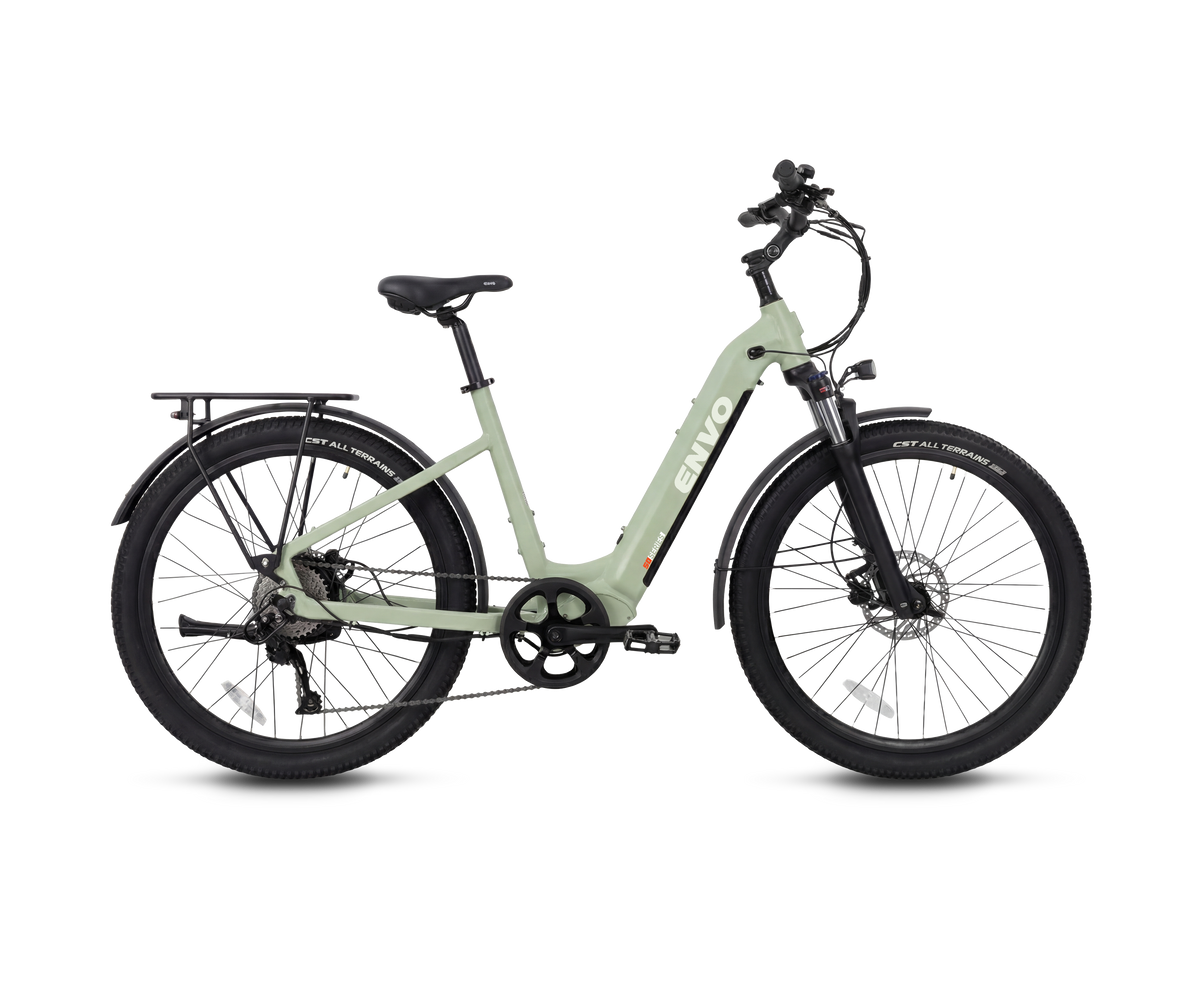
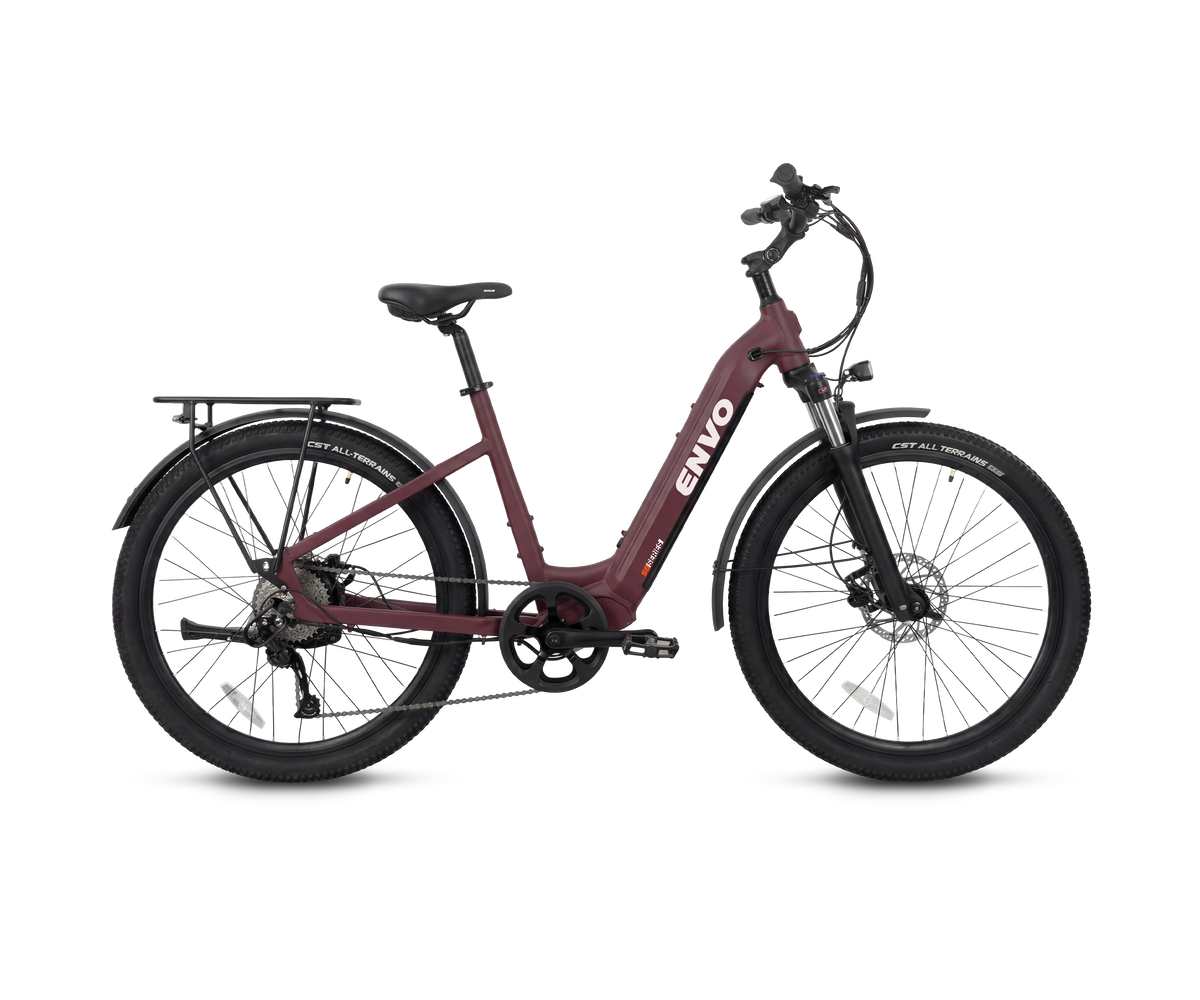
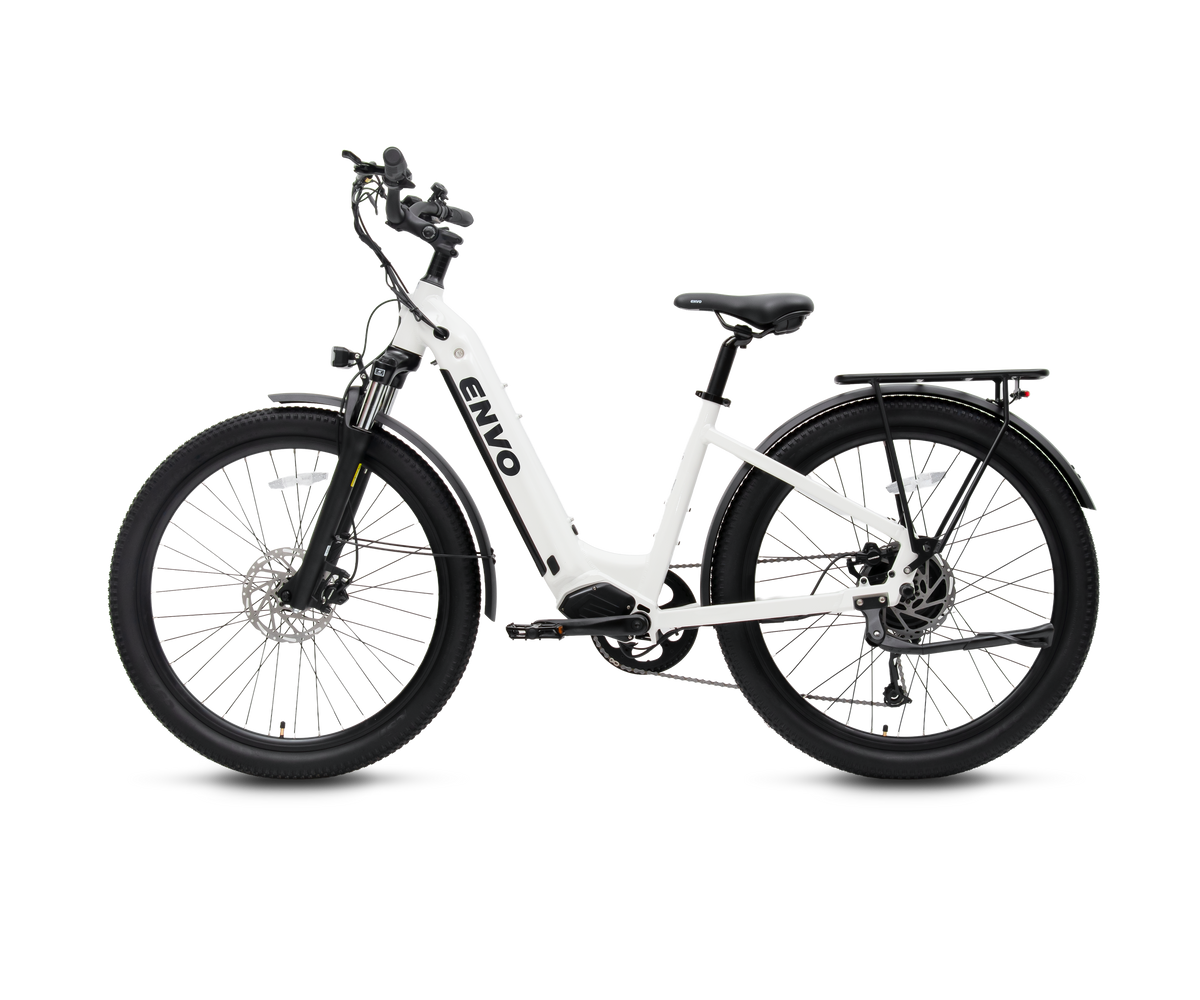
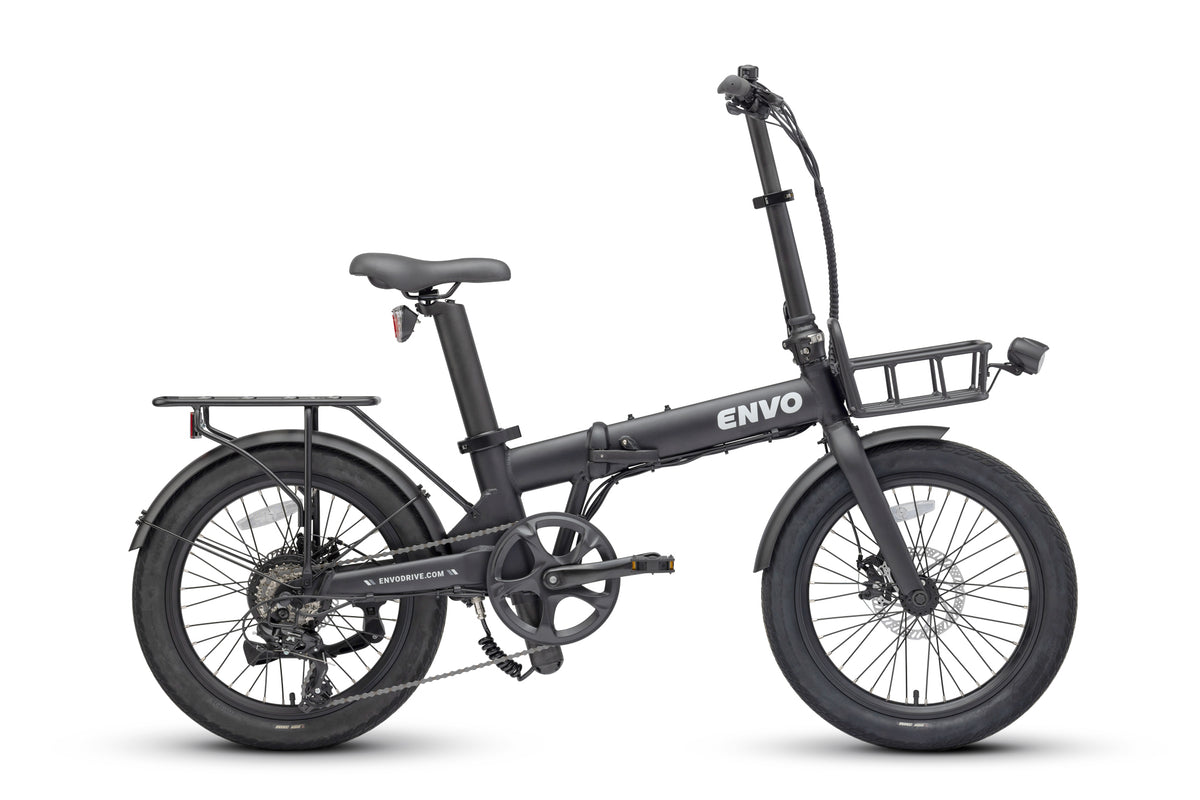
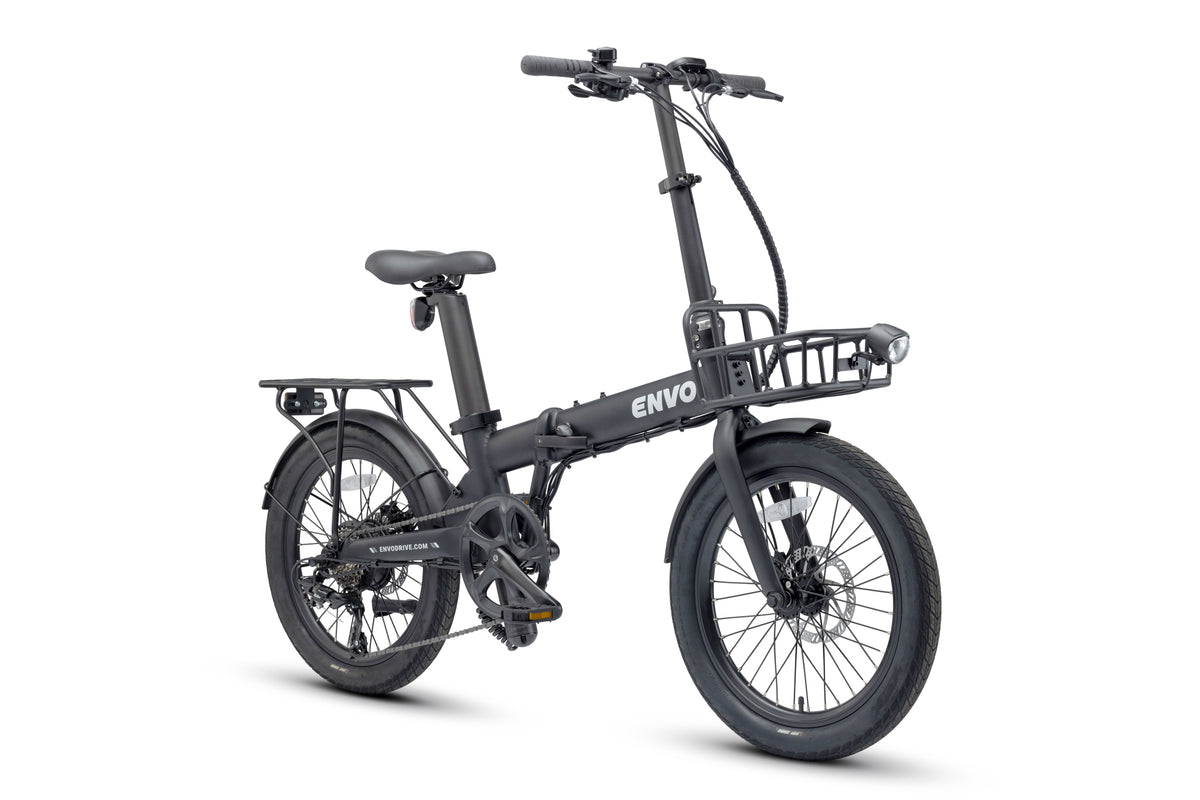
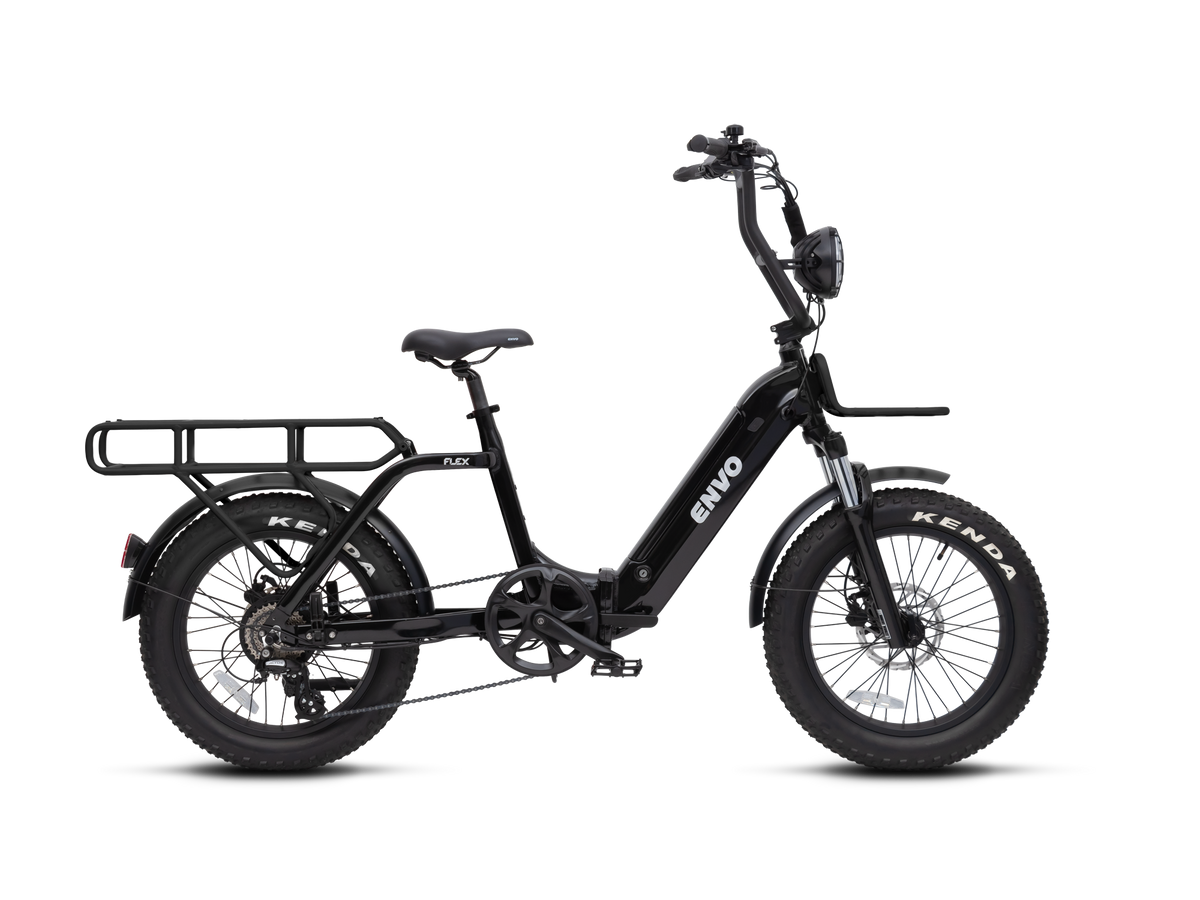
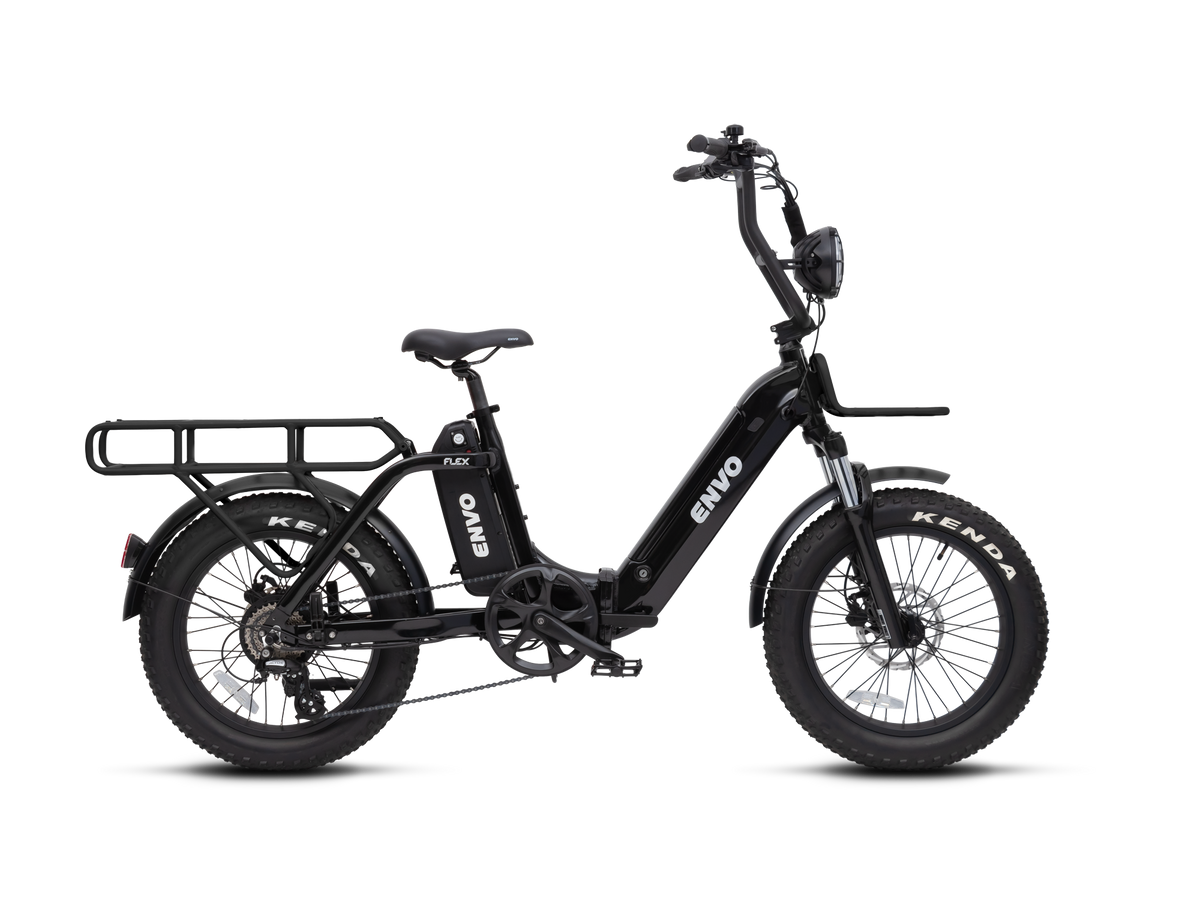
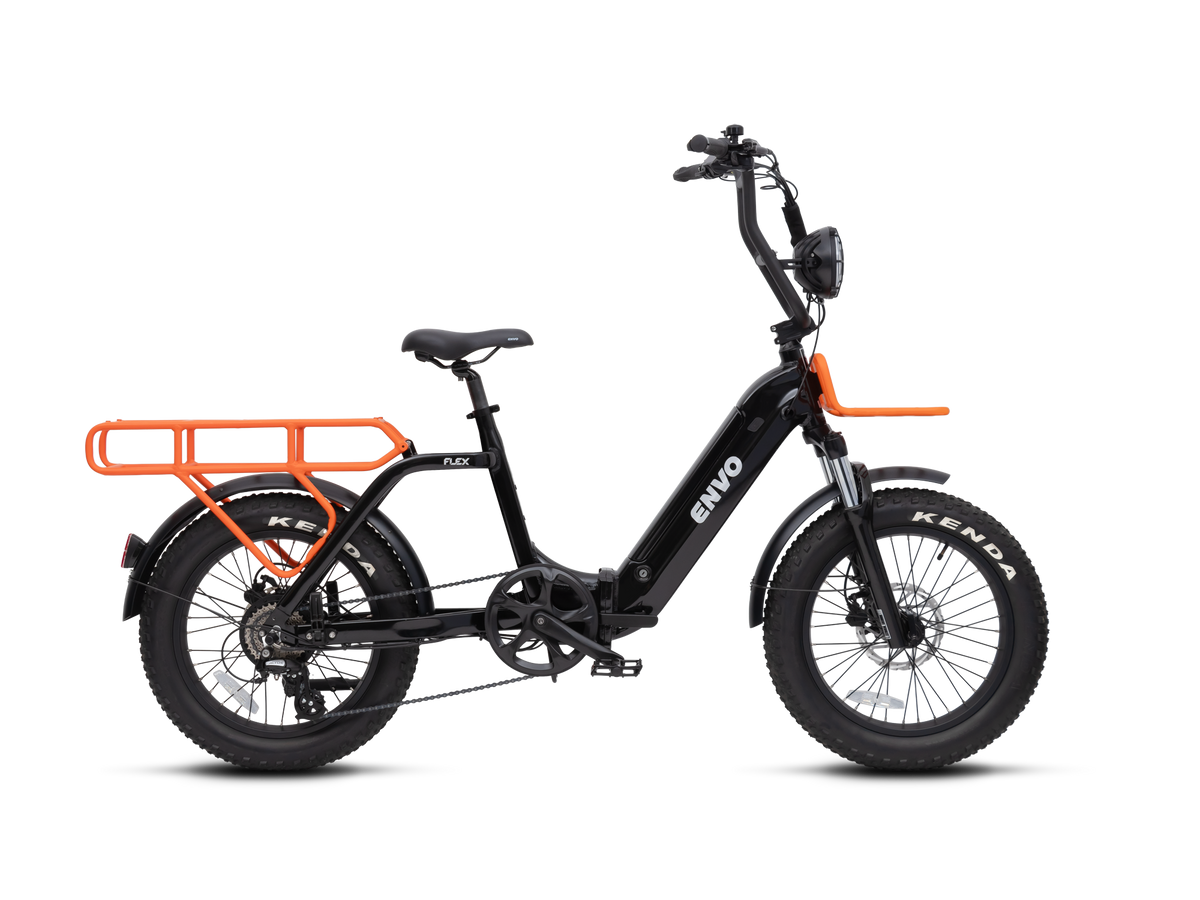
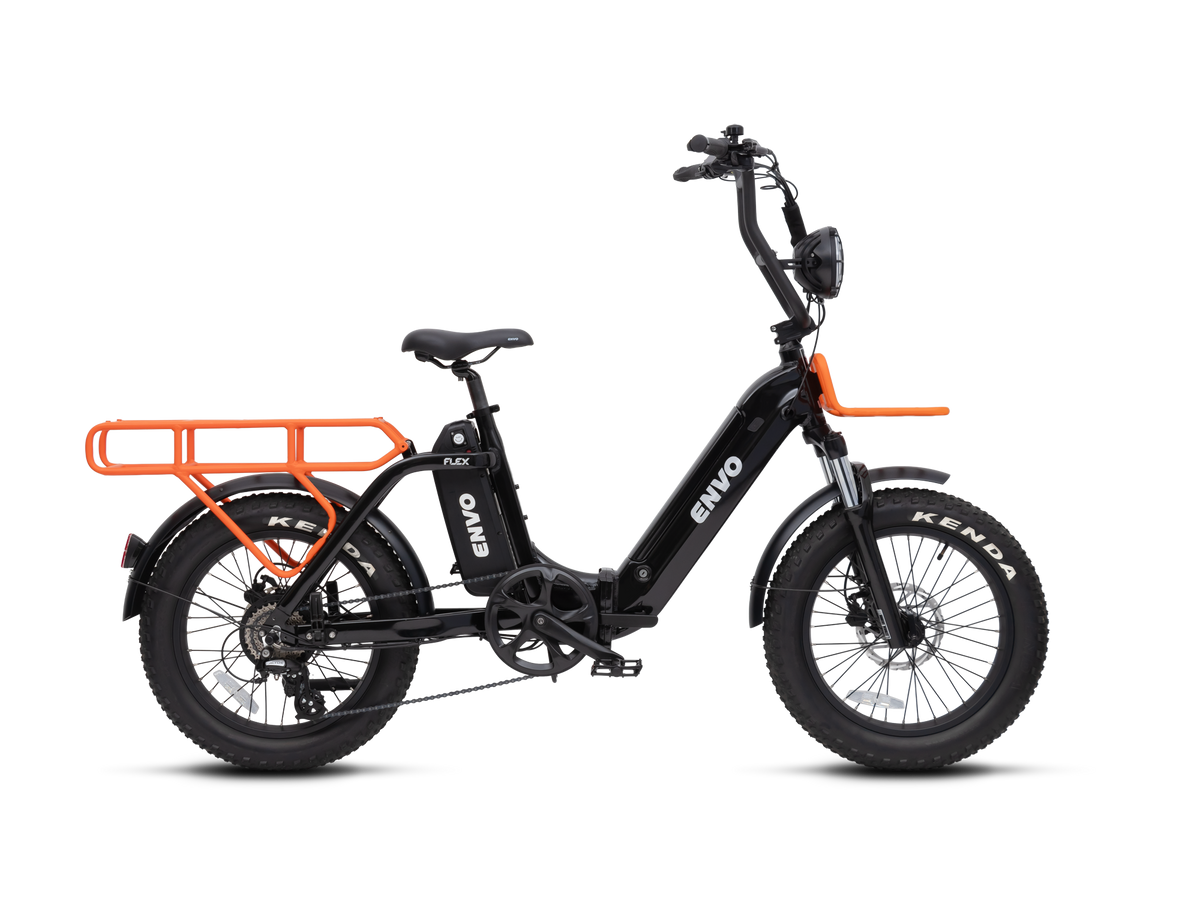
Aima Canada does some things well on this front. It discloses meaningful battery details on several bikes, including Bafang pack model numbers and, for 720Wh packs, LG Electronics cells. But it also leaves meaningful gaps, especially around the larger 20Ah / 960Wh batteries, battery management system architecture, and charger specificity. The honest assessment lands somewhere between "fully transparent" and "mystery box." It deserves a careful read rather than a sweeping verdict. If you'd rather start with a Canadian-rooted alternative with disclosed LG cells, the ENVO D50 is the most direct comparison point.
What Aima Does Disclose
Aima's Canadian Technology page states that its Bafang battery packs use cells manufactured by LG Electronics. That's a named cell source — a meaningful step beyond the typical unnamed "lithium-ion" disclosure most budget brands stop at. Across the Canadian lineup, Aima goes further and ties specific Bafang pack model numbers to specific bikes.
Verified Pack Disclosures — Aima Canada
- Key West: Bafang BT F304, 614Wh, with LG cells
- Santa Monica: Bafang BT F440, 720Wh, with LG cells
- Big Sur G2 15Ah: Bafang BT F400, 720Wh, with LG cells
- Big Sur Sport G2 15Ah: Bafang BT F400, 720Wh
- Big Sur Cargo 15Ah: Bafang BT F400, 720Wh
That is useful disclosure on three levels at once: battery capacity, the specific battery system supplier, and the cell manufacturer where named. Most brands disclose one of those three. Aima is disclosing all three on its higher-capacity models — and you can verify it against the product pages directly. (Note: the Key West uses a smaller 614Wh pack, not the 720Wh pack found on Santa Monica and the Big Sur 15Ah family. Cross-shopping by Wh is the cleanest apples-to-apples comparison.)
It also fits the broader system story Aima tells about its bikes: Bafang motor, Bafang display, Bafang torque sensor, Bafang battery ecosystem, and a UL 2849 system certification claim layered on top. Platform consistency is generally preferable to a random mix of anonymous electrical parts that may or may not have been engineered to work together. For Aima's claim on full-system certification specifically, see our companion piece on Aima's UL 2849 safety certification claim.
LG Electronics Cells — Why That Signal Matters
When a brand publicly names LG Electronics as the cell source, that's not trivial. It tells the buyer the battery is not being marketed as a black box assembled from unnamed commodity cells. It also signals the brand is willing to be held accountable to a specific supply-chain partner with its own published quality reputation — something a brand using anonymous cells cannot meaningfully promise.
Cell quality directly influences longevity, charge-discharge consistency, thermal behaviour, voltage sag under high load, and cold-weather degradation patterns. Two batteries with identical Wh ratings can perform very differently in year three of ownership depending on the underlying cell, and Canadian riders feel that gap more acutely than most because batteries live harder lives here. Cold temperatures reduce usable range, and lower-grade cells show their weaknesses faster in shoulder-season riding and in unheated winter storage.
It is important not to over-romanticize "LG cells" as a magic incantation. Naming LG cells does not, by itself, guarantee a perfect battery. Pack design, BMS calibration, thermal management, mechanical assembly quality, and charger behaviour all matter — and you can build a mediocre pack out of excellent cells. But public disclosure of branded cells is still a strong positive signal. It gives the buyer something concrete to verify, something specific to compare against alternatives, and something with which to push back if real-world performance falls short. That last point is exactly why budget brands resist disclosure.
In short: "LG cells" should not be over-romanticized, but it is a real, meaningful green signal — especially in a Canadian climate context.
Bafang BT F304 vs BT F400 vs BT F440 — Pack Specifications
Aima isn't using one single battery shell across the lineup. It splits the family into three distinct Bafang pack formats, and that split is meaningful enough to be worth understanding before you buy.
The Three Pack Families in Aima Canada's Lineup
- BT F304 (614Wh): Key West — the smallest pack in the Canadian lineup, sized for the compact commuter geometry
- BT F440 (720Wh): Santa Monica — slimmer commuter form factor with mid-tier capacity
- BT F400 (720Wh / 960Wh): Big Sur G2, Big Sur Sport G2, and Big Sur Cargo — heavier-duty all-terrain pack family
Different bikes use different Bafang pack formats, and the choice usually reflects frame integration, geometry, and intended use case rather than a hierarchical quality ranking. The BT F304 is the lowest-capacity option in the Canadian Aima lineup and is matched specifically to the Key West. The BT F440 fits commuter geometry cleanly on the Santa Monica. The BT F400 is shaped for the more utility-oriented Big Sur family. All three are real Bafang pack models with their own documentation trail, which is itself useful — you can look them up, ask a Bafang-trained shop about them, and source replacement parts through a real supply chain rather than a closed proprietary ecosystem.
One subtle but important takeaway: the Key West's 614Wh pack is meaningfully smaller than the 720Wh packs used on Santa Monica and Big Sur 15Ah variants — about 15% less energy capacity. If you're comparing Key West to other Aima models (or to competitor bikes) on range, make sure you're comparing 614Wh to 614Wh, not assuming all Aima bikes ship with the same 720Wh pack.
What's Not Disclosed
This is where the transparency story thins out. Aima earns credit for what it does publish, but the picture is incomplete in three specific places — and a careful buyer should know exactly where the disclosure stops.
1. Cell Brand for the 20Ah / 960Wh Variants
Aima's Canadian pages are fairly good about the 720Wh batteries, but noticeably less clear about the larger 20Ah / 960Wh variants. We were able to verify 20Ah model pricing on the Canadian site, but we did not find equally explicit Canadian-page disclosure naming the specific cell brand inside those 960Wh packs.
That is a real disclosure gap, not a nitpick. If a buyer is paying extra for the larger battery — and Aima's 20Ah variants do command a price premium — they should reasonably want to know whether it uses the same branded LG cell sourcing as the 720Wh pack, or something different. Without that disclosure, you are buying the premium-capacity option on partial information.
2. BMS Specifications
Aima says the battery is part of a UL 2849 certified system using Bafang components, but the consumer pages don't go deep into BMS architecture, cell balancing logic, thermal protection behaviour, low-temperature charging safeguards, or service-side diagnostics. For most buyers, that's acceptable. For a detail-oriented buyer comparing long-term battery risk across brands, it leaves gaps.
3. Charger Specifics
Model pages typically list "AIMA 48V Fast Charge" or "AIMA 48V 3A Fast Charge," but don't provide richer consumer-facing detail about charger certification or replacement-policy rules. The charger is part of the UL 2849 system claim under Aima's documentation, but if you need to replace it in three years, the public-page detail isn't enough to plan against.
4. Tire Brand
This is one of the clearest examples of selective transparency on Aima's Canadian product pages. Tires are described in specification terms — for example, "27.5 × 2.1″ reflective sidewall, e-bike rated casing" — but the manufacturer is not named. There is no Schwalbe, no Maxxis, no Kenda, no CST, no Vee Tire callout. The size, width, and feature set are disclosed; the brand is not.
Tires matter for ride feel, rolling resistance, puncture resistance, wet-weather grip, and replacement cost — all things a buyer can plan around if the brand is named, and all things that become guesswork if it isn't. The asymmetry is telling: Aima names Bafang for motors and battery systems, names LG for battery cells, and names UL 2849 for certification — but stays generic on tires. The components Aima is comfortable advertising get named; components where the brand pedigree is less marketable get described by spec alone.
Some Battery and Component Details Remain Unverified on Canadian Pages. Aima Canada does publish credible battery information. But several of the most important questions remain under-disclosed publicly:
- Explicit cell-brand disclosure for the 20Ah / 960Wh batteries
- Deeper BMS specifications and thermal-management detail
- Fuller charger specifications and replacement-charger policy
- Separately published UL 2271 battery-pack certification status
- Tire manufacturer / brand
- Detailed Shimano model designations (Acera ST-M315 / Altus RD-M310 are present on Key West and Big Sur G2 — both Shimano's entry-tier components, sitting below Alivio and Deore)
That doesn't mean the underlying hardware is poor. It means the public documentation is partial — and the pattern of which components are named vs. unnamed leans systematically toward the components that read best on a spec sheet. Plug the gaps with written confirmation from the dealer before purchase, not assumption.
LG Cells + Bafang Systems Are Real Signals. Don't overcorrect into cynicism just because the disclosure isn't 100% complete.
- Bafang electrical systems disclosed across the lineup
- Specific Bafang pack model numbers (BT F304, BT F400, and BT F440) tied to specific bikes
- LG Electronics cell disclosure on the 720Wh packs
- UL 2849 system certification claim across the pedal-assist lineup
- Per-unit unfalsifiable UL-certified labels
These are concrete signs of a brand using recognizable, named supply-chain partners — not a nameless battery ecosystem. Aima also ties its bikes to UL 2849 system compliance across the lineup, which supports the case that battery integration is being handled within a serious system framework rather than as an afterthought.
Comparing to ENVO
If you're cross-shopping Aima against a Canadian-rooted alternative, ENVO is the natural comparison. ENVO also publicly talks about branded cells and strongly emphasizes UL 2849 across its lineup. ENVO marketing materials state that certain models use LG cells — putting the two brands in genuinely similar territory on the headline transparency question.
On the narrow question of "Do they disclose known-brand cell sourcing at all?", Aima is not behind. It belongs in the more transparent bucket rather than the opaque one. That's a real and honest finding, and it would be wrong to manufacture a difference where the documentation actually shows parity.
Where ENVO may still feel stronger to some buyers is in its broader Canadian support narrative and its more aggressive battery-safety messaging aimed specifically at local buyers and Canadian buildings. ENVO's Canadian operating history and headquartered-in-Burnaby identity also reinforce the support story in a way Aima's distributor-led model in Canada does not yet match. For more on that structural difference, see our piece on whether Aima is a Canadian company. But on battery disclosure specifically, Aima's LG cell disclosure is real and should not be dismissed.
For a direct look at the ENVO side of this comparison, the ENVO D50, ENVO ST50, and ENVO Lynx 20 are the Canadian-assembled comparison points, and the full EbikeBC electric bike collection covers the rest of the lineup.
Practical Buyer Guidance
Whatever brand you ultimately choose, ask these five battery questions in writing before you buy. They convert what's currently a marketing claim into something you can actually defend with paperwork in year three.
Five Battery Questions to Ask Before Buying
- 1. What exact battery pack model is on this bike? Get the Bafang pack code (e.g. BT F304, BT F400, or BT F440) and the exact Wh capacity in writing and confirm it matches the model page.
- 2. What cell brand is in the battery on this exact variant? Ask this especially on 20Ah / 960Wh versions, where Aima's Canadian-page disclosure is thinner.
- 3. What charger is included, and what are the approved replacement chargers? Don't assume any 48V charger on the shelf is interchangeable.
- 4. Is there separate documentation for battery certification? The UL 2849 system claim is clear; ask whether there's also a UL 2271 battery-pack certificate reference.
- 5. What is the replacement battery cost and lead time in Canada? This is the most practical ownership question and the least advertised. Get the number.
If those answers come back specific, written, and consistent, you've converted a brand's marketing into your paperwork. If they don't, that's also useful information — and you can carry it into a comparison with the UL 2849 certified e-bike collection with full eyes-open clarity.
Frequently Asked Questions
The Bottom Line
Aima's battery disclosure in Canada is better than average but not fully complete. The company clearly discloses Bafang battery system model numbers and publicly names LG Electronics cells for its 720Wh packs across multiple Canadian model pages. Those are real trust signals — the kind of supply-chain transparency most budget brands simply will not provide.
At the same time, several important details remain either thin or unverified on the Canadian-facing pages. The cell brand inside the 20Ah / 960Wh variants is not separately disclosed. BMS architecture detail is light. Charger documentation is light. And a standalone UL 2271 battery-pack certification statement isn't published with the same clarity as the UL 2849 system claim.
Verdict: Aima looks meaningfully better than a battery black box, but not yet like a fully open book. If you value practical transparency, that places Aima in a respectable middle-to-strong position — as long as you do the last 10% of verification with your dealer in writing before purchase. For broader context, see how this fits the wider Aima ownership story in our pieces on Aima's UL 2849 claim and whether Aima is worth it in Canada.
Want a Canadian E-Bike with Disclosed LG Cells?
The ENVO D50 is Canadian-assembled in Burnaby, BC, claims UL 2849 system certification, and publicly discusses its LG cell sourcing — built for Canadian buyers who want disclosure depth and local support.
Disclaimer: This article is for informational purposes only and reflects publicly available information as of May 2026, including Aima Canada's Technology page and individual model pages. Battery specifications, supplier relationships, and disclosure practices may change over time. We are not affiliated with Aima Technology Group, Aima Mobility Canada, UNIVELO, Bafang, LG Electronics, or UL Solutions. Always verify current battery details and certification references directly with the manufacturer, distributor, or dealer before purchasing. This article is not technical, safety, or insurance advice.