

Aima eBikes Safety Certifications: UL 2849 Compliance Explained
Aima claims UL 2849 across its Canadian lineup. Here's what that means, what UL 2271 says about it, and why this matters for Canadian condo dwellers.
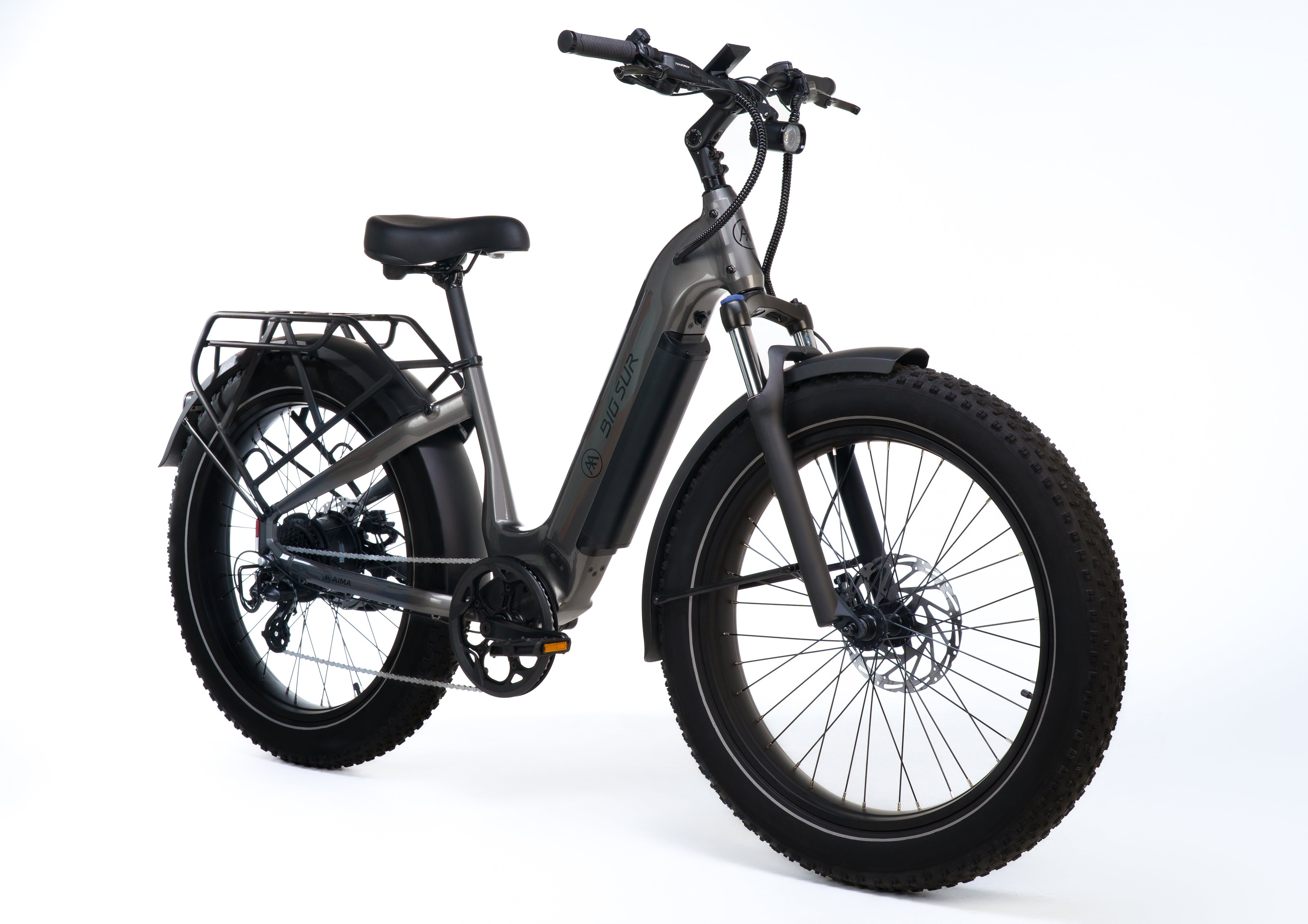
Table of Contents
Why UL 2849 Suddenly Matters
In 2026, UL 2849 is no longer a nerdy spec-sheet detail buried at the bottom of a manual. It's becoming one of the most practical buying filters in the Canadian e-bike market — especially for anyone who lives in a condo, an apartment, or a shared residential building. Property managers care about it more. Insurers care about it more. Strata councils care about it more. And UL 2849 is increasingly treated as the headline safety credential, because it evaluates the e-bike as a complete electrical system rather than just one isolated component.
That backdrop is what makes Aima Canada's safety messaging worth a serious look. Aima makes a direct public claim: every pedal-assist electric bicycle it sells in Canada is fully compliant with UL 2849, and each unit carries a unique unfalsifiable UL-certified label. Aima also links to UL/Product iQ certificate references from its Canadian safety pages and individual model pages. That's not vague marketing language — it's a concrete certification claim Canadian buyers can actually use when paperwork is demanded by a building or an insurer.
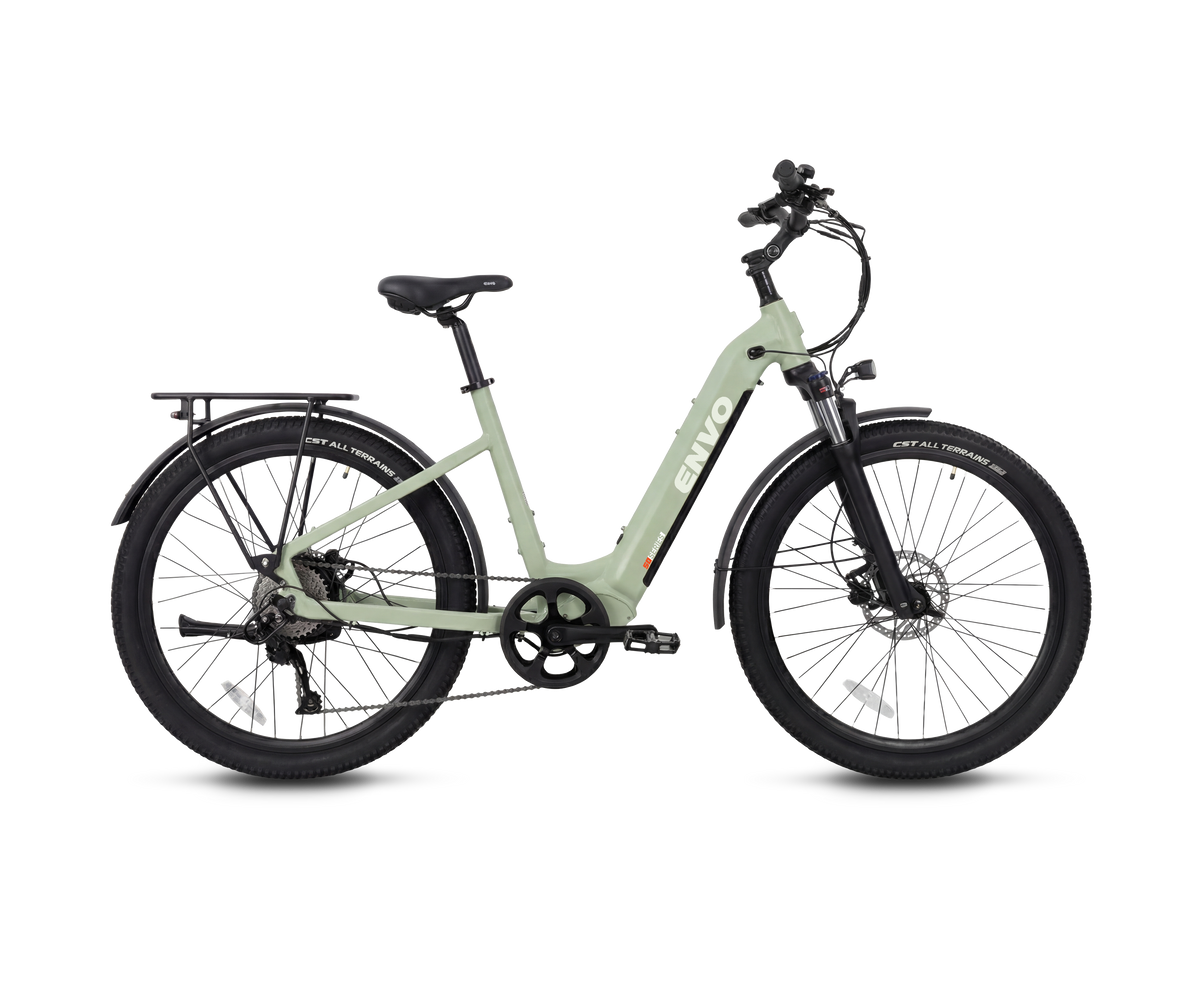
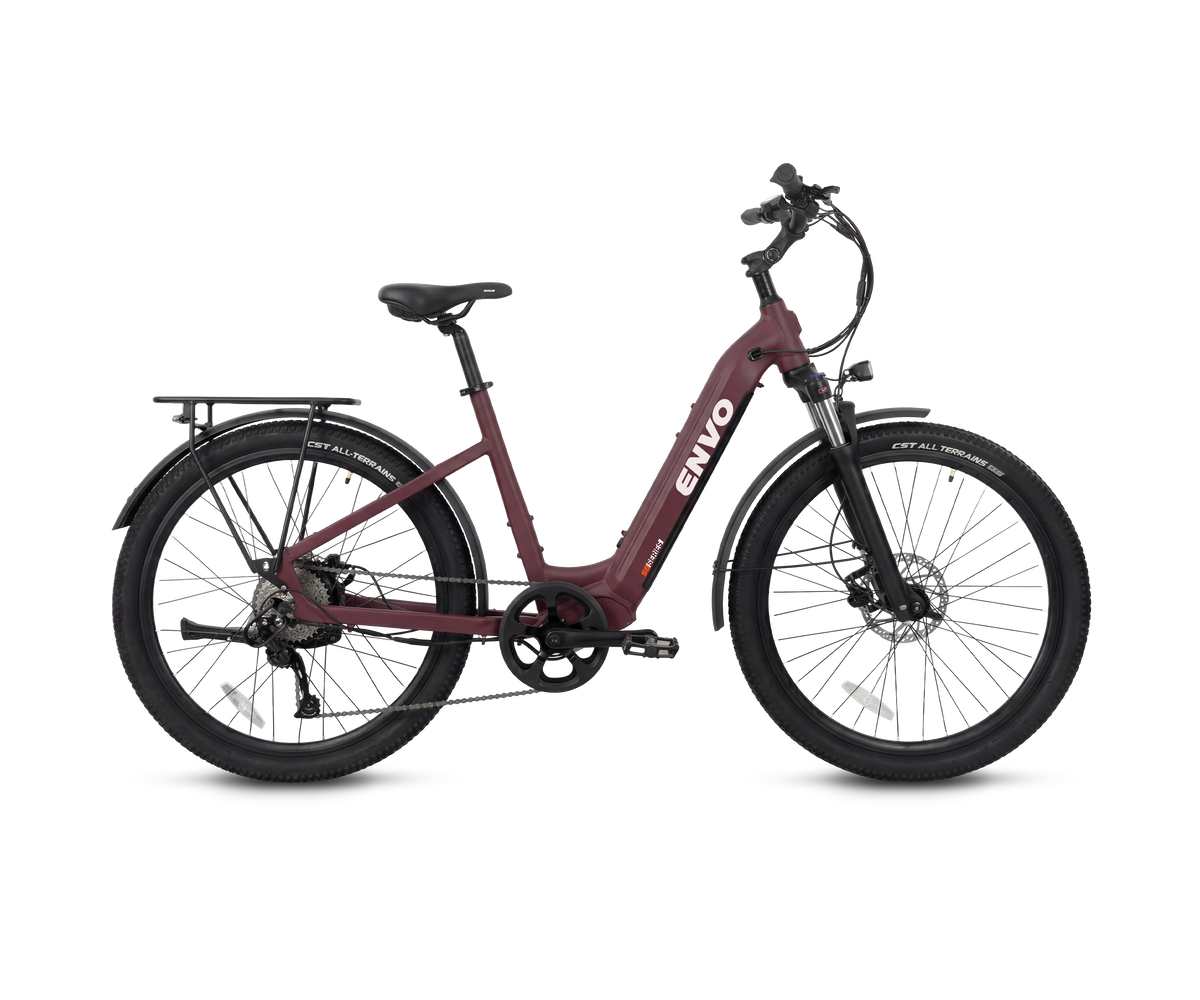
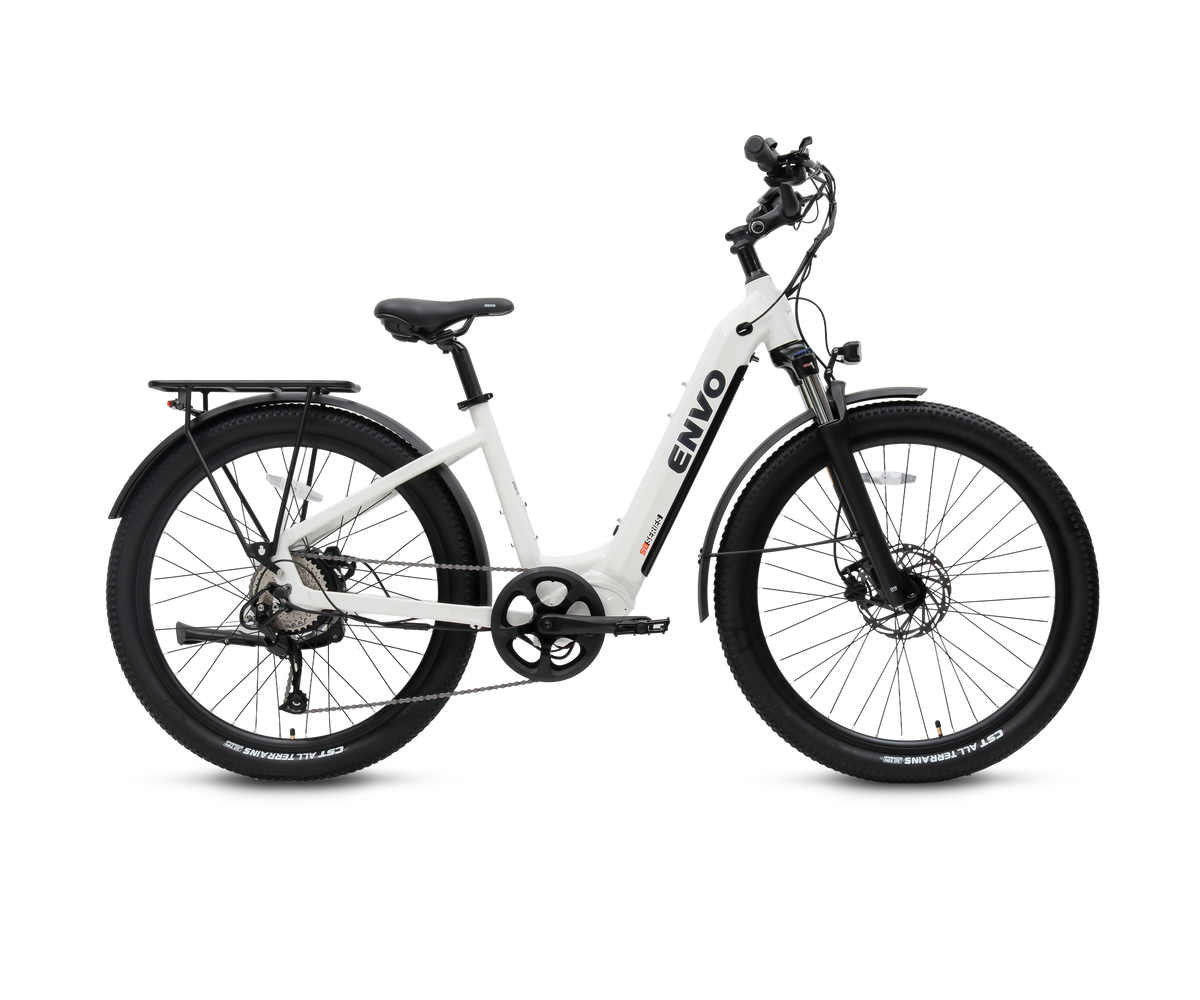
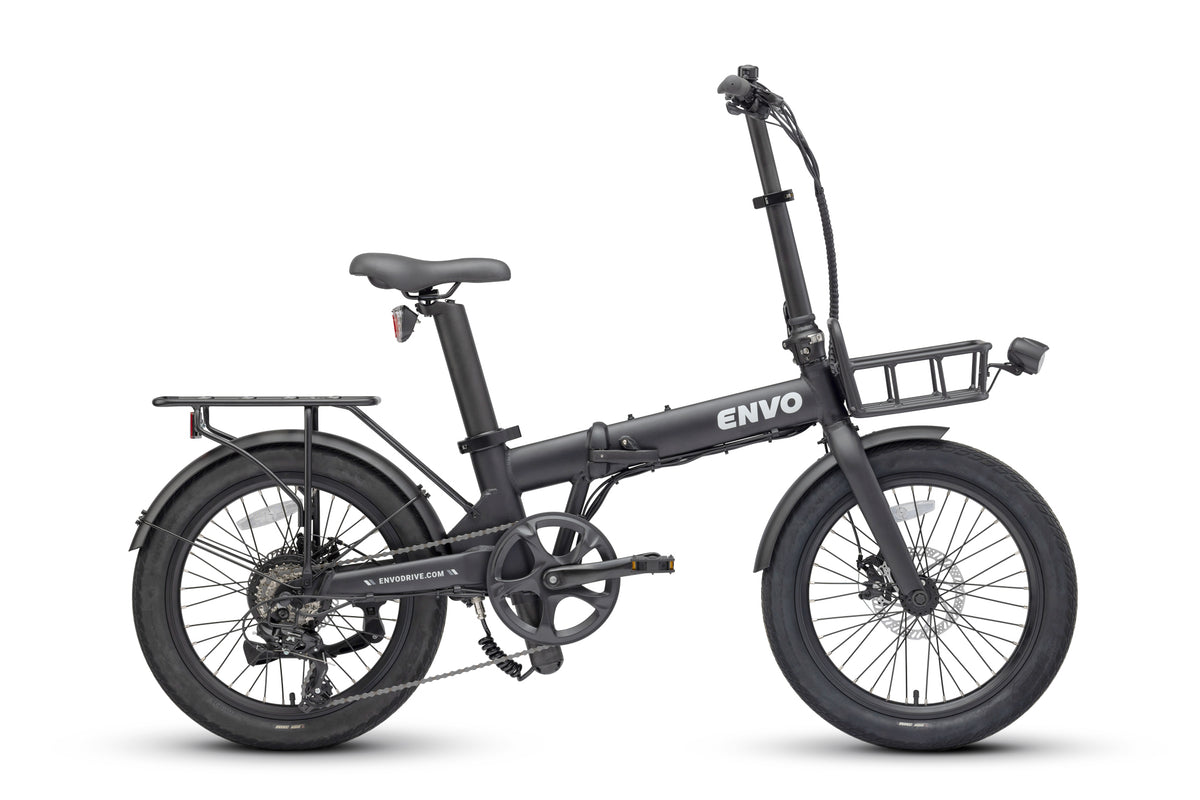
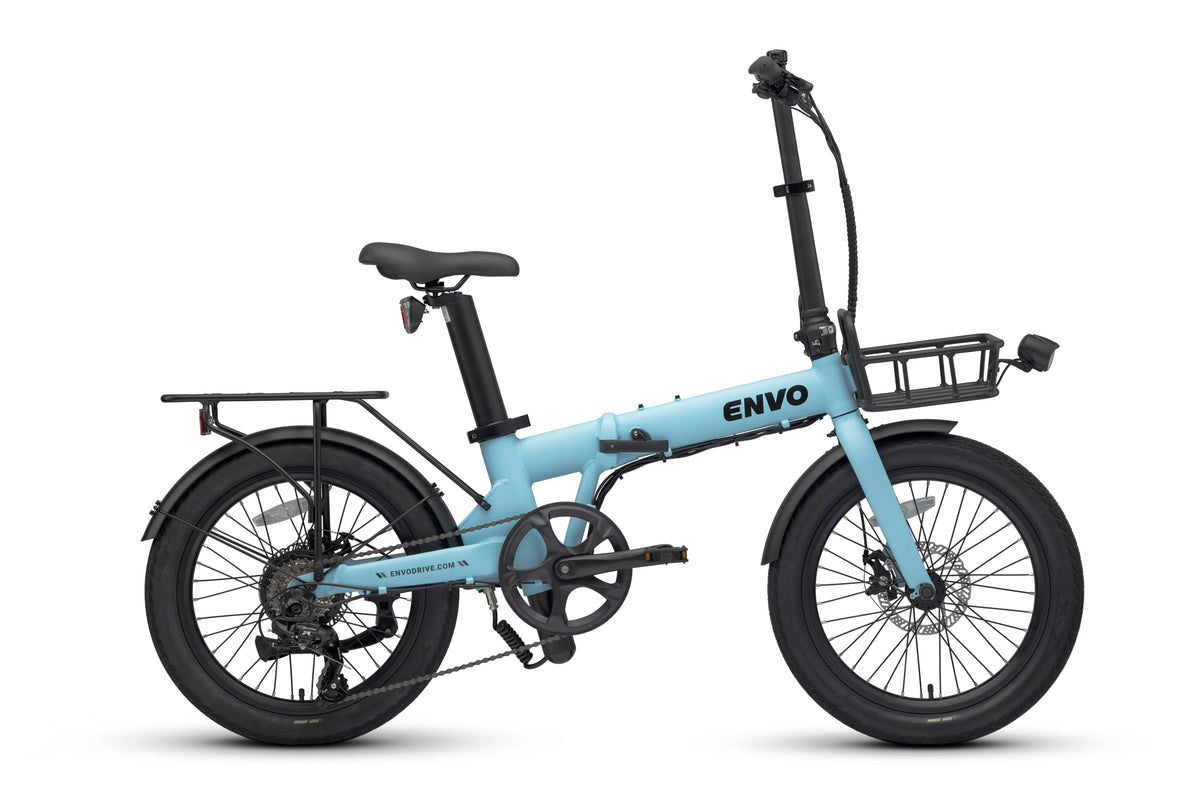
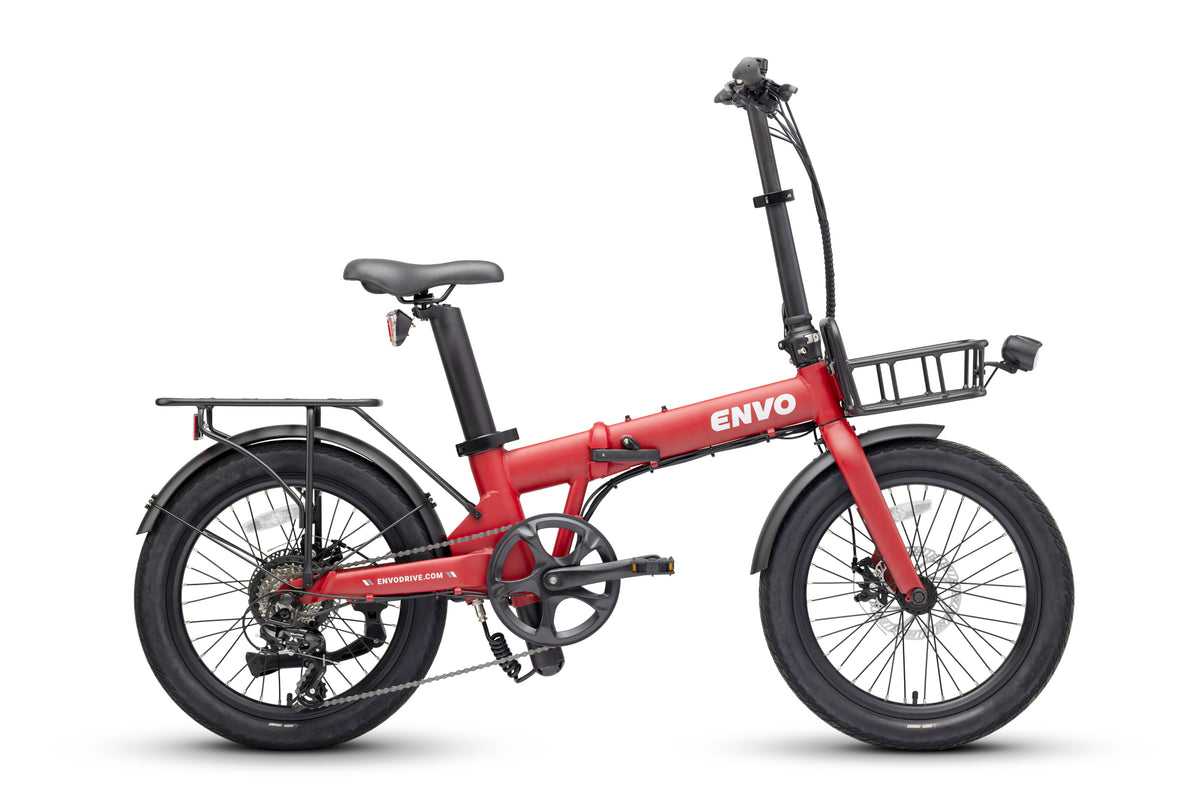
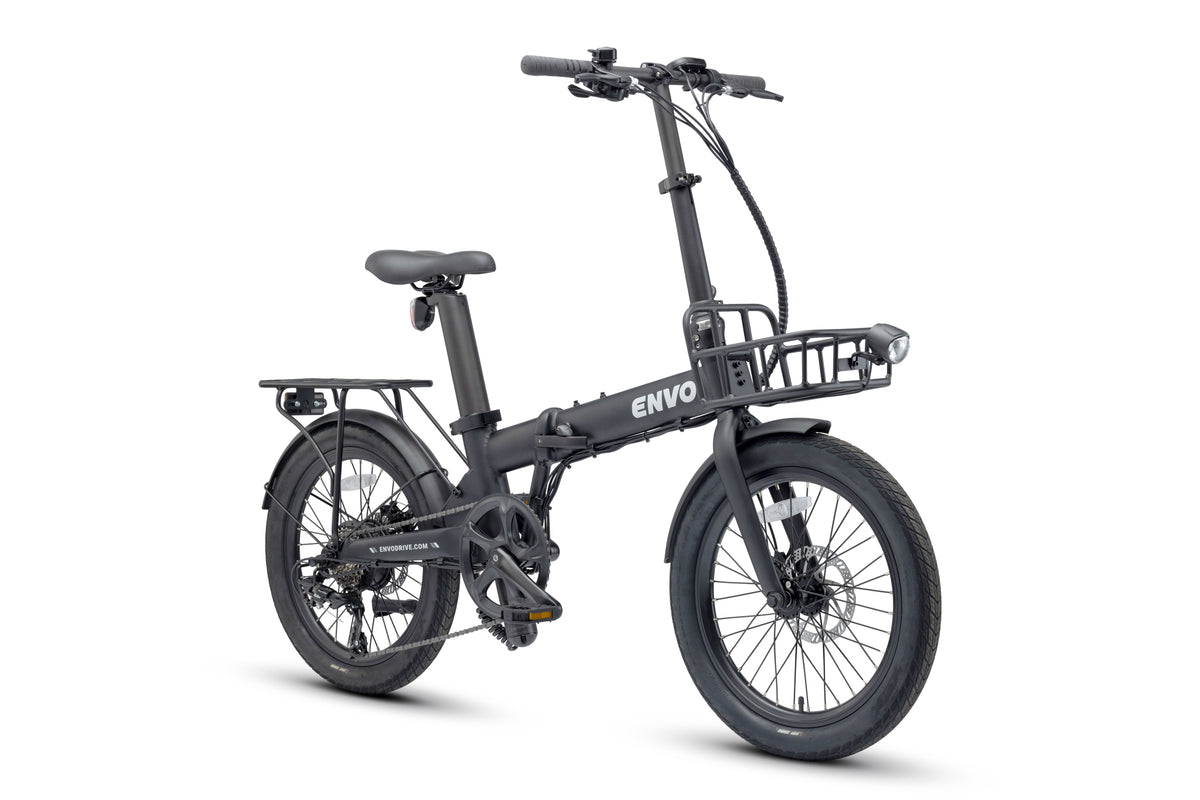
This investigation is not a takedown. It's a faithful reading of Aima's public disclosures, what UL 2849 actually means, and where the documentation could be deeper. If you're cross-shopping Aima against a Canadian-rooted alternative like the ENVO D50 or anything in the UL 2849 certified e-bikes collection, this is the safety story you need before you decide.
What UL 2849 Actually Covers (vs UL 2271)
The single biggest source of confusion in e-bike safety conversations is the difference between two UL standards that sound similar but cover very different things. Getting this distinction right is the foundation for evaluating any brand's certification claim — Aima included.
UL 2849 — The Whole-System Standard
UL 2849 covers the electrical system of an e-bike. That includes the drive unit, the battery, the battery management system (BMS), the wiring harness, the power inlet, and — depending on system design — the dedicated charger. UL 2849 is intended to assess how the powered parts work together as an integrated whole. It's a system-level certification, not a parts-level one.
UL 2271 — The Battery Pack Standard
UL 2271 applies to the battery pack itself. It focuses specifically on the rechargeable battery assembly and tests it for overcharge, short circuit, impact, crush, and thermal exposure scenarios. It's a battery-pack standard — not a whole-bike system standard.
UL 2849 ≠ UL 2271. Many consumers conflate the two, and many brands let them. The two standards are complementary, not interchangeable. Aima's Canadian pages clearly and repeatedly claim UL 2849 system compliance, but do not prominently publish a separate UL 2271 battery certification claim on the same consumer-facing pages.
That distinction matters because UL 2849 is the headline insurers and building managers tend to ask about, while UL 2271 is the deeper paperwork some sophisticated stakeholders may also request. A brand can hold one without the other. Knowing the difference is how you ask the right follow-up question at the dealer.
Aima's UL 2849 Claim
Aima Canada's safety page states plainly: "every Pedal Assist Electric Bicycle is fully compliant with the UL 2849 standard." Each unit, the page says, has a unique unfalsifiable UL-certified label, and the page links to certificate references for Aima e-bikes and for the Bafang power-assist components used in the bikes.
Critically, this same certification language is not isolated to a single brand-level marketing page. It also appears at the model level. Key West, Santa Monica, Big Sur Sport G2, Big Sur G2, and Big Sur Cargo all list UL 2849 in their individual Certifications section. So Aima isn't relying on one promotional page making a generic claim — the claim is repeated across both Canadian safety material and individual product listings, which is meaningful consistency.
Aima's UL 2849 Claim — Where It Appears
- Aima Canada safety page: "fully compliant with the UL 2849 standard" across pedal-assist lineup
- Per-unit labelling: unique unfalsifiable UL-certified label on each bike
- Certificate references: links to UL/Product iQ for Aima e-bikes and Bafang components
- Model pages confirming UL 2849: Key West, Santa Monica, Big Sur Sport G2, Big Sur G2, Big Sur Cargo
For a buyer doing due diligence, this is a real signal — not just a tagline. It's the kind of layered documentation a property manager can be pointed to without embarrassment, and it puts Aima ahead of the long tail of e-bike brands that remain vague or silent on full-system certification. If you're filtering by certification first, the UL 2849 certified e-bike collection at EbikeBC is the comparable shortlist on the Canadian-brand side.
The "Unfalsifiable" Label — Why It Helps
The phrase "unique unfalsifiable UL-certified label" can sound like marketing flourish at first read. The underlying idea, though, is reassuring — and worth understanding.
One of the biggest problems in the broader e-bike market right now is fake compliance language. Labels that imply testing without an actual UL listing. Vague references to "UL-tested components" that gloss over the fact that no system-level listing exists. Certifications that apply to only one part of the bike while the rest of the unit remains uncertified. In that environment, a label that can be traced back to a specific certificate is genuinely useful.
A unique certification label helps four different audiences verify the same thing: that a specific physical unit corresponds to a legitimate, traceable certification claim. Buyers can verify it. Dealers can verify it. Building managers can verify it. Insurers can verify it. If your strata council asks for proof, or your insurance broker wants documentation, a serialized or uniquely traceable label is dramatically more useful than a screenshot from a product page.
This is fundamentally consumer-protective. The harder a safety credential is to fake, the more valuable that credential becomes — both for the buyer and for the wider market. It's also a credibility-aligning move on Aima's part, because brands that include verifiable labelling tend to be brands that genuinely hold the underlying certification.
What Is Unclear About UL 2271 Status
Now the honest counterweight. On the Canadian pages reviewed for this investigation, Aima publicly discloses UL 2849 system compliance but does not separately and clearly publish a UL 2271 certification statement for the battery pack on those same consumer-facing pages.
That does not mean the batteries are uncertified. It means the separate battery-pack certification status is not plainly disclosed. There's a real difference between "we tested and it isn't certified" and "we hold the certification but didn't surface it publicly." For a careful buyer, the relevant signal is not assumption — it's a documented public statement.
Aima also states that it uses Bafang battery systems and LG cells in its 720Wh packs. Both are real positives. They're the kind of supply-chain disclosure most generic brands cannot make. But they are not substitutes for a plainly posted, standalone UL 2271 battery claim if that specific detail matters to your situation — for instance, if your insurer or building specifically asks about battery-pack certification rather than full-system certification.
UL 2271 Battery Cert Not Separately Disclosed. This is the yellow flag. Aima deserves credit for clear UL 2849 language on its Canadian pages. But if you specifically want a separately published, easy-to-cite UL 2271 battery certification statement on those same consumer pages, the disclosure depth is not at the same level.
For some buyers that won't matter at all — UL 2849 will do the job. For others, especially condo owners navigating strict building rules or speaking with an insurer who knows the difference, it should trigger one extra dealer question before purchase. Ask, in writing, whether the battery pack carries a separate UL 2271 listing, and get the certificate reference if it does.
Why This Matters for Canadian Condo Dwellers
For a detached-home owner with a garage and outdoor outlet, e-bike certification can feel abstract — the bike charges in a space the owner controls, where the consequence of a worst-case event is mostly contained to the owner's own property. For Canadian condo and apartment residents, the picture is very different, and certification has become operational rather than theoretical.
Canadian buildings are increasingly adopting stricter policies around e-bike storage and charging. Some require UL-certified bikes for in-unit charging. Some restrict where charging can take place. Some demand documentation as a condition of moving the bike into the unit at all. In that policy environment, UL 2849 is gaining traction as the credential property managers, strata councils, and insurance stakeholders actually recognize and accept — precisely because it covers the complete electrical system, not just one component.
If you live in a multi-unit building, the practical value of Aima's UL 2849 claim becomes obvious. It may help you clear documentation hurdles that a cheaper, uncertified e-bike cannot. For broader context on choosing the right bike for an urban Canadian use case, the EbikeBC commuter e-bike guide and the more general ultimate electric bike buying guide are useful starting points.
If you're also wrestling with whether the wider Aima ownership story is right for you in Canada, see our companion piece on whether Aima is a Canadian company — because corporate roots and certification claims are separate things, and both deserve their own answer.
Aima vs ENVO on UL 2849
On the headline question of UL 2849 system certification, Aima and ENVO both publicly claim it in Canada. ENVO strongly markets UL 2849 across its lineup. Aima Canada makes the same headline safety claim across its pedal-assist lineup. On the top-line certification point, this is a real tie — and pretending otherwise would be inventing separation where none exists.
Both Aima and ENVO Claim UL 2849. On the headline certification question — does the brand publicly claim full UL 2849 system certification in Canada — both brands clear that bar publicly.
- Aima Canada: UL 2849 claim across pedal-assist lineup, per-unit unfalsifiable labels
- ENVO: UL 2849 marketed across the lineup, with strong safety-first positioning
- Both reference recognized supply-chain partners (Bafang systems, LG cells)
- Both put their certification claim on individual product pages — not just brand-level marketing
This is the right place to call a tie rather than manufacture a differentiator. The differences between Aima and ENVO live elsewhere — Canadian operating history, depth of local support, Canadian ownership identity — not on the UL 2849 headline.
That said, a tie on UL 2849 does not mean the two brands are identical in everything that matters. They differ in support model, in disclosure depth around batteries specifically, in Canadian operating history, and in how the local service relationship is structured. Those differences are real and deserve their own treatment — explored in our pieces on Aima's battery cell disclosure and on whether Aima is worth it in Canada overall. On the narrow question of "does it publicly claim UL 2849?" the answer is yes for both.
Practical Buyer Guidance
If you're about to buy an Aima — or honestly any e-bike sold in Canada in 2026 — ask your dealer for five things in writing. None of them are exotic. All of them protect you on the day a building manager, insurer, or warranty technician asks for documentation.
Five Questions to Ask Before Buying
- 1. Proof of the bike's UL 2849 listing. Ask for the exact listing reference or certificate tied to the specific model you're buying — not a brand-level statement.
- 2. Photo or confirmation of the certification label. Confirm where the unique label sits on the bike and ask to see it physically at delivery.
- 3. Written battery documentation. Does the dealer hold battery model details and supporting paperwork on file, including any UL 2271 reference?
- 4. Charger model and certification details. What charger ships with the bike, and what is the policy on non-Aima replacement chargers?
- 5. A clear dealer service plan. Certification is not the same as after-sales support — confirm who handles diagnostics, parts, and turnaround when something goes wrong.
If those five answers come back clean and in writing, you've turned a marketing claim into actual paperwork. If they don't, you've learned something equally valuable — and you can still walk into a UL 2849 certified Canadian-brand alternative with your eyes open.
Frequently Asked Questions
The Bottom Line
Aima's UL 2849 story in Canada is stronger than many buyers might assume going in. The claim is clear, it's repeated across both the brand safety page and individual model pages, the company links to certificate references, and each unit is said to carry a unique unfalsifiable UL-certified label. Those are exactly the kinds of receipts a building manager or insurer can actually use.
The honest caveat is that Aima's Canadian consumer pages do not appear to separately publish standalone UL 2271 battery-pack certification details with the same clarity. So if you want maximum battery-specific documentation — and some Canadian buildings, insurers, or sophisticated buyers will — you should ask for it in writing before purchase. That extra question is a five-minute investment that protects a five-year ownership decision.
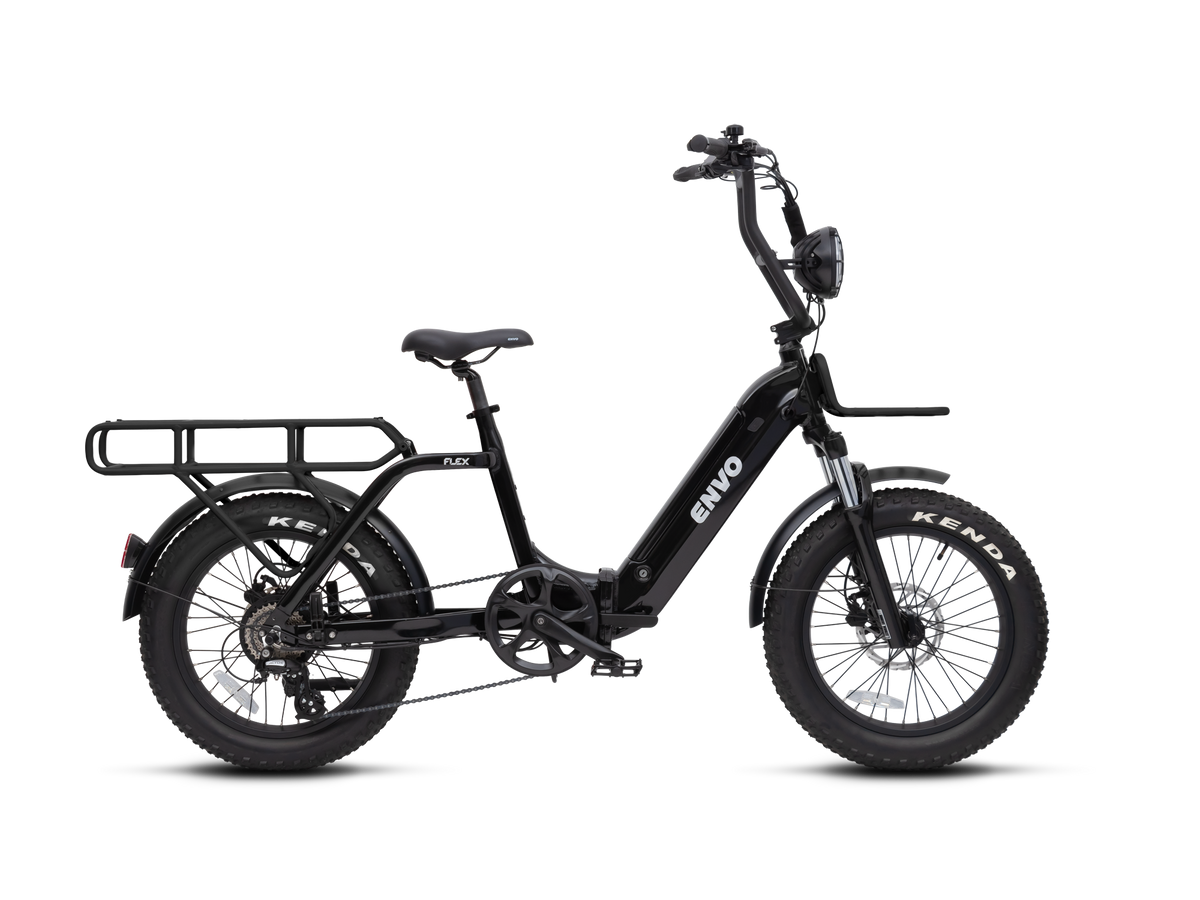
Verdict: Aima gets a legitimate green light on the headline certification (UL 2849), with a caution flag on battery-pack disclosure depth. For condo dwellers and insurance-conscious buyers, that still makes Aima a much more serious option than the long tail of brands that remain vague or silent on full-system safety certification. And for buyers who want to weigh Aima against a Canadian-rooted alternative, the ENVO D50, the ENVO ST50, the ENVO Lynx 20, and the broader EbikeBC electric bike collection are all worth a parallel look.
UL 2849 covers the product, not the support behind it. A certification — even a strong, real, verifiable one like UL 2849 — tells you the e-bike's electrical system meets a defined safety standard. It does not tell you who picks up the phone when something goes wrong, how fast warranty claims are processed, where replacement parts are stocked, or whether a Canadian entity is contractually responsible for honouring those claims.
In Aima's case, that part of the story is structurally different: there is no Aima Canadian legal entity. Aima's North American HQ is in City of Industry, California (AIMA EBIKE, INC. / aimatech.us). Canadian service depends on UNIVELO, a Quebec-based third-party distributor that has been operating in this role since November 2024. UL 2849 says nothing about that arrangement.
So when you compare safety certifications, also compare service infrastructure. A bike that's UL 2849 certified and supported by a Canadian-incorporated manufacturer with its own service authority (such as ENVO in Burnaby, BC) is structurally different from a bike that's UL 2849 certified and supported through a distributor agreement with no Canadian manufacturer entity behind it.
Buy with your eyes open. Get the paperwork in writing. And let UL 2849 do the work it's actually designed to do.
Want a UL 2849 Certified E-Bike?
Browse Canadian-available e-bikes that publicly claim full UL 2849 system certification — including the Canadian-assembled ENVO D50 — and buy with the safety paperwork already in your corner.
Disclaimer: This article is for informational purposes only and reflects publicly available information as of May 2026, including Aima Canada's safety and model pages and the company's published certification language. Certification status, disclosure depth, and product pages may change over time. We are not affiliated with Aima Technology Group, Aima Mobility Canada, UNIVELO, or UL Solutions. Always verify current certification details directly with the manufacturer, distributor, or dealer before purchasing. This article is not legal, insurance, or building-code advice.