






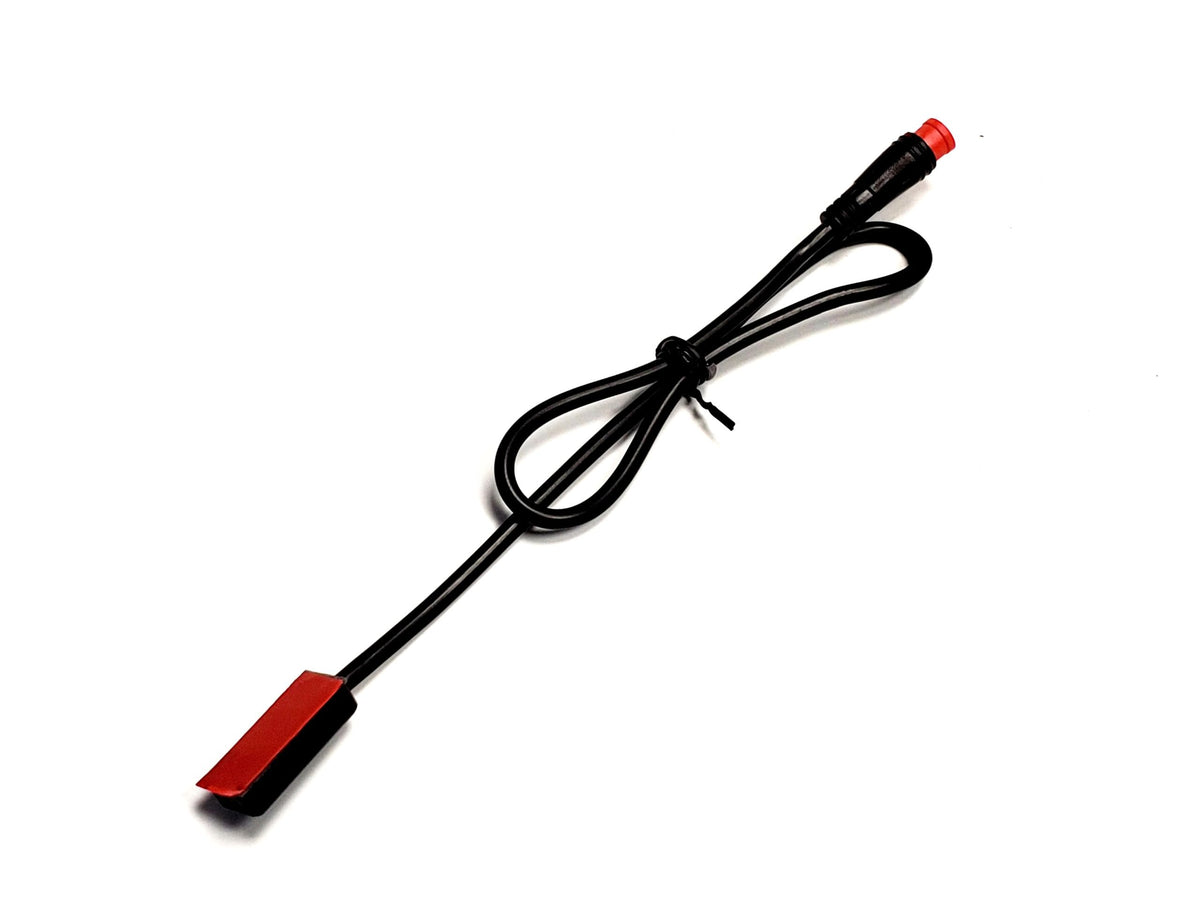

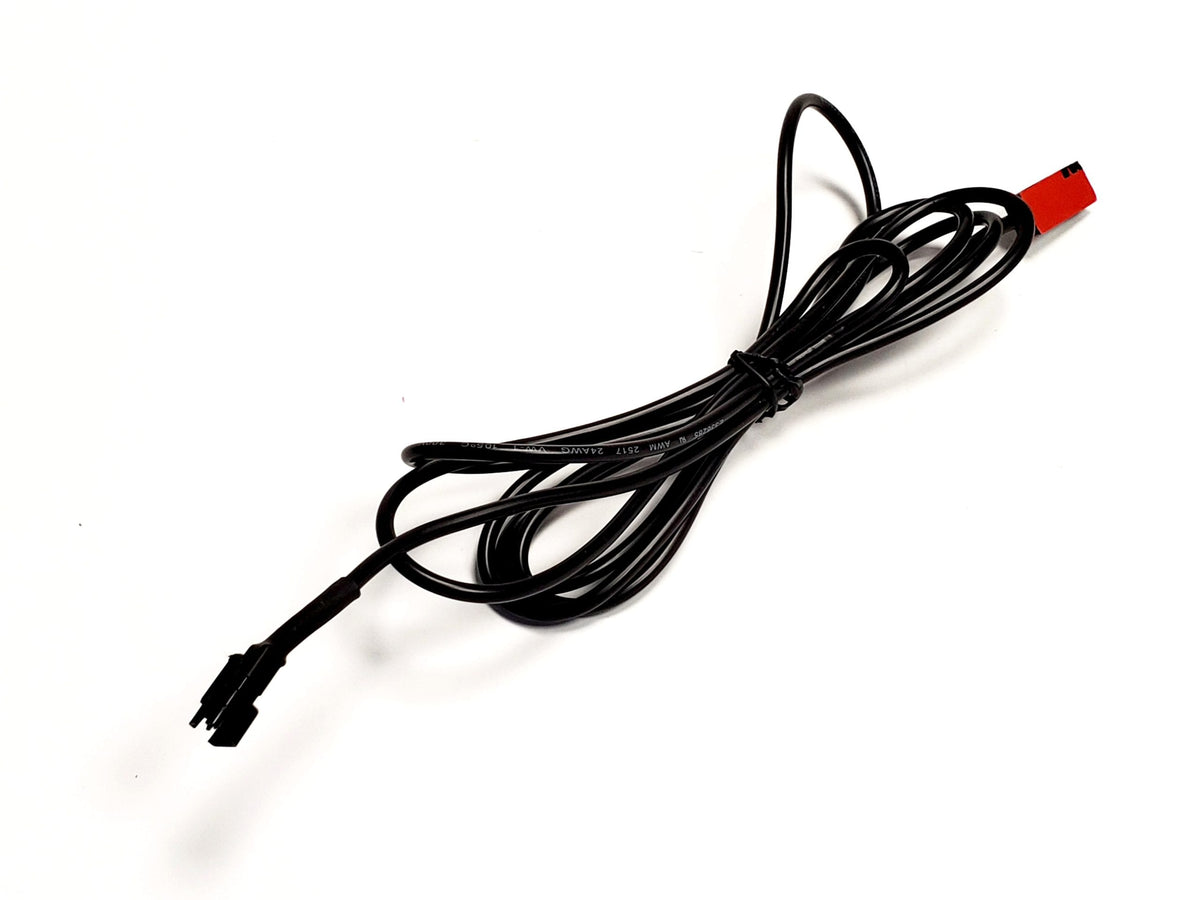
Brake cut-off sensors are a critical safety component in any eBike system — instantly cutting motor power when the brakes are applied to improve stopping distance and prevent dangerous motor-brake conflict.
How do eBike brake sensors work?
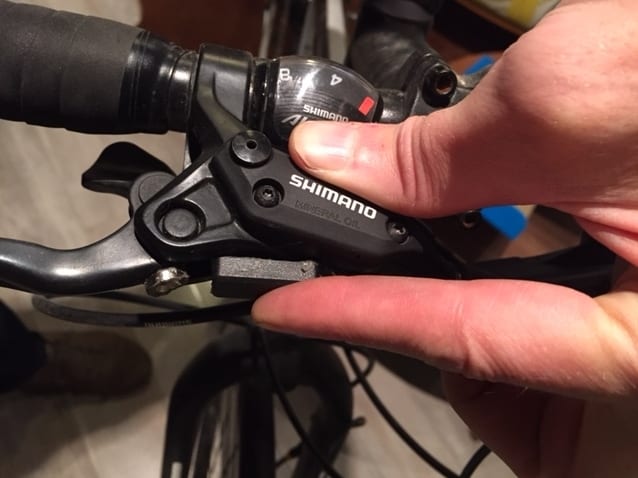
Brake sensors mount inside or alongside brake levers. When the lever is pulled, a magnetic or mechanical switch signals the controller to immediately cut motor output. This ensures the motor is not driving forward while the brakes are applying rearward force — improving stopping distance and reducing brake wear.
Are brake sensors required on all eBikes?
Under Canada's federal PAB regulations, e-bikes must have a mechanism that disables the motor when the rider engages the brakes. Brake cut-off sensors fulfil this requirement. Bikes without functional brake sensors may not meet the legal definition of a power-assisted bicycle.
Are ENVO brake sensors compatible with standard brake levers?
ENVO brake sensors are available as standalone sensors that clip onto or replace standard hydraulic and mechanical brake levers. Compatibility depends on the lever model and mounting style. Contact EBikeBC for advice on compatible brake sensor options for your specific brake lever.
What happens if a brake sensor fails?
A failed brake sensor that reads as "always pressed" will prevent the motor from activating. A failed sensor that reads as "never pressed" means the motor will not cut off when braking — a safety hazard that requires immediate replacement. Regular sensor testing is recommended.
Are brake sensors easy to install?
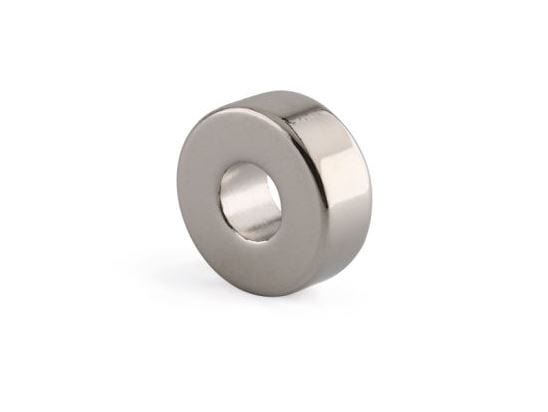
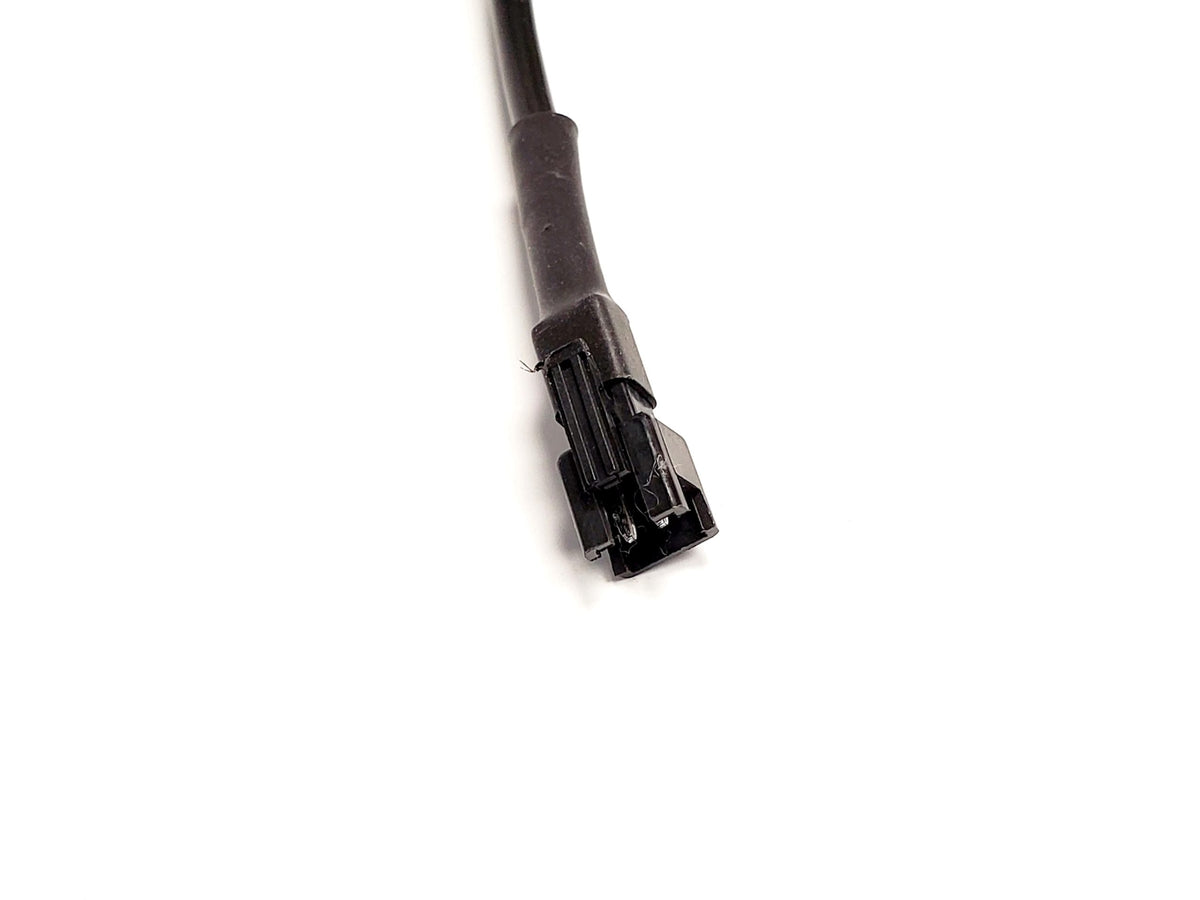
Most brake sensors are simple plug-and-play installations using the standard motor cut-off connector on the eBike controller. Mechanical installation requires positioning the sensor magnet correctly relative to the brake lever magnet and cable routing to the controller.