

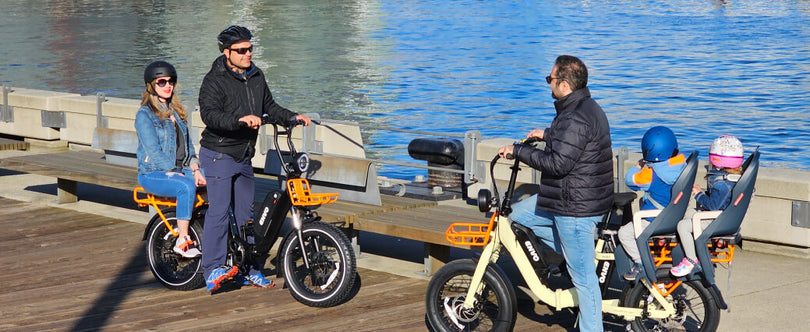


Electric Scooters
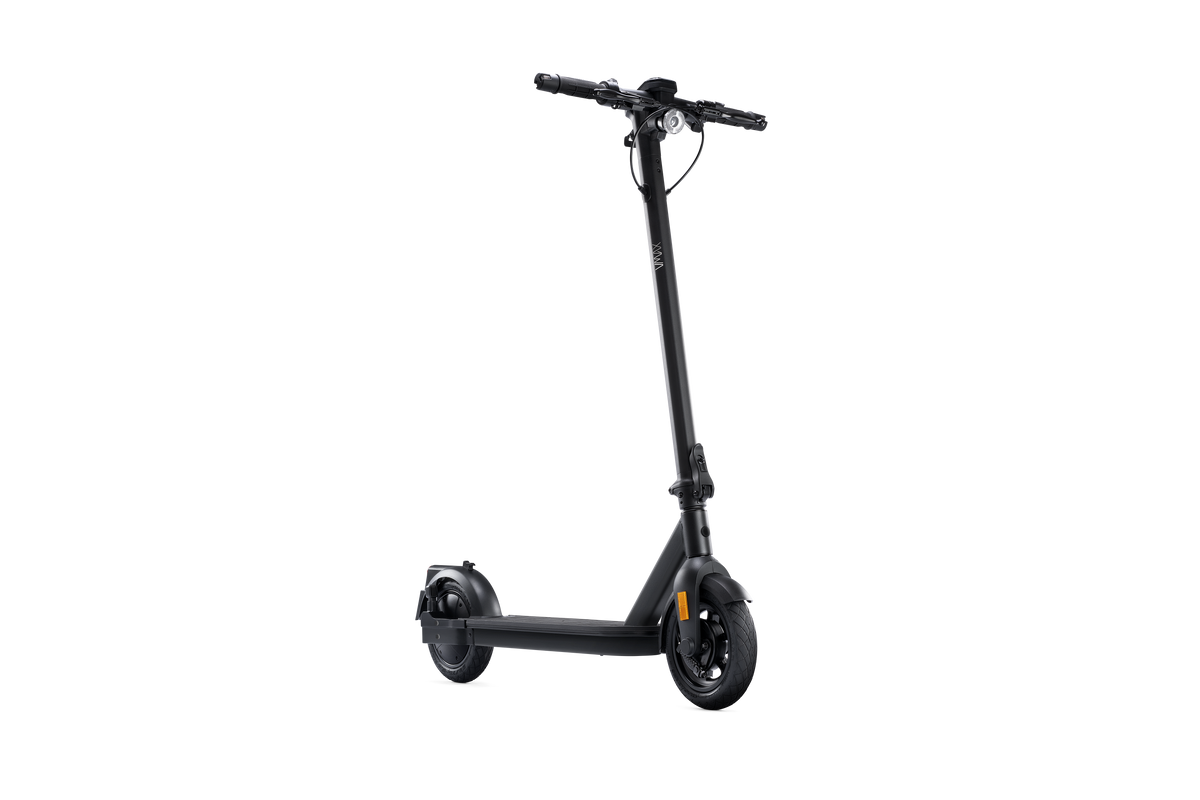

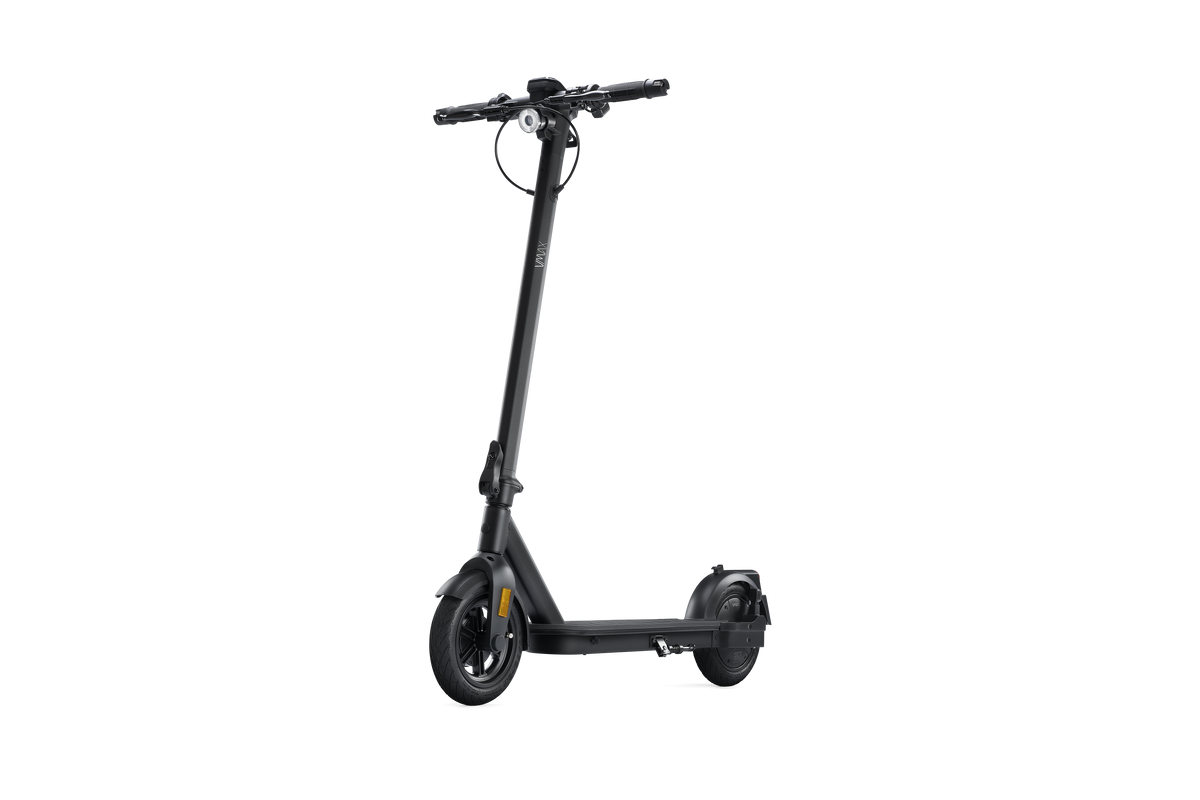
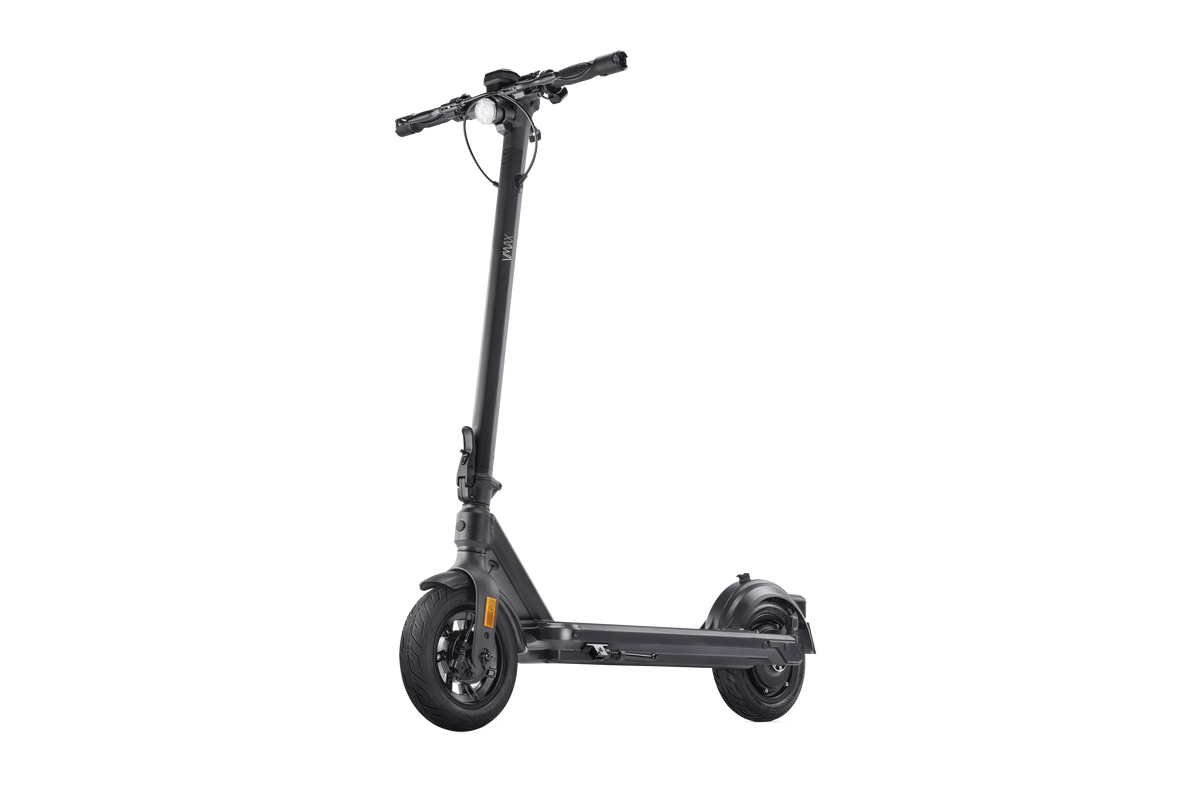
Other Products You may also like
Electric Scooters in Canada: How to Choose the Right One
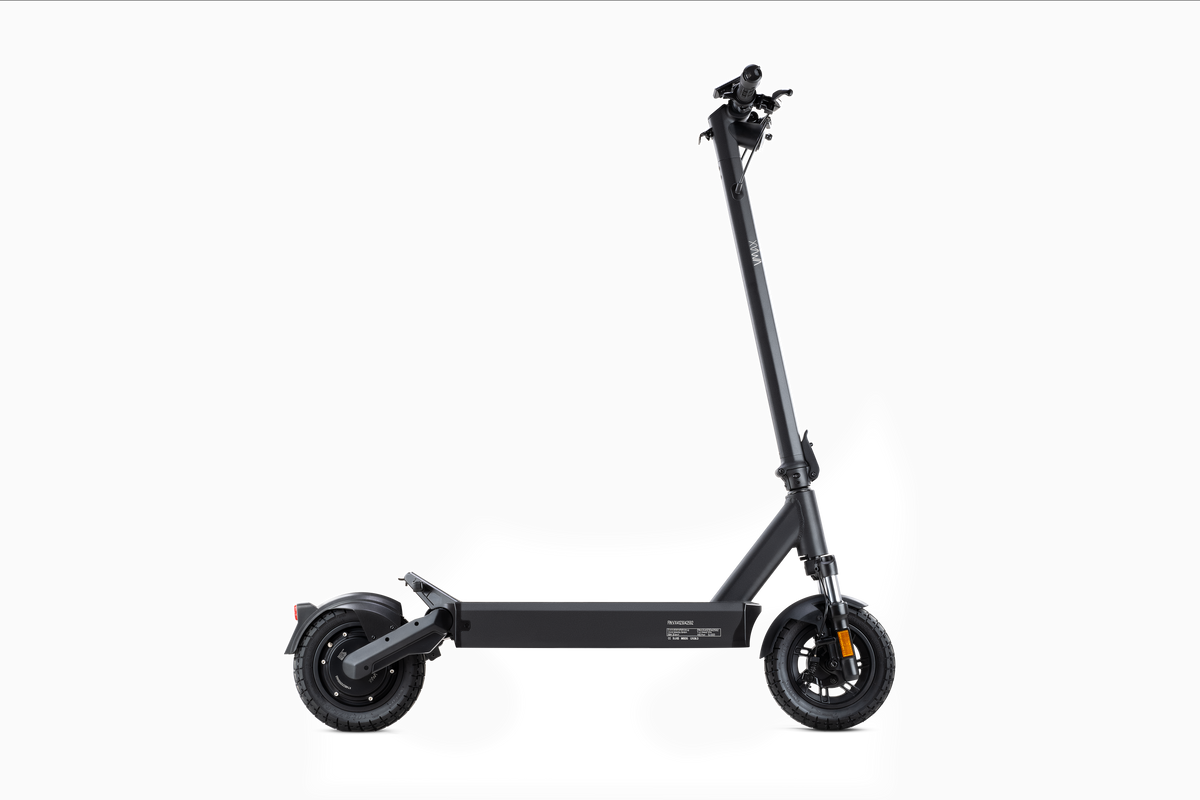
Electric scooters have become a practical urban transport option for short commutes, last-mile trips, and recreational riding. Lightweight, foldable, and fast to charge, a quality electric scooter can handle 20–40 km on a single charge and fold down small enough to bring into an office or onto transit. EBikeBC carries scooters from Dualtron, Segway, and other proven brands — from entry-level commuters to high-performance models.
Are electric scooters legal in BC?
Electric scooters occupy a complex legal space in Canada. In BC, personally-owned electric scooters are currently not permitted on public roads, bike lanes, or sidewalks under standard provincial rules — though some municipalities have pilot programs allowing them. Scooters sold for private property use (campgrounds, large properties, gated communities) are not restricted. Check your municipality's current bylaws before riding on public roads. Regulations are evolving quickly across Canada.
How fast do electric scooters go?
Entry-level commuter scooters typically top out at 25–30 km/h. Mid-range models reach 40–50 km/h, and performance scooters (like higher-spec Dualtron models) can exceed 80 km/h. For urban commuting, 25–35 km/h is a practical and safe range. Higher speeds require better brakes, more robust build quality, and appropriate protective gear.
How far can an electric scooter travel on one charge?
Range varies significantly by model, rider weight, terrain, and speed. Entry-level scooters get 20–35 km; mid-range commuter models typically manage 40–60 km; high-capacity performance scooters can exceed 100 km. Real-world range is usually 20–30% less than advertised — factor this in when choosing.
What's the difference between a commuter scooter and a performance scooter?
Commuter scooters prioritize light weight (10–15 kg), portability, and value. They fold quickly, charge in 4–6 hours, and handle smooth pavement well. Performance scooters (like Dualtron models) have larger motors, dual suspension, bigger batteries, and significantly higher speeds — they're heavier (20–35 kg), more expensive, and built for riders who want a higher-performance ride at the cost of portability.
What should I look for in an electric scooter?
Key specs to evaluate: motor wattage (250W–5000W range across the market), battery capacity (affects range), brake type (disc brakes are safer at higher speeds than drum or electronic brakes), tire type (pneumatic tires absorb bumps better than solid), IP rating (water resistance), and folded weight if you'll carry it. Don't cheap out on brakes — it's the most safety-critical component.
Can I ride an electric scooter in the rain?
Most scooters have an IPX4 or IPX5 rating — splash-resistant but not waterproof. Light rain is generally fine; avoid puddles, heavy rain, and wet grass. Never submerge the battery or charge a wet scooter. Check the IP rating on the specific model you're considering if wet-weather use is important to you.