



Electric Trikes in Canada: Finding the Right Three-Wheeled E-Bike
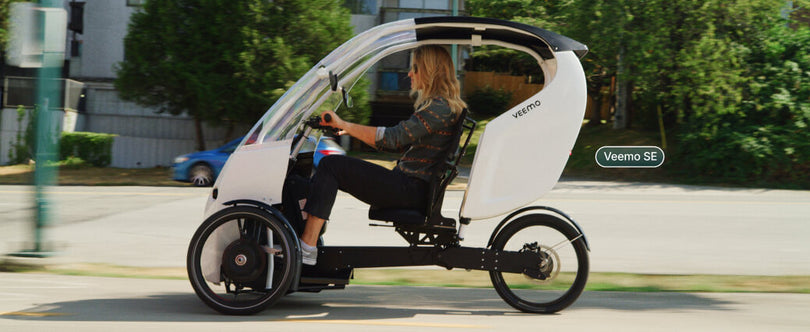
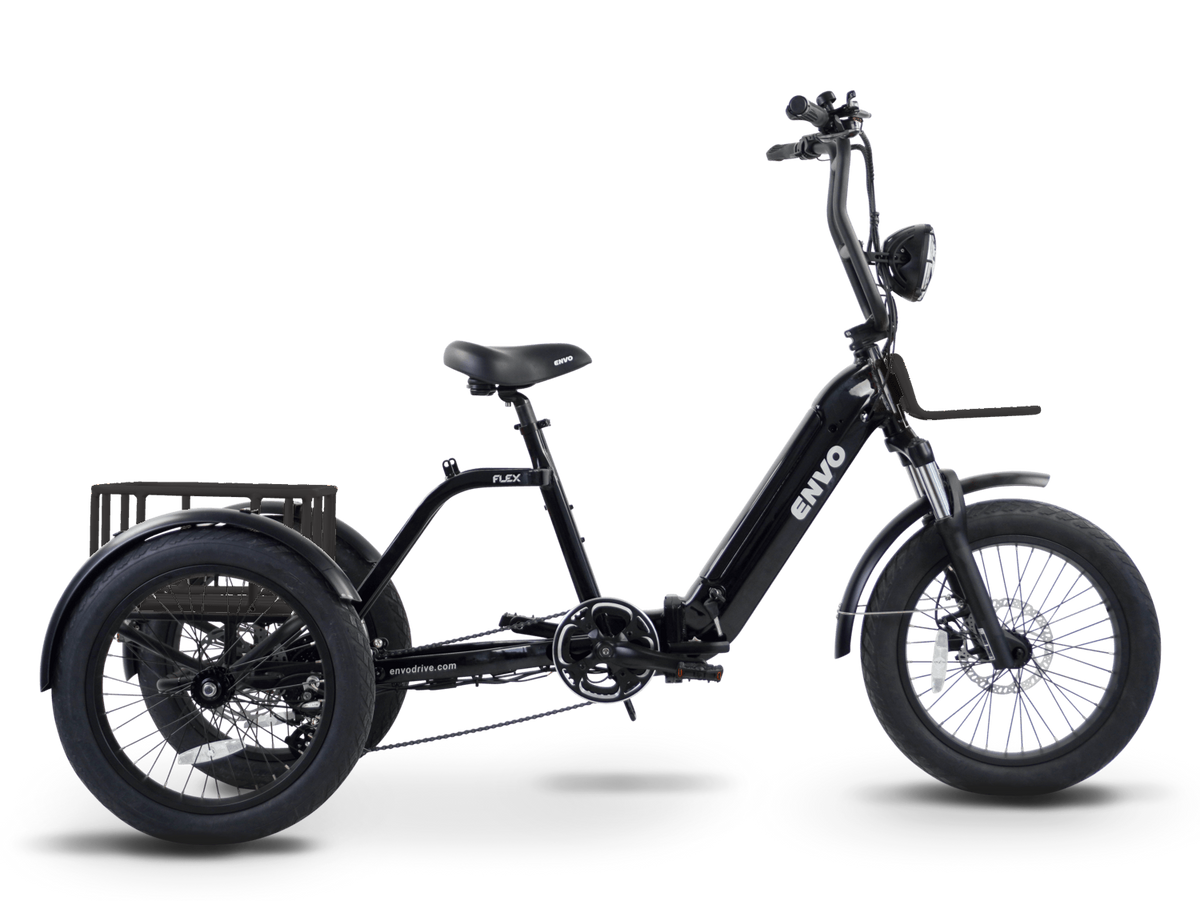
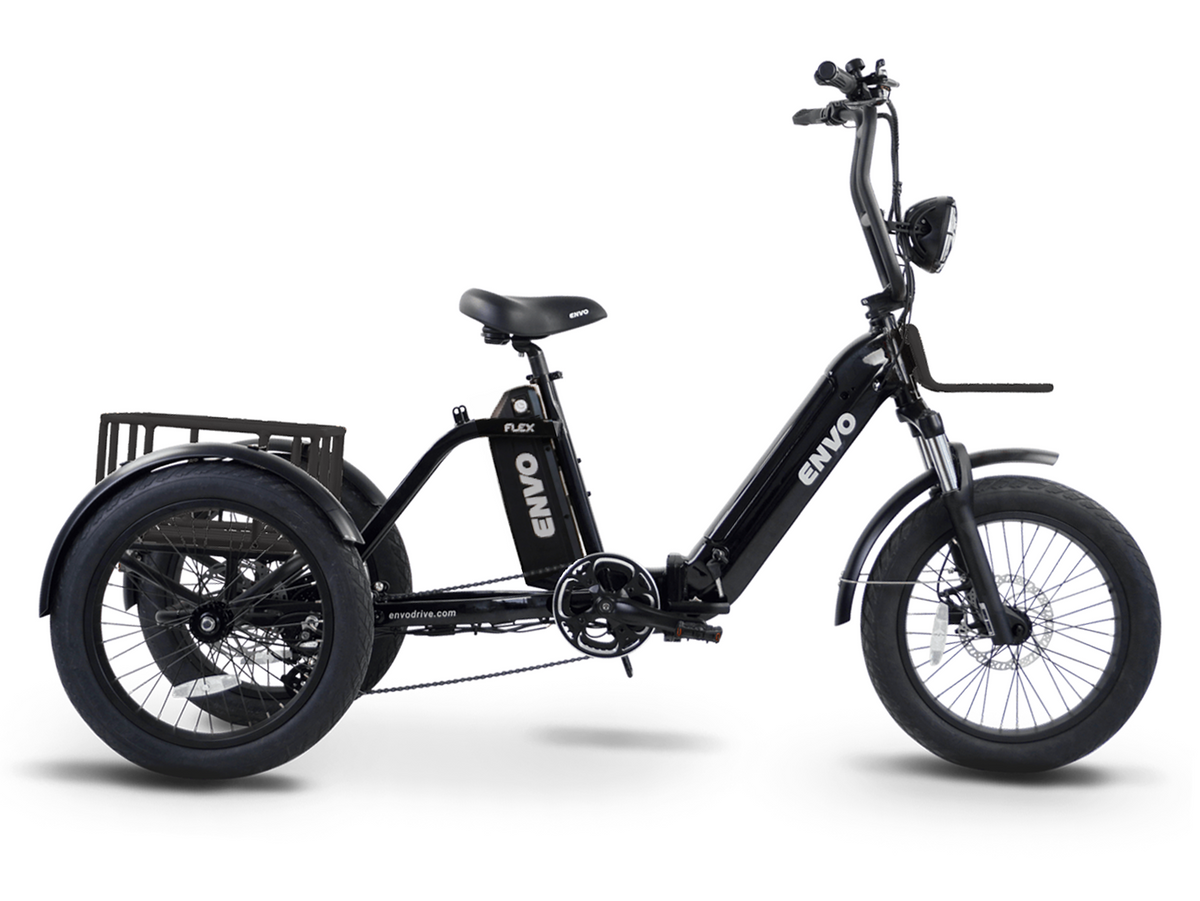
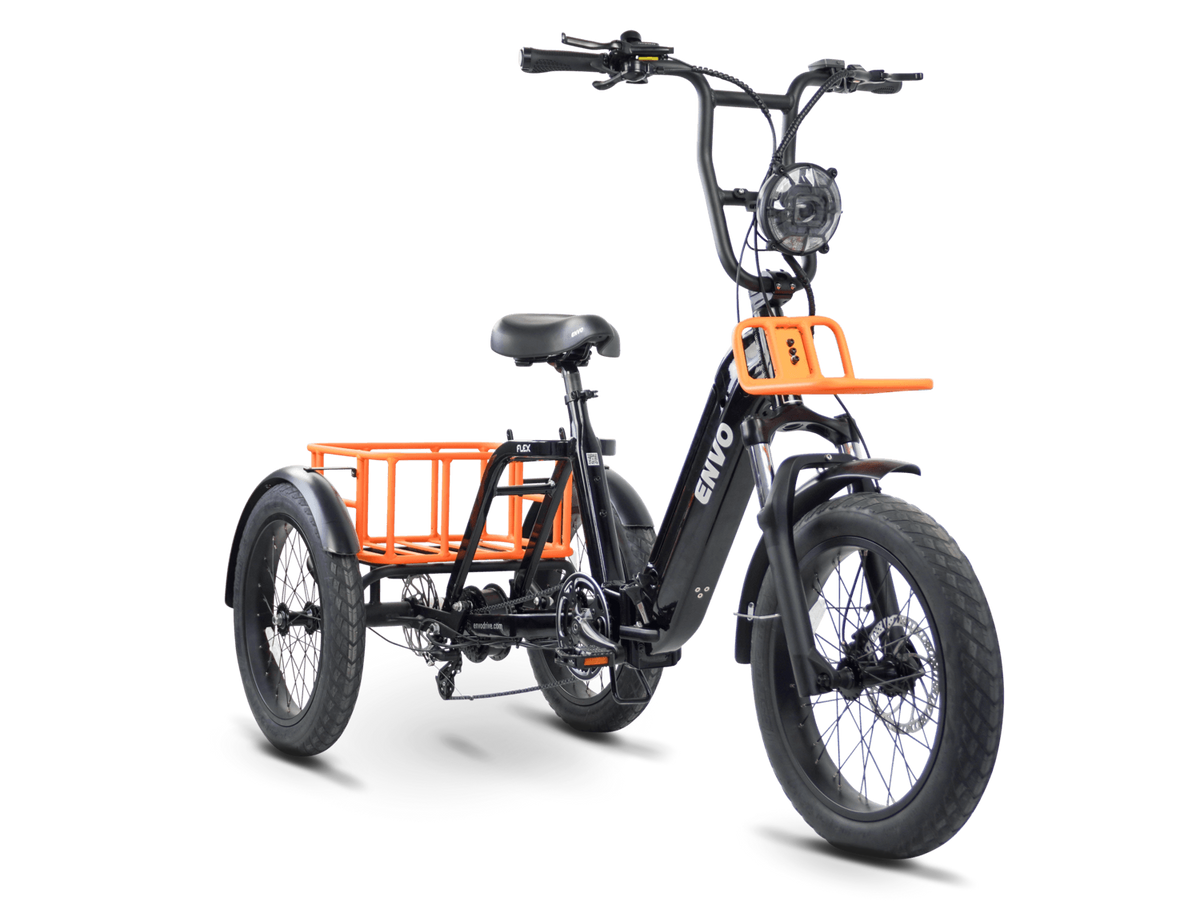
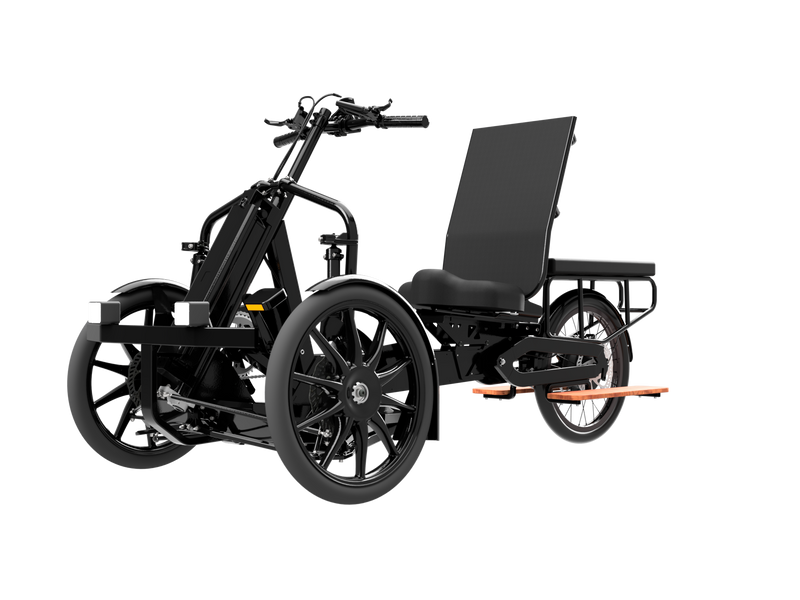
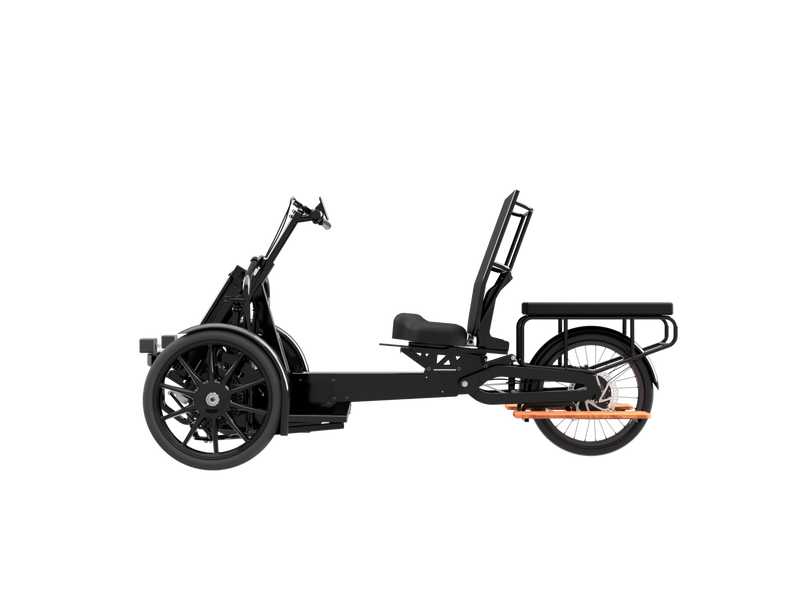
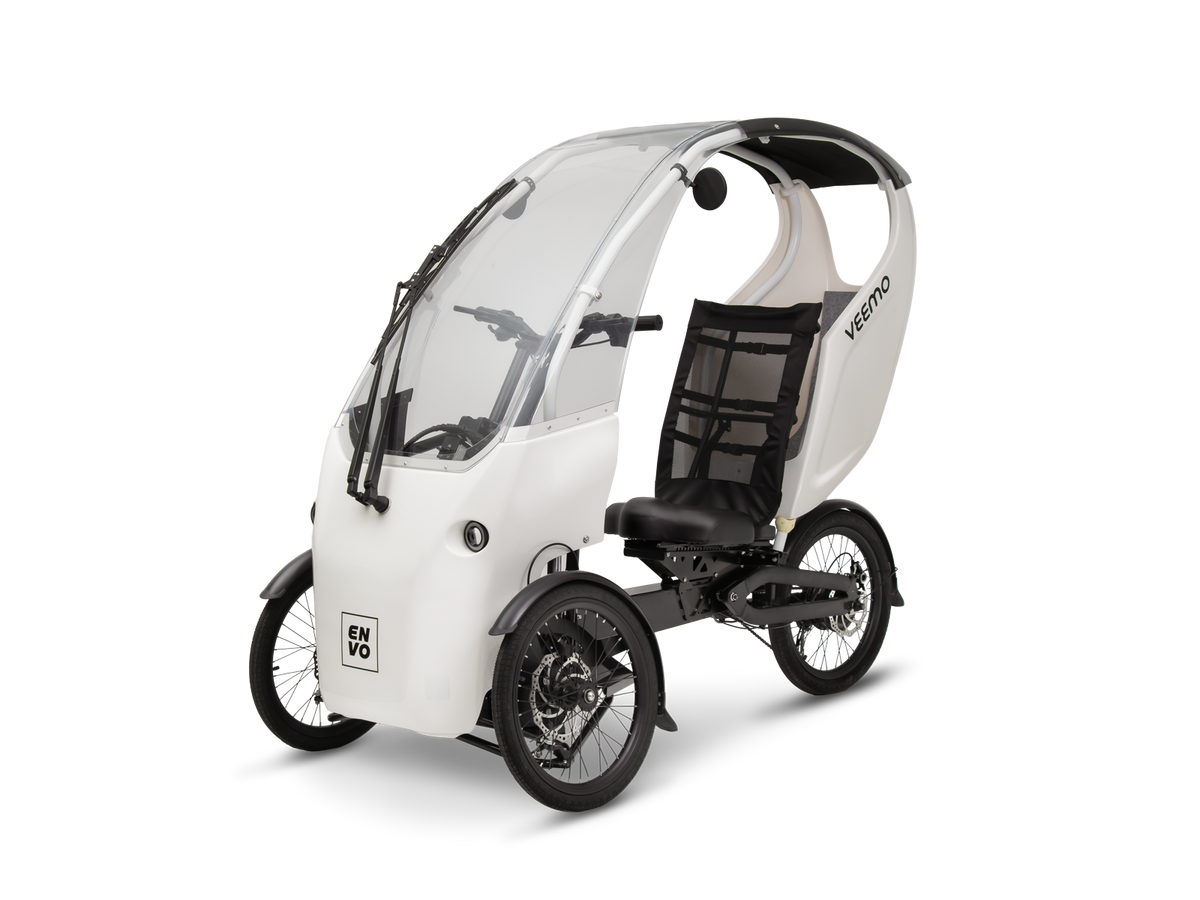
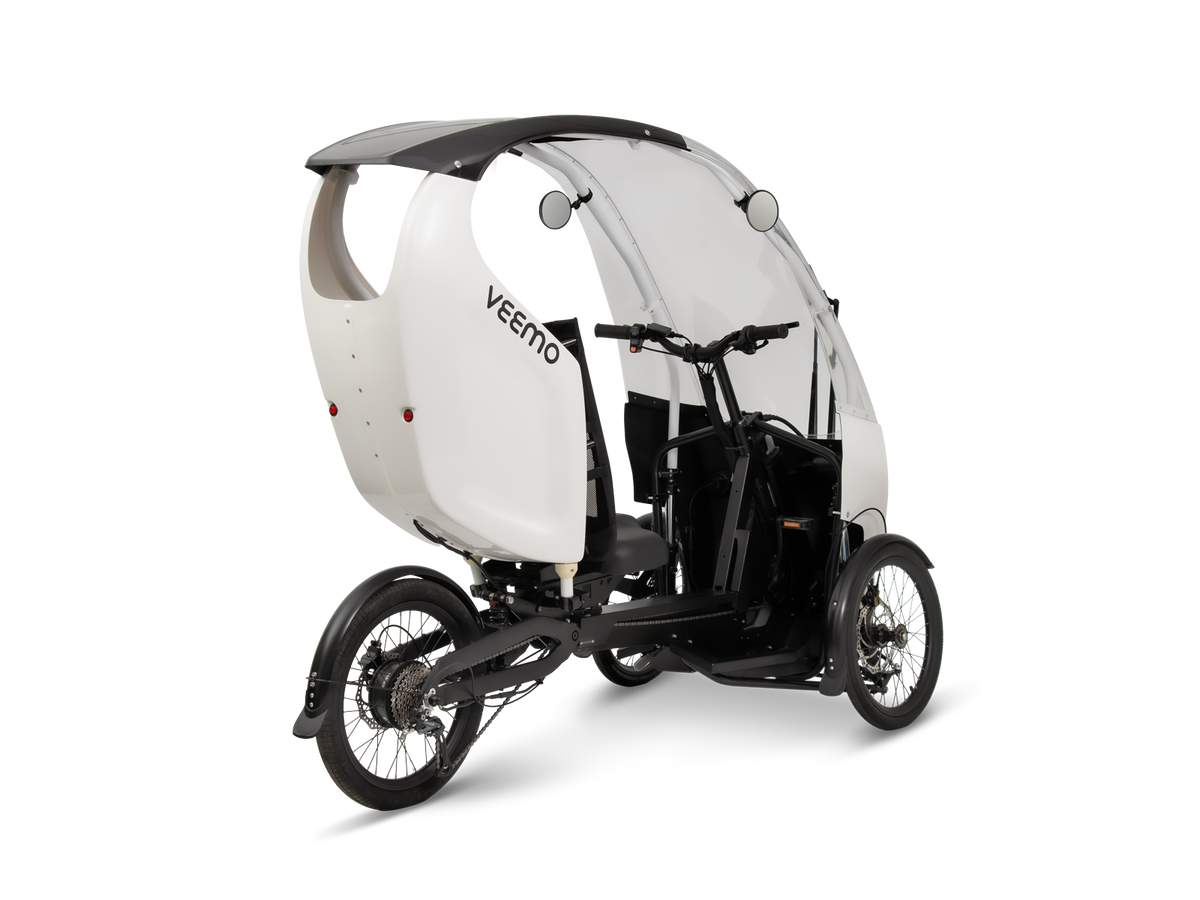
Electric trikes are the right choice when balance is a barrier, stability matters more than agility, or you need to carry more than a two-wheeler can handle. They're popular with seniors, riders recovering from injuries, those with balance or mobility challenges, and anyone who wants to ride confidently without worrying about tipping over at a stop. At EBikeBC, we carry electric trikes, recumbent trikes, and covered e-trikes — all with free shipping across Canada.
Who is an electric trike best for?
Electric trikes are ideal for: seniors who want to stay active but aren't comfortable balancing a two-wheeler; riders with balance or vestibular conditions; people recovering from lower-body injuries; and utility riders who need to carry heavy cargo or groceries regularly. They're also a popular choice for leisure riders who want to cruise without the fatigue of balancing.
What's the difference between an upright trike and a recumbent trike?
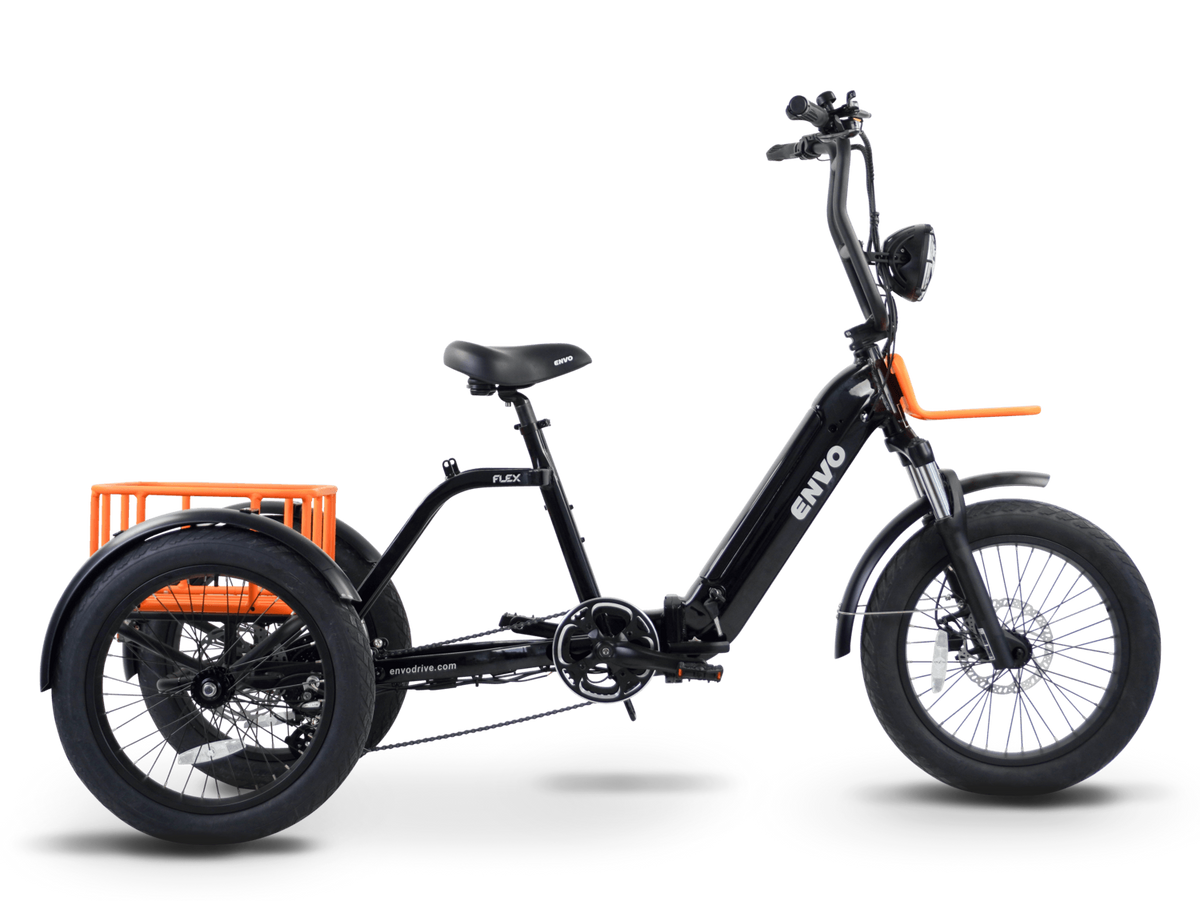
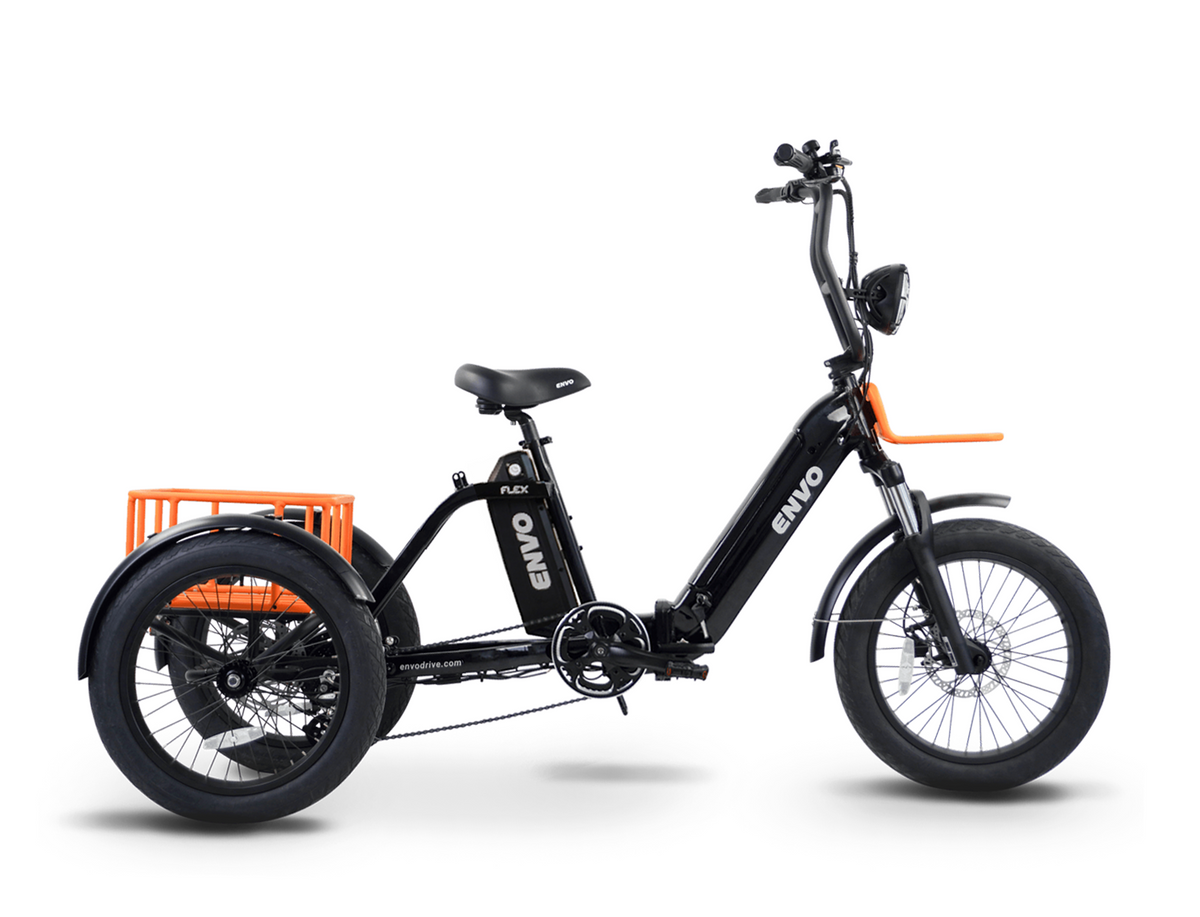
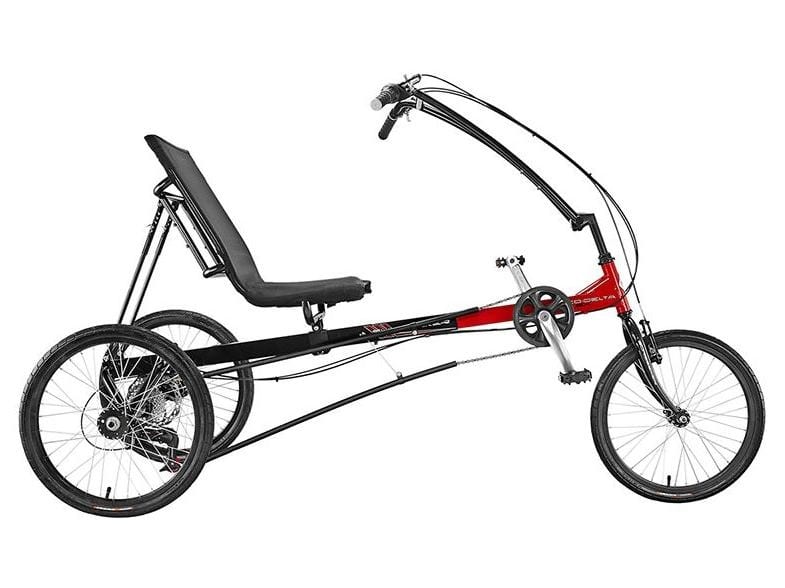
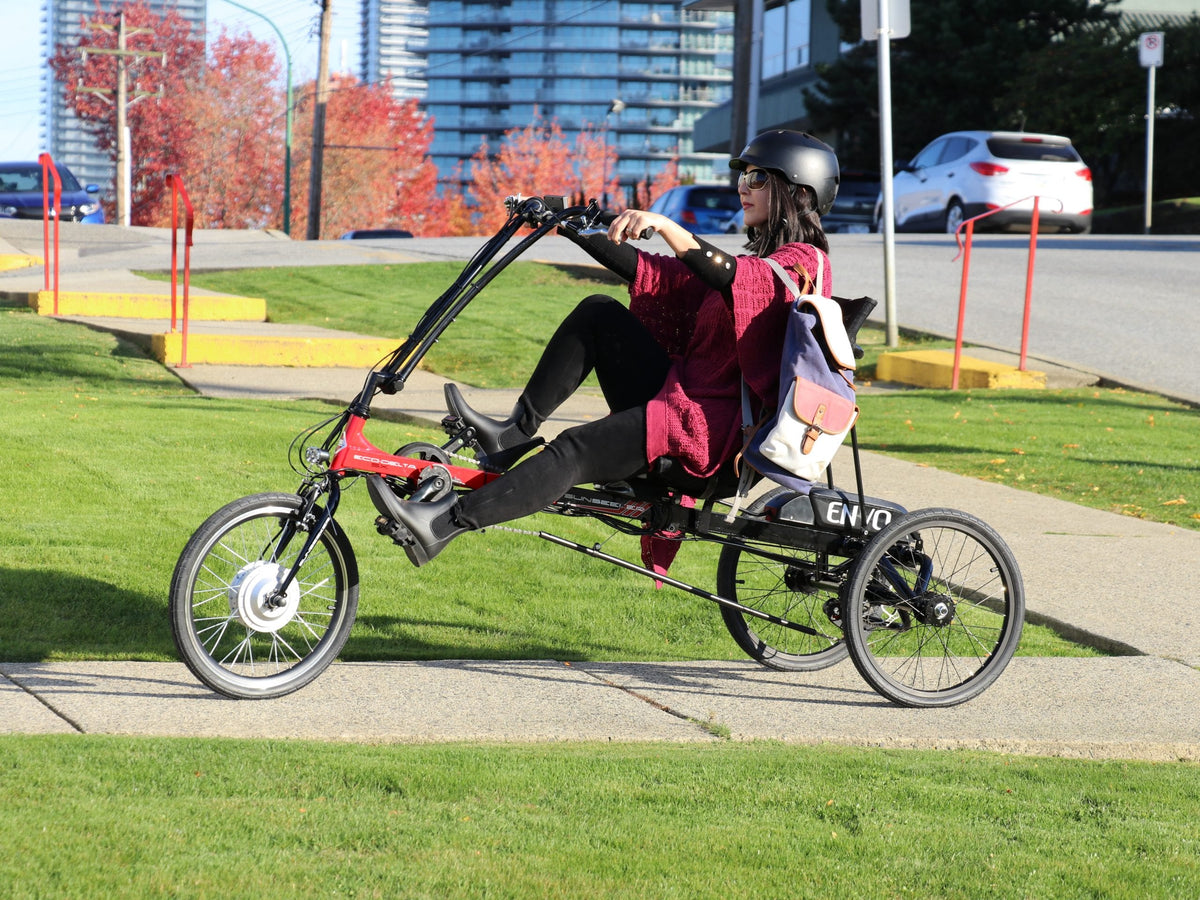
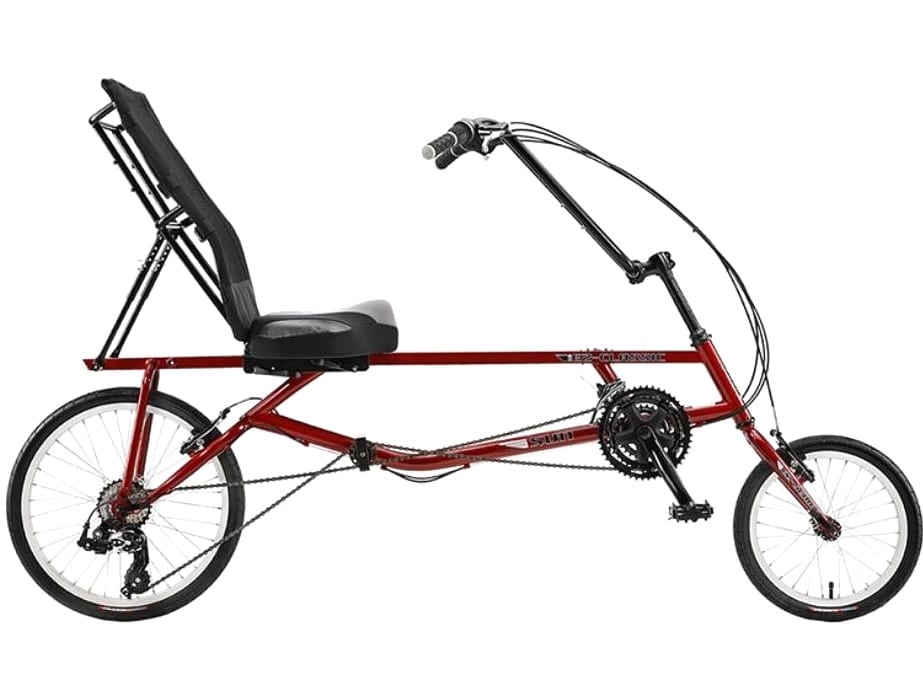
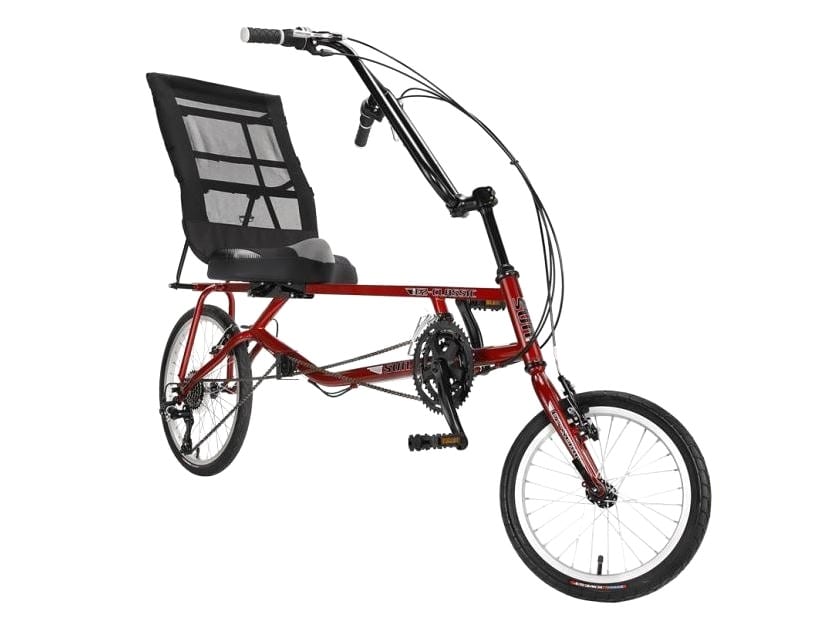
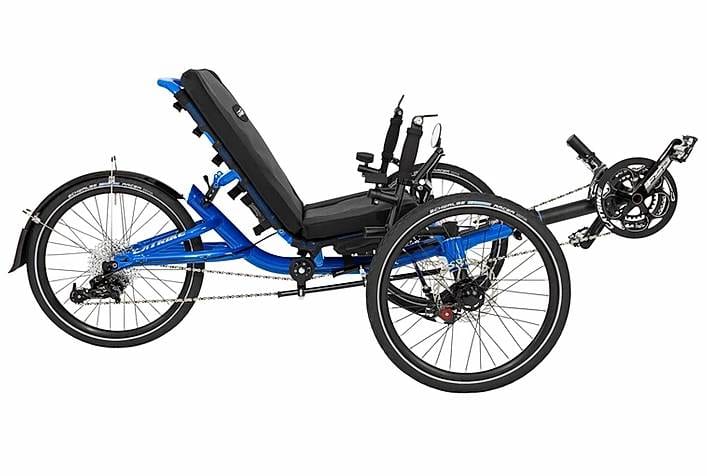
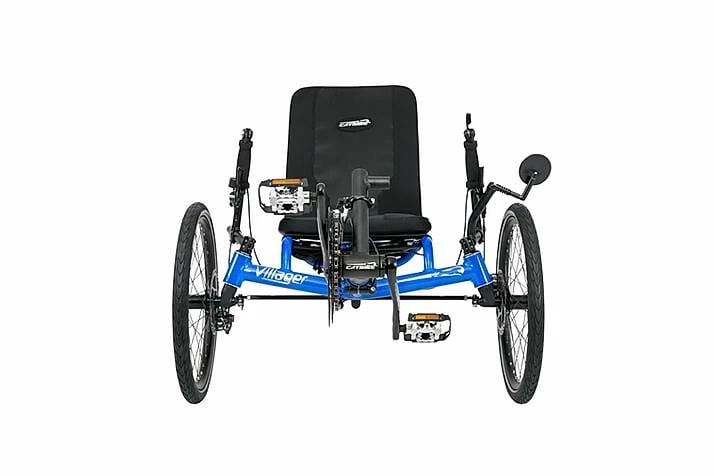
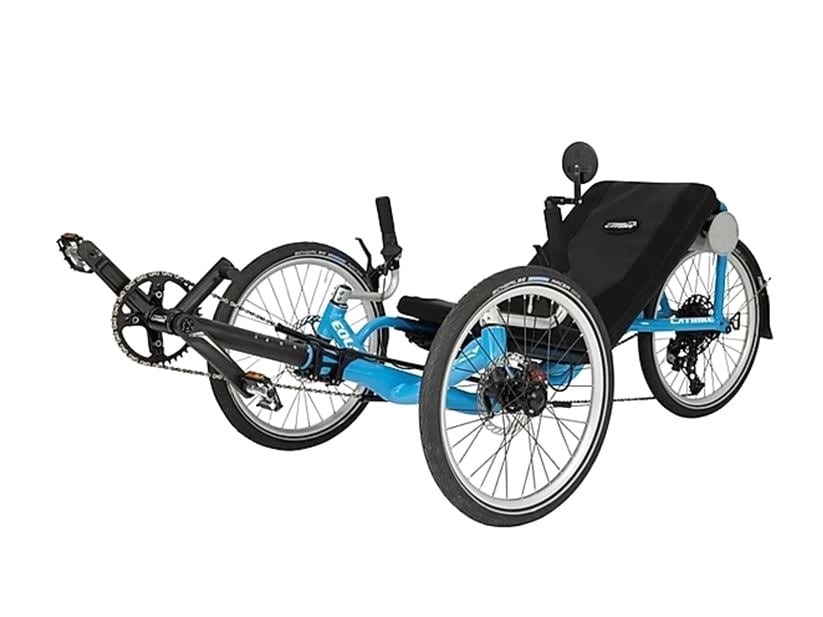
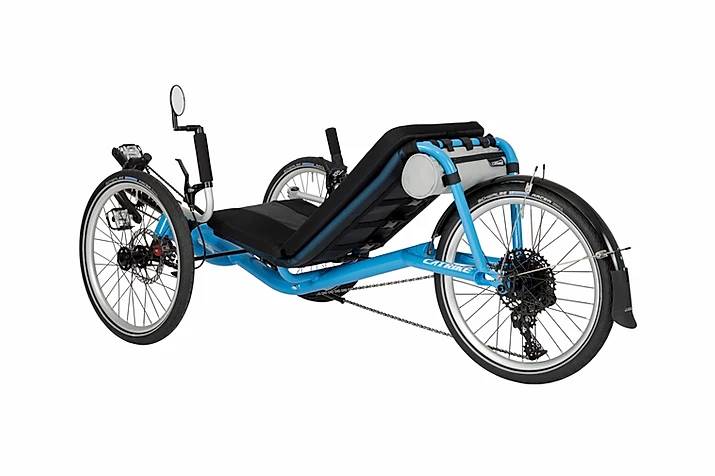
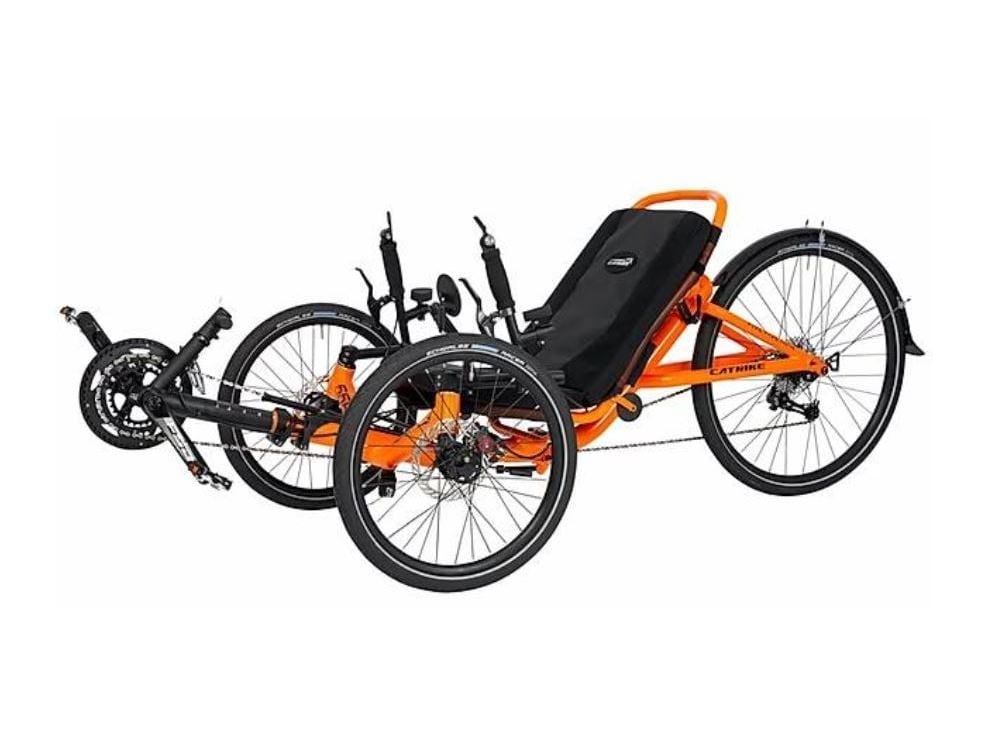
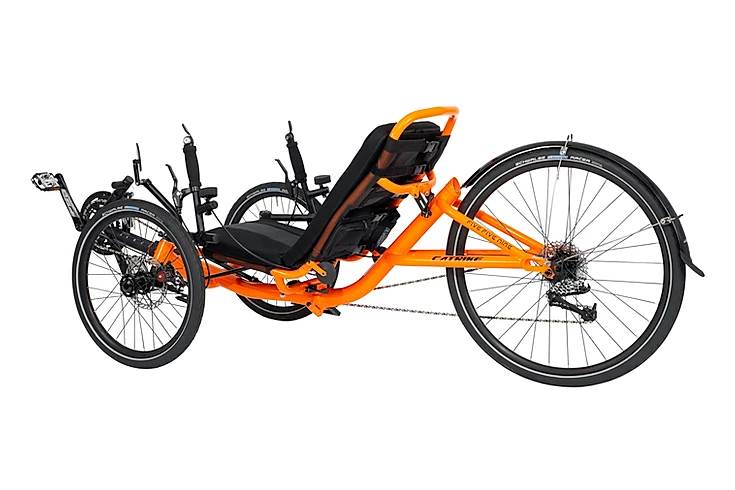
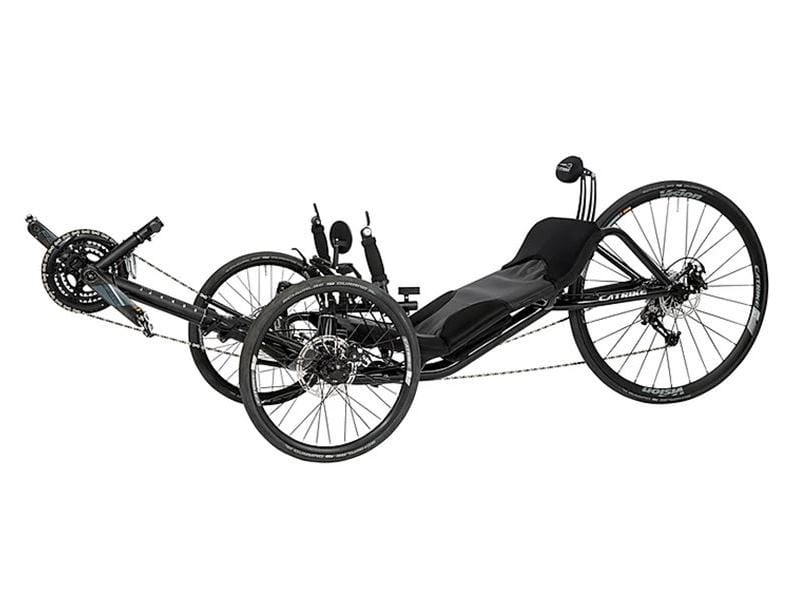
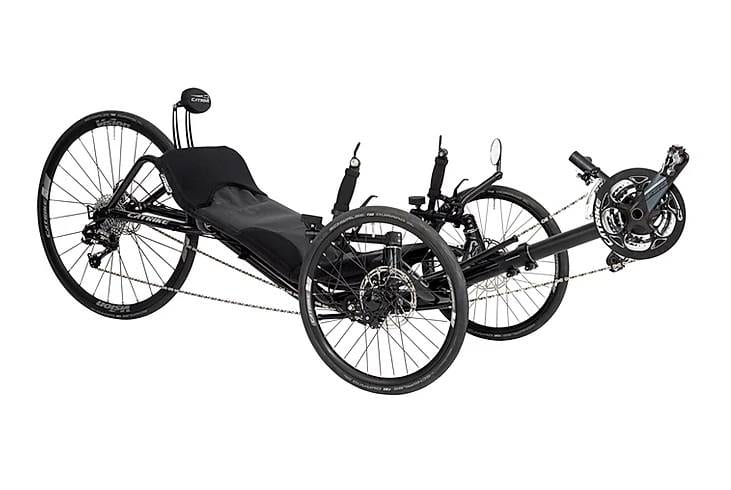
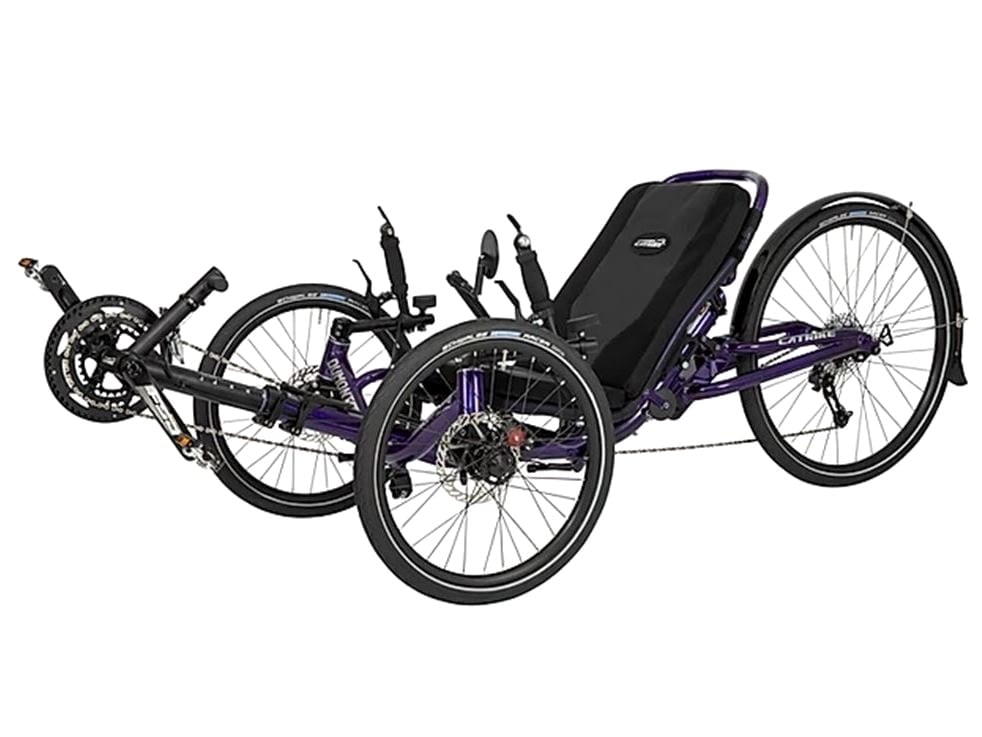
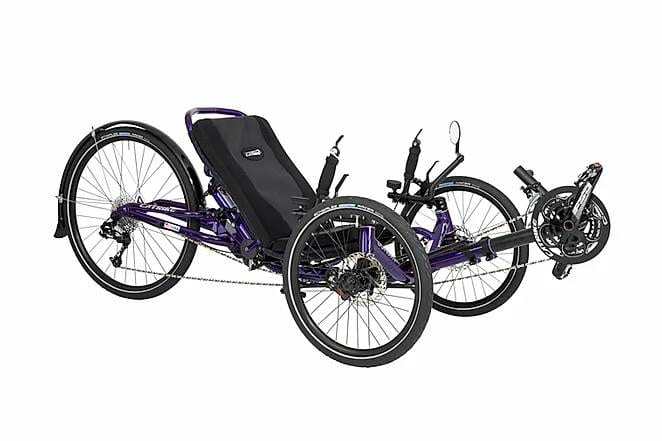
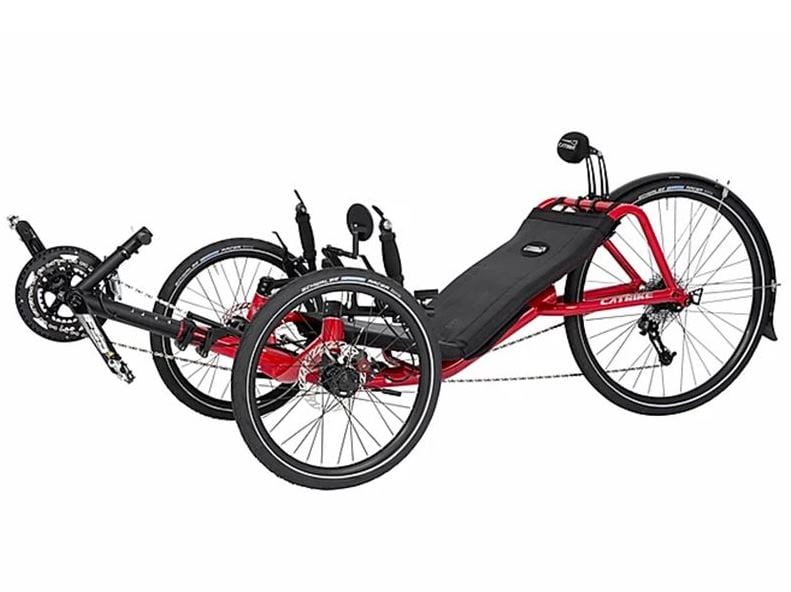
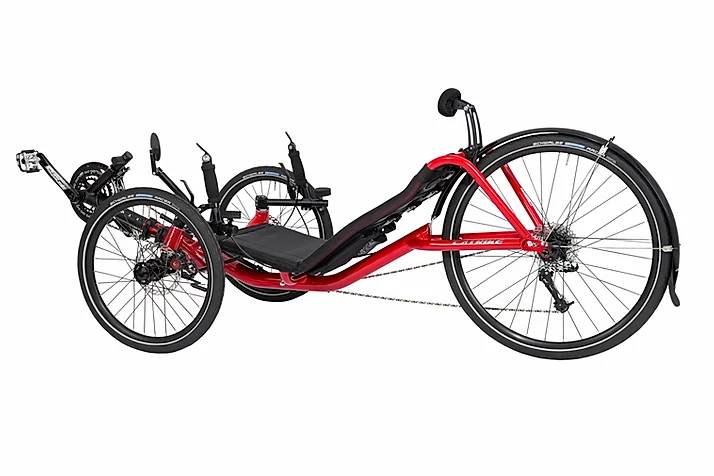
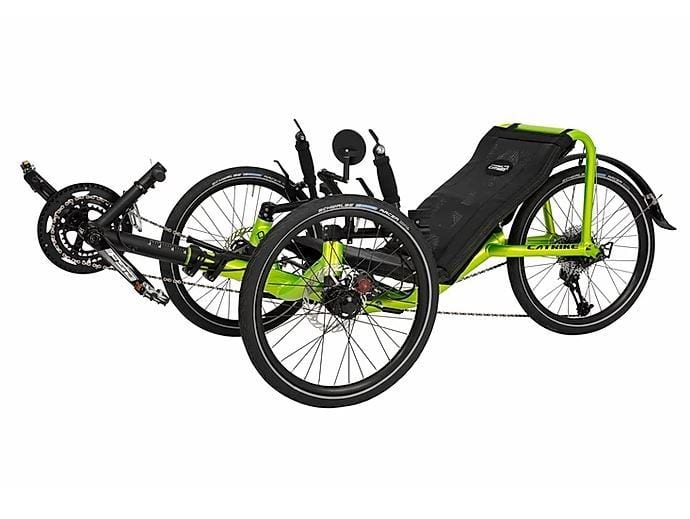
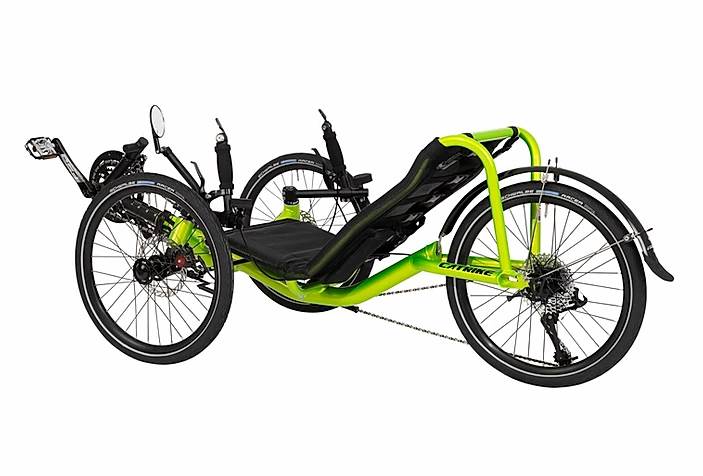
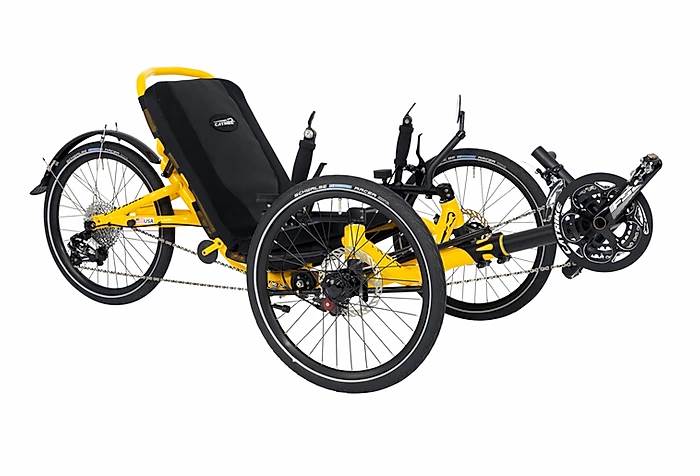
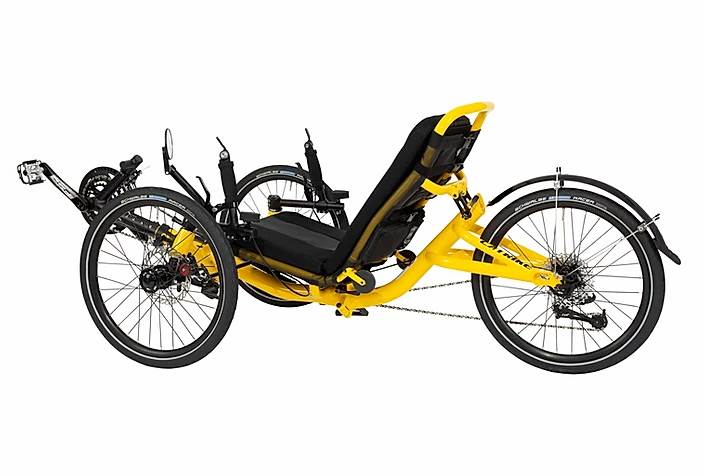
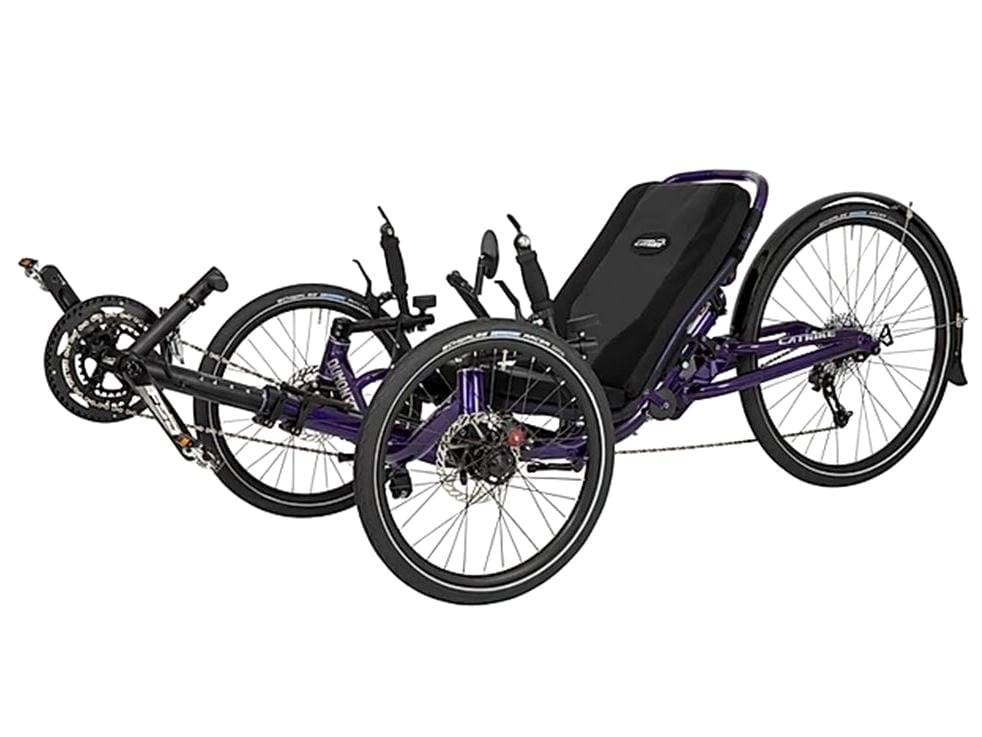
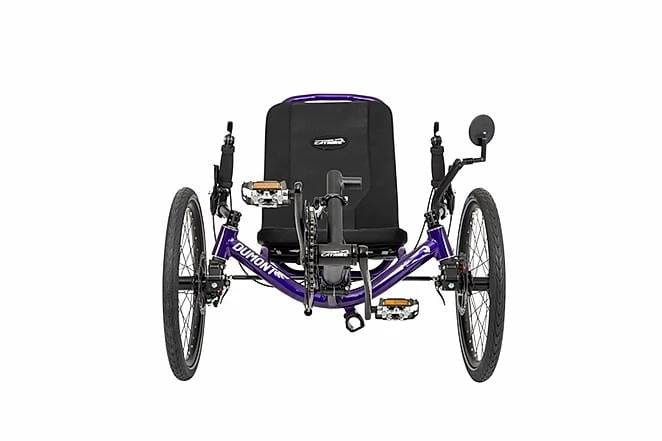
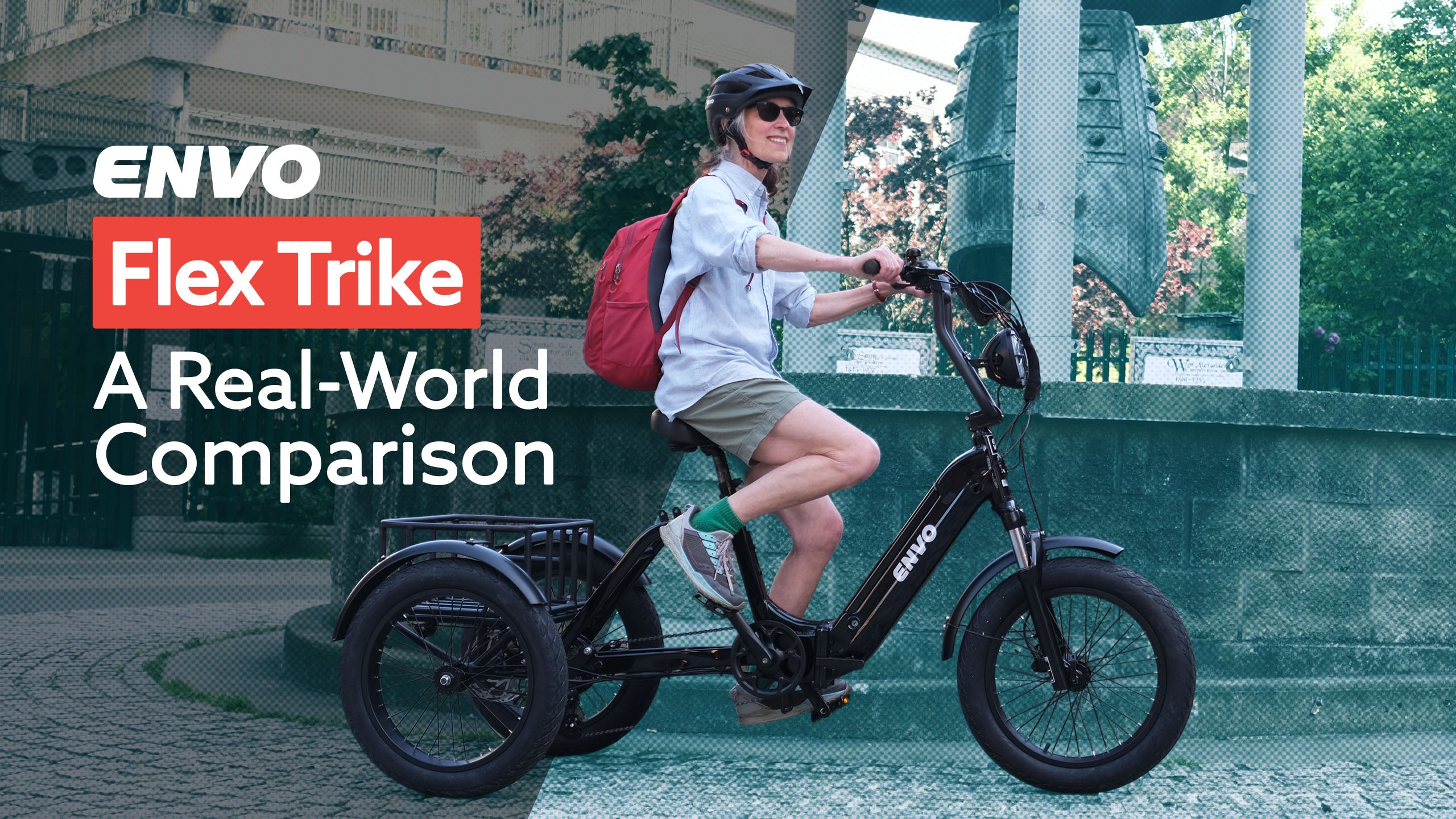
An upright electric trike looks like a standard bicycle with two rear wheels added — familiar riding position, easier to see and be seen in traffic, simpler to get on and off. A recumbent trike has a low, reclined seat with the rider's legs extending forward — very low centre of gravity, extremely stable, and often more comfortable for long rides or riders with back or joint issues. Recumbents are slower in traffic but excellent for leisure and longer rides.
Can electric trikes handle hills?
Yes, with the right motor. Trikes are heavier than two-wheeled bikes (typically 35–60 kg), so they need adequate power for climbing. Look for a motor with 500W or more and 60+ Nm of torque if your area has hills. Hub drive systems work well for flat to moderate terrain; for regular steep climbing, a mid drive system handles the weight more efficiently.
Are electric trikes street-legal in Canada?
Yes — a standard electric trike with a 500W motor and 32 km/h speed limit qualifies as a power-assisted bicycle (PAB) in Canada. No license, registration, or insurance is required in most provinces. Riders must be 16+ and wear a helmet in BC. Check provincial rules if your trike has a motor above 500W or assists above 32 km/h.
How do electric trikes handle corners?
Trikes don't lean into corners like two-wheelers — they stay flat, which means high-speed cornering can feel tippy. Most riders slow down for sharper turns naturally. Trikes with a wider rear axle (like most cargo trikes) are more stable in corners than narrower designs. At urban riding speeds (under 25 km/h), cornering stability is not a concern for most riders.
What's the cargo capacity of an electric trike?
Most electric trikes have a rear cargo basket rated for 20–50 kg of cargo. Some models include large front or side baskets as well. For grocery runs, errand trips, or light delivery use, an electric trike's cargo capacity often exceeds a regular cargo bike at a lower cost.