

Off-Road Electric Bicycles


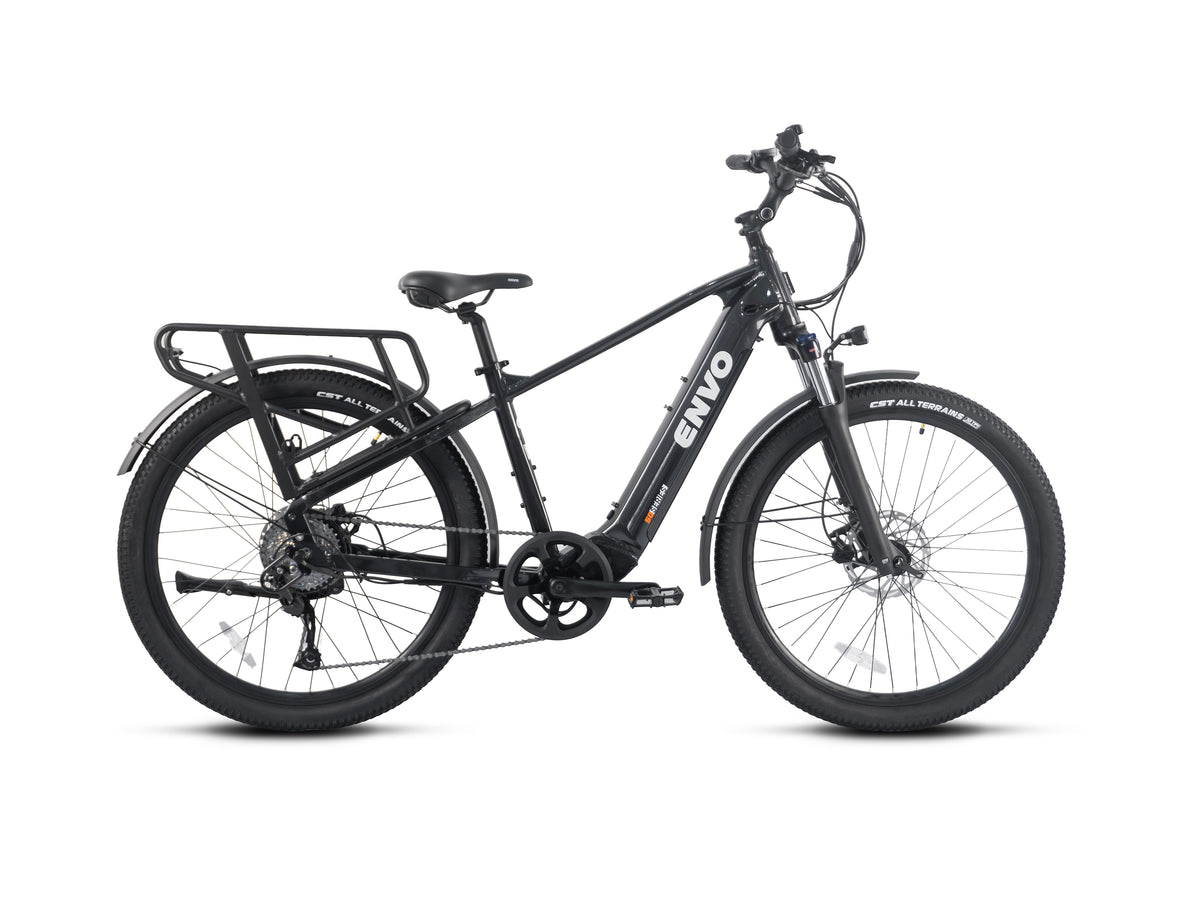
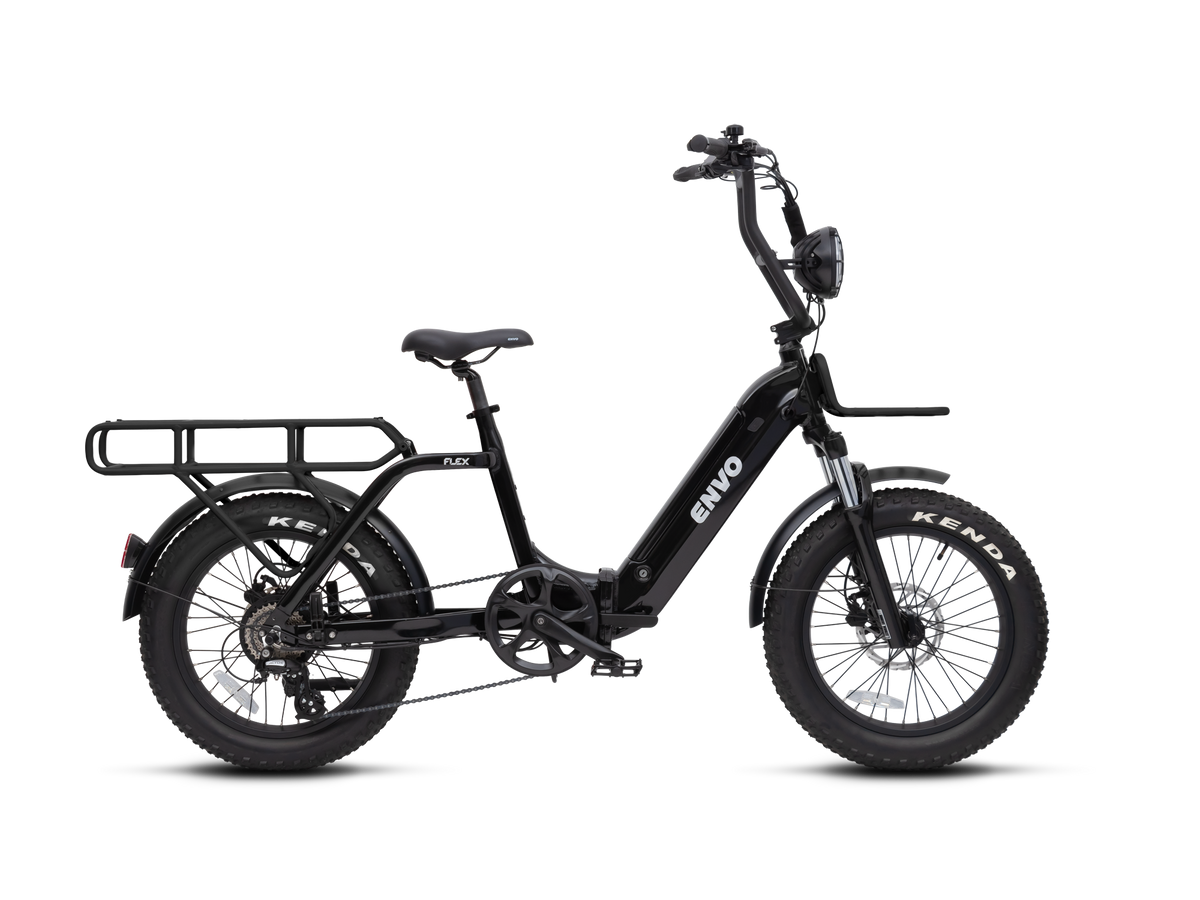
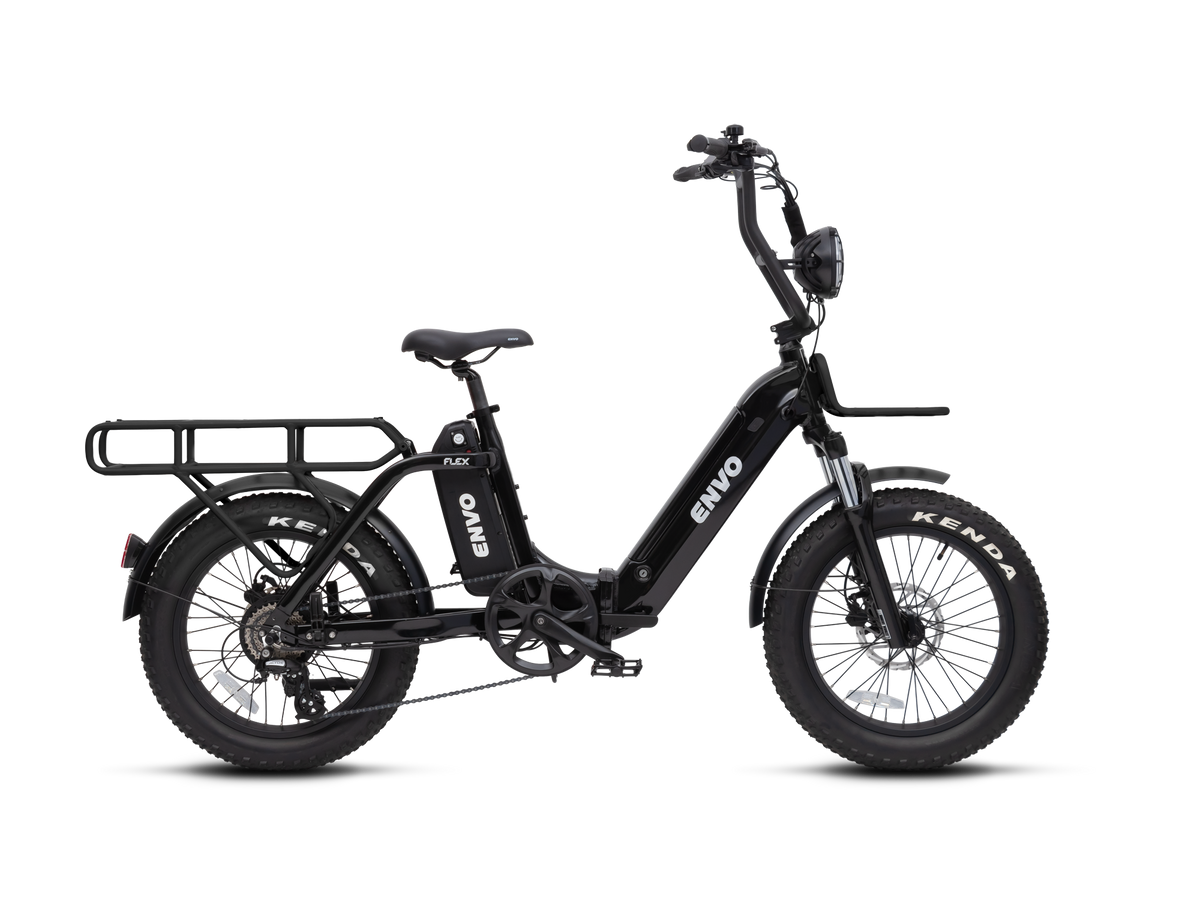
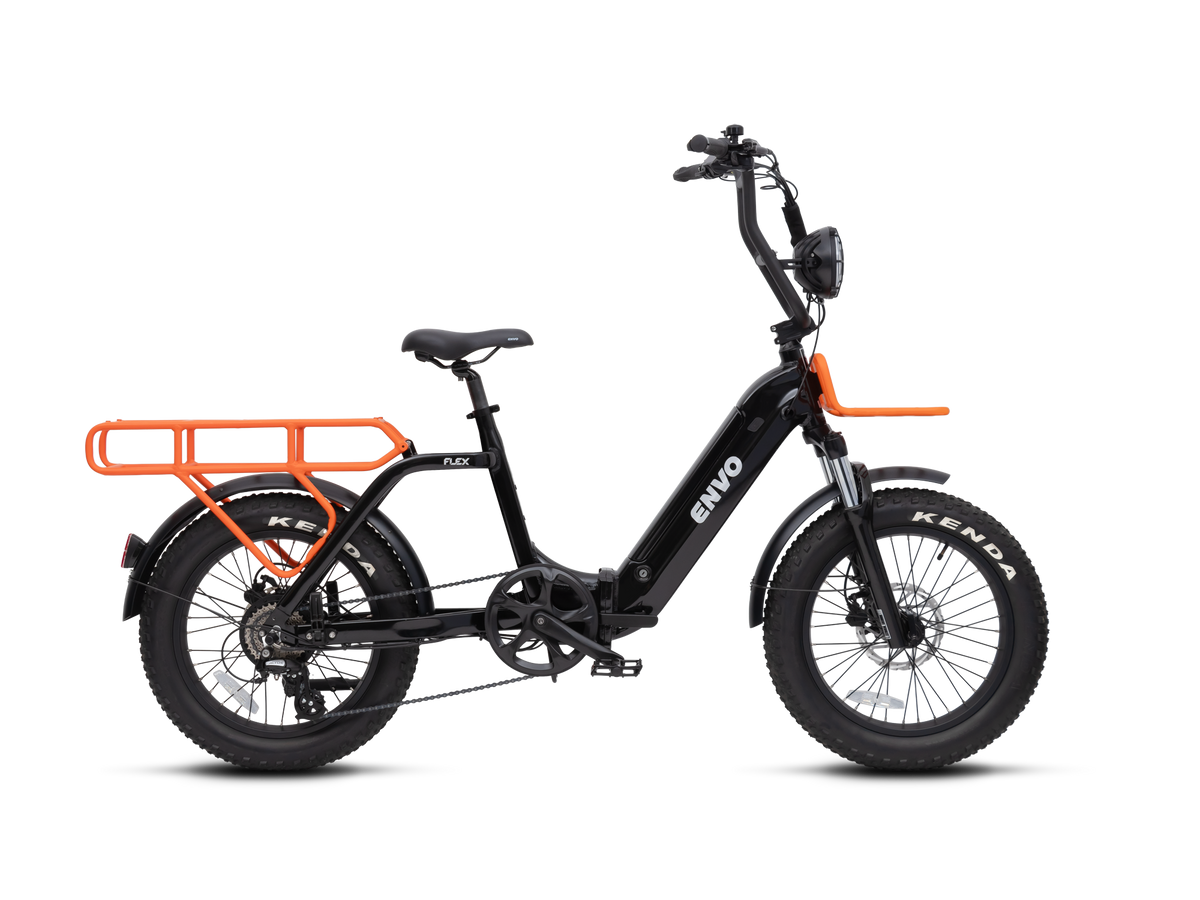
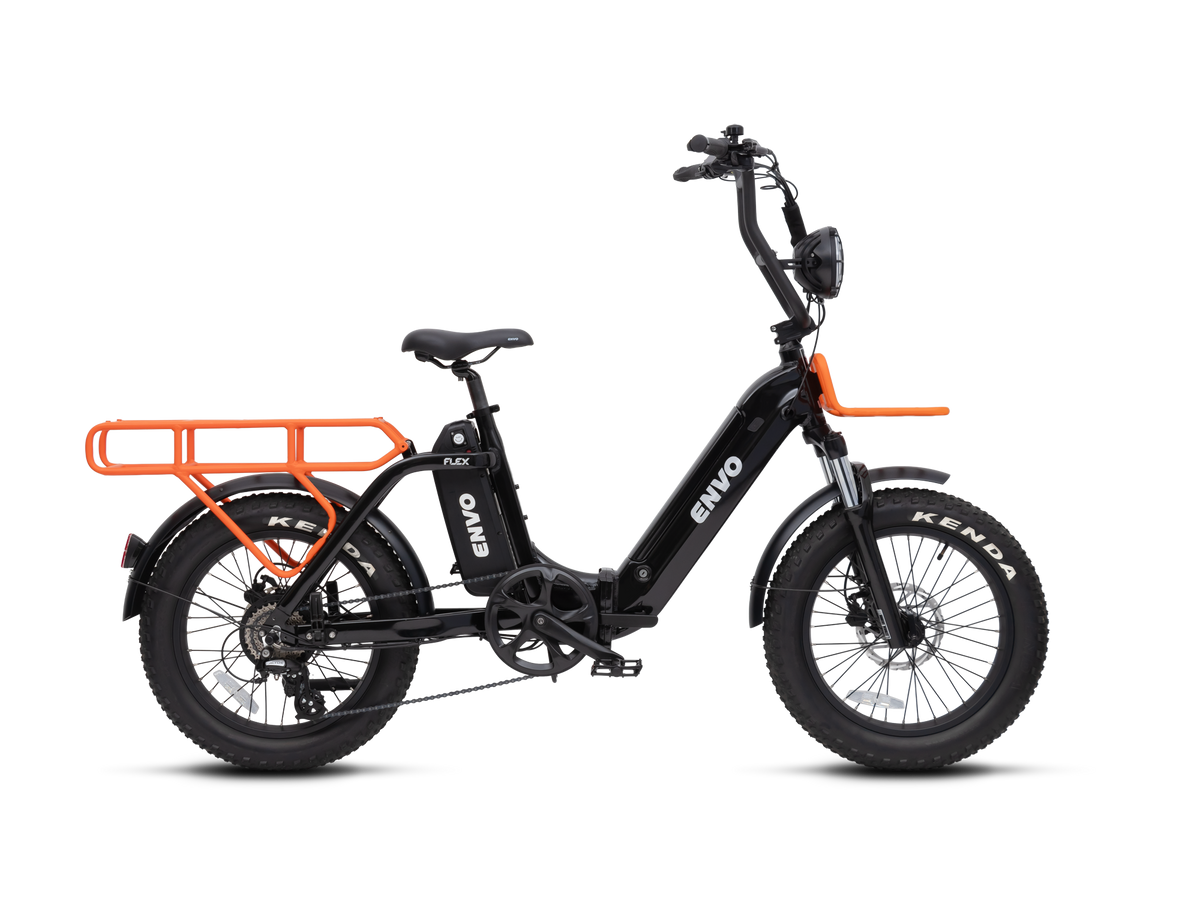


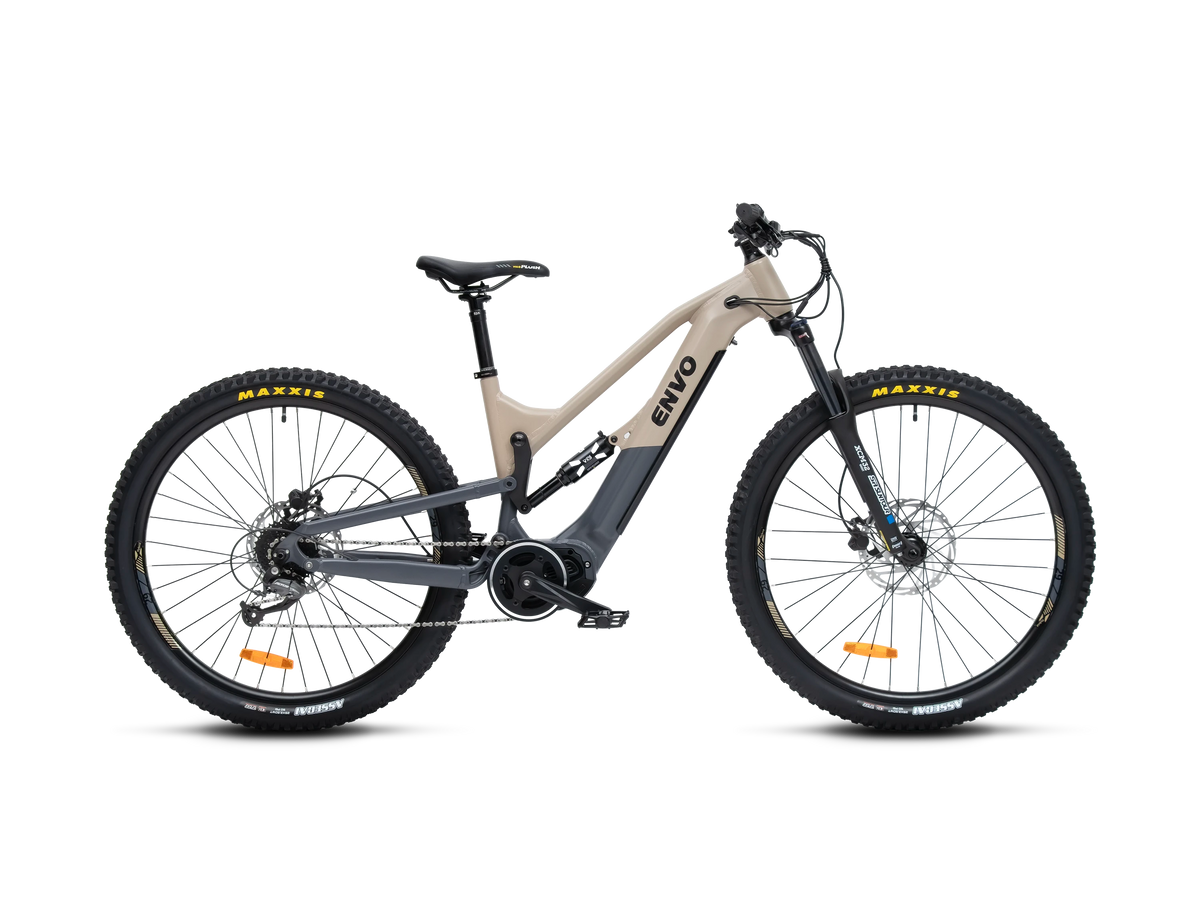
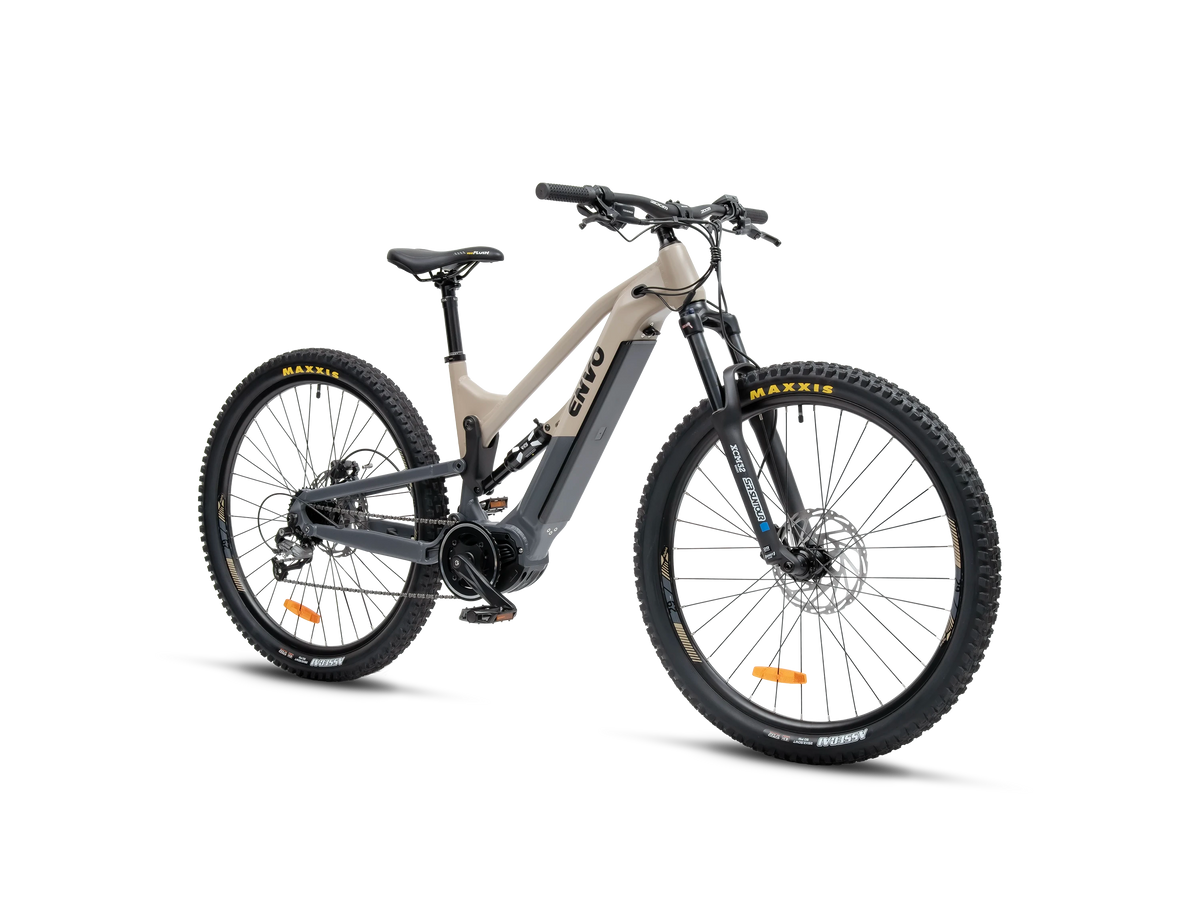
Off-road electric bicycles are engineered for trails, dirt, and rough terrain — giving Canadian riders the torque and confidence to tackle BC's technical trails and backcountry routes on two wheels.
What features define an off-road electric bicycle?
Off-road e-bikes typically feature 2.3"–2.6" knobby tires, front or full suspension with 100–150mm of travel, high-torque motors (60+ Nm), and a slack head angle for stability on descents. Hydraulic disc brakes are standard for reliable stopping on technical terrain.
What motor and wattage is best for off-road riding?
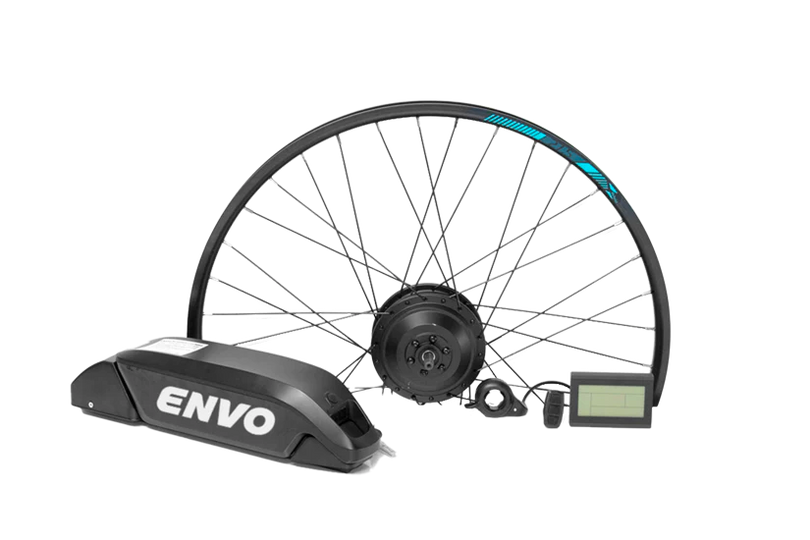
A mid-drive motor in the 500W–750W range is optimal for off-road riding because it works with your bike's gears to maintain efficient torque across varied terrain. For legal on-trail use in BC, stay within 500W/32 km/h limits. See our mid-drive conversion kits for build options.
Are off-road e-bikes allowed on BC trails?
Trail access for e-bikes in BC varies by land manager. Many BC Parks trails permit power-assisted bicycles (≤500W); others restrict all motorised vehicles. Check with the specific trail authority. IMBA Canada provides updated trail access guidelines for e-MTBs.
How does tire width affect off-road performance?
Wider tires (2.4"+) provide more traction, better shock absorption, and improved cornering grip on loose surfaces. Fat tire e-bikes (4"+) add flotation on mud and sand. The trade-off is increased rolling resistance on hardpack.
Do off-road e-bikes qualify for BC's PST exemption?
Complete e-bikes — including off-road models rated ≤500W — qualify for BC's PST exemption. Higher-wattage off-road-only models may not qualify if they exceed the power-assisted bicycle definition.