




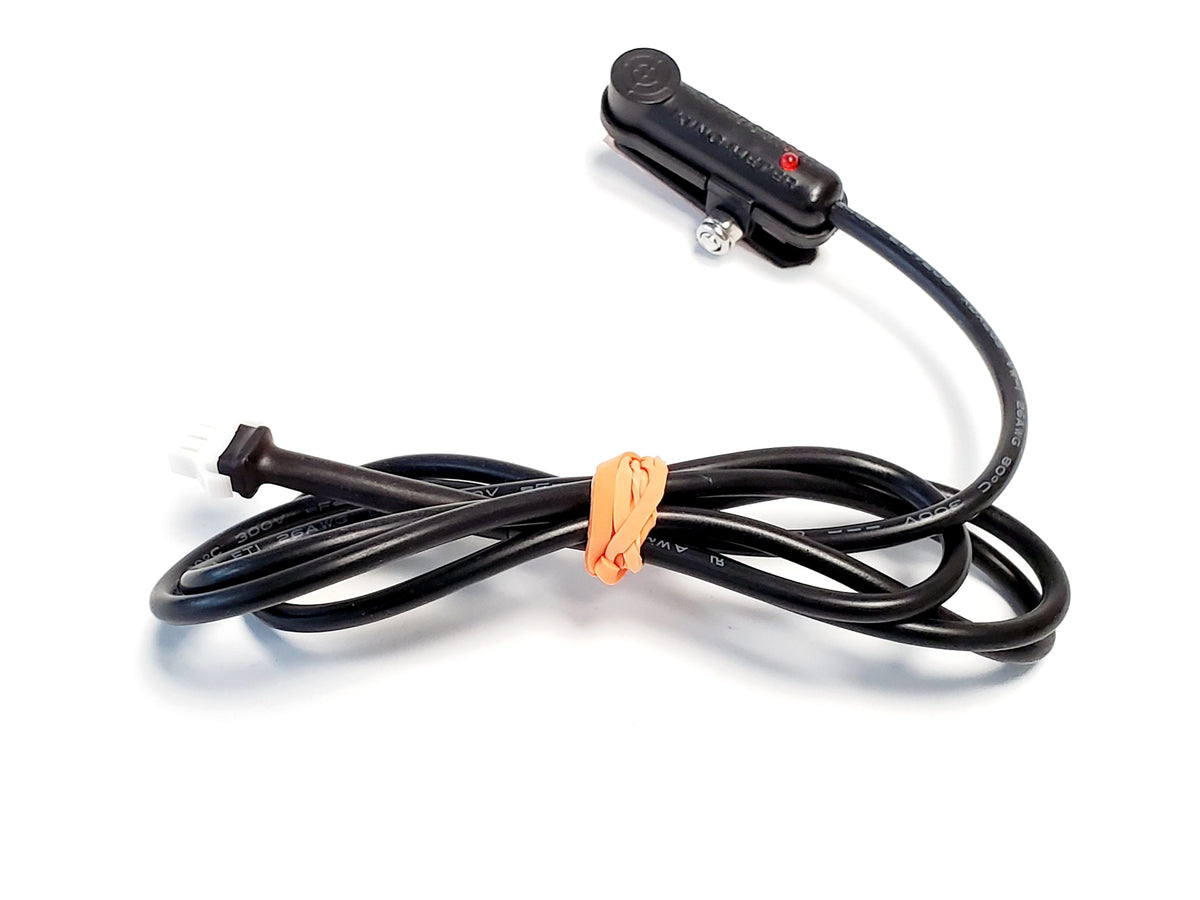
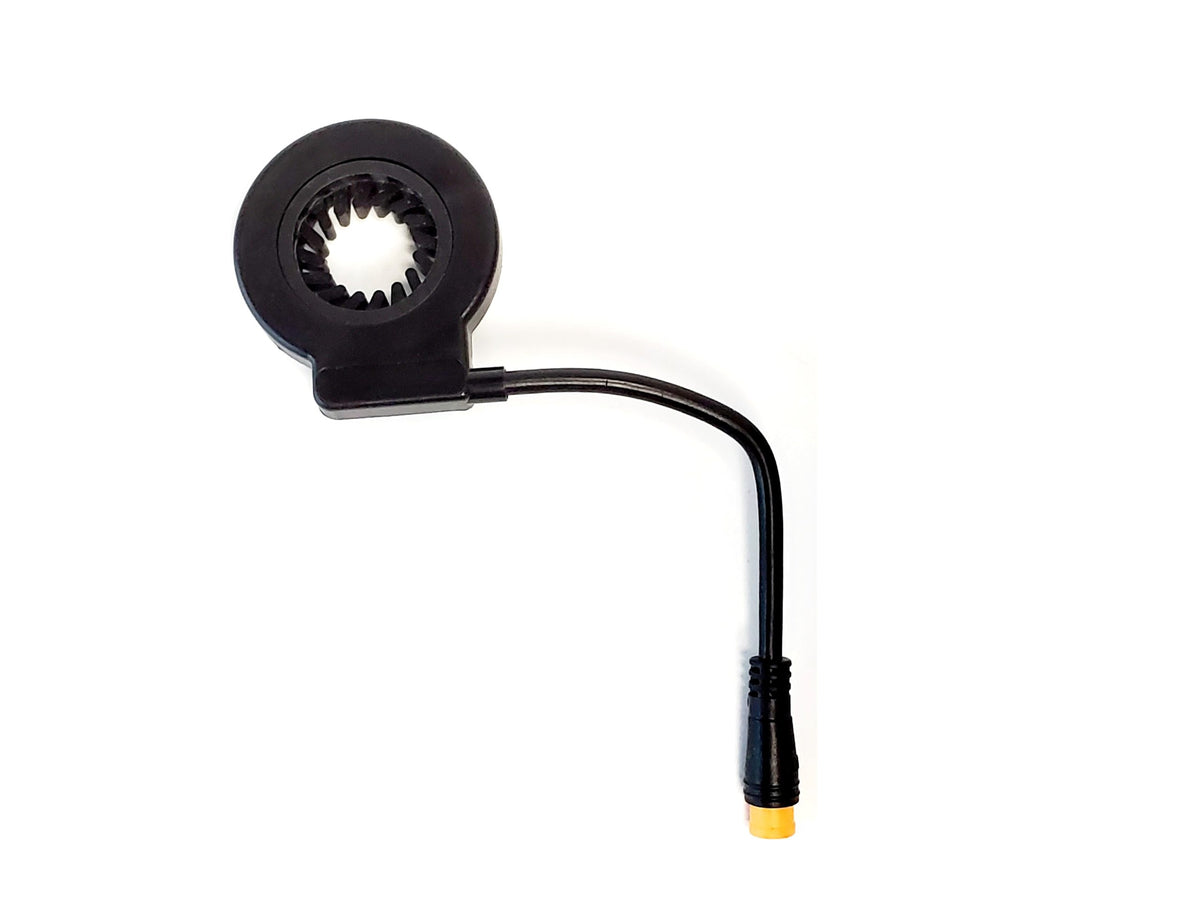
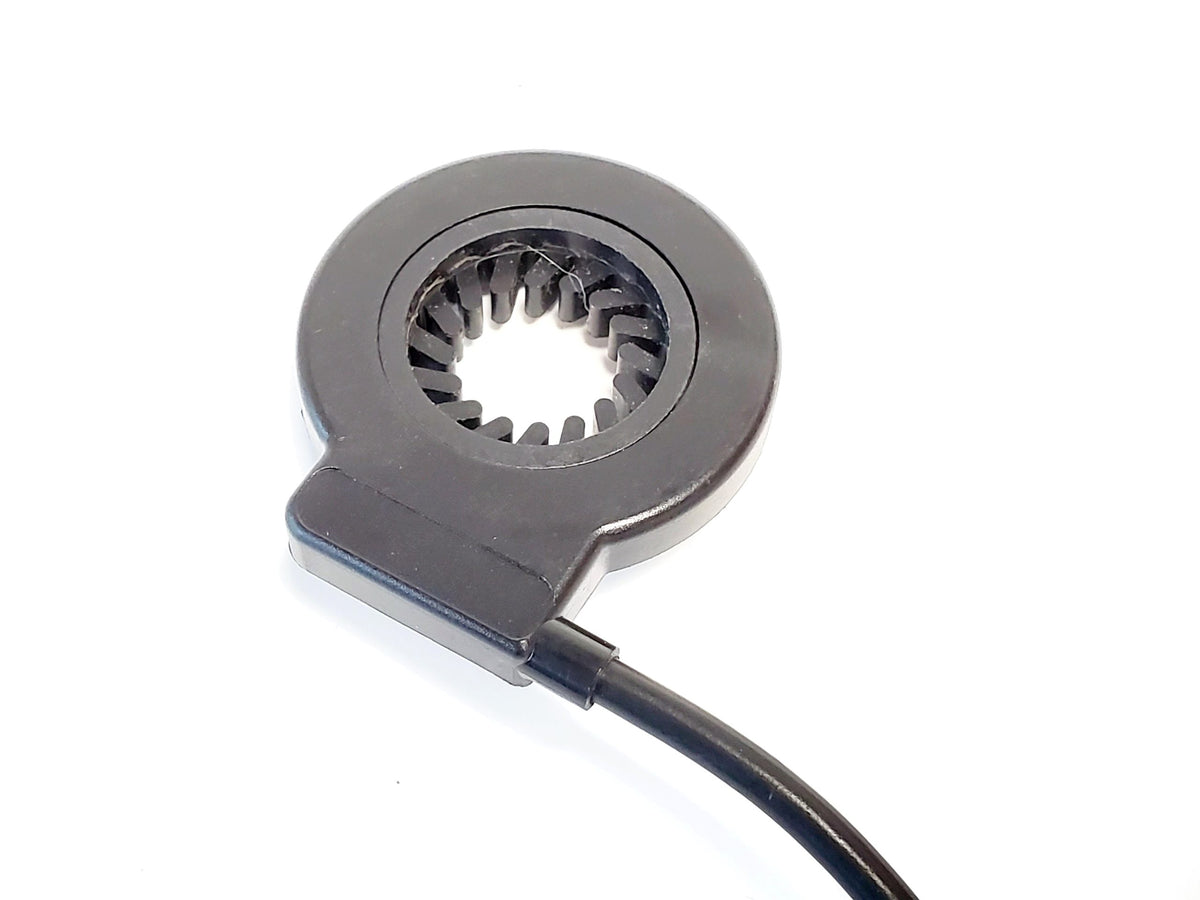
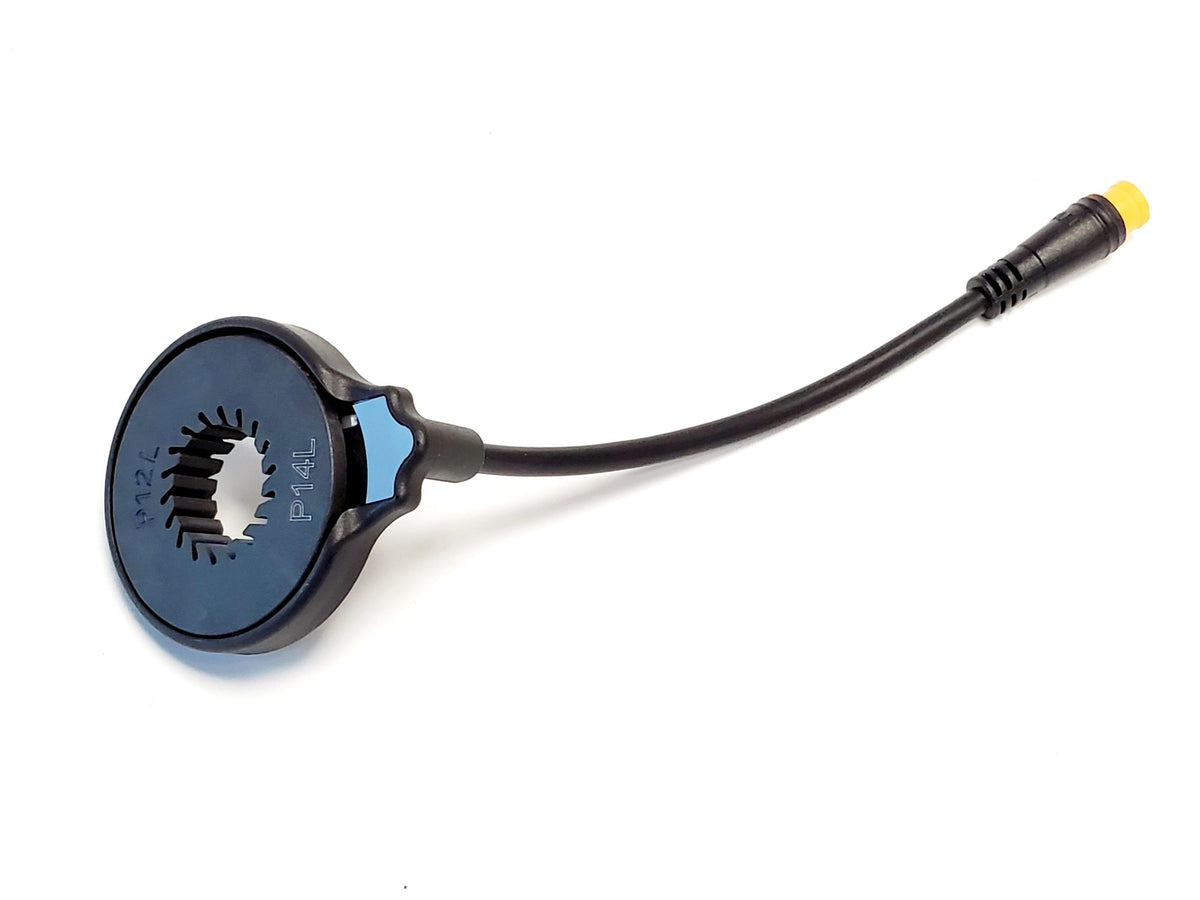
Pedal assist sensors are the core input component that makes an eBike respond to your pedalling — detecting when you're riding and signalling the controller to deliver motor assistance.
How does a pedal assist sensor work?
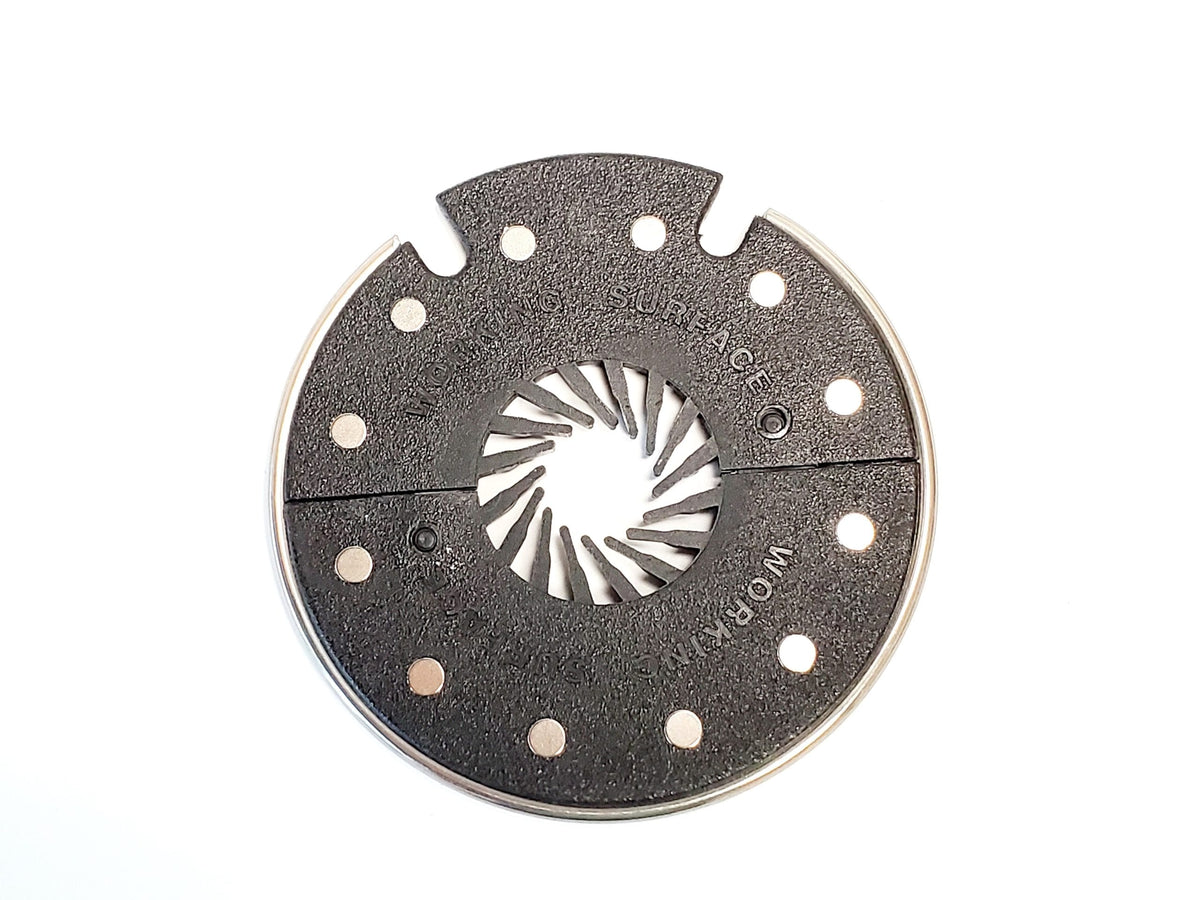
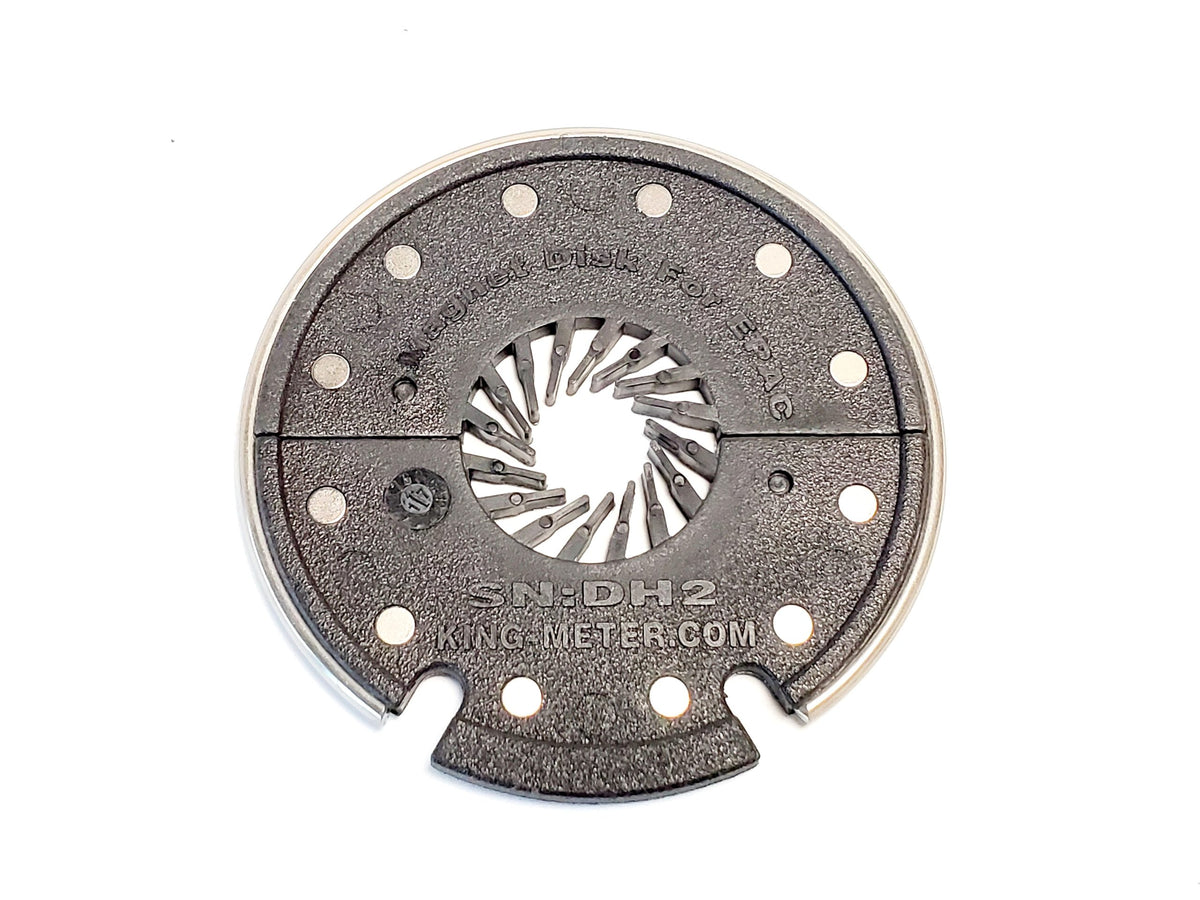
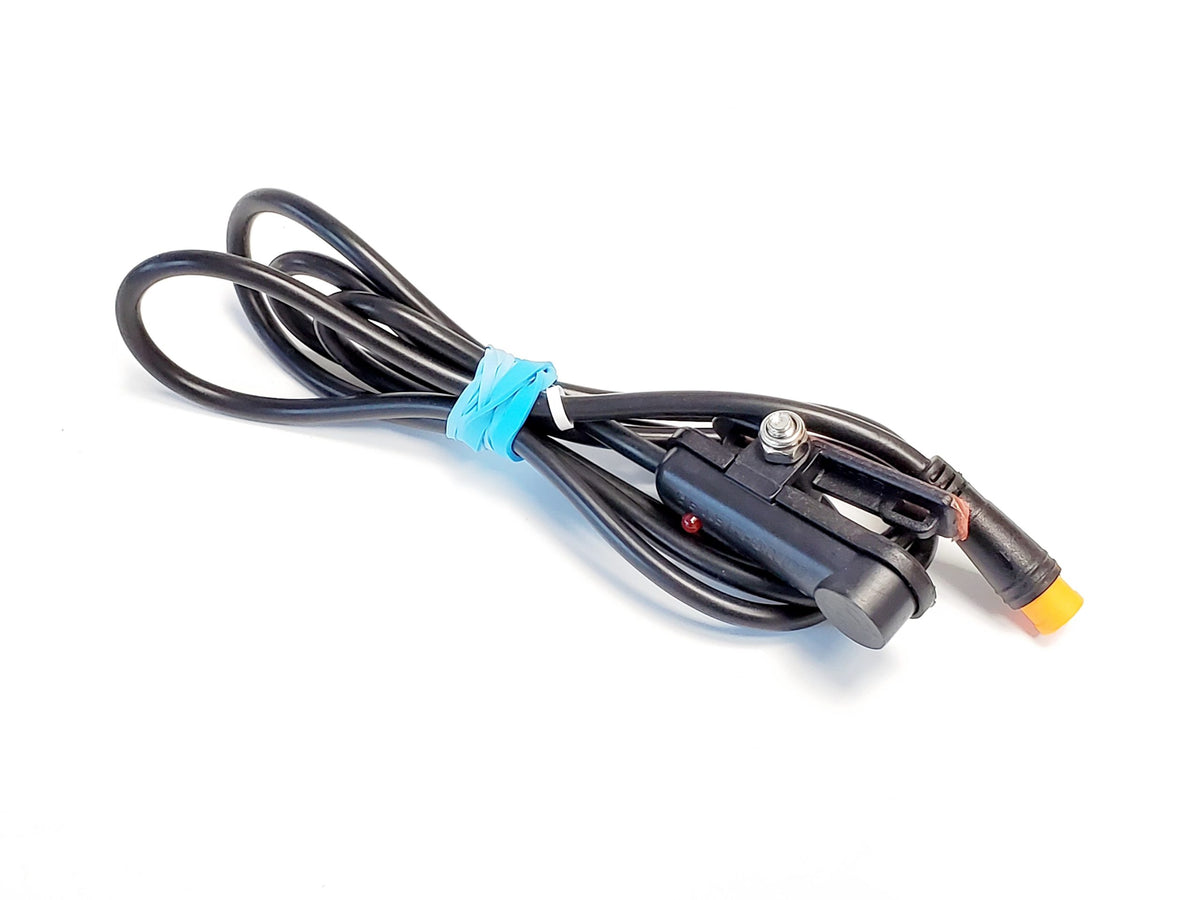
A cadence-based PAS sensor mounts around the bottom bracket and uses a magnet ring on the crank spider to detect rotation. When the sensor detects the magnets passing, it signals the controller to deliver the selected assist level. Most 12-magnet sensors provide smooth assist with minimal lag.
What is the difference between a cadence PAS and a torque PAS?
Cadence sensors detect whether you are pedalling (on/off signal). Torque sensors measure the force you apply to the pedals and deliver proportionally stronger assist when you push harder. Torque sensors feel more natural and are standard on premium e-bikes; cadence sensors are common on conversion kits for their lower cost and simplicity.
Is the ENVO pedal assist sensor compatible with other kits?
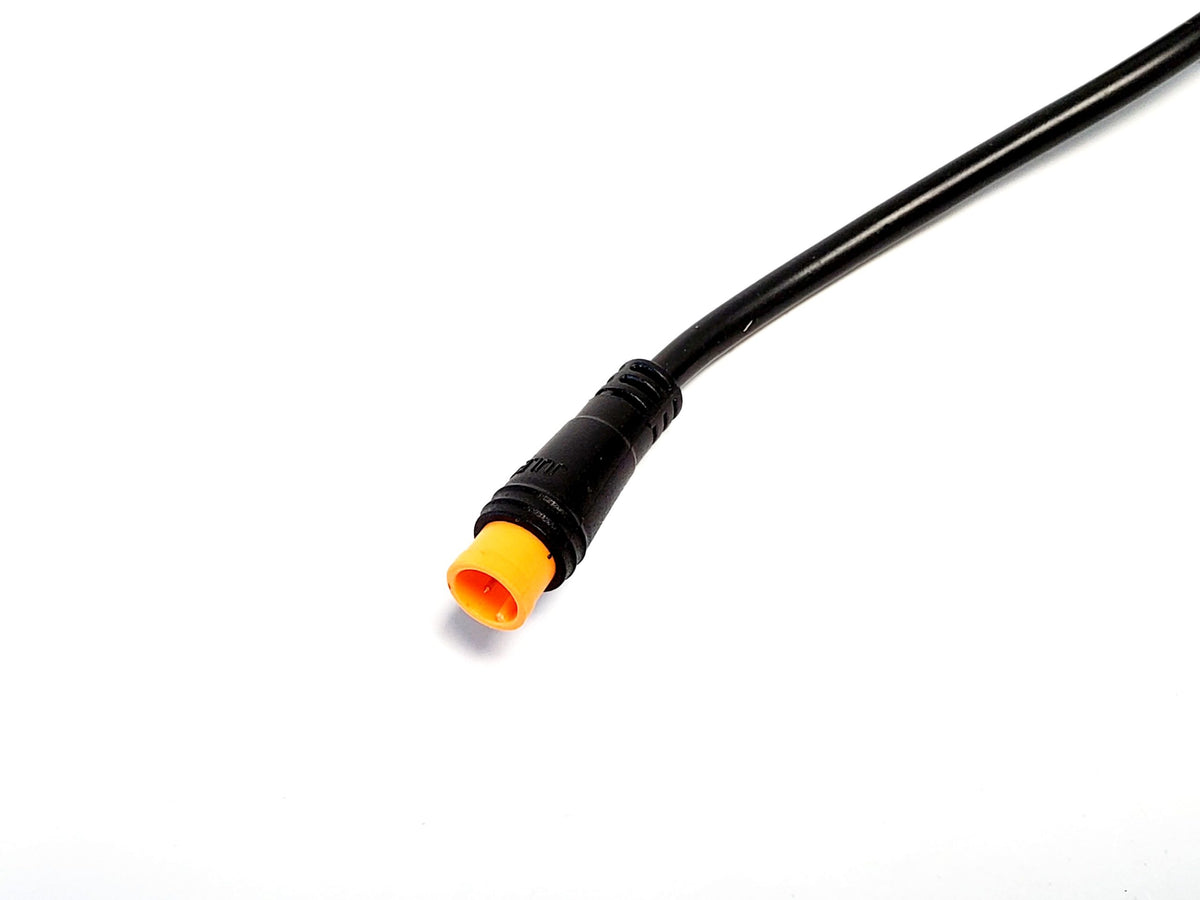
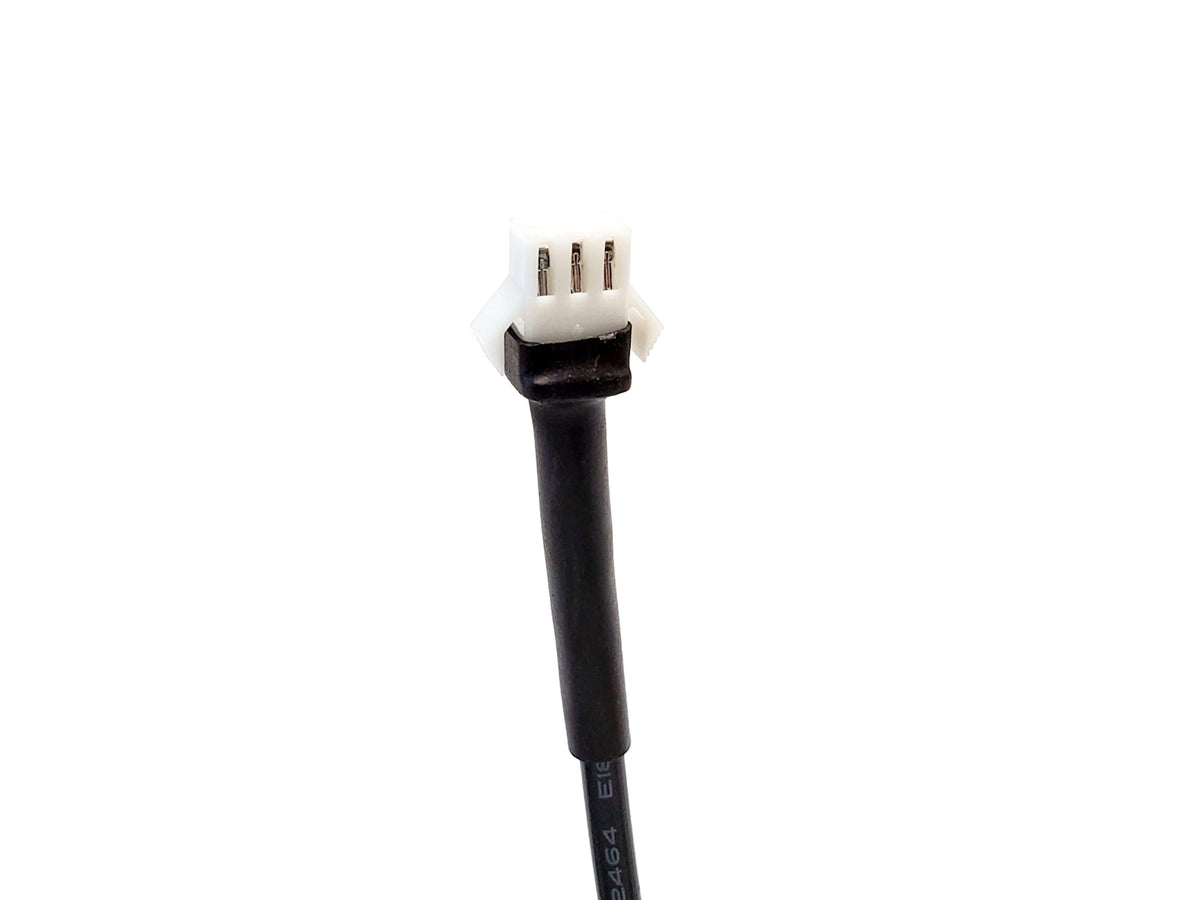
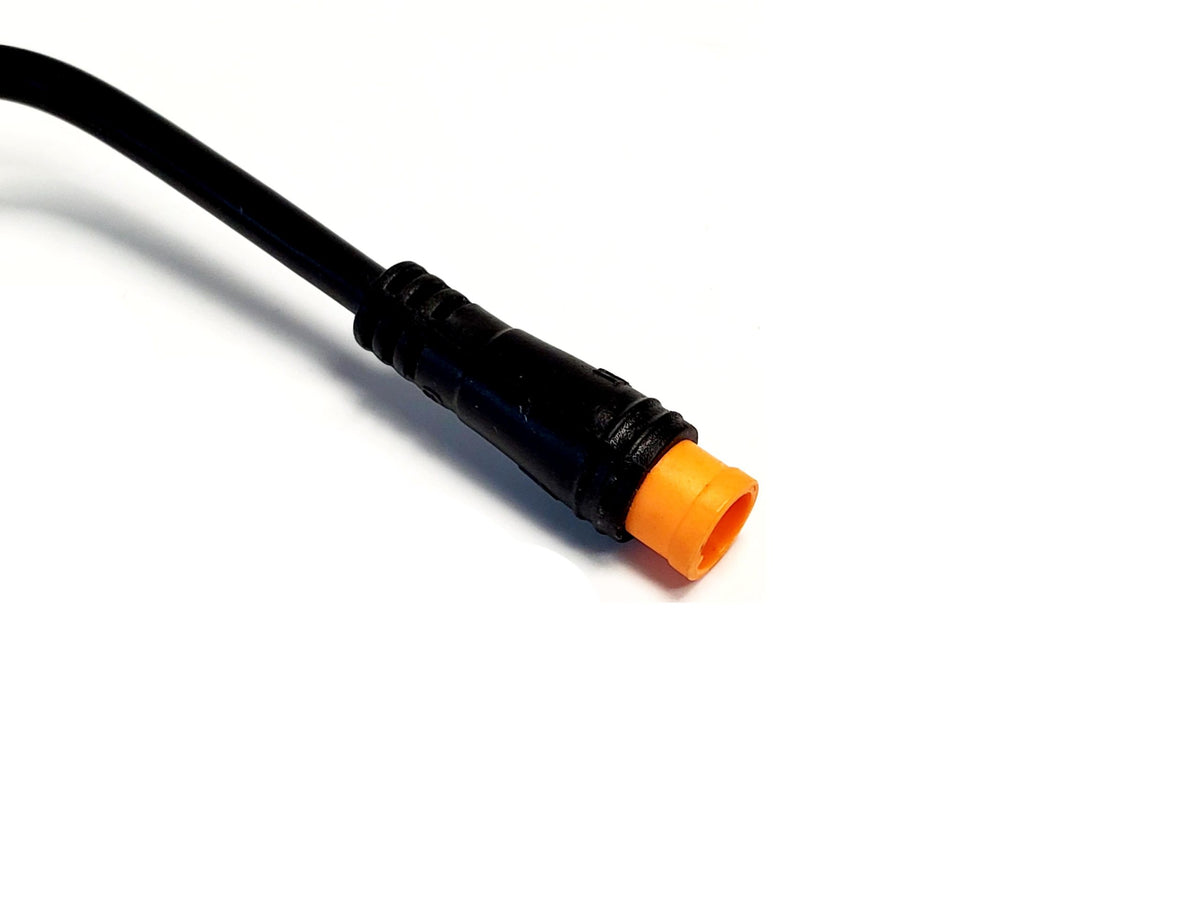
ENVO's PAS sensors use standard 5-pin or 6-pin JST connectors compatible with most ENVO and many third-party controllers. Verify your controller's PAS input connector type before purchasing a replacement or upgrade sensor.
How do I install a pedal assist sensor?
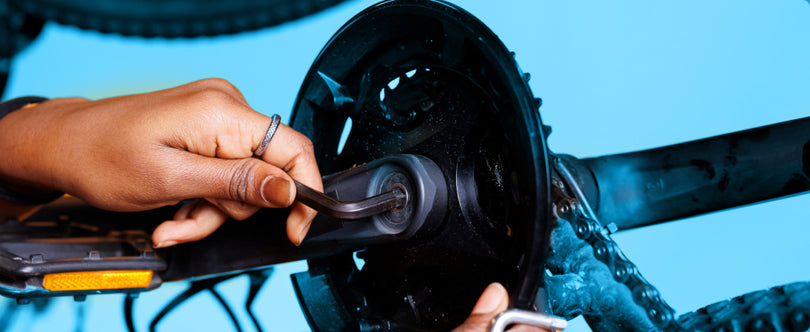
Installation involves removing the crank arm to access the bottom bracket shell, mounting the sensor ring around the shell, attaching the magnet disk to the crank spider, routing the cable to the controller, and reassembling the cranks. The process takes 20–40 minutes with basic tools.
Does a waterproof PAS sensor exist for BC riding conditions?
Yes — ENVO's conversion kit PAS sensors are designed for all-weather use with sealed magnet rings and water-resistant cabling. For the bottom bracket area that gets significant road spray, a waterproof sensor is strongly recommended for year-round BC commuting.