



ENVO Lynx 16 vs Lectric XP Lite 2
Compact Folding E-Bikes Compared
Ultra-compact folding e-bikes for city commuters. Canadian-designed ENVO vs budget-priced Lectric. Which delivers better value for Canadian buyers?
Quick Verdict
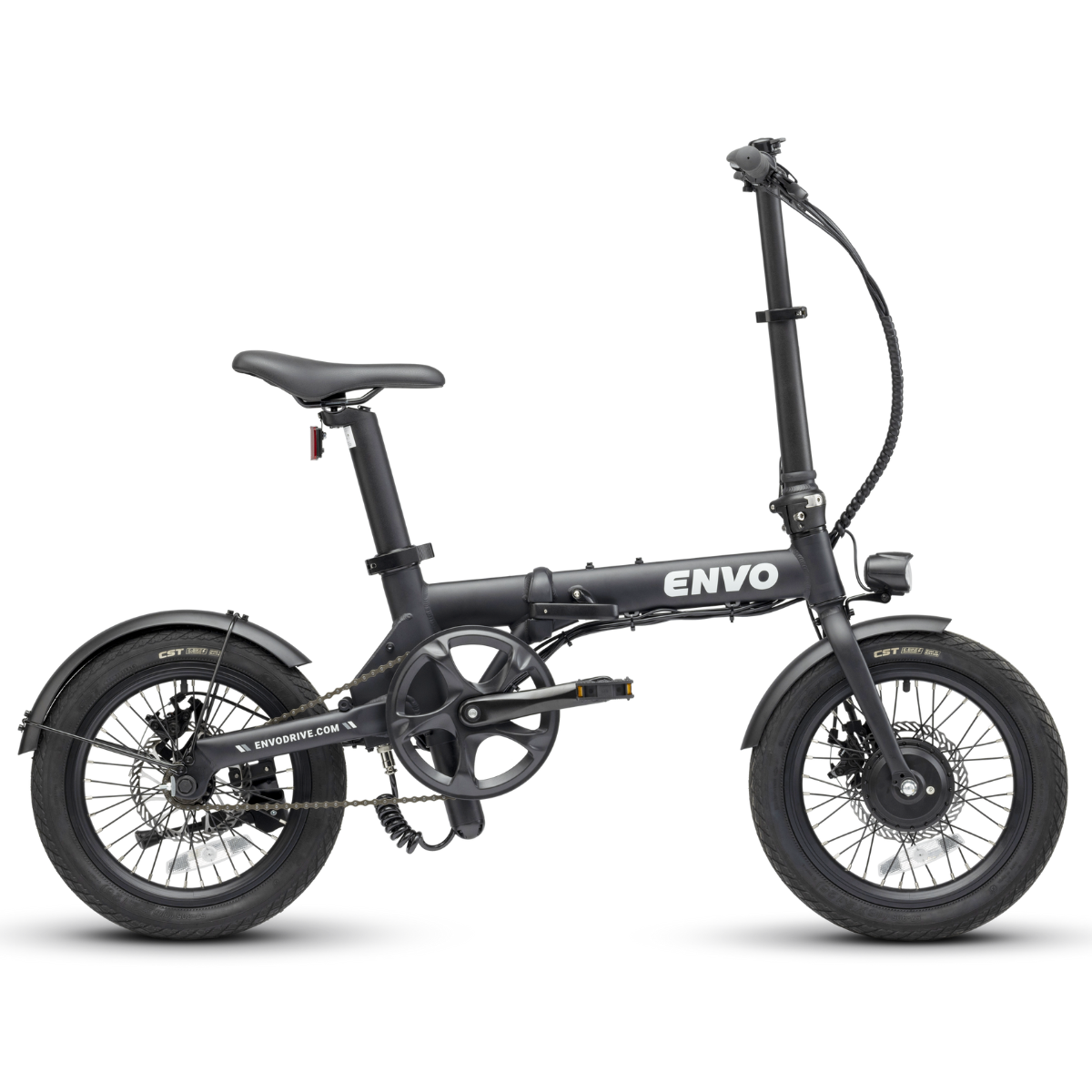
The ENVO Lynx 16 and the Lectric XP Lite 2 target the same buyer: someone who wants the smallest, lightest possible folding e-bike for tight apartments, crowded transit, and short urban commutes. Both weigh under 23 kg. Both fold. Both are priced under $1,500 CAD. But beneath those shared headlines, two very different engineering philosophies emerge — and the differences matter more than you might expect for bikes this compact.
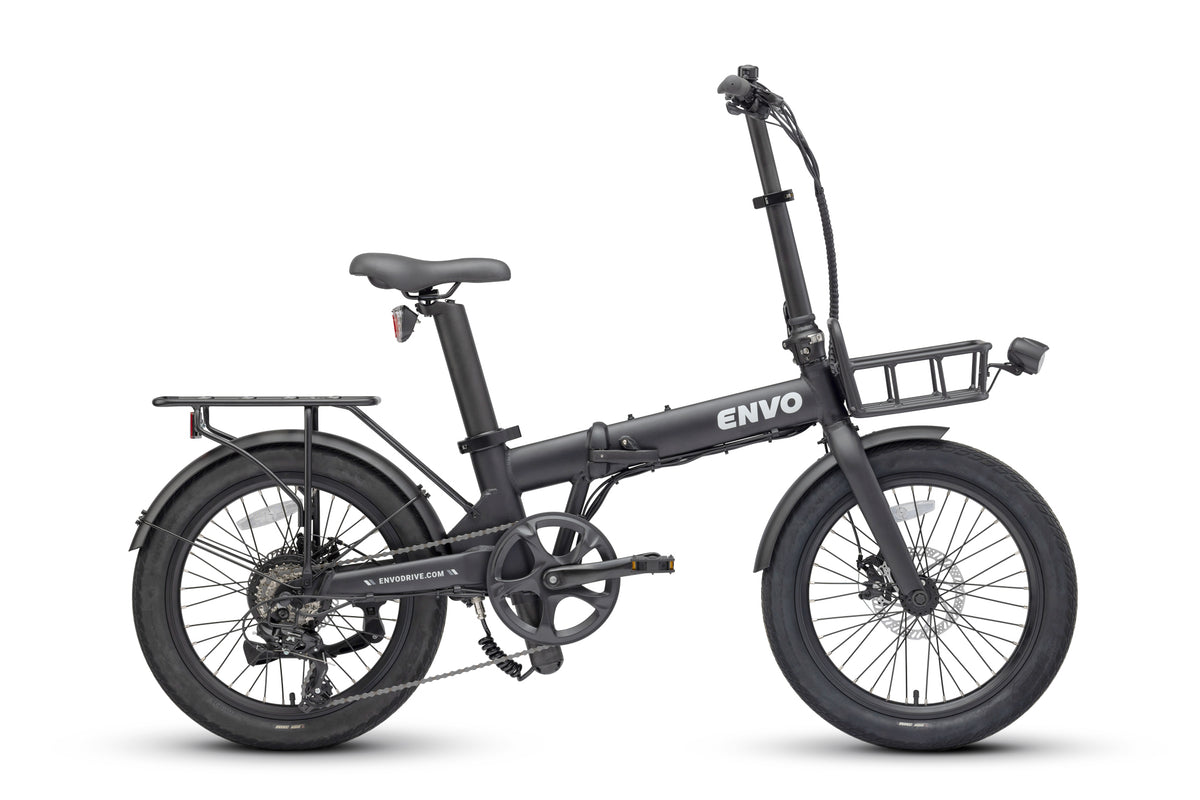
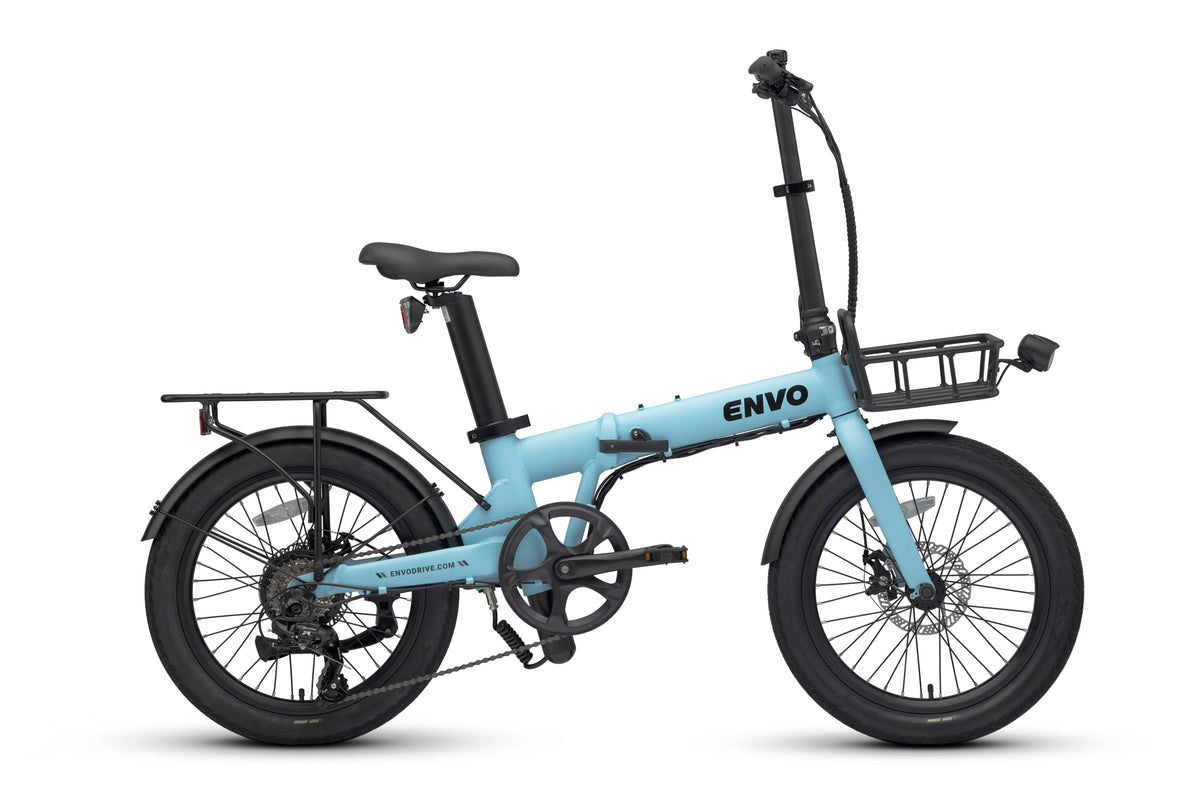
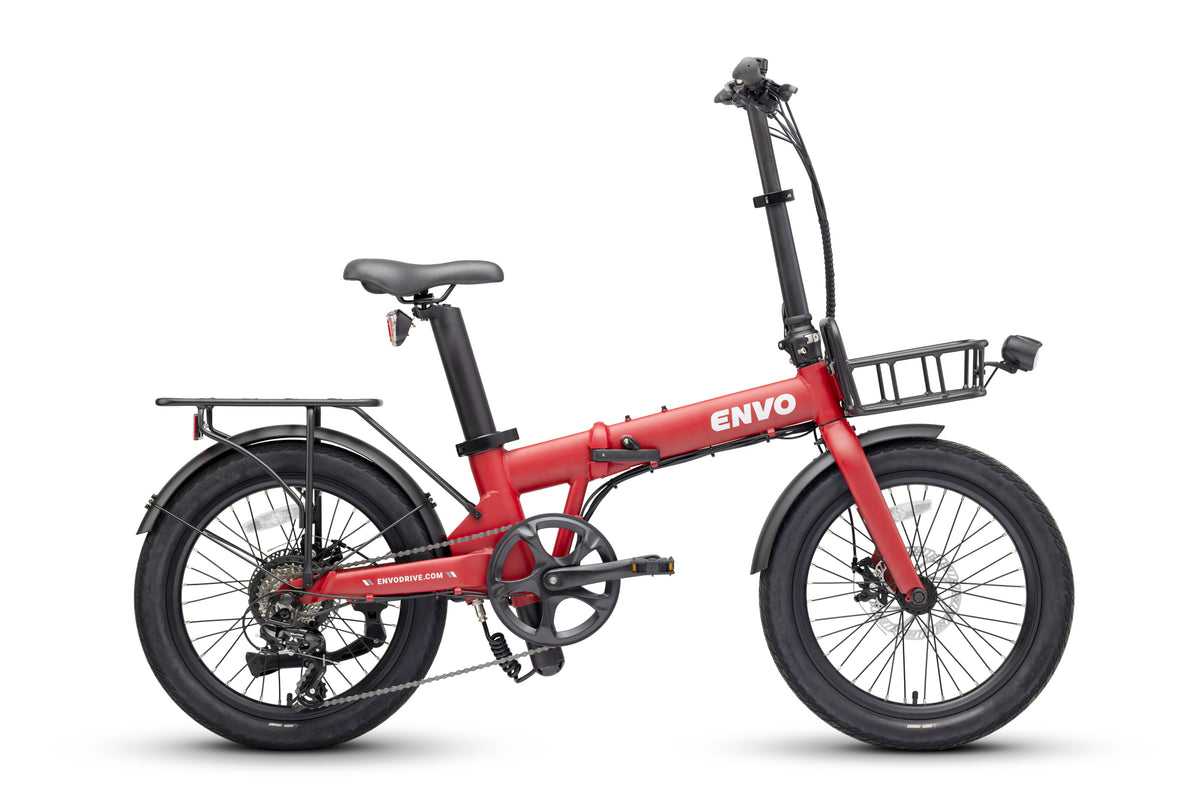
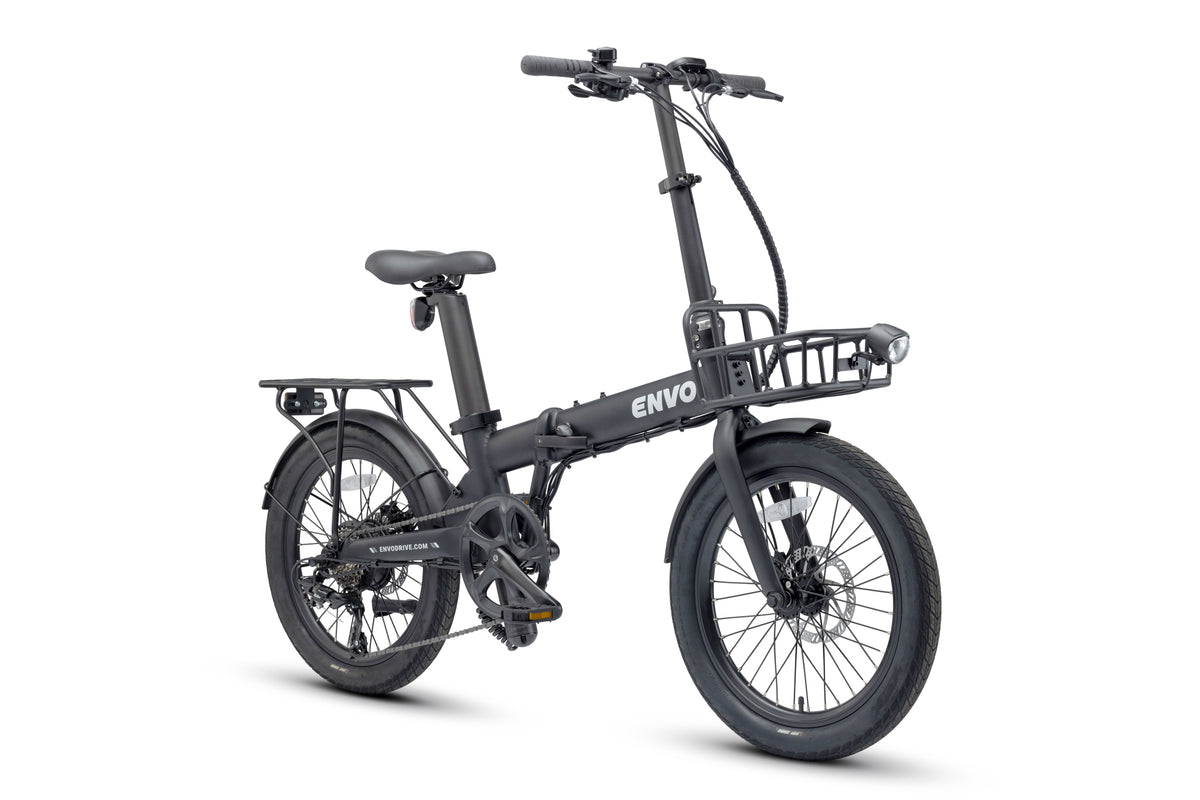
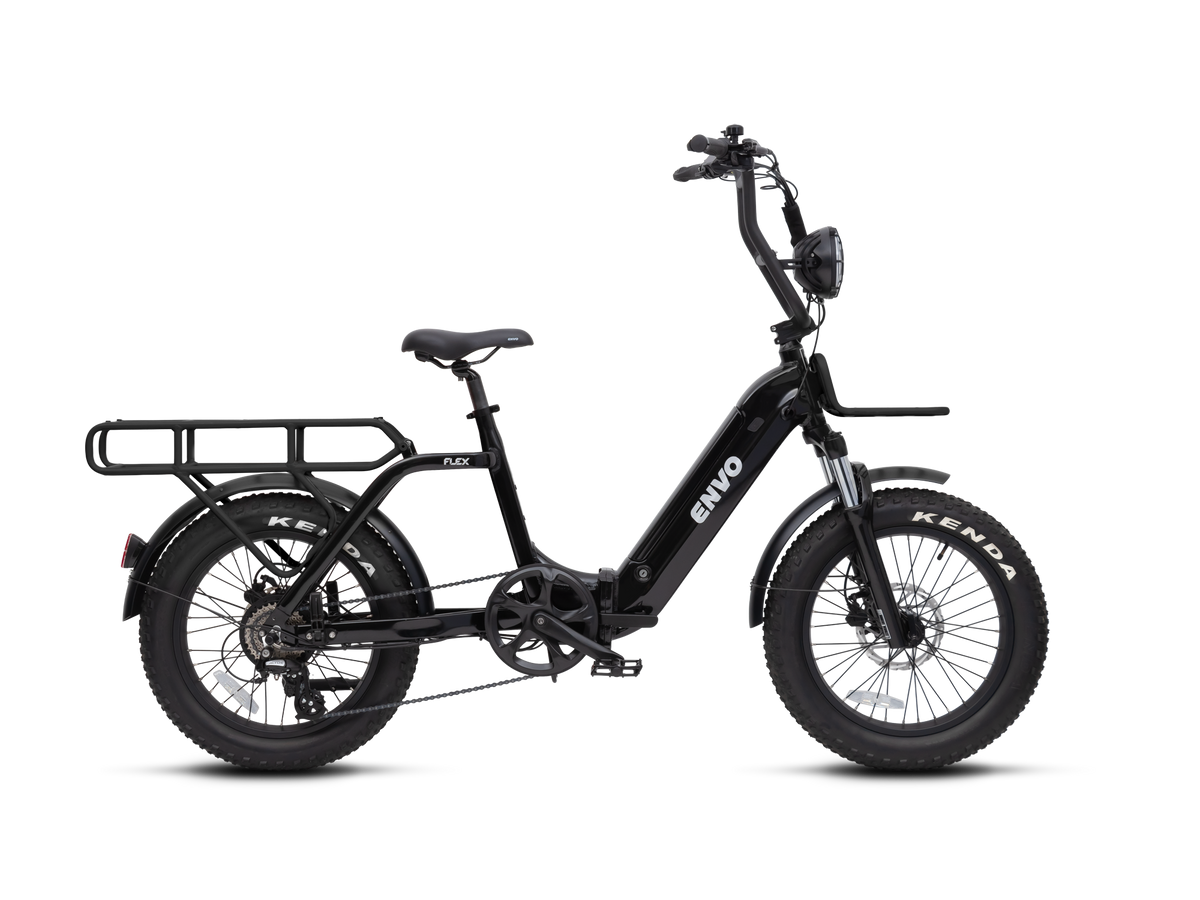
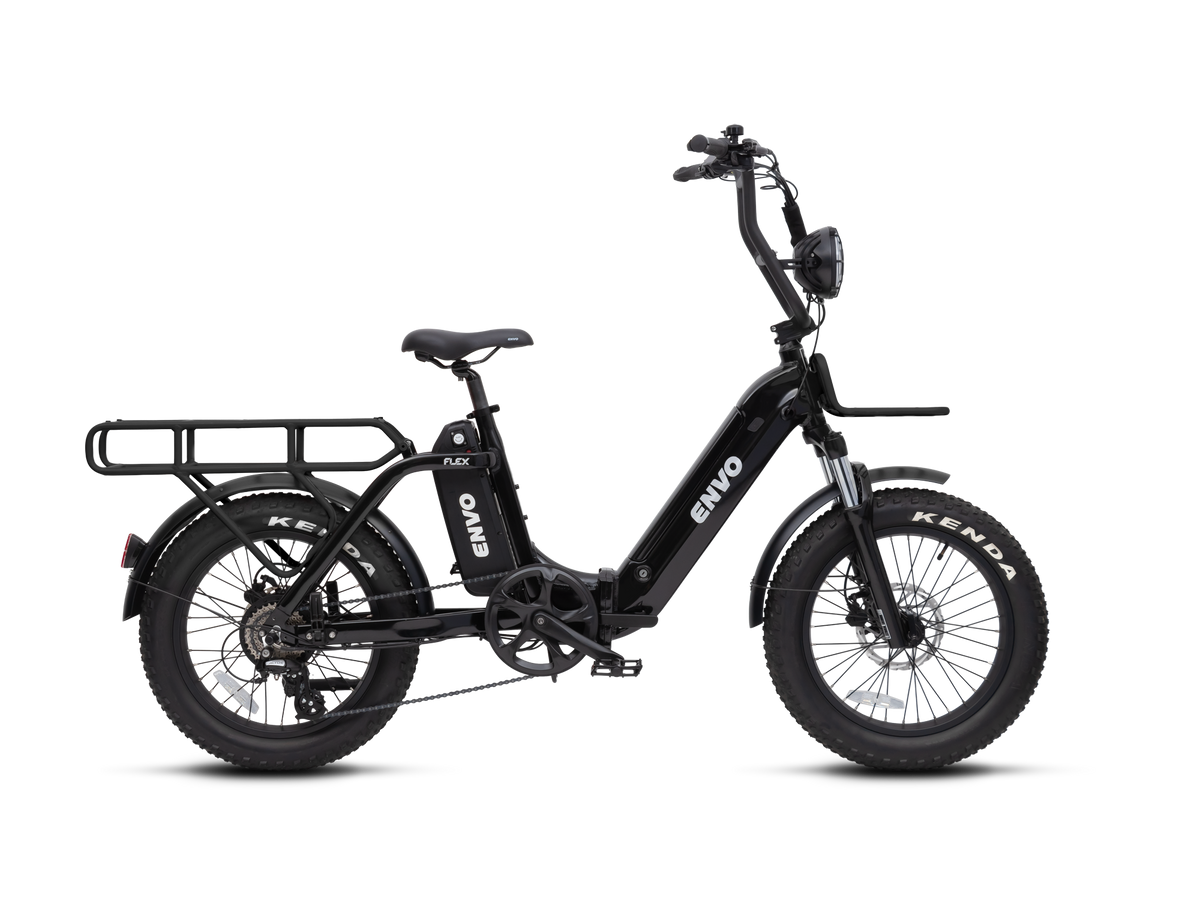
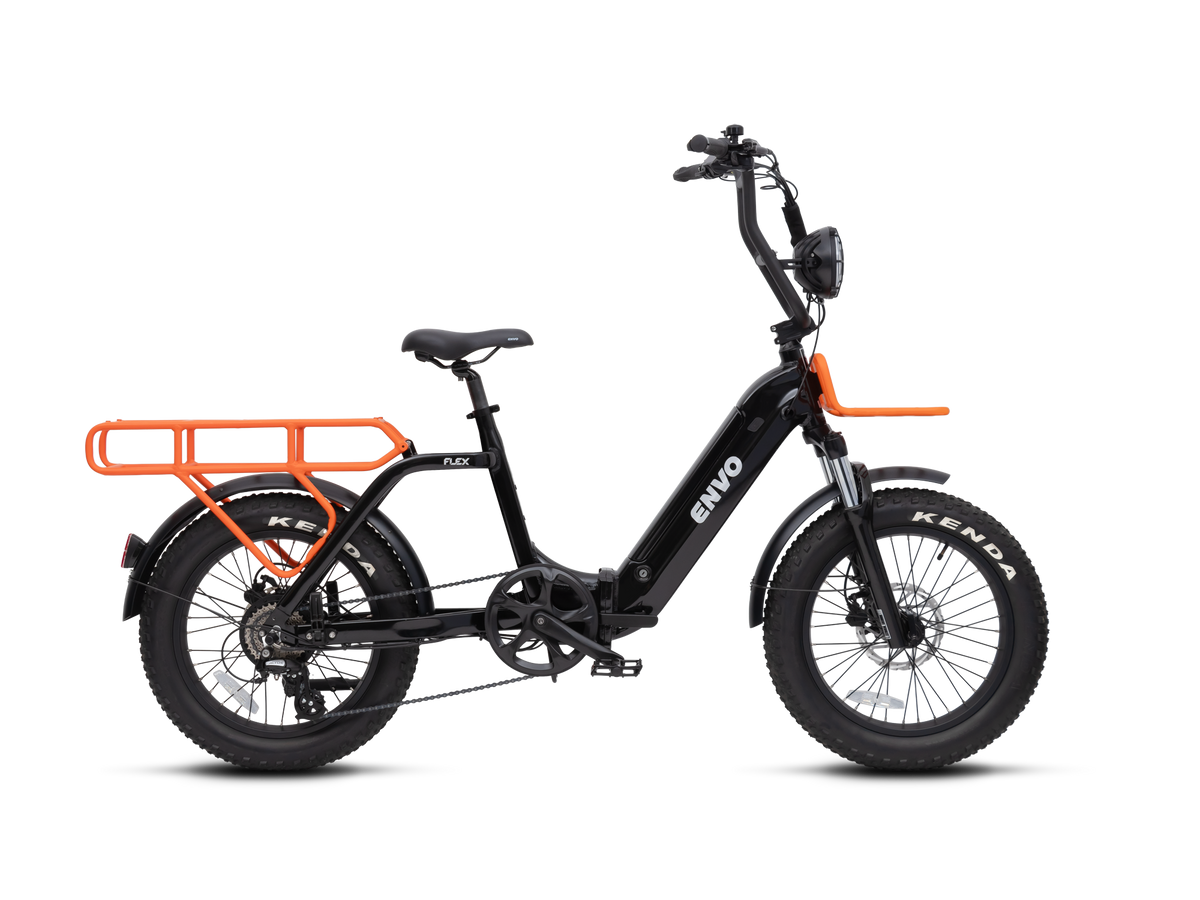
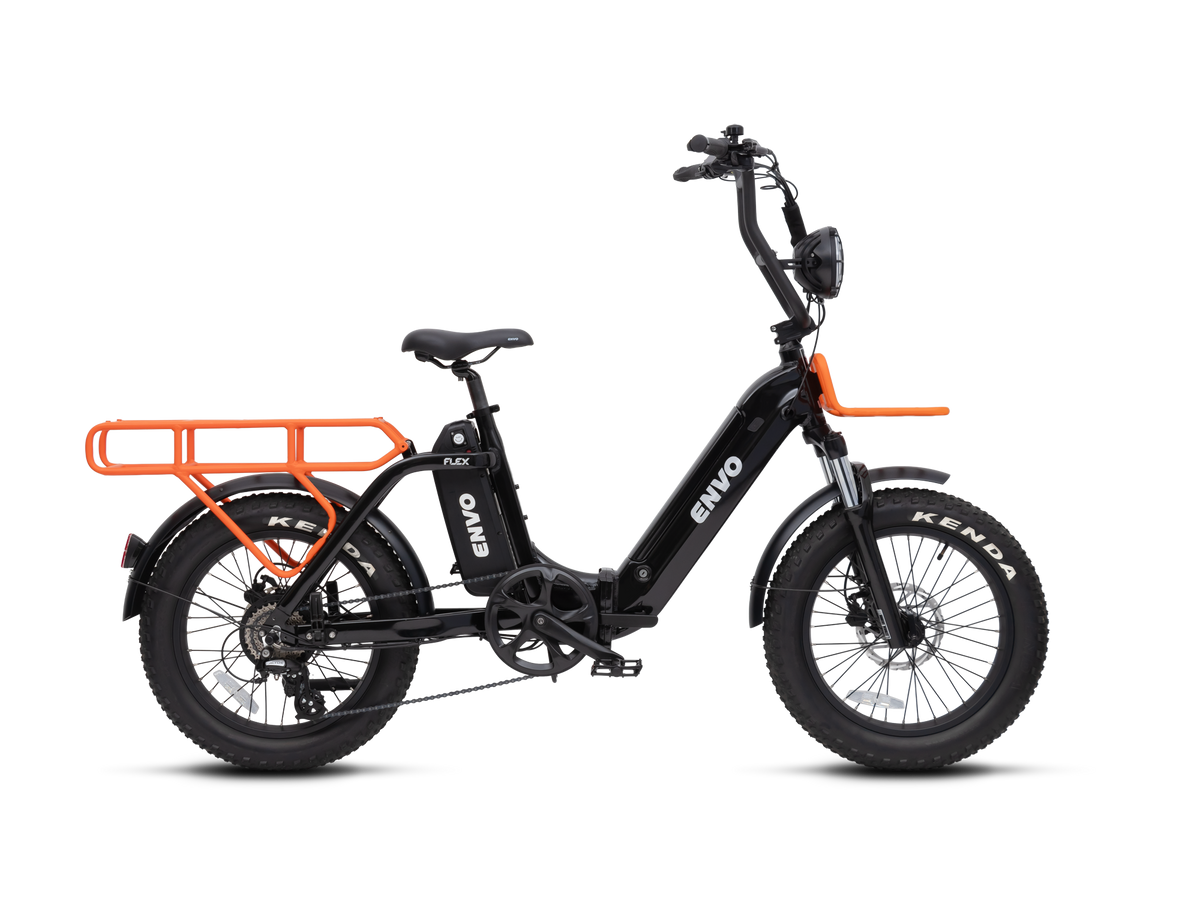
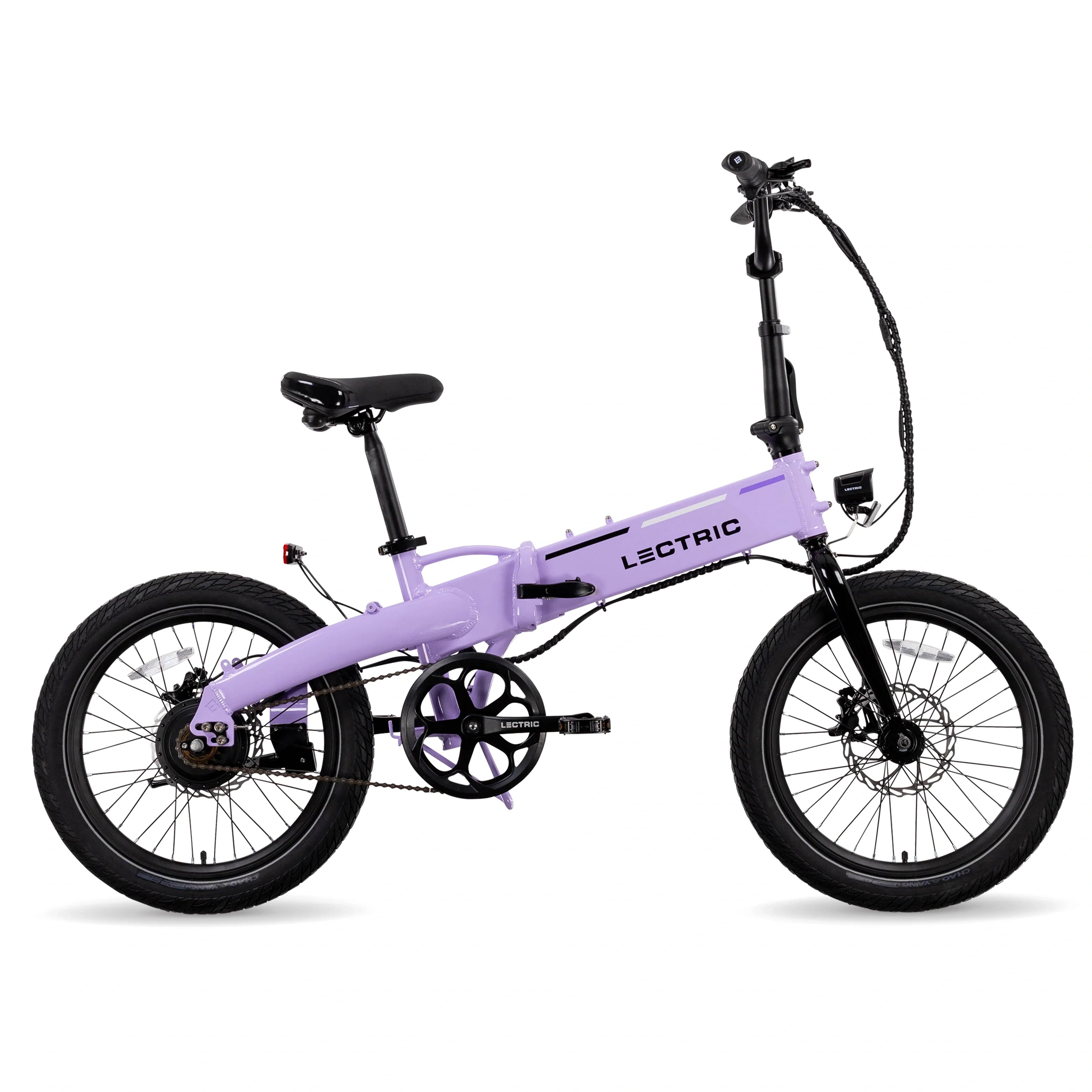
The ENVO Lynx 16 packs a 500W motor with 80 Nm of torque and a torque sensor into a 16-inch-wheel package — numbers that rival full-size e-bikes costing twice as much. The Lectric XP Lite 2 takes a lighter-is-better approach with a 300W motor, 28 Nm of torque, and an 819W peak output, paired with 20-inch wheels and a larger battery. One prioritizes power density and ride quality; the other prioritizes range and wheel size.
For Canadian buyers, the support story tips the balance further. The Lynx 16 ships from Burnaby, BC, with Canadian warranty coverage and a national dealer network. The XP Lite 2 ships from Phoenix, Arizona, with all service and parts flowing through US-based direct-to-consumer channels.
Canadian Advantage: The ENVO Lynx 16 is designed and assembled in Burnaby, BC. Parts ship from Canadian inventory — no customs duties, no currency conversion, no cross-border delays. Lectric operates exclusively from Phoenix, AZ, meaning all warranty and parts service for Canadian owners involves international logistics.
Full Spec Comparison Table
| Specification | ENVO Lynx 16 | Lectric XP Lite 2 LR |
|---|---|---|
| Price (CAD) | ~$1,299 CAD | ~$1,399 CAD (converted) |
| Motor Power | 500W rear hub, 80 Nm | 300W rear hub, 28 Nm, 819W peak |
| Battery | 36V 12.8Ah, ~461 Wh, LG cells | 48V 14Ah, 672 Wh |
| Sensor Type | Torque sensor | Not confirmed (likely cadence PAS) |
| Brakes | 160mm disc | Hydraulic 180mm disc |
| Tires | 16-inch | 20-inch |
| Gears | 7-speed Shimano | Single-speed (limited gearing) |
| Frame | Folding aluminum | Folding aluminum |
| Weight | 22.5 kg / 49.6 lb | 22.2 kg / 49 lb |
| Range (claimed) | Up to 100 km | Up to 129 km (80 mi) |
| UL 2849 | Yes (Lynx family) | Yes |
| Brand Origin | Canada — Burnaby, BC | USA — Phoenix, AZ (made in China) |
| Warranty | Canadian warranty | 1 year, AZ arbitration |
Motor & Performance
This is where the ENVO Lynx 16 separates itself from the competition most dramatically. The Lynx 16 runs a 500W rear hub motor producing 80 Nm of torque — nearly triple the Lectric XP Lite 2's 300W motor with just 28 Nm. That is not a marginal difference. It is a generational gap in climbing ability, acceleration from stops, and sustained performance under load.
For Canadian riders, torque matters more than wattage. Canada is not flat. Even "flat" cities like Ottawa, Calgary, and Vancouver have bridge inclines, overpasses, and headwinds that demand sustained torque from a motor. At 28 Nm, the XP Lite 2 will manage gentle grades and calm conditions competently. But loaded with groceries, facing a stiff spring headwind, or climbing the kind of moderate hill that appears in virtually every Canadian commute, the Lynx 16's 80 Nm advantage becomes the difference between maintaining speed effortlessly and grinding to a crawl.
The Lynx 16 also uses a torque sensor — the same proportional-response technology found in premium Bosch and Shimano Steps systems. The motor reads how hard you are pushing the pedals and responds proportionally. Push gently, get gentle assist. Push hard up a hill, get full power. The XP Lite 2's sensor type is not confirmed, but at this price and motor specification, it likely uses a cadence-based pedal assist system (PAS). Cadence sensors detect only whether you are pedalling, not how hard — resulting in an on/off power delivery that feels less natural and wastes energy on flat terrain where full assist is unnecessary.
ENVO Lynx 16 — Motor
500W rear hub · 80 Nm torque · Torque sensor for natural, proportional power · Nearly 3x the torque of the XP Lite 2
Lectric XP Lite 2 — Motor
300W rear hub · 28 Nm torque · 819W peak · Lighter motor spec designed for flat-terrain efficiency
Battery & Range
The Lectric XP Lite 2 carries a larger battery: 48V 14Ah (672 Wh) compared to the Lynx 16's 36V 12.8Ah (~461 Wh). That is a 45% capacity advantage, and Lectric's claimed range of up to 129 km (80 miles) reflects it. ENVO rates the Lynx 16 at up to 100 km per charge. On paper, the XP Lite 2 wins this category.
But context matters. The XP Lite 2's 300W motor draws less current under normal operation than the Lynx 16's 500W motor, which helps extend its range advantage. However, on hills or in headwinds where the 300W motor is working near its limits for extended periods, efficiency drops and real-world range narrows. The Lynx 16's torque sensor also helps close the range gap: torque sensors are inherently more efficient than cadence sensors because they only deliver the assist power you actually need, rather than running at fixed output whenever pedalling is detected. A torque-sensor bike with 461 Wh can outperform a cadence-sensor bike with 672 Wh in scenarios where varied terrain and stop-start urban riding dominate the route.
The Lynx 16 specifies LG cells — proven-quality cells with established cold-weather performance characteristics. For Canadian riders who commute year-round, including through sub-zero winter months, cell quality directly affects how much of the battery's rated capacity is available when temperatures drop. The XP Lite 2 does not publicly specify its cell manufacturer.
Range Reality: The XP Lite 2 has a 45% larger battery and will go further on flat, calm routes. But the Lynx 16's torque sensor and LG cells deliver smarter power management and better cold-weather reliability — narrowing the real-world gap for Canadian commuters who face hills, wind, and winter conditions.
Components & Build
At similar price points and nearly identical weights, these two bikes make surprisingly different trade-offs in their component selection. The Lynx 16 invests in motor quality and drivetrain versatility. The XP Lite 2 invests in wheel size and braking hardware. Neither bike sweeps every category.
Brakes
The XP Lite 2 runs hydraulic 180mm disc brakes — a genuine premium component at this price. The Lynx 16 uses 160mm disc brakes. Hydraulic brakes with larger rotors provide stronger, more consistent stopping power with less hand fatigue. The XP Lite 2 wins on braking specification.
Wheel Size
The XP Lite 2's 20-inch wheels roll over bumps and cracks more smoothly than the Lynx 16's 16-inch wheels. Larger wheels maintain momentum better, track straighter at speed, and provide a more comfortable ride on rough pavement. The Lynx 16's smaller wheels fold more compactly but sacrifice ride comfort on imperfect surfaces.
Gears
The Lynx 16 offers a 7-speed Shimano drivetrain — real gear range for hills, headwinds, and varied terrain. The XP Lite 2 appears to run a single-speed or very limited gearing setup. Without gears, all load management falls to the motor and the rider's legs. On any route with elevation changes, the Lynx 16's gearing is a substantial practical advantage.
Weight
These bikes are remarkably close in weight: the XP Lite 2 at 22.2 kg (49 lb) versus the Lynx 16 at 22.5 kg (49.6 lb). The difference is 300 grams — less than a water bottle. Both are genuinely portable folding e-bikes, and weight is effectively a tie between them.
Sensor
The Lynx 16's torque sensor is a standout component at this price. Torque sensors typically appear on e-bikes costing $2,000+ and are almost unheard of in the sub-$1,500 compact category. This single component elevates the Lynx 16's ride quality above virtually every competitor in its class, delivering the natural pedal feel that makes an e-bike feel like a real bicycle rather than a motorized appliance.
Fold Size
The Lynx 16's smaller 16-inch wheels produce a more compact fold than the XP Lite 2's 20-inch wheels. For riders storing a bike under a desk, in a boat cabin, or in a tiny apartment closet, the Lynx 16 occupies meaningfully less space when folded. Both fold, but the Lynx 16 folds smaller.
Safety & Certifications
Both the ENVO Lynx 16 and the Lectric XP Lite 2 carry UL 2849 certification — the comprehensive electrical safety standard that validates the battery, motor, charger, controller, and wiring as an integrated system. This is the standard that Canadian condo boards, property managers, and insurers increasingly require for indoor e-bike charging and storage. Both bikes clear this critical bar.
UL 2849 certification is particularly important for compact folding e-bikes, because these bikes are more likely than any other category to be stored indoors — in apartments, offices, dorm rooms, and boat cabins. An uncertified battery charging inside a building represents a genuine fire risk. Both the Lynx 16 and the XP Lite 2 have been independently validated to eliminate that risk, which is a meaningful safety baseline that should not be taken for granted.
For riders in buildings that specify UL Listed (as distinct from other certification sub-types), it is worth confirming the exact certification designation with each manufacturer. The ENVO Lynx family carries UL 2849 certification; the XP Lite 2 is also UL 2849 certified. Both provide the indoor-charging safety assurance that Canadian riders need.
Safety Parity: Both bikes carry UL 2849 certification — the gold standard for e-bike electrical safety. Both are safe for indoor charging in buildings that require the standard. This is a genuine area of parity and a meaningful bar that places both bikes above the many uncertified budget e-bikes on the market.
Warranty & Service
For compact folding e-bikes — products that live indoors, travel on transit, and get carried through daily life more than any other bike category — the warranty and service experience is not abstract. These bikes need occasional maintenance, eventual battery replacement, and the confidence that replacement parts will be available years from now. The support infrastructure behind each bike is meaningfully different for Canadian owners.
ENVO Lynx 16 — Canadian Warranty & Support
ENVO operates from Burnaby, BC, with a dedicated online parts store covering the entire Lynx component catalogue. Batteries, controllers, displays, brake parts, and drivetrain components ship from Canadian inventory with no customs duties, no currency conversion, and typical Canadian shipping timelines. The Lynx 16 uses a Shimano 7-speed drivetrain, meaning any local Canadian bike shop — from Vancouver to Halifax — can service the non-electric components with off-the-shelf parts available at any cycle retailer.
ENVO's national dealer network spans every major Canadian city, offering test rides before purchase and in-person support after. For a compact folding e-bike that will serve as a daily commuter for years, the ability to walk into a local shop for service is a practical advantage that scales with time.
Lectric XP Lite 2 — US-Based Support
Lectric is a direct-to-consumer brand headquartered in Phoenix, Arizona. In the US, Lectric has earned a positive reputation for customer support responsiveness. For Canadian buyers, the experience is different: warranty claims, parts orders, and service inquiries all involve cross-border shipping, potential customs duties, and USD-to-CAD currency conversion. The XP Lite 2 carries a 1-year warranty with Arizona arbitration — warranty disputes are resolved under Arizona law, not Canadian consumer protection rules. There are no Canadian Lectric dealers for test rides or hands-on support.
ENVO Lynx 16 — Parts & Support
- Canadian-stocked parts store (envodrive.com)
- National dealer network — every major Canadian city
- Test rides available coast to coast before purchase
- Shimano 7-speed drivetrain — any local bike shop can service
- No border delays or customs duties on parts orders
- Canadian warranty and consumer protection
- English + French documentation for Quebec riders
Lectric XP Lite 2 — Parts & Support
- 1-year warranty with AZ arbitration
- US-based support team with strong US reputation
- UL 2849 certified
- No Canadian dealer network — DTC only
- All warranty service cross-border from Phoenix, AZ
- USD currency conversion on all parts purchases
- No in-person test rides available in Canada
- Single-speed — limited local bike shop serviceability
Value for Money
At ~$1,299 CAD, the ENVO Lynx 16 is the less expensive bike in this comparison by approximately $100 — before accounting for the additional costs Canadian buyers face when purchasing the XP Lite 2 from the US (shipping, potential duties, and USD conversion fluctuations). The Lynx 16 costs less upfront and eliminates cross-border friction on every future parts order or warranty claim.
But the real value story is in what each dollar buys. The Lynx 16 delivers a 500W motor with 80 Nm of torque — nearly three times the XP Lite 2's torque output — plus a torque sensor and a 7-speed Shimano drivetrain. The XP Lite 2 counters with a larger battery (672 Wh vs 461 Wh), bigger 20-inch wheels, and hydraulic 180mm brakes — genuine hardware strengths, but ones that sit on top of a US-priced bike exposed to exchange-rate swings, import duties, and cross-border parts logistics. Dollar for dollar, the Lynx 16 puts your money into the components that define daily ride quality while keeping every future cost in Canadian dollars.
For a compact folding e-bike used as a daily urban commuter in Canada, the Lynx 16's combination of motor power, torque sensor, geared drivetrain, and Canadian support infrastructure represents a more complete package. The XP Lite 2's larger battery and wheel size are real advantages for riders on long, flat routes — but its 300W/28 Nm motor and apparent lack of gears limit its versatility on the varied terrain that defines most Canadian cities. Over a 3-to-5-year ownership period, the Lynx 16's domestic support, Shimano-standard serviceability, and LG-cell battery quality compound into a cost-of-ownership advantage that widens with time.
Value Verdict: The Lynx 16 costs less, delivers nearly 3x the motor torque, includes a torque sensor and 7-speed gearing, and comes with complete Canadian support — all for $100 less than the XP Lite 2's converted price. The XP Lite 2 wins on battery capacity and wheel size. For most Canadian urban commuters, the Lynx 16 is the stronger total-value proposition.
Category Scores (Out of 10)
Who Should Buy Which
Both bikes serve urban commuters who need compact, portable electric transportation. The right choice depends on your specific riding conditions, priorities, and relationship with cross-border purchasing.
Buy This If...
- You want real motor power (500W / 80 Nm) for hills and headwinds
- A torque sensor for natural, bicycle-like pedal feel is important
- You need 7-speed gearing for varied terrain and efficient riding
- The most compact possible fold matters — 16" wheels fold smaller
- Canadian warranty and local dealer support are priorities
- You want LG cells for reliable cold-weather Canadian commuting
- You prefer paying in CAD with zero cross-border friction
- You want to test ride before buying at a Canadian dealer
Buy This If...
- Maximum battery range (672 Wh / 129 km claimed) is your top need
- 20-inch wheels for smoother rolling and better ride comfort matter
- Hydraulic 180mm brakes are a non-negotiable for you
- You ride primarily flat, paved routes with minimal hills
- You are comfortable with US-based DTC support from Phoenix, AZ
- Cross-border shipping and USD pricing are acceptable trade-offs
- A 300W / 28 Nm motor is sufficient for your riding conditions
- Single-speed gearing works for your terrain
Build Quality & Design: The Cost of Low Prices
When a company sells hundreds of thousands of e-bikes at prices significantly below the industry average, the savings have to come from somewhere. Across Reddit, BBB, and owner forums, Lectric buyers consistently report issues that point to aggressive cost-cutting in materials and manufacturing.
- Controller failures: Multiple owners report error codes E010 and E007, sudden loss of power, and bikes that work for "4–5 minutes then quit pulling." Some owners received replacement controllers that were also defective. One Reddit user noted: "It affects my confidence in the product to have a major part fail after only a few months."
- Brake quality: Beyond the 45,000-unit CPSC recall for defective brake calipers, owners report persistent squealing, rubbing, and warped rotors. One XPedition owner described brakes so loud that "people from 1–2 blocks around turn to look every time we brake." Users attribute the noise to cheap metal pads and low-grade rotors.
- Motor noise: Owners report harsh buzzing and grinding under load — one described it as sounding like "dragging a shovel." While some noise may be fender contact, the pattern of complaints suggests inconsistent motor assembly quality.
- Paint and finish: Reports of paint chipping within weeks of purchase, particularly where the battery contacts the frame tube. As one commenter noted, this is what happens with "budget range" bikes.
The weld quality on Lectric frames has also drawn scrutiny. Reddit posts with photos of visibly rough, inconsistent welds have generated debate among owners — some defend them as adequate, others call them "shoddy." While cosmetic welds don't necessarily indicate structural failure, they do reveal the level of manufacturing attention that goes into each frame.
Lectric's frames and components share DNA with generic Chinese OEM catalog designs — a common approach for brands competing on price. Forums like r/ebikes frequently note that Lectric frames appear identical to unbranded Chinese factory bikes available on Alibaba for a fraction of the retail price. When you buy a Lectric, you're paying for the brand, marketing, and US-based customer support layer on top of a mass-produced Chinese product.
ENVO e-bikes are designed and assembled in Burnaby, BC with rigorous quality control. Each frame is inspected before assembly, welds are clean and consistent, and the paint finish is industrial-grade powder coat. ENVO uses name-brand components (Shimano drivetrains, hydraulic disc brakes) and UL 2849-certified battery systems with disclosed LG/Samsung cells. The difference is visible the moment you compare the two bikes side by side.
Final Verdict
The ENVO Lynx 16 scores 7.6 overall versus the Lectric XP Lite 2's 6.8 — and the margin reflects a bike that out-engineers its competitor in the categories that matter most for Canadian urban commuters. The Lynx 16 delivers nearly three times the motor torque, includes a torque sensor that transforms the ride experience, offers 7-speed gearing for real-world terrain versatility, folds more compactly on its 16-inch wheels, and costs $100 less — all while being backed by a Canadian company with domestic parts, dealers, and warranty coverage.
The XP Lite 2 is not a bad bike. Its larger battery, bigger wheels, and hydraulic brakes are genuine advantages for riders on long, flat routes who prioritize range and ride comfort over motor power and climbing ability. But for the majority of Canadian riders — people who face hills, headwinds, winter cold, and the practical need for local service — the Lynx 16 is the more capable, more versatile, and more cost-effective choice. The torque sensor alone, at this price, is worth the purchase. Browse the ENVO Lynx 16 at EbikeBC or explore our full folding e-bike collection.
Buy the ENVO Lynx 16 at EbikeBC
Test ride the ENVO Lynx 16 in person at a Canadian dealer, or explore our full range of UL 2849-certified compact folding e-bikes with free shipping across Canada.
Shop the ENVO Lynx 16 All Folding E-Bikes