



Lectric eBikes Recall History: The XP 3.0 Brake Caliper Issue
A factual look at Lectric's CPSC brake caliper recall, what it means for current models, and why Canadian buyers should understand a brand's safety history before purchasing.
Table of Contents
Why Recall History Matters
Safety recalls are a normal part of consumer product manufacturing. Cars get recalled. Electronics get recalled. And yes, e-bikes get recalled. A recall on its own does not make a brand bad — it can actually indicate that a company is doing the right thing by working with regulators to address a known defect rather than ignoring it.
But for e-bike buyers spending anywhere from $1,000 to $3,000 or more on a vehicle they will ride in traffic, alongside pedestrians, and down hills at speed, understanding a brand's recall history is important due diligence. Brakes, in particular, are not a component where "good enough" is acceptable. They are the single most safety-critical system on any bicycle.
Lectric eBikes, the Arizona-based direct-to-consumer brand known for affordable folding e-bikes, has one major documented recall in its history. This article examines that recall factually — what happened, what was affected, and what it means for buyers considering Lectric products today, particularly those shopping from Canada.
The CPSC Recall: What Happened
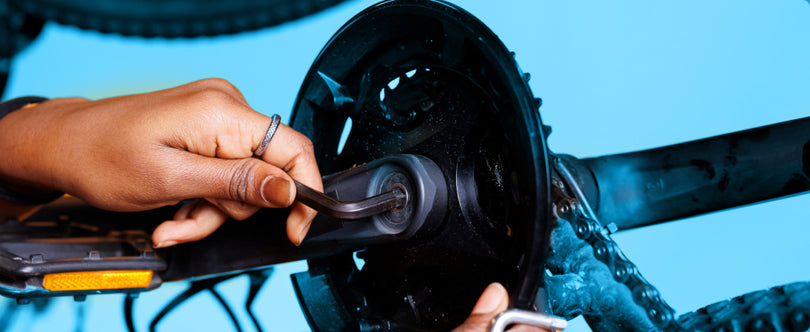
On September 7, 2023, the U.S. Consumer Product Safety Commission (CPSC) published Recall No. 23-789, covering approximately 45,000 Lectric XP 3.0 and XP Step-Thru 3.0 electric bicycles. The issue: the mechanical disc brake calipers on these bikes could fail, reducing or eliminating the rider's ability to stop.
This was not a theoretical concern. At the time of the recall, Lectric and the CPSC had received four reports of brake caliper incidents, resulting in two injuries — including cuts, scrapes, and a broken bone. For a braking component, even a single failure report is significant, because the consequences of brake failure on a 63-pound e-bike traveling at 28 mph can be severe.
CPSC Recall No. 23-789 — Key Facts
- Date issued: September 7, 2023
- Products affected: Lectric XP 3.0 and XP Step-Thru 3.0 e-bikes
- Units recalled: Approximately 45,000
- Hazard: Mechanical disc brake calipers can fail, posing crash and injury risks
- Incidents: 4 reports, 2 injuries (cuts, scrapes, broken bone)
- Sold: November 2022 through May 2023
- Manufactured in: China
- Remedy: Free repair kit; up to $100 reimbursement toward professional installation
The affected bikes were sold online through Lectric's website during a seven-month window. The remedy offered was a free repair kit that consumers could install themselves, with Lectric also offering up to $100 toward having the repair done by a professional bike shop. This is a standard recall remedy structure — the company provides the fix, and compensates for reasonable installation costs.
It is worth noting that the recall went through proper CPSC channels. This is the correct process: manufacturer identifies a defect, works with the federal safety agency, and issues a formal recall with a documented remedy. Not all e-bike brands do this, and some defects in the industry go unaddressed entirely.
What This Means for Current Models
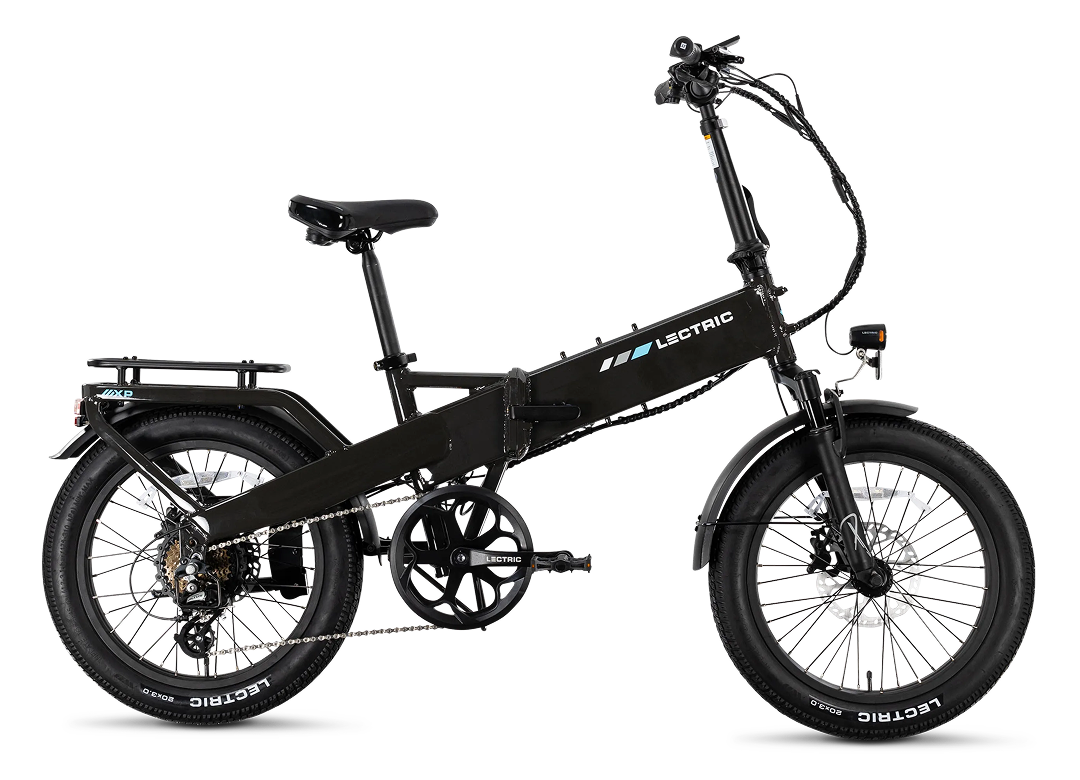
The XP 3.0 has been discontinued and replaced by the Lectric XP4, which Lectric advertises as featuring hydraulic disc brakes — a meaningful upgrade from the mechanical disc brake calipers that were the subject of the recall. Hydraulic brakes generally offer more consistent stopping power, better modulation, and require less maintenance than mechanical systems. The switch itself suggests Lectric recognized the braking system as a design area that needed improvement.
Lectric also claims UL 2849 certification for its current lineup. UL 2849 is a safety standard for e-bike electrical systems — covering the battery, charger, and motor controller. It is an important certification, but it is worth understanding what it does and does not cover. UL 2849 addresses electrical and fire safety. It does not certify the mechanical components of the bicycle, including the frame, fork, wheels, or brakes. A UL 2849-certified e-bike can still have a mechanical defect.
The real question for prospective buyers is not whether Lectric has a certification sticker, but what systemic quality control changes were made after the recall. Did the company change brake suppliers? Implement additional pre-shipment brake testing? Modify assembly line inspection procedures? These are the details that matter, and they are not typically disclosed in marketing materials. If you are considering a Lectric purchase, asking their support team about post-recall QC changes is a reasonable step.
How This Compares to the Industry
Context matters. A recall affecting approximately 45,000 units is significant — this is not a small batch issue. For comparison, Lectric has sold over a million e-bikes total, so the recall affected a meaningful but not overwhelming percentage of their output. Still, 45,000 bikes with potentially defective brakes on the road is a serious safety concern by any measure.
The nature of the defect also matters. Brake failure is categorically different from, say, a cosmetic issue or a software glitch. Brakes are the primary safety system on any bicycle. When they fail on an e-bike that weighs 60+ pounds and travels at Class 2 or Class 3 speeds, the consequences can include serious injury or death. The CPSC does not issue recalls for minor inconveniences.
Lectric is not alone in having recall history. Rad Power Bikes, once the largest e-bike brand in North America, faced multiple CPSC recalls before ultimately going through bankruptcy proceedings. VanMoof, the Dutch e-bike brand, collapsed entirely amid quality and financial issues. The e-bike industry, broadly, has a quality control problem driven by rapid growth, price pressure, and reliance on overseas manufacturing with variable quality standards.
To Lectric's credit, they handled the XP 3.0 recall through proper CPSC channels. They did not try to quietly fix the issue through customer service tickets or social media outreach. They filed a formal recall, offered a remedy, and the information became part of the public record. This is better than brands that ignore known defects or try to handle them informally to avoid negative press.
But proper recall handling is the baseline — it is what the law requires. It is not exceptional. It is the minimum expected behavior from a responsible manufacturer.
Why Canadian Buyers Should Care
The CPSC is a United States federal agency. Its recalls are legally binding on products sold within the United States. If you are a Canadian buyer who purchased a Lectric e-bike through their website and had it shipped to Canada, your relationship with the recall process is more complicated than it is for American buyers.
Canada has its own product safety agency — Health Canada — which issues its own recalls. CPSC recalls do not automatically apply in Canada, though Health Canada often issues parallel recalls for products also sold here. Canadian buyers of US-direct products may face longer timelines for receiving recall remedies, may have to pay for return shipping internationally, or may find that the recall repair kit is not readily available through Canadian channels.
Beyond recalls specifically, Canadian buyers of Lectric e-bikes should understand the broader implications of purchasing from a US-based brand with no Canadian entity. Lectric's terms of service route warranty disputes to binding arbitration in Phoenix, Arizona. If you have a warranty claim or a safety issue, you are dealing with a company in a different country, under a different legal system, with different consumer protection standards.
Jurisdiction Warning for Canadian Buyers: Lectric eBikes is a US company (Phoenix, AZ). CPSC recalls are US-jurisdiction. Canadian buyers may face delays in recall remedy access, international shipping costs for warranty claims, and binding arbitration under Arizona law for disputes. Health Canada may or may not issue parallel recall notices for US-recalled products sold to Canadian addresses.
This does not mean Canadian buyers should never purchase from US brands. Many excellent products come from American companies. But it does mean you should factor the jurisdictional reality into your purchase decision. A Canadian brand with Canadian warranty service, Canadian parts inventory, and accountability under Canadian consumer protection law offers a meaningfully different ownership experience — especially if something goes wrong.
What to Check Before Buying
Whether you are considering a Lectric e-bike or any other brand, there are practical steps you can take to assess safety and recall history before making a purchase. None of these take more than a few minutes, and they can save you from buying a product with known defects.
- Search the CPSC recall database. Visit cpsc.gov/Recalls and search for the brand and model you are considering. This is public information and takes seconds to check. For Canadian products, also search Health Canada's recall database.
- Verify the specific model was not recalled. Recalls apply to specific model numbers and production date ranges. The XP 3.0 was recalled — the XP4 was not. Make sure you know exactly which model you are buying and whether it falls within any recall window.
- Ask about post-recall design changes. Contact the manufacturer's support team and ask what design or quality control changes were implemented after any recall. Vague answers like "we take safety seriously" are not sufficient. Specific answers — new brake supplier, additional testing protocol, changed materials — are what you want to hear.
- Verify UL 2849 certification for your specific model. Manufacturers sometimes claim UL certification broadly when only specific models or configurations have been tested. Ask for the UL certificate number and verify it applies to the exact model and configuration you are purchasing.
- Inspect brakes upon delivery. When your e-bike arrives, test the brakes thoroughly before your first ride. Squeeze each brake lever firmly. The bike should stop smoothly and completely. Any grinding, squealing, or soft lever feel should be addressed before riding.
- Register your product. Register your e-bike with the manufacturer so you are notified directly if a recall is issued in the future. This is especially important for Canadian buyers who may not see US recall notices through normal media channels.
Quick Check: Before purchasing any e-bike, spend 60 seconds searching the CPSC database at cpsc.gov/Recalls. It is free, public, and could prevent you from buying a product with a known safety defect.
The Bottom Line
The Lectric XP 3.0 brake caliper recall is a documented safety event — not a rumor, not a forum complaint, not speculation. It is a matter of public record through the CPSC. Approximately 45,000 bikes were affected. Two people were injured. The defect involved brakes, which are the most safety-critical component on any bicycle.
Lectric handled the recall through proper channels, and they deserve credit for that. They filed with the CPSC, offered a free remedy, and provided financial assistance for professional installation. The recalled model has been replaced by the XP4, which uses hydraulic brakes — a substantive design improvement. These are positive steps.
But a single recall, properly handled, does not erase the underlying questions about quality control in high-volume, low-cost e-bike manufacturing. And for Canadian buyers specifically, the jurisdictional challenges of purchasing from a US-only brand add a layer of risk that domestic alternatives do not carry.
When evaluating Lectric or any e-bike brand, consider the full picture: recall history, warranty terms, return policy, service access, and where the company is actually located relative to where you live. Safety is not just about the product — it is about what happens when something goes wrong.
Want an E-Bike with a Clean Safety Record?
Browse Canadian-warranty e-bikes with no recall history and local service support.
Shop eBikeBC.comThis article is for informational purposes only and does not constitute legal, safety, or purchasing advice. Recall information is sourced from the U.S. Consumer Product Safety Commission (CPSC) public database. We are not affiliated with Lectric eBikes, the CPSC, or Health Canada. Product specifications, certifications, and recall details may change — always verify current information directly with the manufacturer and relevant safety agencies. Some outbound links may be affiliate links. E-bike regulations, warranty terms, and consumer protection laws vary by jurisdiction. Published April 2026.