

E-Bike Right to Repair: Proprietary Batteries, Lock-In, and What to Do About It
Proprietary batteries, locked-down systems, and $900 replacement bills — the right-to-repair fight is reshaping what it means to own an electric bike.
Browse the r/ebikes subreddit on any given day and you'll find a post that goes something like this: "My Bosch battery died at 18 months. Dealer quoted $850 for a replacement. Seriously considering selling the bike." The responses flood in — from riders who've faced the same wall, from DIYers who've tried to rebuild cells only to void their certifications, and from increasingly frustrated owners who feel like they bought a bike but somehow only leased the battery.
This isn't a niche gripe. It's one of the most emotionally charged conversations in the electric bike community right now, touching on consumer rights, environmental responsibility, and the fundamental question of what it means to own something you paid thousands of dollars for. And it's getting louder — because regulators on both sides of the Atlantic are starting to listen.
This article breaks down how we got here, what the data actually shows about battery costs and longevity, why the certification system creates a genuine catch-22 for consumers, and — critically — what buyers can do about it today, including brands like ENVO Drive Systems that are designed with ownership in mind.
The Numbers That Are Driving the Frustration
To understand why this topic generates so much heat online, you need to start with the price reality. Replacement batteries for premium proprietary e-bike systems are expensive — and the range is wide enough to cause serious sticker shock.
Generic / Open-Standard Battery
48V packs from open-standard brands. Compatible with most Bafang, hub-motor, and non-proprietary systems. Often UL-certified. Widely available.
OEM Proprietary Replacement
Bosch, Shimano EP8, Specialized SL, and similar systems. Locked to the brand ecosystem. Must be purchased through authorized dealers. Often discontinued within 5–7 years.
Multiple industry sources confirm this spread. According to a comprehensive 2025 market analysis, reliable, certified, brand-name batteries sit firmly in the $550–$1,200+ bracket — while floor-level uncertified packs hover around $300–$500. The Bosch and Shimano EP systems that power many premium e-bikes sit toward the top end of that range. And that's before labor and shipping.
What makes this particularly painful is the timeline. Lithium-ion batteries in e-bikes typically deliver 500–1,000 full charge cycles before noticeable capacity degradation — translating to roughly 2–5 years for an average commuter. For a daily rider, that's on the short end. And when the battery goes, riders of proprietary systems often discover their options are stark: pay the OEM price, find a third-party rebuild service of uncertain legality, or consider scrapping a bike whose frame, motor, and drivetrain still have years of life left.
The Certification Catch-22
Here's where the story gets genuinely complicated — and where the community debate gets most heated. When riders or independent shops try to rebuild or repair a proprietary battery pack by replacing worn cells, they run headfirst into a fundamental conflict between consumer rights and safety regulation.
Bosch's official position, published in their support documentation, is unambiguous: "The battery housing must not be opened. Opening the battery always means interfering with their certified condition and entails safety risks." They cite risks of fire from short circuits caused by improper reassembly — and these aren't unfounded concerns. Lithium battery fires are serious, and the safety testing behind certifications like UL 2849 and CSA C22.2 is rigorous for good reason.
But here's the catch-22 that community members on forums like r/ebikes and Pedelecs.co.uk keep articulating: the same certification process that makes a battery safe also makes it legally unrepairable. Opening the sealed pack — even with expert hands replacing only failed cells — technically voids the certification. The battery is no longer in its "certified condition." Legally, you're now operating an uncertified electrical device, with implications for insurance, liability, and in some jurisdictions, the legality of riding the bike at all.
Vallette's point cuts to the heart of the issue. The actual degraded components — the lithium cells themselves — are a small fraction of total battery cost. The expensive parts: the battery management system (BMS), the casing, the connectors, the proprietary communication protocols — those are all still functional. Riders are being asked to discard hundreds of dollars of working hardware because a relatively cheap consumable has worn out.
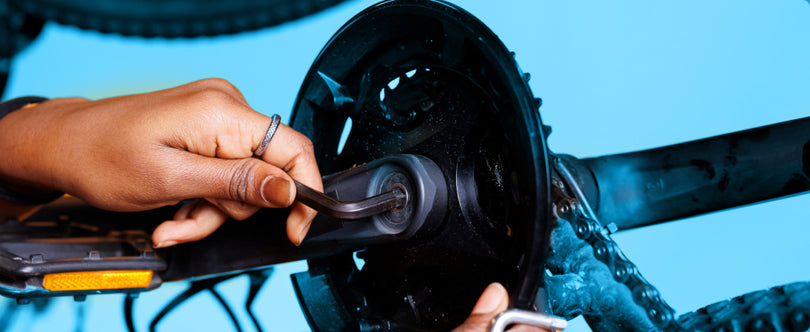
Most OEM e-bike batteries use spot-welded cell connections — an efficient manufacturing method that creates strong bonds but makes individual cell replacement extremely difficult without specialized equipment. The technique isn't just about performance; it also makes DIY repair effectively impossible for the average consumer, even when the repair itself is straightforward.
Contrast this with modular battery designs that use compression-fit or screwed connections: cells can be swapped in minutes with basic tools, individual cell failure doesn't doom the entire pack, and the overall lifetime cost of ownership drops substantially. The technology to do this safely and affordably already exists — it's a business model choice, not an engineering necessity.
The Proprietary Ecosystem Lock-In
The battery replacement problem is compounded by a broader ecosystem issue that becomes visible only after purchase. When you buy a bike powered by Bosch, Shimano EP, or Specialized's proprietary Turbo system, you're not just buying a bike — you're buying into a controlled ecosystem. Replacement parts, diagnostics, software updates, and service are all gated through authorized channels.
This matters practically because:
Dealer-Only Diagnostics
Error codes on Bosch systems (like the frequently-discussed Error 500/503) often require proprietary software to diagnose, unavailable to independent shops.
Parts Availability Windows
OEM batteries may only be available for 5–7 years post-model-launch. After that, riders are on their own — often with a frame and motor that could last 15+ years.
Software Lock-In
Some systems use software pairing to verify OEM batteries. Third-party compatible packs may trigger error codes or disable motor assistance entirely.
No Independent Service
Many proprietary motor issues require sending the unit back to the manufacturer. Local bike shops — even expert ones — are locked out of meaningful repair work.
As one widely-shared repair cost guide puts it: "When you buy an e-bike, you're also buying into its ecosystem. Bikes with proprietary systems often deliver fantastic performance, but be aware of the long-term cost. Replacement parts can be expensive and may only be available through authorized dealers."
This creates a two-tier e-bike market that isn't always obvious at point of purchase. A $3,500 Bosch-powered commuter and a $1,800 open-system commuter may have similar ride quality day-to-day — but their 5-year total cost of ownership can diverge dramatically once the first battery replacement enters the picture. For guidance on what to look for before you buy, our buying guide walks through the key questions to ask about long-term ownership costs.
What the Data Shows: A Real Cost Comparison
Let's put some concrete numbers to this over a realistic 5-year ownership period for a daily commuter averaging 20 miles per day:
| Cost Category | Proprietary System (Bosch/Shimano) | Open-Standard System (ENVO / Bafang) |
|---|---|---|
| Initial bike purchase | $3,000–$5,000 | $1,500–$2,800 |
| First battery replacement (yr 2–3) | $600–$950 | $350–$650 |
| Second battery replacement (yr 4–5) | $600–$950 | $350–$650 |
| Motor diagnostics / service | Dealer-only, $75–$150/visit | Any shop, $40–$100/visit |
| Compatible battery flexibility | Locked to OEM Only | Any Compatible Battery |
| Parts availability at 7 years | Often Discontinued | Widely Available |
| Estimated 5-yr total ownership | $5,000–$7,500+ | $2,500–$4,500 |
These figures align with real-world rider reports across Reddit communities and e-bike forums. The gap isn't just in purchase price — it compounds over time, battery by battery. And the premium-system buyer often discovers the true cost only at the point of first replacement, when they're already committed to the platform.
Regulation Is Catching Up — But Slowly
The good news for consumers is that this issue has attracted serious regulatory attention, particularly in the EU. The EU Battery Regulation 2023/1542, which became the primary EU legislation in August 2025, sets the stage for significant change — though not as quickly as consumer advocates would like.
The regulation's Article 11 — the provision that generated the most industry debate — requires that batteries for light means of transport (including e-bikes) be removable and replaceable. Crucially, it also prohibits software-based parts-pairing that blocks the use of compatible replacement batteries. The removability and replaceability requirements come fully into force in February 2027.
However, consumer advocates at Right to Repair Europe note that the regulation contains important compromises. The requirement is for replacement by "independent professionals" — not necessarily end users themselves. Single-cell replaceability, which would truly democratize battery repair, was significantly watered down after heavy industry lobbying, with Bosch CEO Claus Fleischer publicly welcoming the amendment. The fight for genuine end-user repairability is far from over.
North America has no equivalent legislation yet. Canada and the US currently have no federal right-to-repair framework specific to e-bikes, leaving buyers entirely dependent on manufacturer goodwill and market competition to protect their ownership rights.
There Are Better Options — And They Exist Right Now
Here's what gets lost in the frustration: the proprietary-lock model is a business choice, not a technical necessity. A number of brands — including Canadian manufacturer ENVO Drive Systems — have built their e-bikes specifically around open, serviceable, and economically repairable platforms. And critically, they've done it without sacrificing safety certification.
This is worth unpacking, because it directly addresses the supposed catch-22. ENVO's e-bikes are built around UL 2849-certified battery systems — the comprehensive North American standard that tests the battery, charger, and motor controller as an integrated system. But the design philosophy differs fundamentally from the Bosch/Shimano proprietary approach:
Open Battery Standards
ENVO bikes use industry-standard form factors and connectors, meaning replacement batteries are available from multiple sources — not just one OEM gatekeeping supplier.
Open Ecosystem — Not Locked In
ENVO's platform isn't locked to a single battery. You can use any compatible battery within ENVO's ecosystem — giving you real flexibility on sourcing, pricing, and availability without being held hostage to one supplier.
UL 2849 Certified
Full UL 2849 certification means ENVO bikes meet rigorous North American safety standards — disproving the idea that open repairability and proper safety certification are mutually exclusive.
Independent Serviceability
Any qualified bike shop can work on ENVO drivetrains. No dealer authorization required, no proprietary diagnostic tools, no being told your local shop "isn't certified" to touch it.
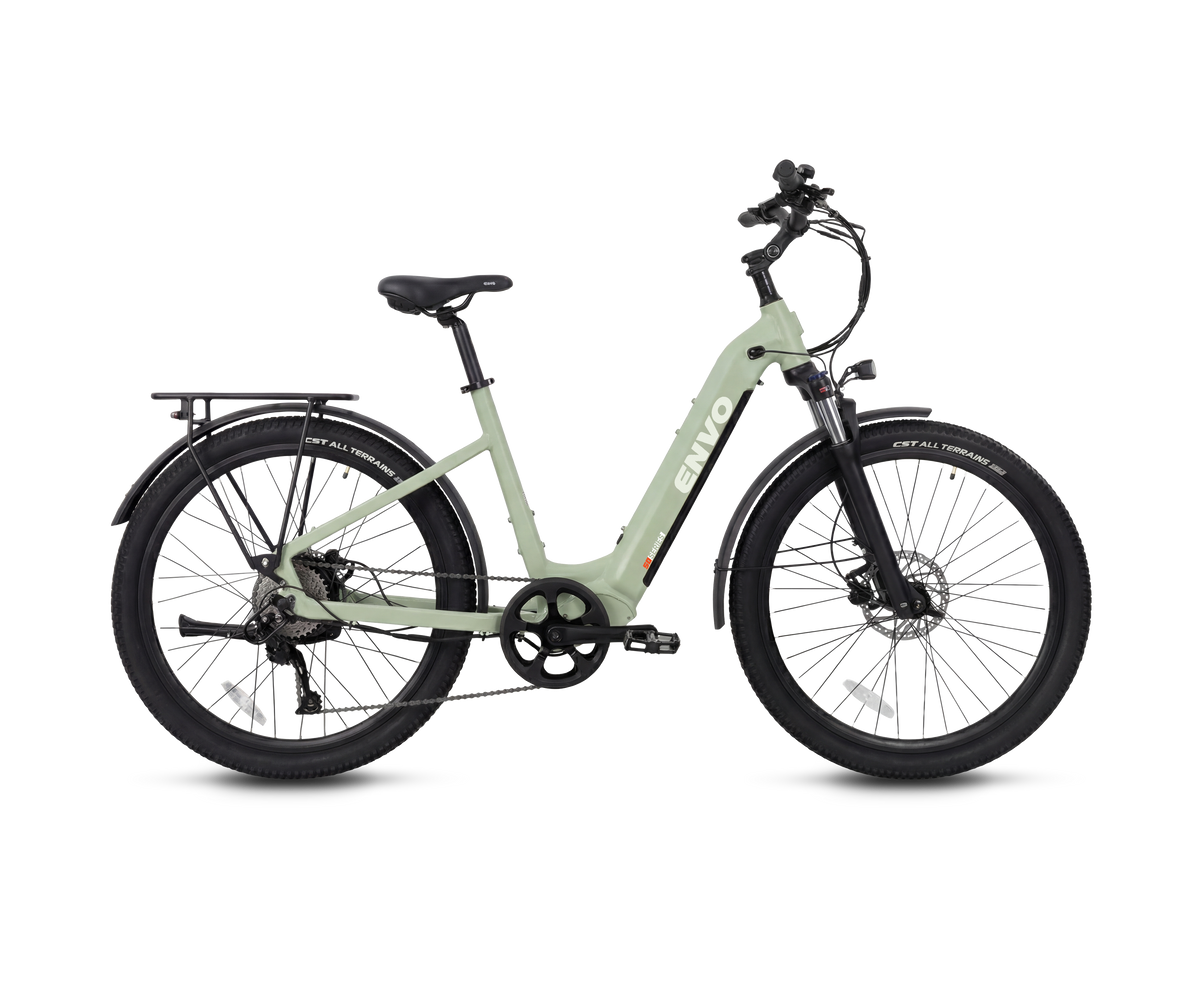
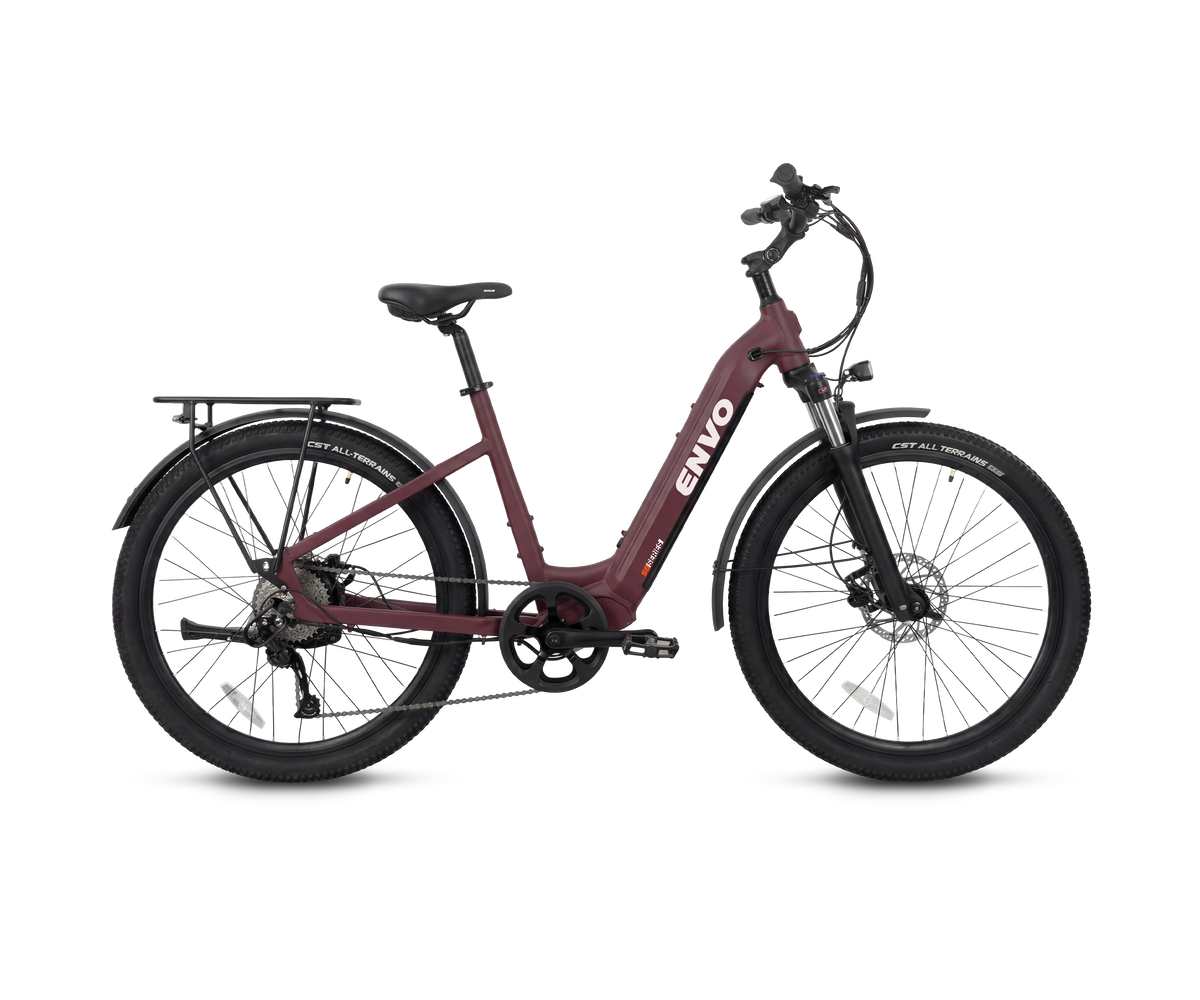
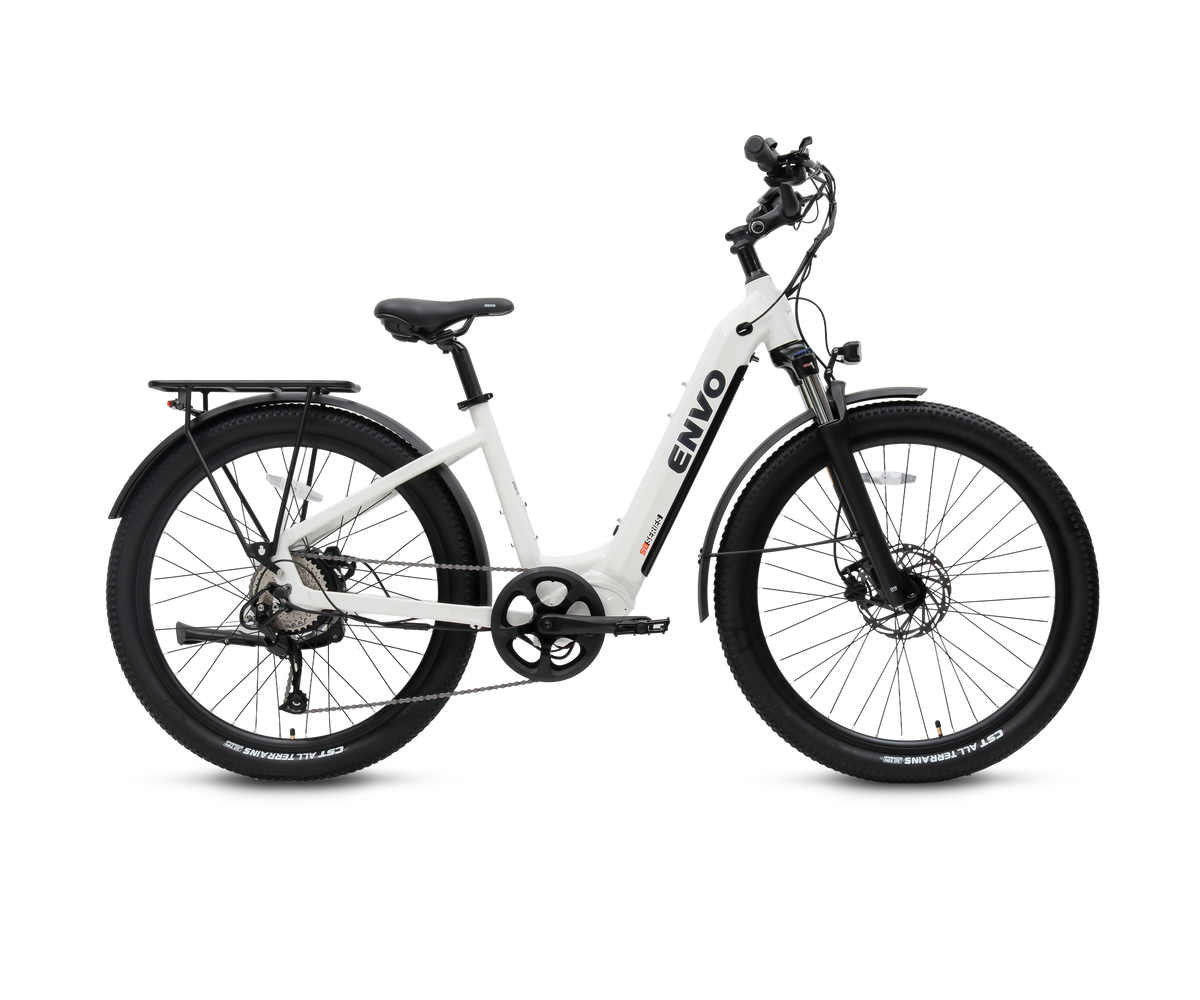
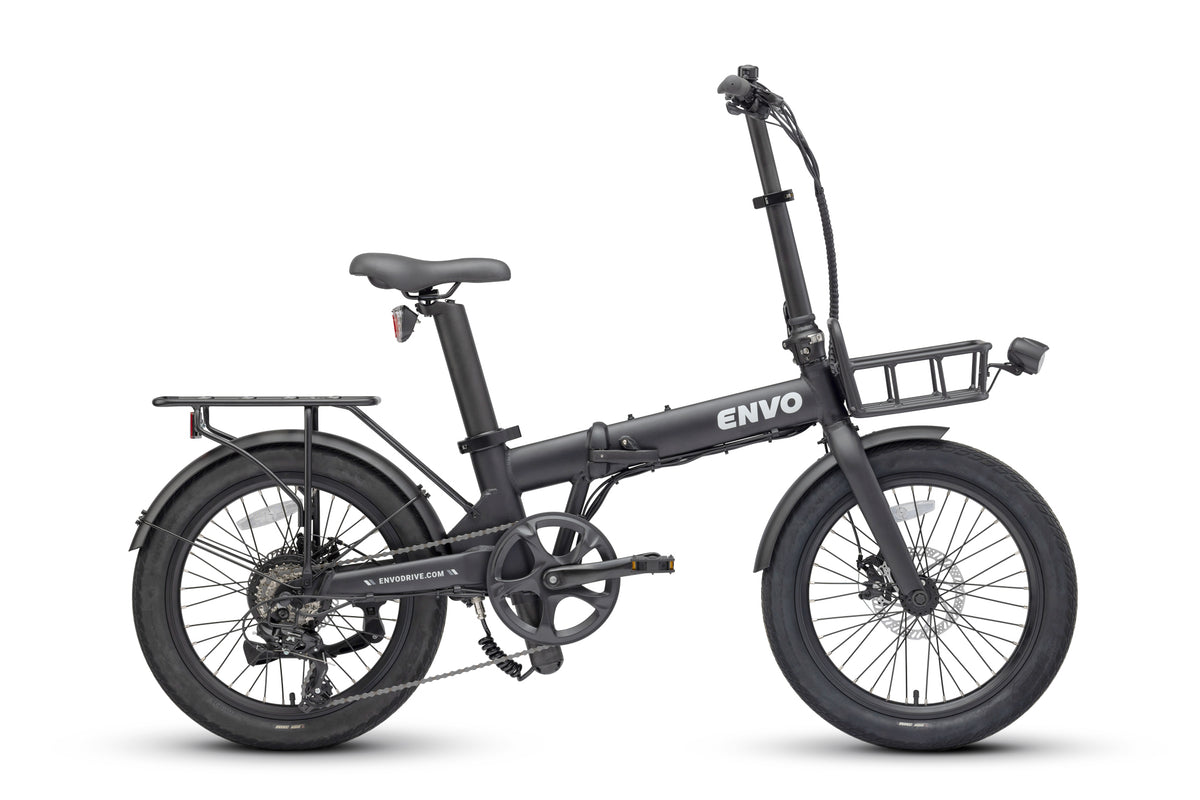
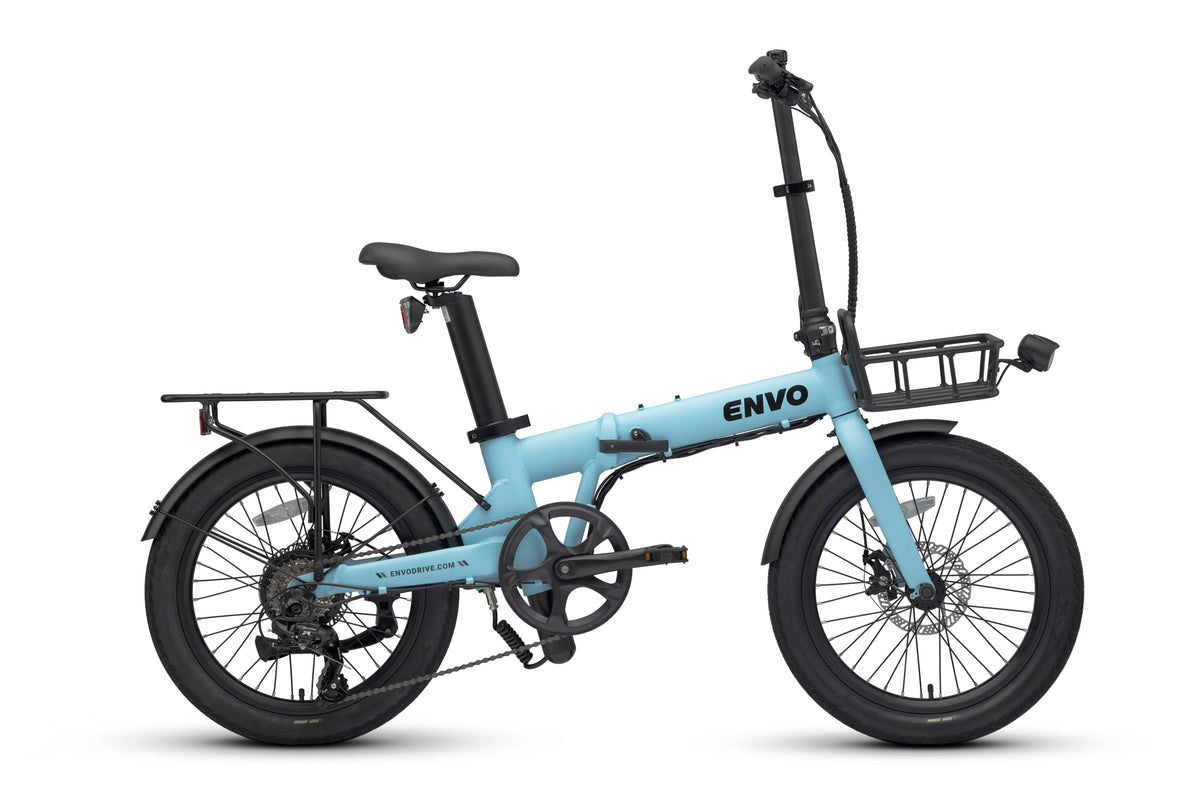
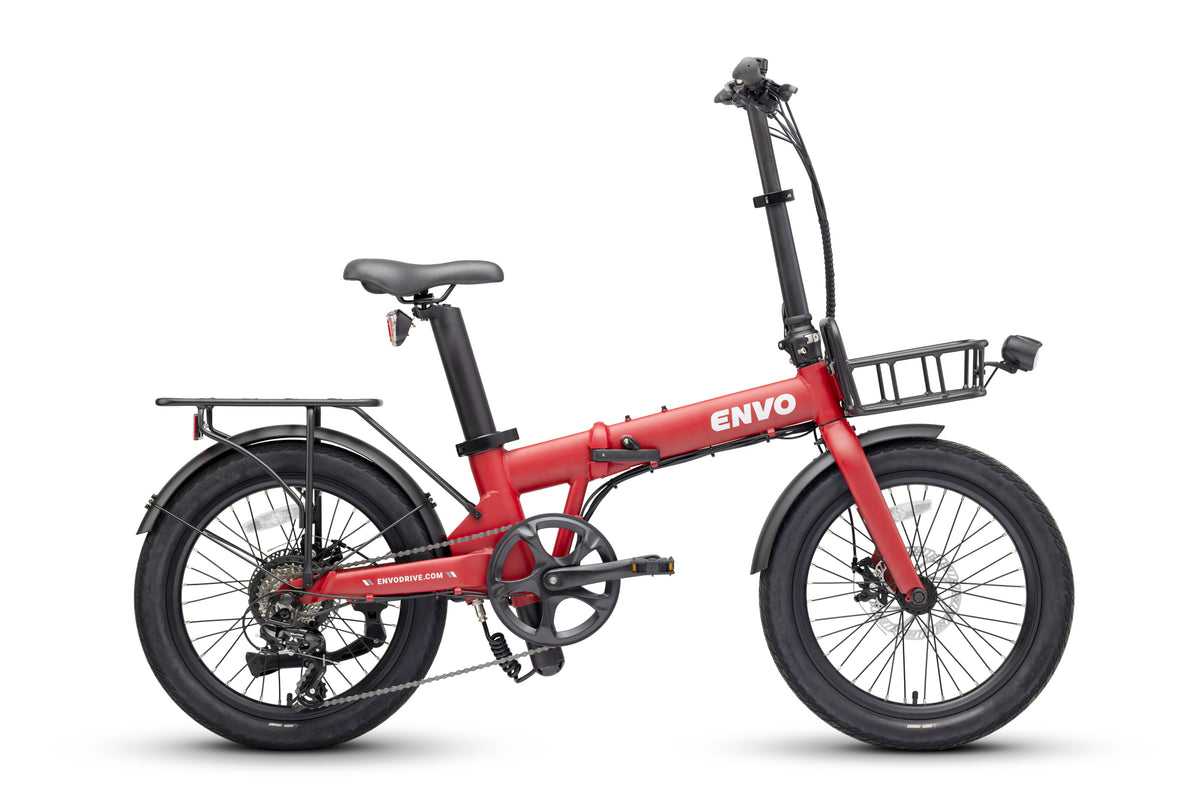
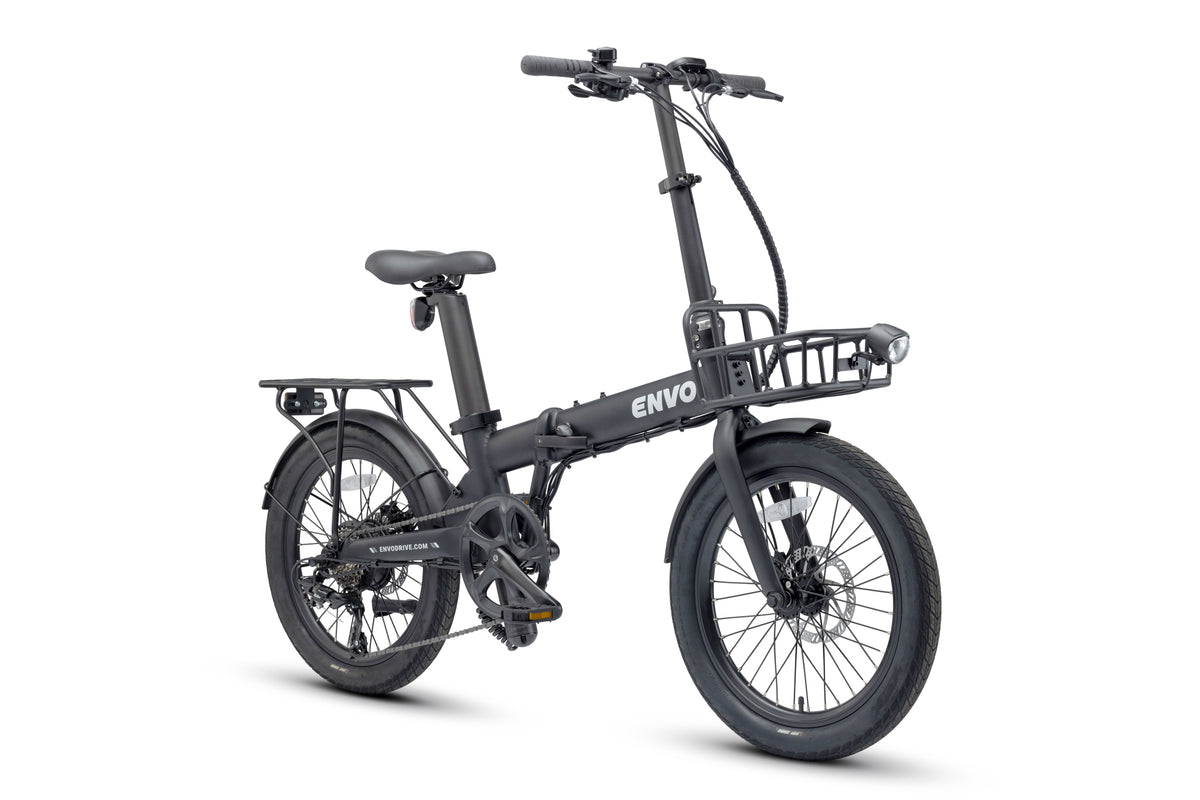
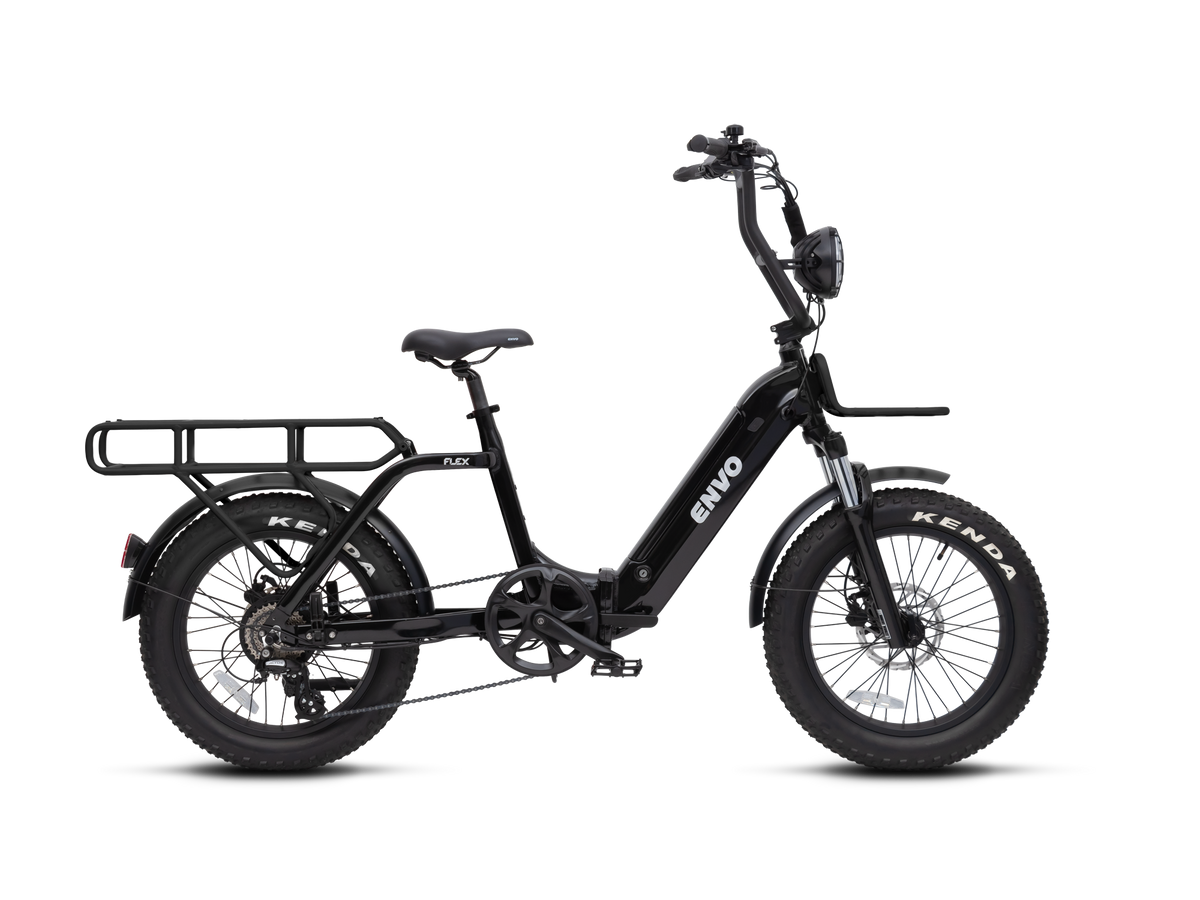
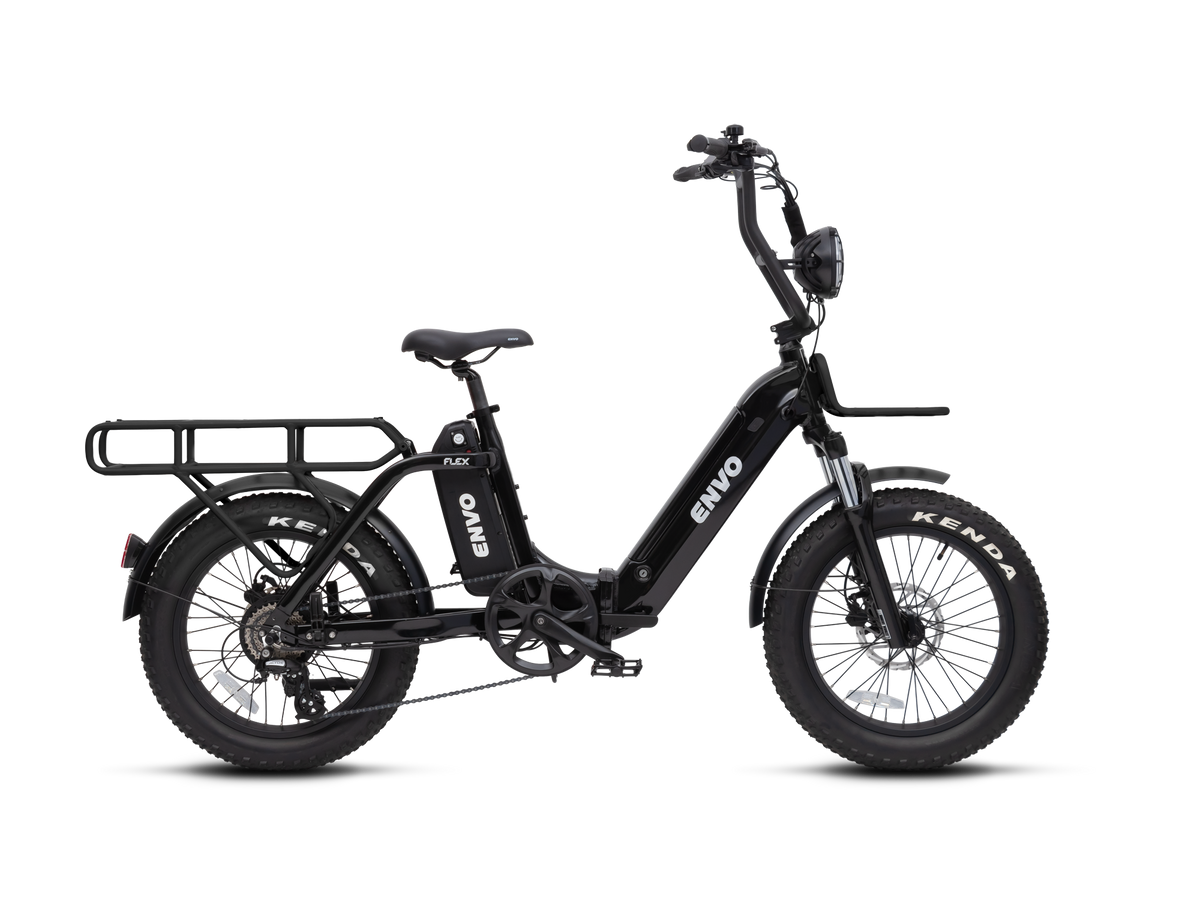
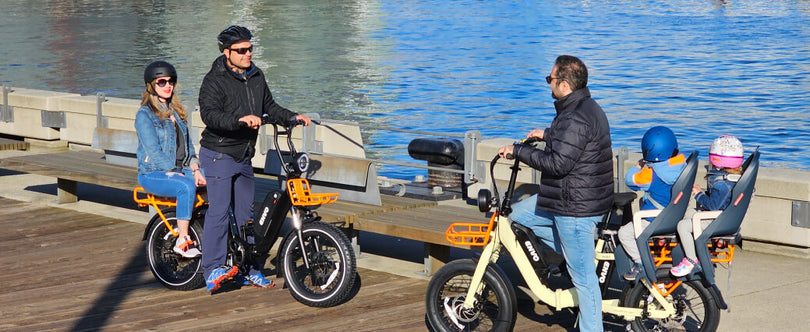
The ENVO D50 electric commuter is a practical demonstration of this philosophy. It delivers genuine performance — mid-drive motor, torque sensing, long-range battery — with a total cost of ownership that stays predictable because replacement batteries don't come with a proprietary premium. The same is true of the ENVO Lynx folding e-bike and the ENVO Flex cargo e-bike — both built on the same principle that you shouldn't need to call a manufacturer's authorized dealer every time a consumable part wears out.
It's also worth noting that ENVO publishes detailed maintenance and service guides online — documentation that gives owners genuine insight into their bike's systems rather than treating that knowledge as proprietary. When you need to understand your battery's charge levels and management, ENVO publishes that too.
For riders who want even more range flexibility without a permanent battery upgrade, conversion kits available through EbikeBC offer another path — using open standards to adapt and extend existing bikes without falling into a proprietary replacement trap.
What To Look For When Buying
If you're shopping for an e-bike today and want to avoid the battery replacement trap, here are the specific questions to ask before you commit:
| Question to Ask | Green Flag | Red Flag |
|---|---|---|
| How much is a replacement battery? | Under $650, available from multiple suppliers | $700+ from one authorized source |
| Is the battery UL or CSA certified? | UL 2849 certified as a system | Uncertified or certification unclear |
| Can any shop service the drivetrain? | Yes — open standards, any competent shop | Authorized dealer only |
| Will third-party batteries work? | Yes, with compatible voltage/connector | Software-locked to OEM only |
| How long has this battery format been available? | Platform has been consistent for 5+ years | New proprietary format with no track record |
| What's the brand's parts availability policy? | Committed to spare parts for 5+ years post-model | No stated policy |
Our comprehensive e-bike buying guide goes deeper on evaluating total cost of ownership — not just purchase price. The sticker price of a premium system can look competitive until you model out the full 5-year picture. For those specifically focused on urban commuting, our best urban e-bikes guide highlights models that score well on both performance and long-term serviceability.
The Bottom Line
The right-to-repair frustration in the e-bike community isn't just emotion — it's a legitimate response to a real structural problem. When you pay $3,000+ for an electric bike, you're making a long-term transportation investment. Discovering that a $50 worth of degraded battery cells requires an $850 OEM replacement — and that attempting an independent repair risks voiding your certification — is a reasonable thing to be angry about.
Regulatory change is coming, particularly in Europe, but it's gradual and contested. North American consumers are largely unprotected by policy for the foreseeable future.
The most effective consumer response in the current market is to vote with purchase decisions. Brands like ENVO have built their entire product philosophy around the idea that owning an e-bike should mean actually owning it — including the right to fix it affordably, service it at any competent shop, and replace batteries without being locked into a single expensive supply chain. That's available today, with full safety certifications, at price points accessible to everyday riders.
The UL 2849-certified e-bikes at EbikeBC — including the full ENVO lineup — demonstrate that safety and repairability don't have to be at odds. The catch-22 isn't an engineering law. It's a business model. And you can choose a different one.
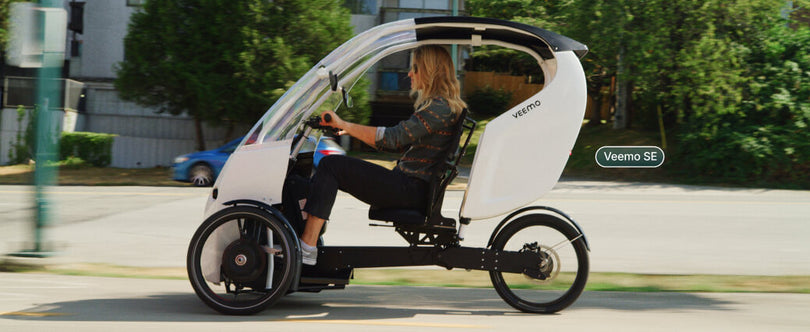
For those considering a premium enclosed option that takes the open-platform approach even further, the Veemo SE enclosed electric trike represents a Canadian-designed solution built for year-round utility — a compelling alternative for riders who want maximum weather protection alongside the long-term ownership transparency the enclosed EV market has historically lacked.
Browse the full range of serviceable, certified electric bikes at EbikeBC, or dive into the details on what makes the best e-bikes in 2025–2026 worth their price over the long run.
Own Your Bike. Really Own It.
Explore ENVO e-bikes — UL 2849 certified, open-standard batteries, serviceable at any shop, and backed by a Canadian team that believes you should be able to fix what you paid for.
Browse ENVO E-Bikes Full Buying Guide