
Aima eBikes Warranty: What Canadian Buyers Should Know
Aima's Canadian warranty looks competitive on paper. Here's what the coverage actually says — and why the dealer network behind it matters more.
Table of Contents
Introduction
A warranty can look excellent on paper and still feel weak in real life if the claim path is slow, fragmented, or overly dependent on a middleman. That's exactly why Canadian buyers should read Aima's warranty with two lenses at once: first, what it formally covers, and second, how that coverage is actually delivered in Canada.
The good news: Aima Canada publishes a real warranty page with specific coverage periods. The published Canadian terms are clear and reasonably detailed for the category.
Published Aima Canada Warranty Terms
- Frame: 2 years
- Power-assist system: 2 years
- Battery: 2 years OR 300 charge cycles (whichever comes first), with 75% capacity retention target
- Mechanical components: 1 year
The more complicated question isn't whether coverage exists — it does. It's whether the support chain behind that warranty is deep and responsive enough across Canada to make claims smooth. For the broader corporate picture, see our breakdown of whether Aima qualifies as a Canadian company.
Coverage Breakdown
Frame: 2 Years
Aima Canada's warranty covers the frame for 2 years against defects in materials and workmanship under normal use. It applies to structural failure (cracking or breaking). Cosmetic issues, scratches, and normal wear are excluded. This is a defect warranty, not a lifetime frame warranty — an important distinction that some buyers miss.
Power-Assist System: 2 Years
This is Aima's strongest written warranty term. It covers the motor, controller, sensor, display, throttle, lights, and control pad for 2 years. The coverage is meaningful because electrical faults are among the most expensive eBike problems to repair out-of-pocket. A failed display or controller is a very different situation from replacing a worn chain.
Battery: 2 Years OR 300 Charge Cycles
One of the most important clauses in the entire warranty. The battery is covered for 2 years OR 300 cycles, whichever comes first, with up to 75% original capacity retention as the target benchmark. The "whichever comes first" language is the operative phrase — and the section below explains why.
Mechanical Components: 1 Year
Mechanical components are covered against defects in materials and workmanship for 1 year. This is the shortest major coverage bucket in the Aima Canada warranty. Wear items like tires, brake pads, and chains are excluded outright (see "What's Not Covered" below).
It's worth noting the actual mechanical spec on Aima's Canadian flagship models. Verified spec for the Aima Key West and Big Sur G2: Shimano Acera ST-M315 Rapidfire shifters paired with the Shimano Altus RD-M310 rear derailleur. These are Shimano's entry-tier groupset components — Altus and Acera both sit below Alivio, Deore, and the rest of Shimano's MTB hierarchy. The marketing copy reads cleanly at the brand-name level (“Shimano drivetrain”), but the specific model numbers used are at the entry rung of the Shimano ladder. That's relevant in a warranty context because mechanical-component coverage is one year, and entry-tier mechanical parts tend to wear into "covered defect vs. excluded wear" grey zones sooner than mid-tier parts.
The 300 Charge Cycles Battery Clause
This is the most misunderstood part of many eBike warranties, and Aima's is no exception.
"Whichever comes first" is the key phrase. If you reach 300 charge cycles before 2 years are up, the written battery coverage has effectively hit its stated limit. If you don't hit 300 cycles, the 2-year clock can still end the battery coverage first. Either way, whichever end-condition trips first is the one that closes the window.
A "cycle" is not always a single plug-in. Battery-cycle counting can be more technical than consumers expect. A full cycle often means the equivalent of 100% discharge and recharge — not necessarily one casual top-up. How a brand assesses cycle count in a warranty context may depend on diagnostic tools, dealer interpretation, and battery-management-system data. Ask your dealer in advance how cycle count is evaluated and what hardware they use to read it.
75% retention is a target, not a promise of like-new range. A battery that falls to 75% of original capacity can still function, but range may feel materially worse in winter, on hills, or under heavy load. Battery satisfaction often declines well before a battery is technically "dead" by warranty standards — so the headline coverage number doesn't fully reflect the real-world range experience two years in.
For a deeper read on battery longevity and what affects it, the e-bike buying guide covers the underlying technology, and the UL-certified e-bike collection highlights bikes with safety-tested battery systems.
The Retailer-Led Claim Process
Aima's Canadian warranty page is clear on process. If you have a claim:
The Aima Canada Warranty Claim Steps
- Contact the retailer where you purchased the eBike
- Provide proof of purchase and product details
- Have the defect assessed by a qualified technician at that retailer
- Allow time for the retailer to submit the claim to Aima and receive instructions
This is a major practical point. The claim path is not described as direct-to-Aima consumer support. It is explicitly retailer-led, meaning your real experience depends on factors outside of Aima's published terms.
In practice, the smoothness of your warranty experience depends on:
What Determines Real-World Warranty Outcomes
- Whether your dealer is knowledgeable about Aima specifically
- Whether they want to advocate for your claim
- Whether they have trained staff for diagnostic work
- Whether the needed parts are stocked in Canada
- How quickly the distributor and manufacturer authorize next steps
For some buyers, that's fine — especially if they have a strong local bike shop with eBike experience. For others, it's a vulnerability, because it adds at least one extra layer between rider and resolution. The retailer-led model can work well, but it requires the dealer to function as the front line of customer service, which not every shop is equally equipped to do.
What's Not Covered
Like any warranty, Aima's has exclusions. Buyers should read them as carefully as the coverage itself.
Excluded From Aima Canada Warranty
- Wear items: tires, tubes, brake pads, chains, paint, decals
- Misuse, abuse, or neglect
- Modifications or unauthorized alterations
- Improper maintenance or improper storage
- Damage related to third-party parts or accessories
- Shipping, handling, and labor costs (not reimbursed even on approved claims)
The page also states that the warranty is the original purchaser's exclusive remedy and is non-transferable. If you sell the bike or pass it on, the warranty doesn't move with it. Buyer rights vary by province; statutory rights under applicable Canadian consumer protection law remain unaffected by the warranty's exclusions.
One genuinely buyer-friendly detail: no arbitration clause. Notably, there is no arbitration clause on the Canadian warranty page. This is rare among foreign brands selling into Canada — many US-based eBike companies force Canadian disputes through US arbitration, which can be expensive and inconvenient for a Canadian rider. Aima's decision not to include arbitration language is a real point in its favour, and worth acknowledging clearly.
Warranty Enforcement Depends on the UNIVELO/Dealer Network. Aima's warranty in Canada is only as practical as the dealer-and-distributor infrastructure behind it. Aima Canada sells through partner specialty stores. UNIVELO has been the exclusive Canadian distributor since November 28, 2024 — Quebec-based, B2B in Canada, providing Aima-related distribution plus Bafang service support.
Warranty enforcement depends on:
- Whether your dealer is still active
- Whether your dealer has competent technicians
- Whether UNIVELO has the needed parts in stock
- Whether the dealer-distributor relationship is functioning smoothly
The wording on the page is solid. But the service path is structurally distributor-dependent.
There is no Aima Canadian entity to escalate to. If your dealer can't or won't resolve a warranty issue, and UNIVELO can't or won't authorize the remedy, the next escalation tier inside Aima itself is not in Canada — it's AIMA EBIKE, INC. in City of Industry, California (aimatech.us, info@aimausa.com, (213) 315-0602). There is no Aima Canadian entity above UNIVELO that a Canadian consumer can appeal to.
In practice, this means:
- Aima's California subsidiary is not contractually responsible for honouring Canadian consumer warranty obligations — that responsibility sits with UNIVELO as the Canadian-facing party
- California-based AIMA EBIKE, INC. cannot directly process Canadian consumer warranty claims under Canadian consumer-protection law without a Canadian legal presence or agent
- If your claim stalls, you cannot easily escalate to "Aima Canada head office" because no such office exists
- The closest Aima-owned authority is the California office — geographically close, legally distant, and not the contractual warrantor of your Canadian bike
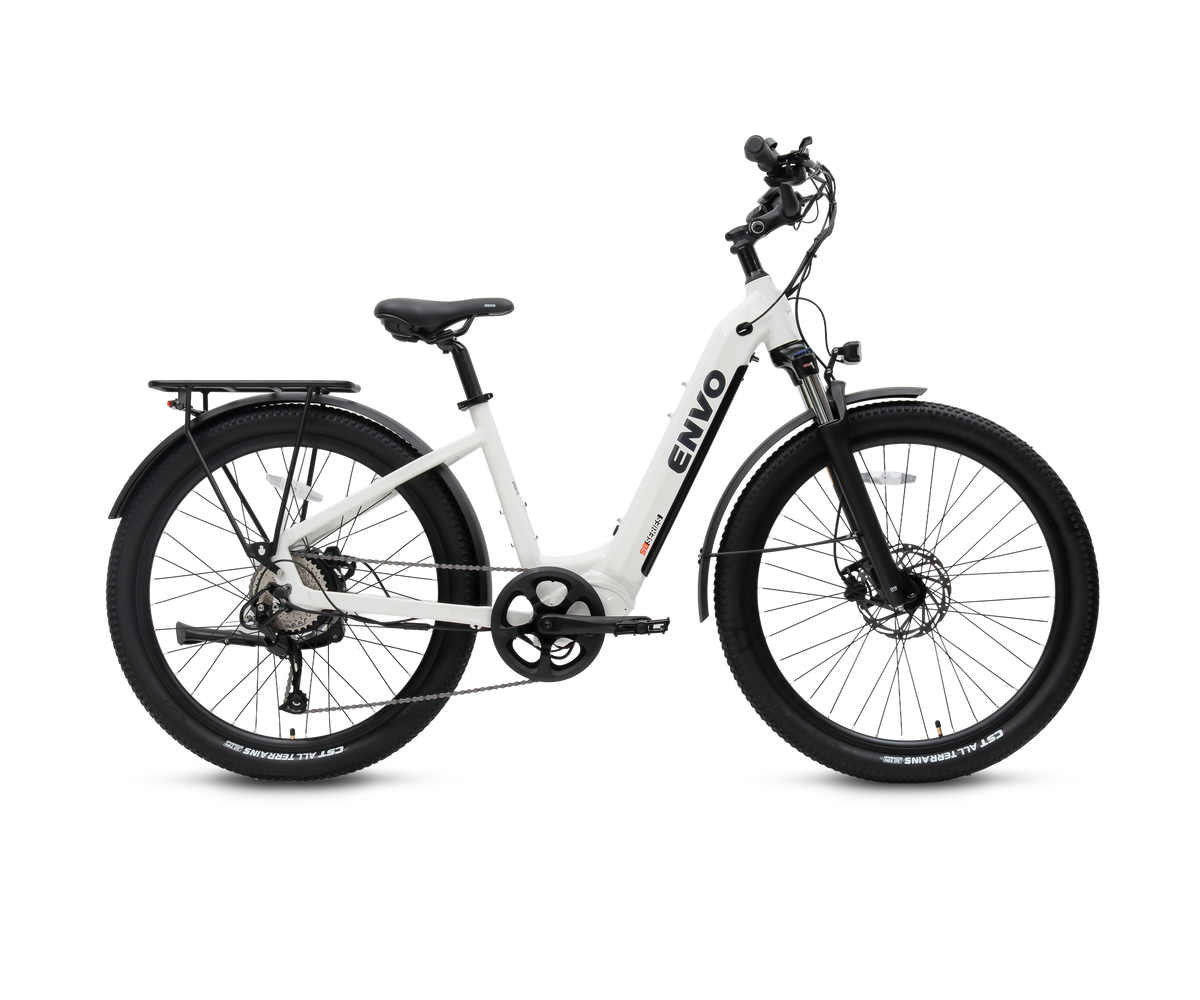
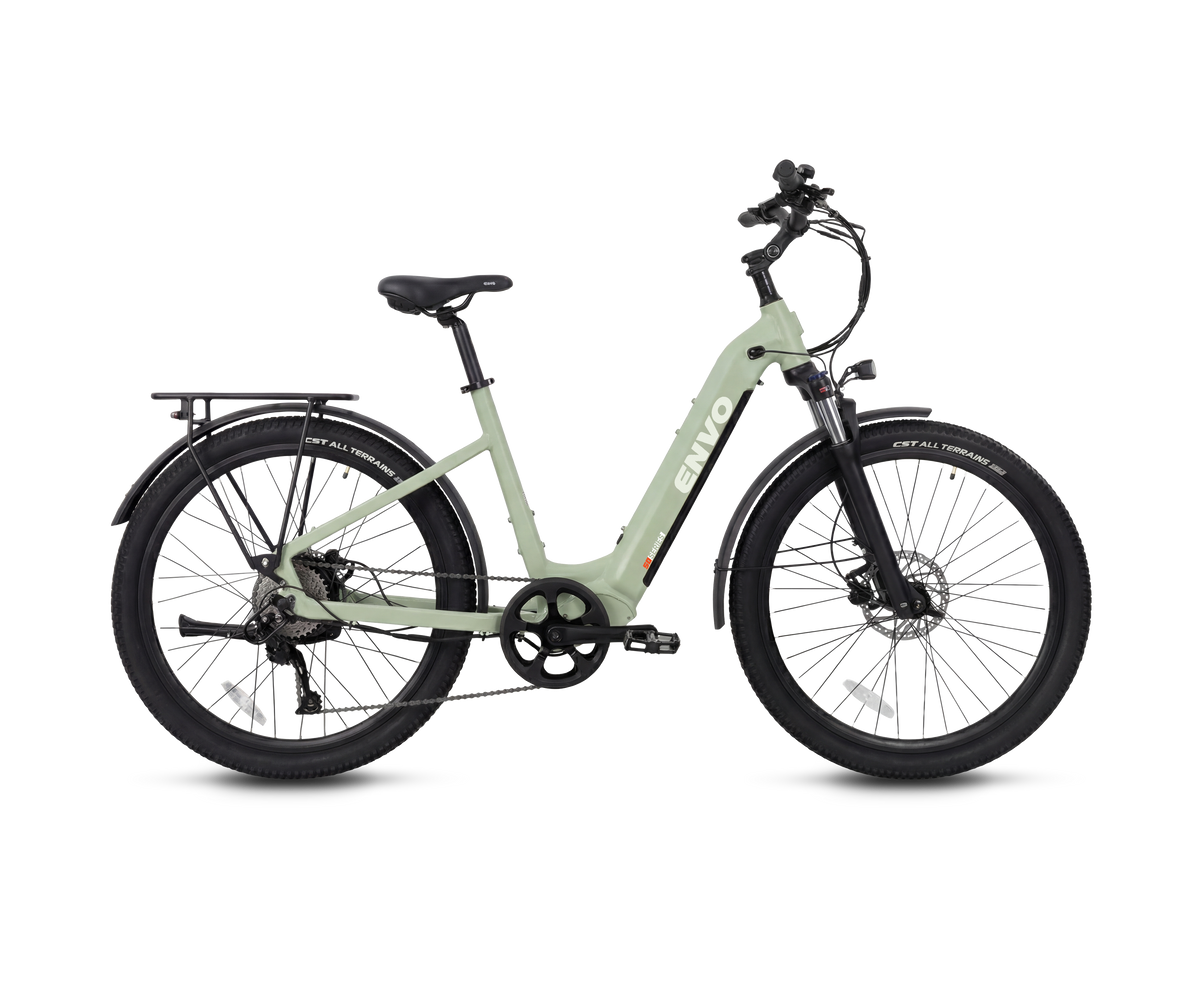
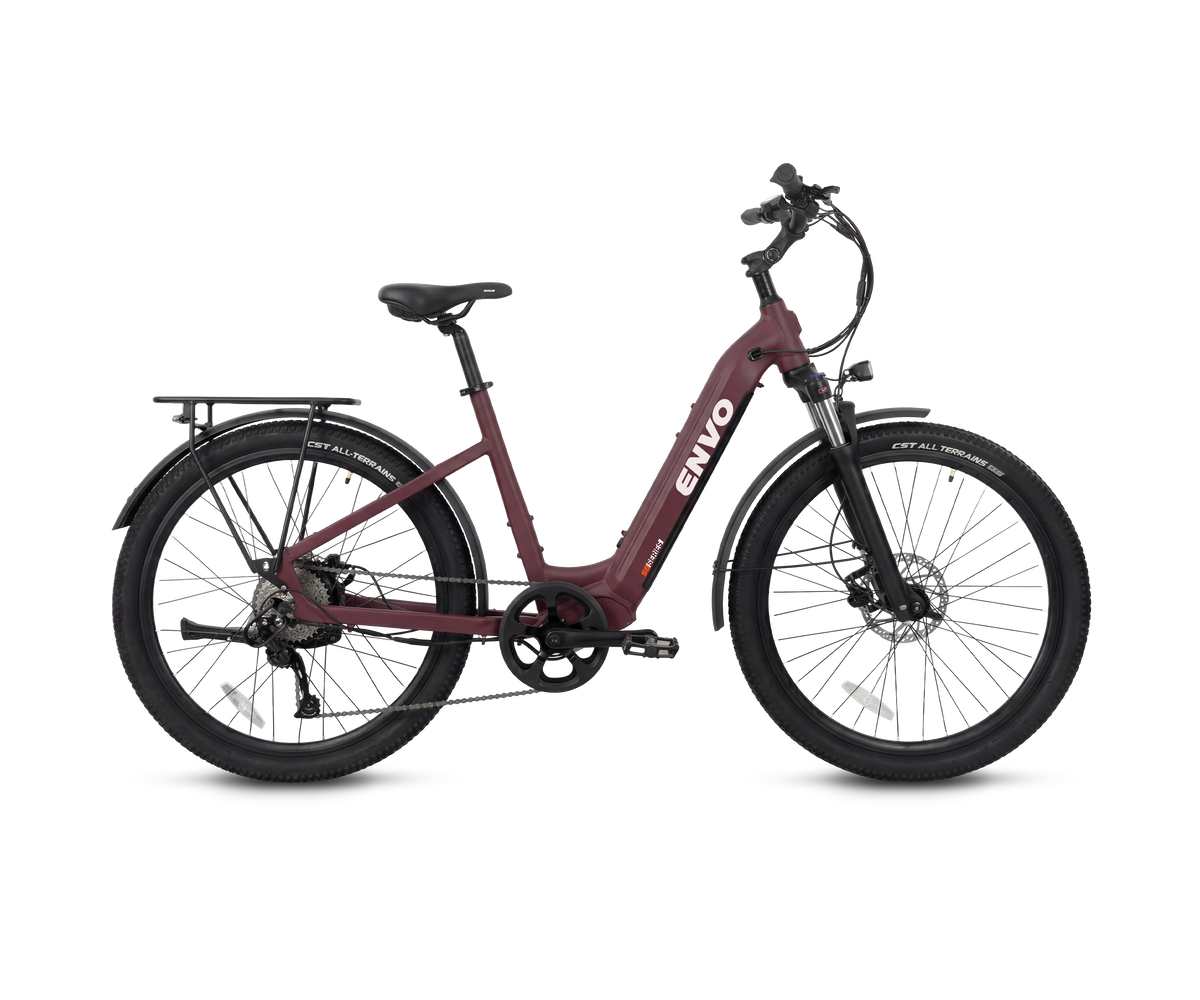
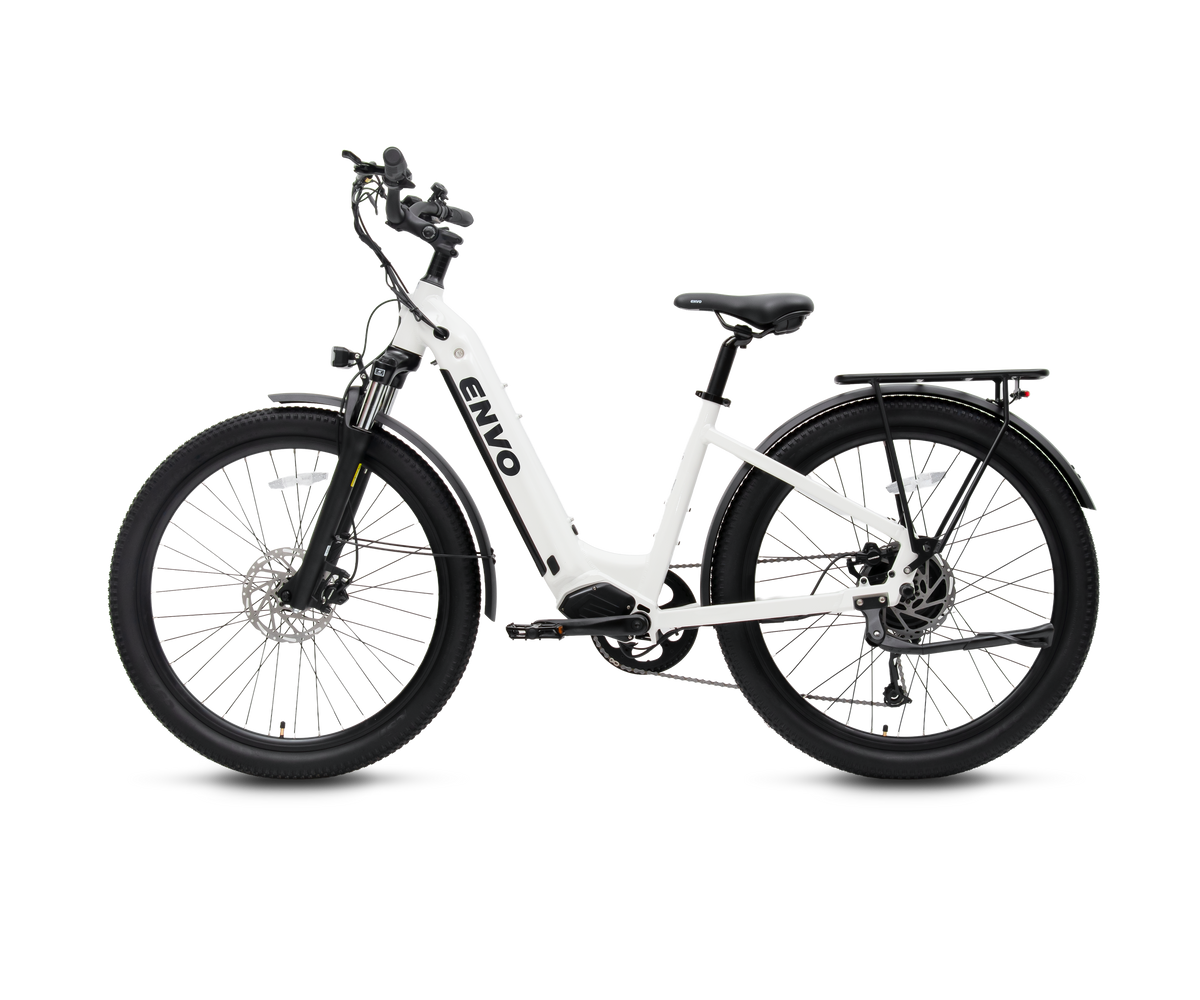
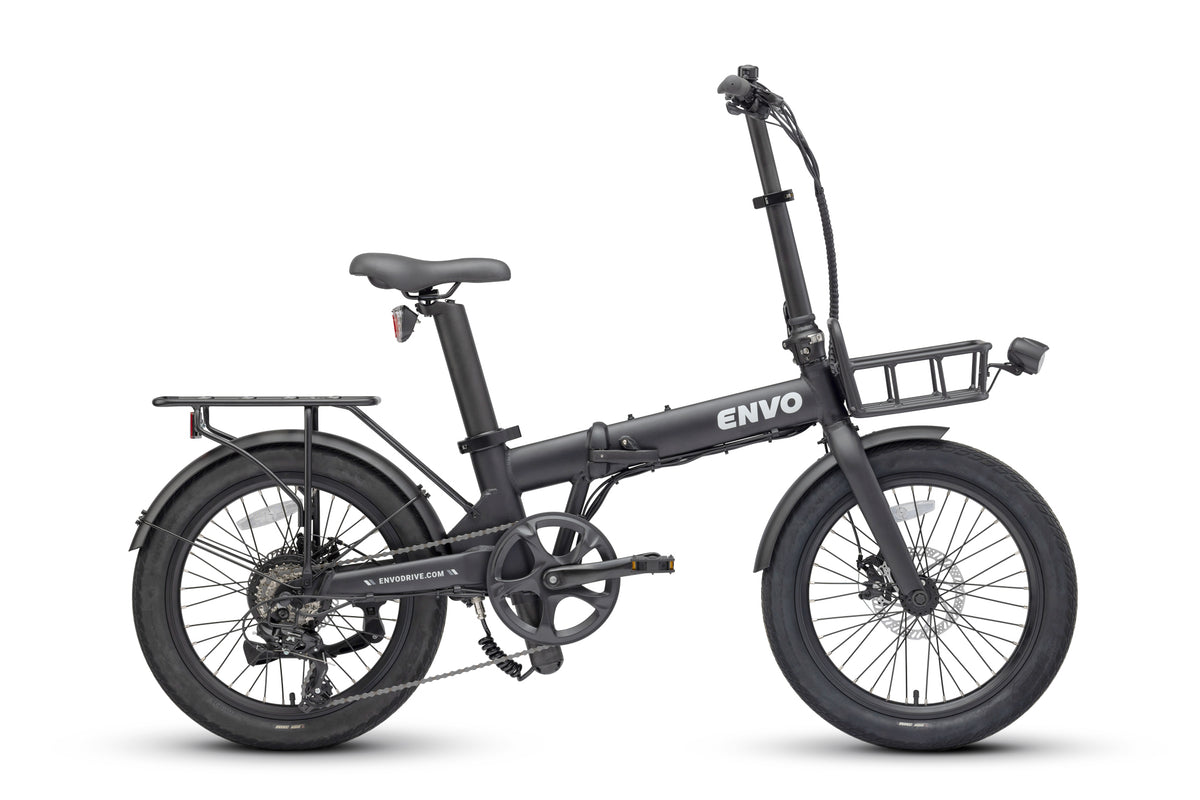
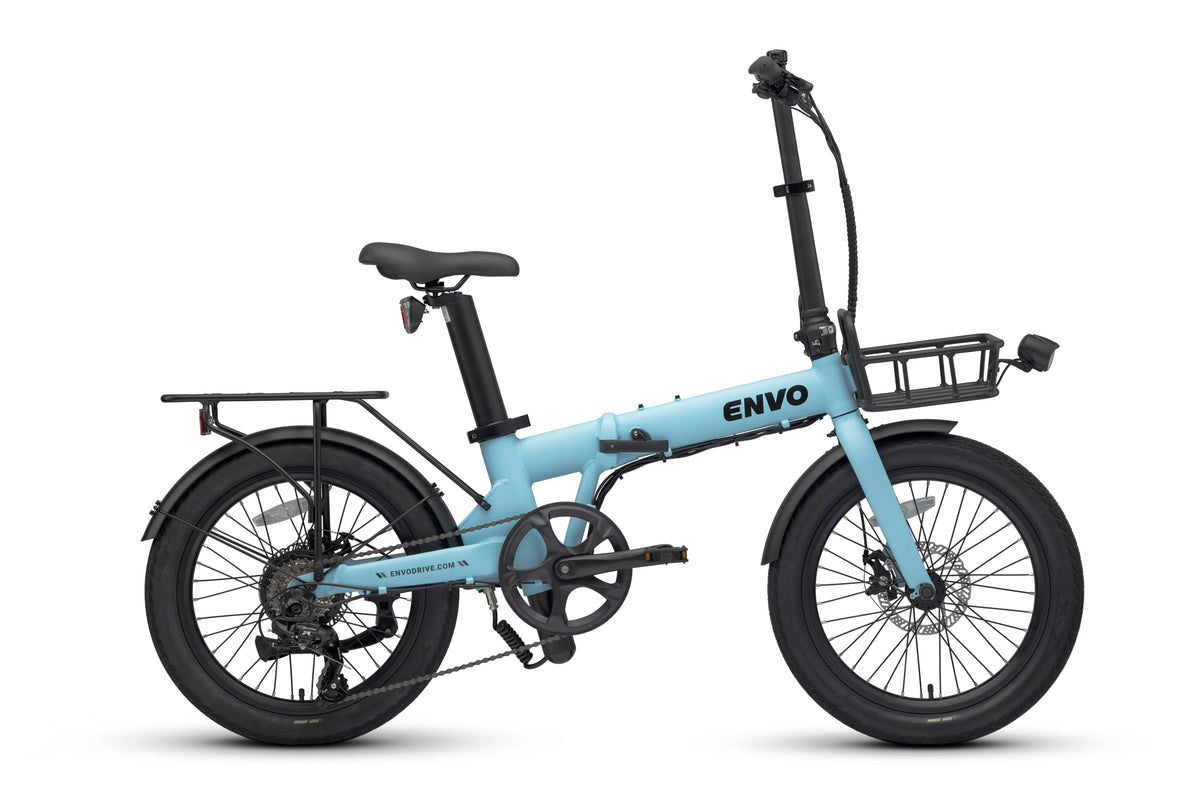
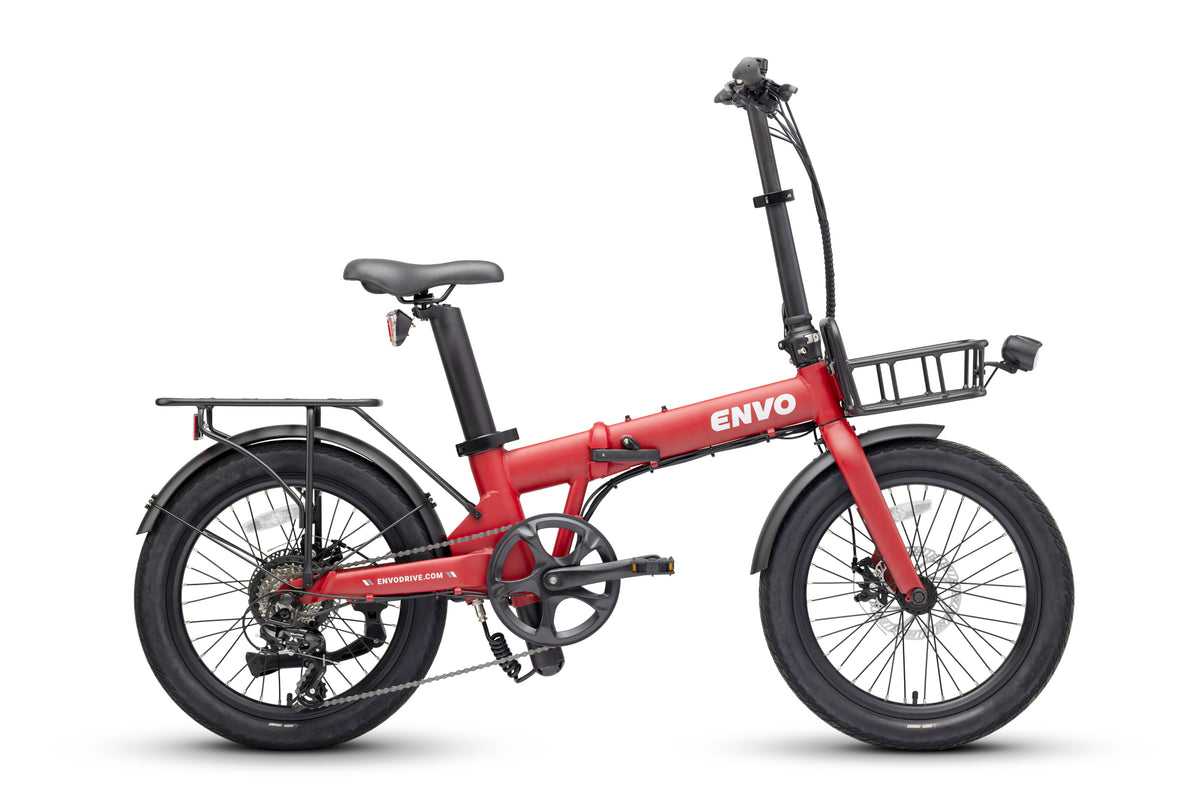
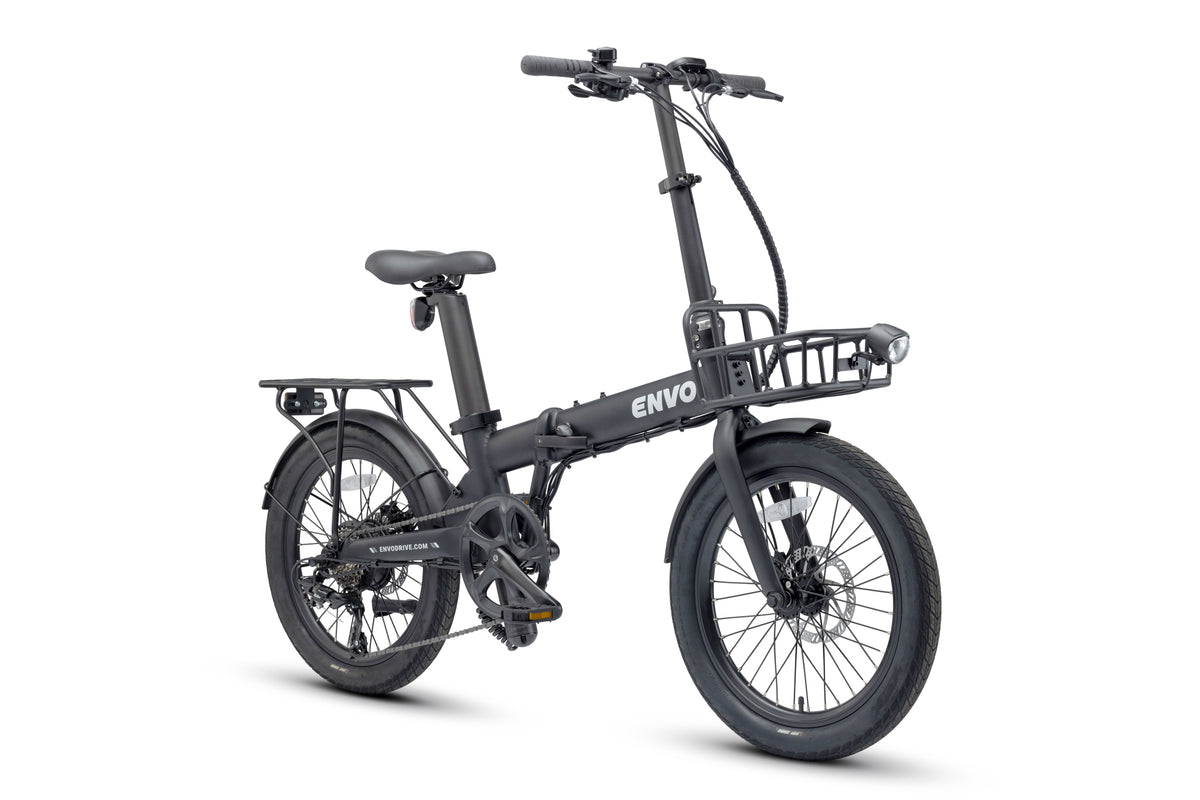
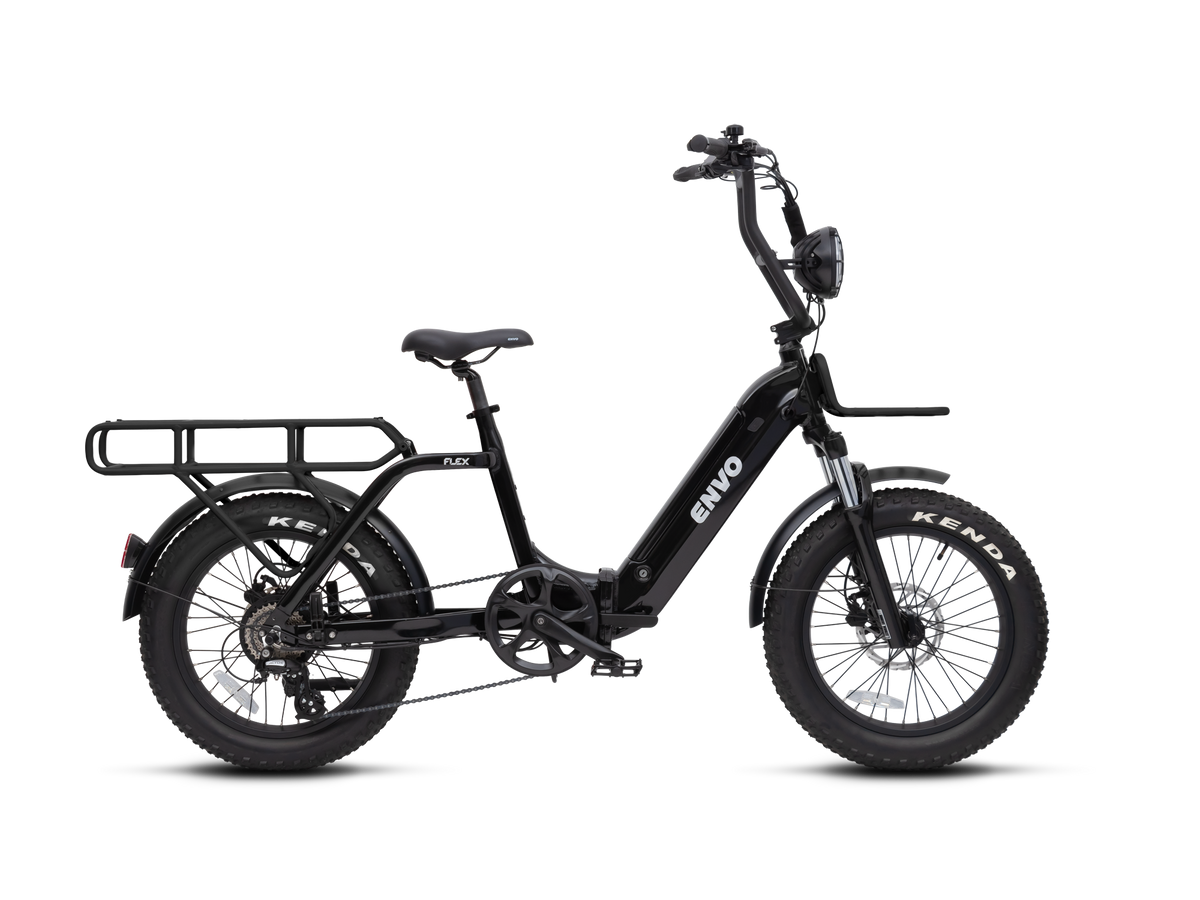
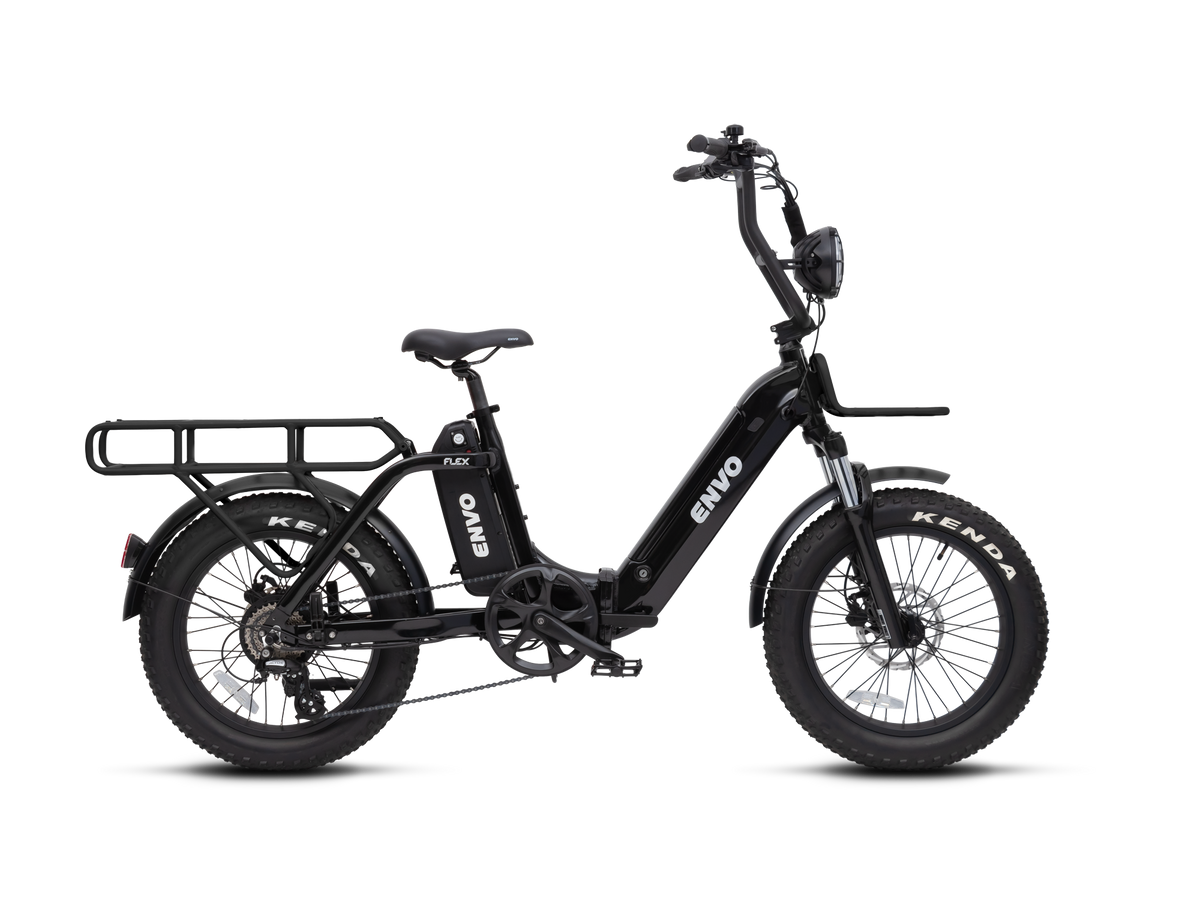
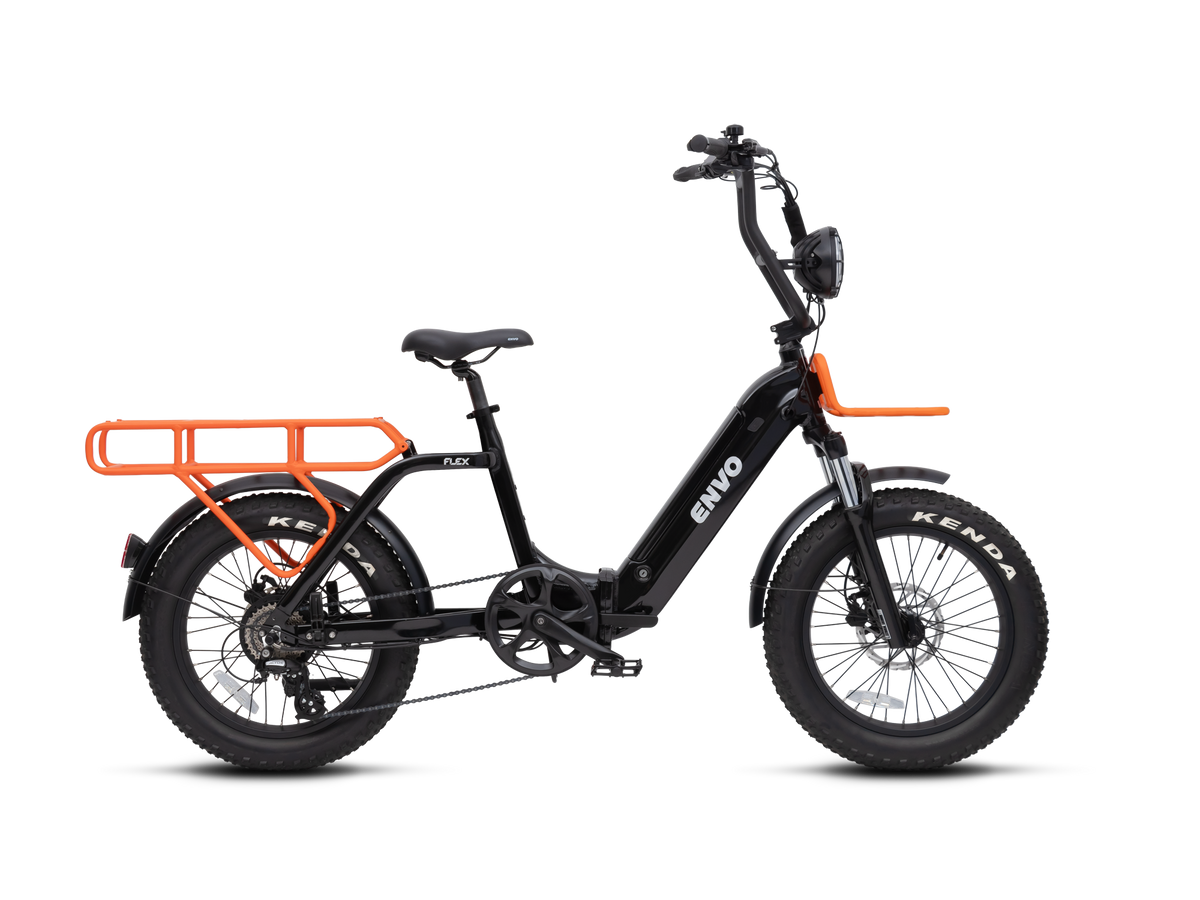
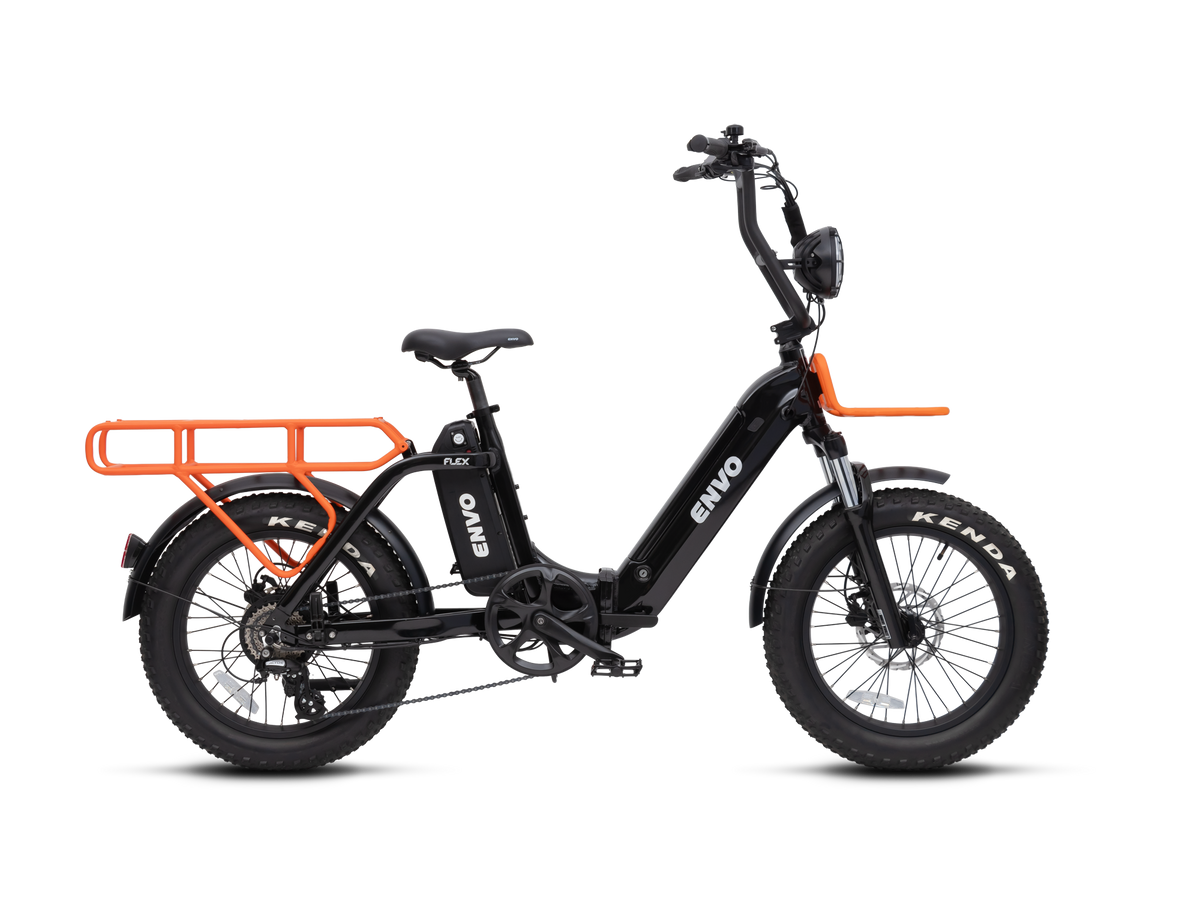
Compare this with a Canadian-incorporated manufacturer like ENVO, where the manufacturer itself is the Canadian legal entity and warranty escalation is a direct conversation with the company that built the bike.
Comparison: ENVO's 1-Year Warranty + Canadian Service Depth
ENVO's official warranty is 12 months free warranty unless otherwise specified. So if you only compare warranty duration on paper, Aima's 2-year frame, electrical, and battery coverage appears more generous than ENVO's 1-year coverage. That's a fair point, and worth saying clearly.
But paper duration is not the whole story.
ENVO's support is tied directly to a visible Canadian base in Burnaby, BC, with direct contact information and a clearer in-country corporate presence. A shorter warranty backed by a more direct Canadian support structure can, in some cases, feel more dependable than a longer warranty filtered through dealer → distributor → manufacturer layers. The number of layers between a rider and a resolution matters as much as the number of months printed on the warranty card.
Bikes like the ENVO D50, the ENVO Lynx 20, and the ENVO ST50 are backed by ENVO Drive Systems directly, with a Canadian service path that runs customer-to-manufacturer rather than customer-to-dealer-to-distributor-to-manufacturer.
The Honest Tradeoff
Both warranties have real strengths and real limitations. Here's the honest breakdown.
Why Aima's Warranty Deserves Credit
- More specific than many eBike brand warranties
- Clear durations, named covered parts, defined battery capacity benchmark
- Acknowledges provincial legal rights
- No arbitration clause (uncommonly buyer-friendly)
Why Caution Is Still Warranted
- Claim path is retailer-led, not direct-to-manufacturer
- Distribution structure is layered through UNIVELO
- No verified Aima-owned Canadian service network
Why ENVO May Still Appeal
- Less headline warranty length
- Clearer Canadian operational depth and direct accountability
- Burnaby, BC headquarters with direct contact pathway
The honest tradeoff comes down to two sentences. Aima may give you more warranty on paper. ENVO may give you more confidence in Canadian support execution. Which one matters more depends on how you weigh duration against directness — and how strong your local Aima dealer is. If you'd like a framing for comparing Canadian-assembled options, the commuter e-bike buyer's guide and the full EbikeBC electric bike collection are good starting points.
Frequently Asked Questions
The Bottom Line
Aima Canada's published warranty is credible and reasonably competitive. Frame 2 years, power-assist electronics 2 years, battery 2 years or 300 cycles with a 75% retention benchmark, mechanical components 1 year, and no arbitration clause. Provincial and federal statutory rights remain unaffected.
But buyers should not stop at the warranty page. Because the process runs through the retailer first — and then effectively through the distributor and manufacturer chain — the real-world value of the warranty depends heavily on the quality of the dealer you buy from and the responsiveness of UNIVELO's support system in Canada.
The smart conclusion is straightforward. Aima's warranty looks good on paper. Its real-world strength depends on the dealer network behind it. Before buying, ask your shop how claims are handled, who approves them, where parts are stocked, and who pays labor. That's the difference between owning a warranty and being able to use one.
If a more direct, manufacturer-led Canadian warranty path matters more to you than headline coverage length, ENVO's 1-year Canadian warranty and the broader Canadian-assembled lineup at EbikeBC offer a different shape of coverage worth considering.
Want a Direct Canadian Warranty Path?
ENVO's 1-year Canadian warranty is backed by Burnaby-based service and a customer-to-manufacturer claim path — no extra distributor layer in the middle.
Disclaimer: This article is for informational purposes only and reflects publicly available information as of May 2026, including the Aima Canada warranty terms posted on aimamobility.ca and ENVO Drive Systems' published warranty information. Warranty terms, distribution arrangements, and dealer network conditions may change. We are not affiliated with Aima Technology Group, Aima Mobility Canada, or UNIVELO. Always verify current warranty terms directly with the manufacturer or distributor before purchasing. This article does not constitute legal advice.