



Where Are Aima eBikes Made?
The simple country-of-origin question every Canadian buyer should ask — and what Aima's Canadian site does and doesn't say.
Table of Contents
Introduction
If you're shopping for an Aima eBike in Canada, one of the most basic questions is also one of the most important: where is it actually made?
For many buyers, that question is not about politics or branding. It's about practical realities — parts supply, warranty handling, shipping delays, quality control, import costs, and how transparent a company is when it sells into the Canadian market.
Aima is not a mystery brand. Aima Technology Group Co., Ltd. is headquartered in Tianjin, China, founded in 1999, and publicly listed on the Shanghai Stock Exchange (ticker 603529). Its 2024 annual report shows more than RMB 21.6 billion in revenue, putting it in a different category from anonymous private-label importers. For the broader corporate picture, see our investigation into whether Aima qualifies as a Canadian company.
But legitimacy is not the same thing as local transparency. Canadian shoppers still need a clear answer on manufacturing origin — and that's exactly the question this article answers.
The Short Answer
Aima eBikes sold in Canada are designed in China, engineered in China, and manufactured in China — the full trifecta. Aima's core manufacturing base is in China, with Southeast Asian production expansion in Indonesia and Vietnam. None of that work happens in North America.
The Canadian site emphasizes partner specialty stores, Bafang systems, UL compliance, and customer service language — but does not prominently state country of origin on the verified consumer-facing pages.
If you're asking "Is Aima Canadian-made?" the answer is no. If you're asking "Is Aima a real manufacturer and not just a sticker brand?" the answer is yes. Those are two different questions, and conflating them is one of the most common mistakes buyers make. If Canadian assembly matters to you, the EbikeBC Canadian-assembled lineup is the closest direct alternative.
The "designed + engineered + made in China" trifecta matters. A lot of consumer brands try to soften country-of-origin perception by claiming, for example, "designed in [Western country], manufactured in China." Aima can't make that claim. The product development teams, the engineering teams, and the production lines all sit inside the Chinese parent — not in North America, not in Canada.
Then on top of that: Aima's North American HQ is in City of Industry, California (the verified subsidiary AIMA EBIKE, INC. / aimatech.us). There is no Canadian Aima entity. The actual Canadian buyer journey, structurally, looks like this:
- A Chinese-designed product (China R&D)
- Engineered by Chinese teams (China engineering)
- Built on Chinese production lines (China manufacturing)
- Fronted by a California-based North American subsidiary (US sales operations)
- Imported into Canada by a Quebec-based third-party distributor (UNIVELO)
- Sold through partner Canadian dealers
That's multiple layers of separation between the product and "Canadian." Nothing about the product, the engineering, or the corporate structure is Canadian. Even the closest Aima-owned operation — the California subsidiary — is foreign to Canada.
Designed by global teams, not Canadian riders
Because the entire design and engineering pipeline lives in China, Aima e-bikes are engineered for a global product portfolio — not specifically for Canadian riding conditions. Frame geometry decisions, ride-feel tuning, control ergonomics, and display language defaults are all made without Canadian-specific input. That's not a moral judgment about the product; it's a description of where the decisions are made.
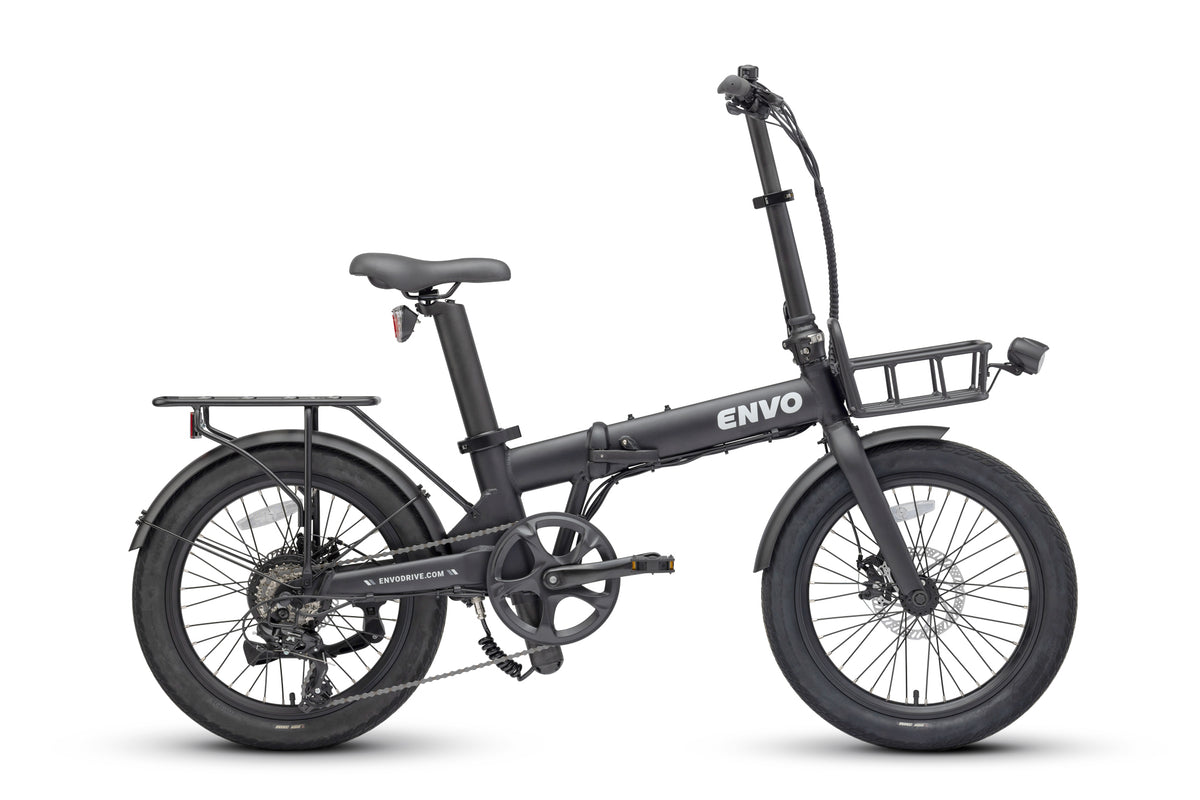
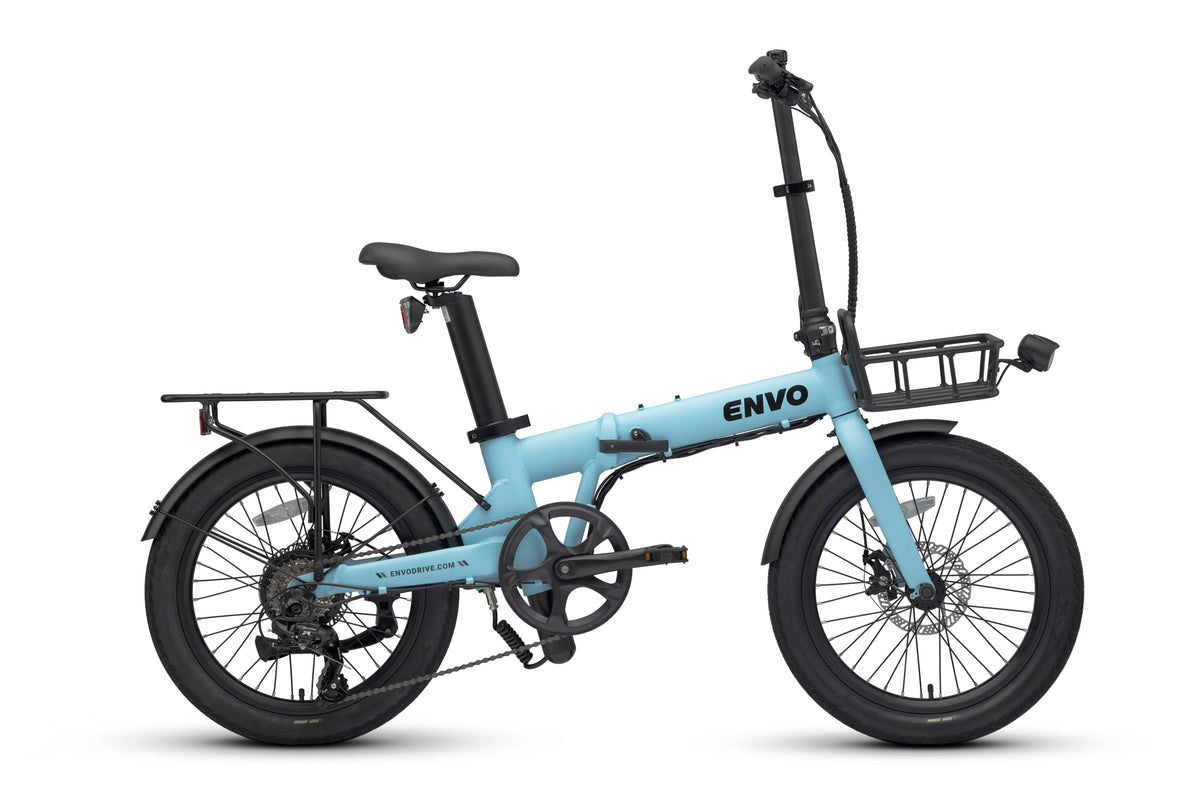
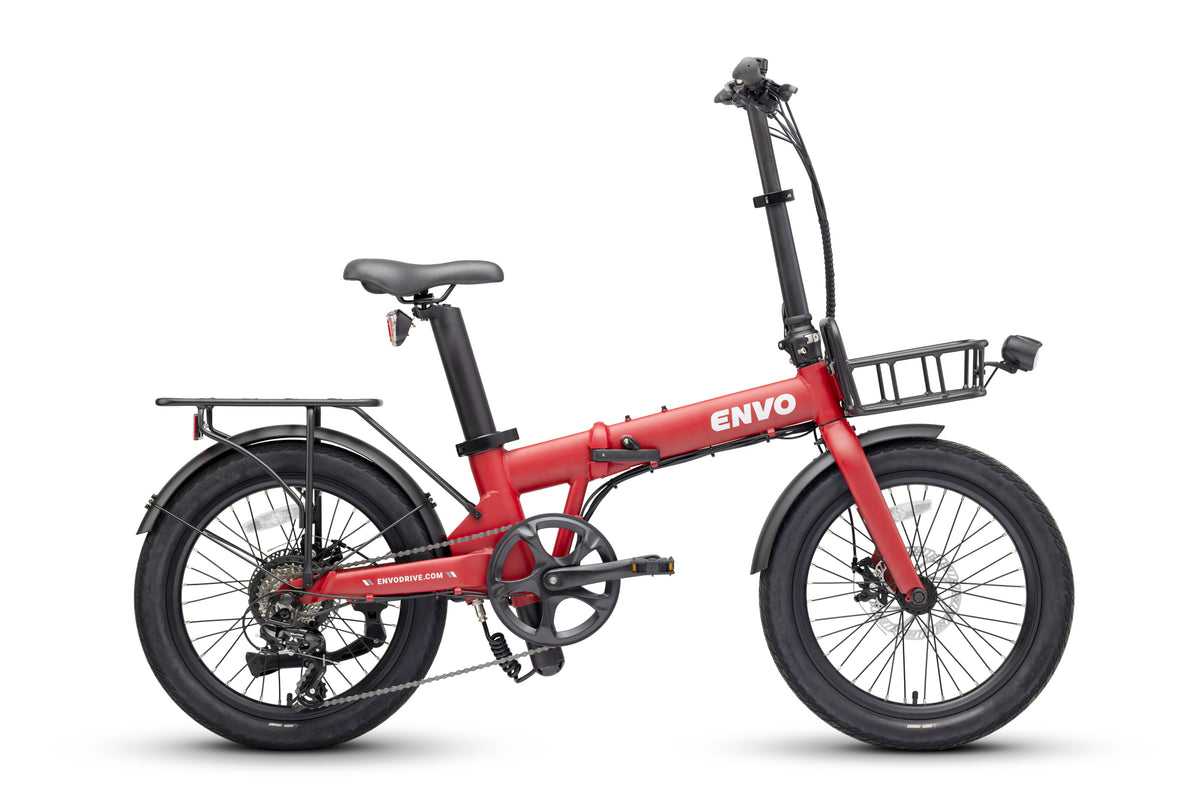
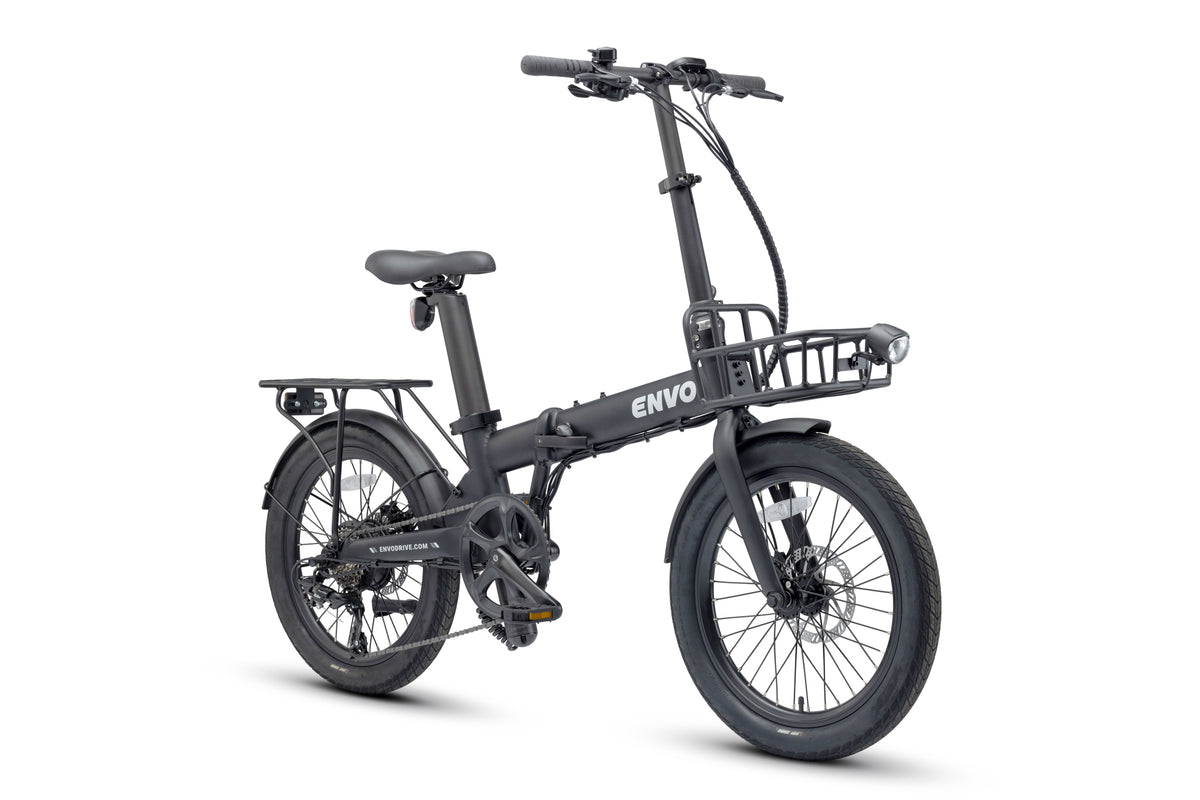
By contrast, ENVO Drive Systems is designed by Canadians in Canada for Canadian riding conditions — geometry, motor tuning, cold-weather considerations, and component selection happen in Burnaby, BC. That's a different design philosophy, not just a different country of origin label.
Aima's Manufacturing Footprint
China Remains the Center of Gravity
Aima's 2024 annual report makes clear that domestic Chinese operations dominate the business. Total 2024 revenue was RMB 21.606 billion, broken down as roughly RMB 21.372 billion domestic and RMB 234.7 million overseas. Overseas revenue is a small share of the whole business — approximately 1.1%.
Verified Chinese Production Locations
- Tianjin — original headquarters and primary base
- Jiangsu — manufacturing operations
- Guangdong — manufacturing operations
- Guangxi — manufacturing operations
- Chongqing — manufacturing operations
Southeast Asia Is Real But Doesn't Erase Chinese Origin
Aima's Indonesia production base commenced operations during 2024, and a Vietnam base was under construction during the reporting period. Both are real strategic investments, but neither replaces China as Aima's manufacturing center of gravity.
It would be inaccurate to say every Aima product comes from the exact same Chinese plant — Aima operates a multi-country production network. But it would be equally inaccurate to suggest the Canadian lineup is meaningfully localized in Canada. There is no Canadian Aima factory, no Canadian Aima assembly line, and no Canadian Aima warehouse independent of the UNIVELO distribution partnership.
What the Canadian Site Does and Doesn't Say
A careful read of the Aima Canada consumer-facing pages shows a clear pattern of what's emphasized — and what's left unsaid.
What the Canadian Site Tells Shoppers
- Aima eBikes sold in Canada exclusively through partner specialty stores
- Highlights Bafang components
- Mentions LG-made battery cells
- Claims UL 2849 compliance
- Says spare parts are available
Canadian Product Pages Lack Country-of-Origin Disclosure. Based on the Aima Canada pages we verified, the consumer-facing site does not clearly and prominently disclose country of origin on those pages. It also doesn't distinguish between bikes assembled abroad and bikes assembled in Canada — because there is no Canadian assembly.
That doesn't prove misconduct. It does mean buyers shouldn't assume local assembly, Canadian manufacturing, or a North American production base without asking. Smart questions for your dealer:
- Where was this exact model manufactured?
- What country is listed on the import label or carton?
- Is final assembly done overseas or in Canada?
- Where are replacement batteries and electronics stocked?
The selective-disclosure pattern: what gets named, what doesn't
Look at the asymmetry on Aima's Canadian product pages: the motor brand (Bafang) is named, the battery cell brand (LG) is named, UL 2849 is named — but several other components that buyers also care about are not named with the same prominence.
Tires are a clear example. Aima's Canadian product pages describe tires as something like "27.5 × 2.1″ reflective sidewall, e-bike rated casing" — specifications without a manufacturer brand. There is no Schwalbe, no Maxxis, no Kenda, no CST, no Vee Tire callout. The tire specs are disclosed; the tire brand is not.
That selective transparency matters. It means the components Aima is comfortable advertising (Bafang, LG, UL) are named, and components where the brand pedigree is less marketable (tires, and to a degree the entry-tier Shimano spec) are described by spec alone. That's not unique to Aima — many mid-tier brands do this — but it's worth noticing when you're evaluating whether the product positioning matches the actual bill of materials.
That omission isn't unique in the eBike industry. But from a Canadian buyer's perspective, country-of-origin disclosure is still relevant when the business model depends on import logistics and distributor service — especially over a 5–10 year ownership horizon.
What "Bafang Motor with LG Cells" Actually Means
This is one of the most misunderstood parts of modern eBike marketing — and Aima is far from the only brand using the language.
What it means: branded subcomponents are being used. Bafang is a major eBike drive-system manufacturer, and LG cells are a recognized cell source. This can improve buyer confidence relative to totally unbranded systems, and it suggests Aima is sourcing reputable internals.
What it does NOT mean: the whole bike is made by Bafang or LG. A bike can use a Bafang motor and LG cells while still being designed, integrated, framed, painted, assembled, and quality-controlled by Aima or Aima's contractors. The drive system and cells are inputs, not the finished product.
It also doesn't answer final assembly location. A bike may contain globally sourced parts but still be finally assembled in China, Indonesia, Vietnam, or elsewhere. A Bafang motor doesn't make a bike Japanese any more than an LG cell makes it Korean. Final assembly location is a separate question — and one worth asking before you buy.
Why Country of Origin Matters for Canadian Buyers
Country of origin isn't an abstract question. It affects pricing, parts, service, and your long-term ownership experience in four concrete ways.
1. Tariffs and import exposure. If a bike is built abroad and enters Canada through a distributor, it's exposed to freight, customs, landed-cost pressure, and regulatory shifts. Even when the customer never sees those line items directly, they affect retail pricing, parts replenishment, and replacement timelines.
2. Support chain complexity. Aima's Canadian structure is dealer/distributor, not factory-direct Canadian. Service outcomes depend on inventory planning, warehouse depth, distributor responsiveness, and escalation pathways — all of which are influenced by manufacturing origin.
3. Supply continuity and repairability. If a display, controller, battery mount, or wiring harness is model-specific, buyers want to know how easily those parts can be sourced in Canada versus ordered through a longer international chain. This is one of the most common pain points new e-bike owners discover months after their warranty starts. The broader e-bike buying guide covers this in more depth.
4. Ethics and buyer preference. Some shoppers specifically care whether a product is made in Canada, assembled in Canada, or imported. That's a legitimate consumer preference — and the only way to act on it is to get a real answer about origin before money changes hands.
The Honest Comparison: ENVO vs Aima
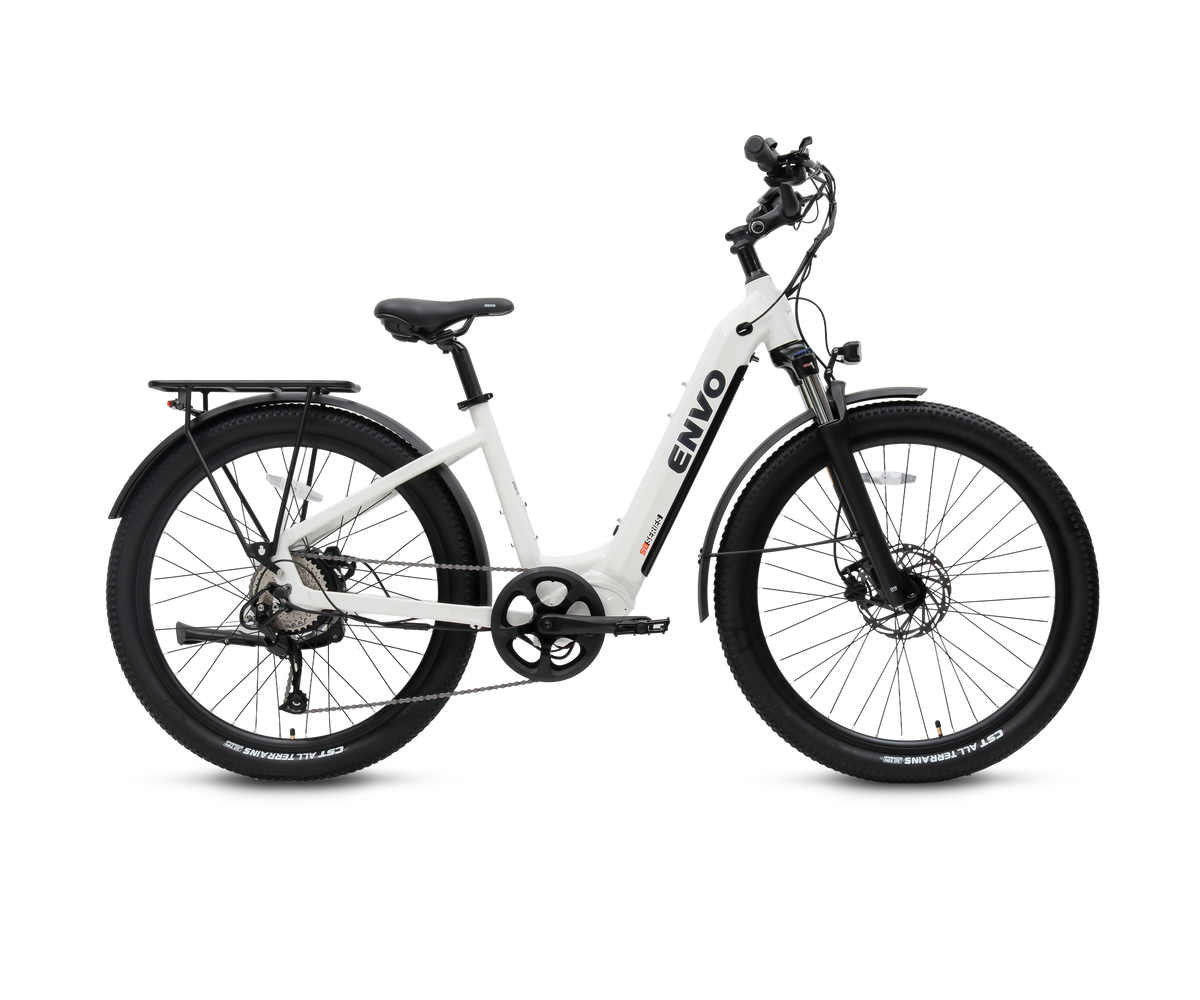
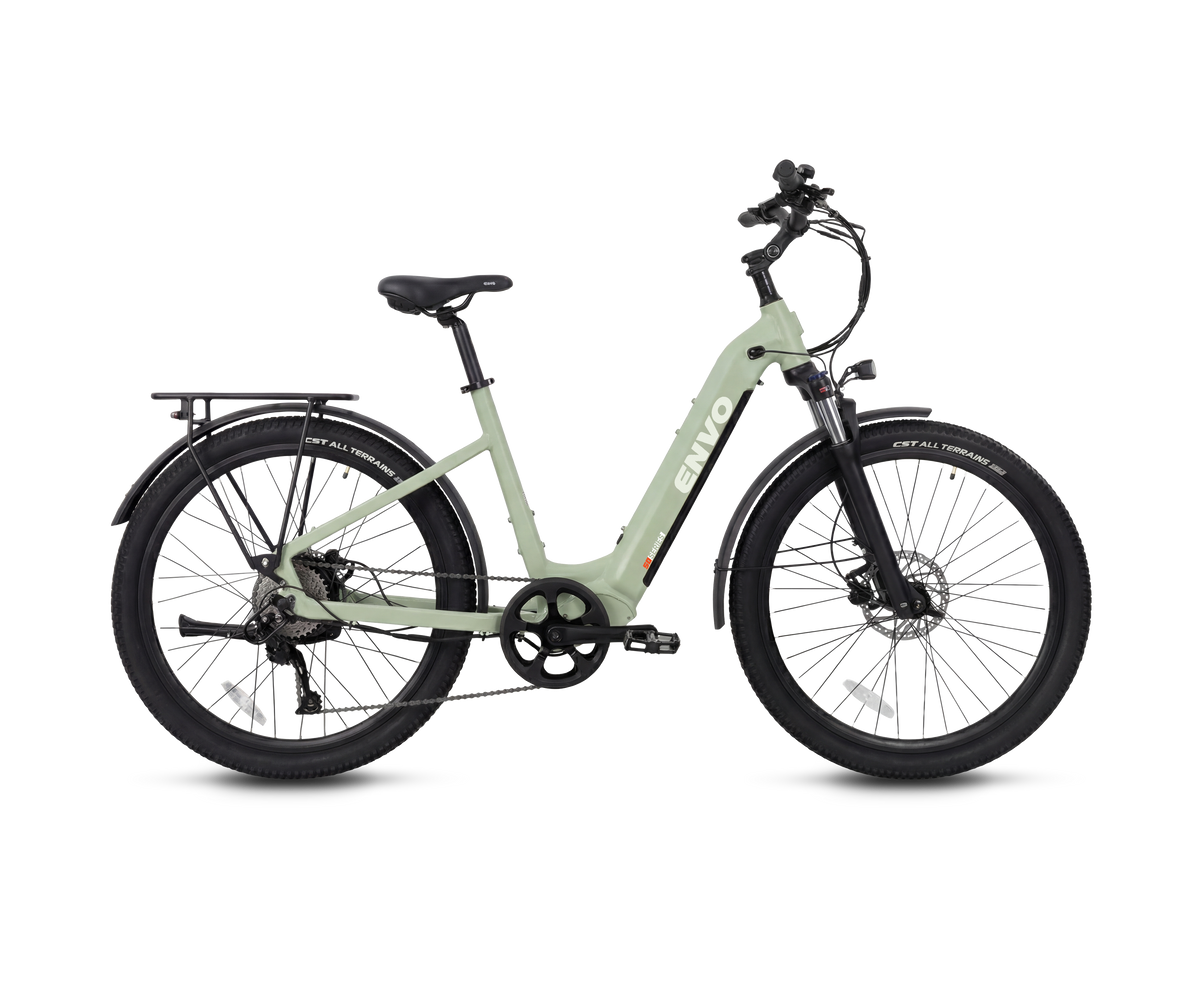
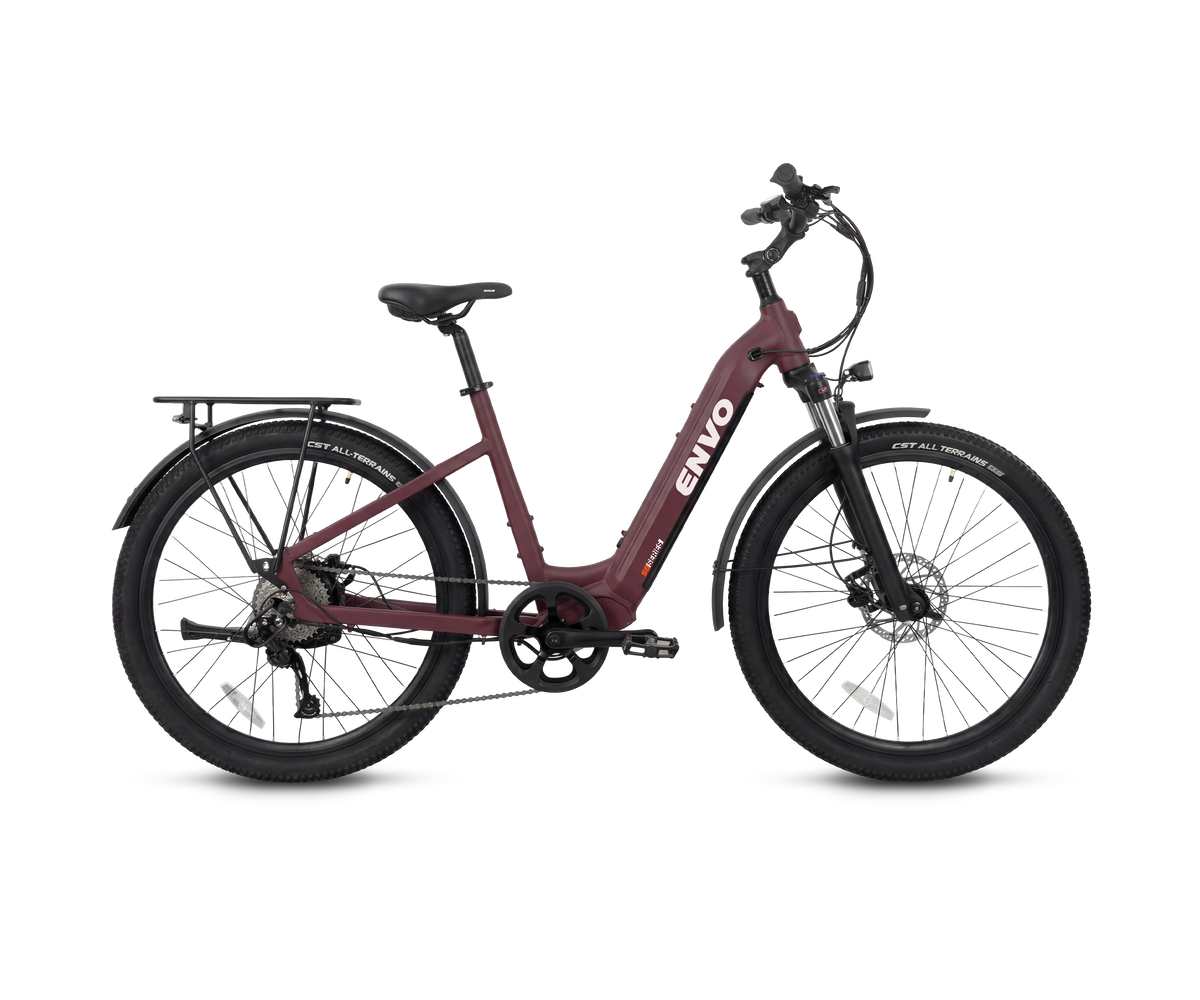
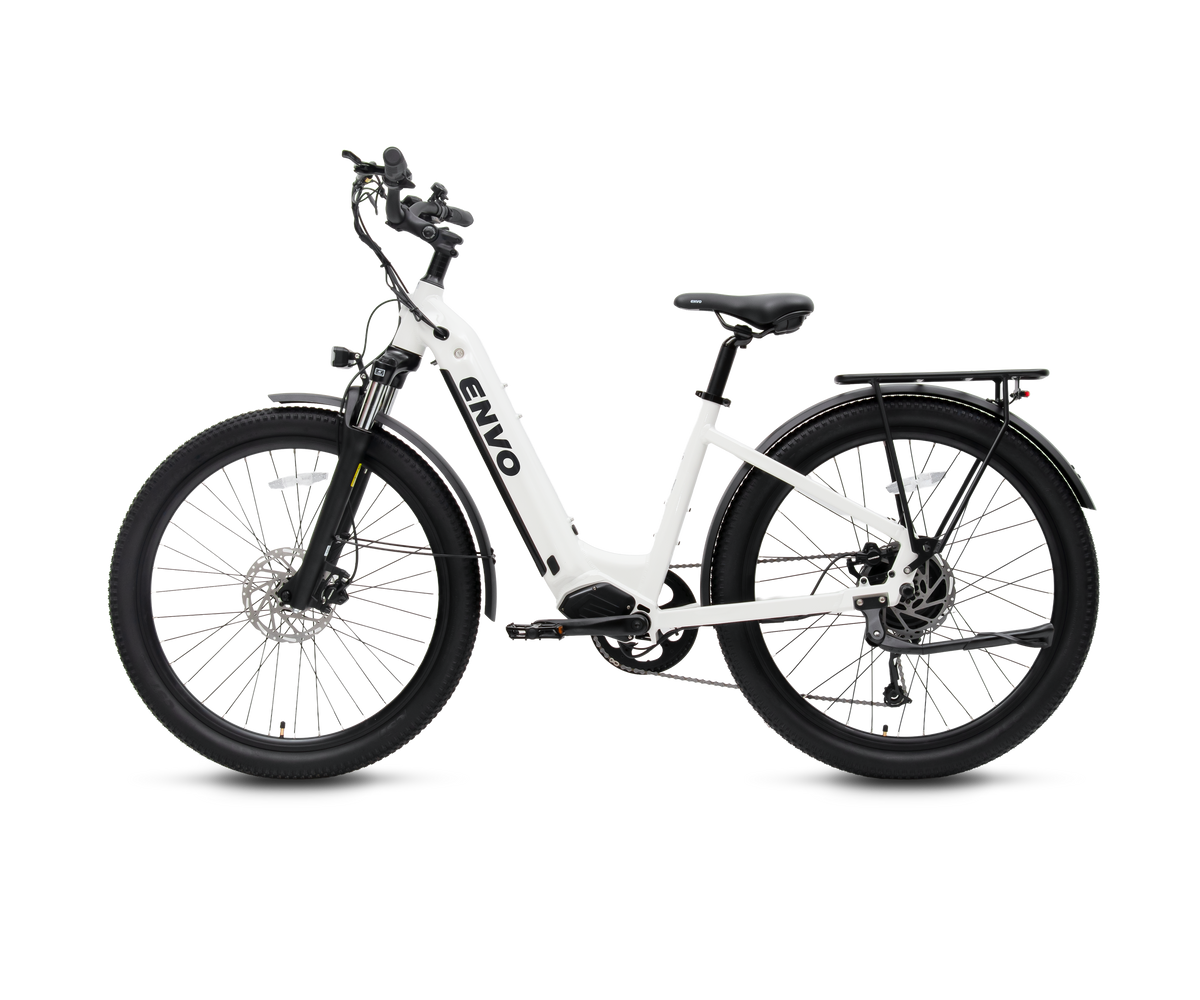
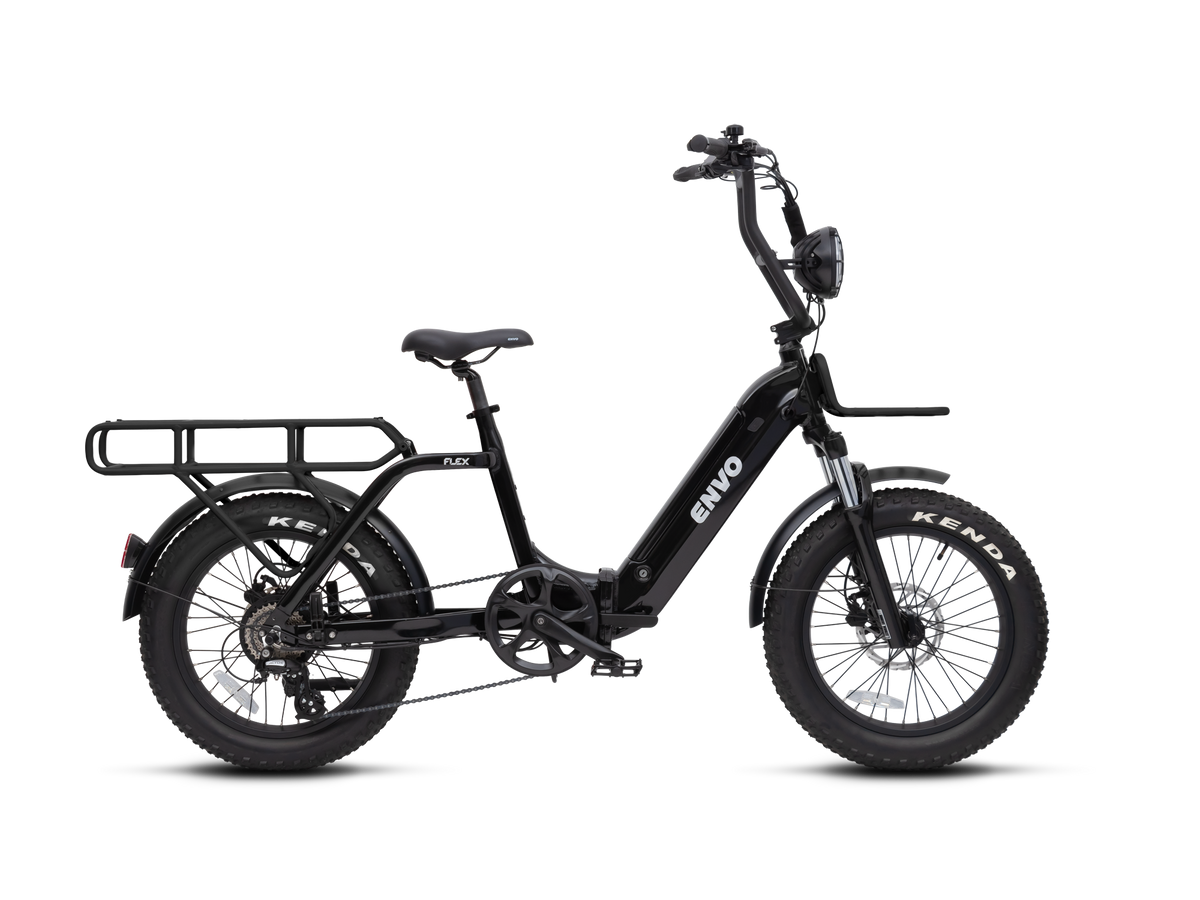
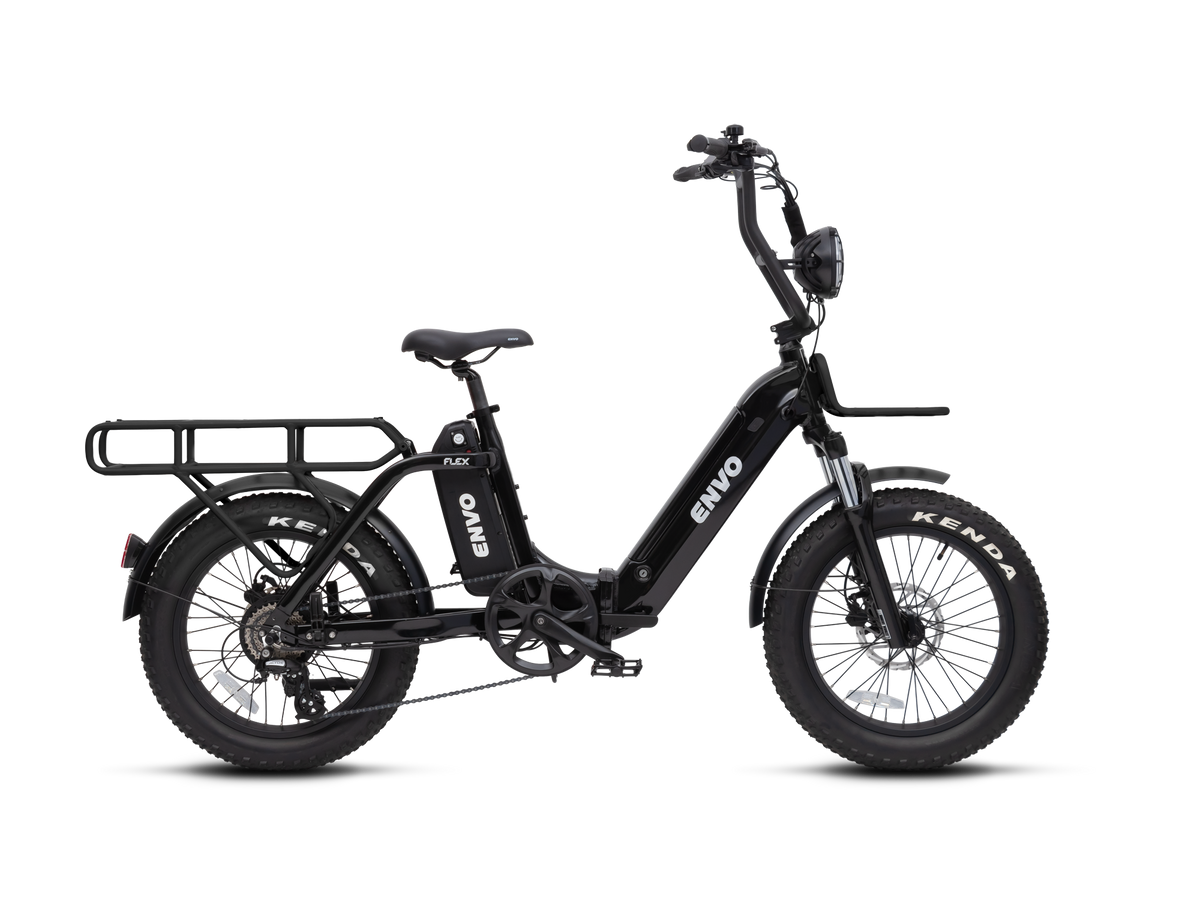
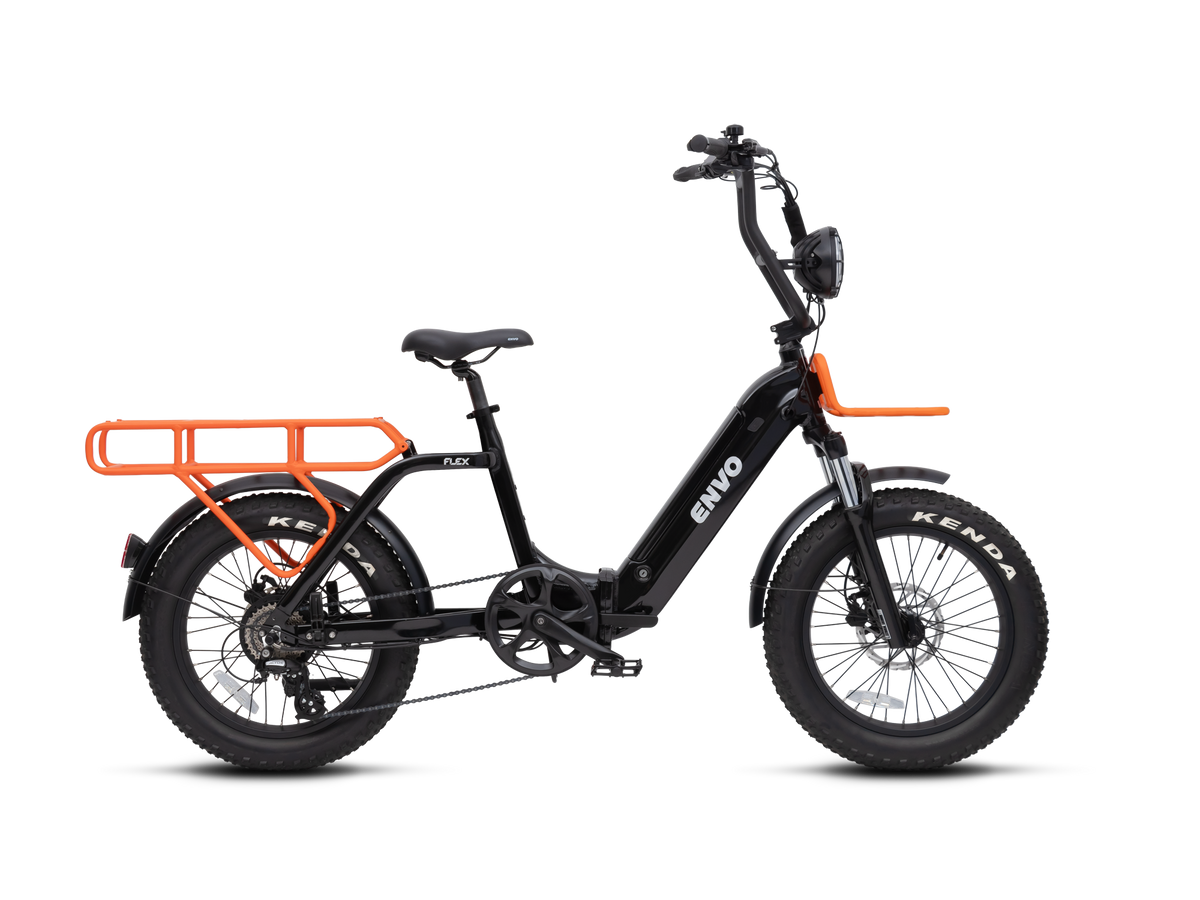
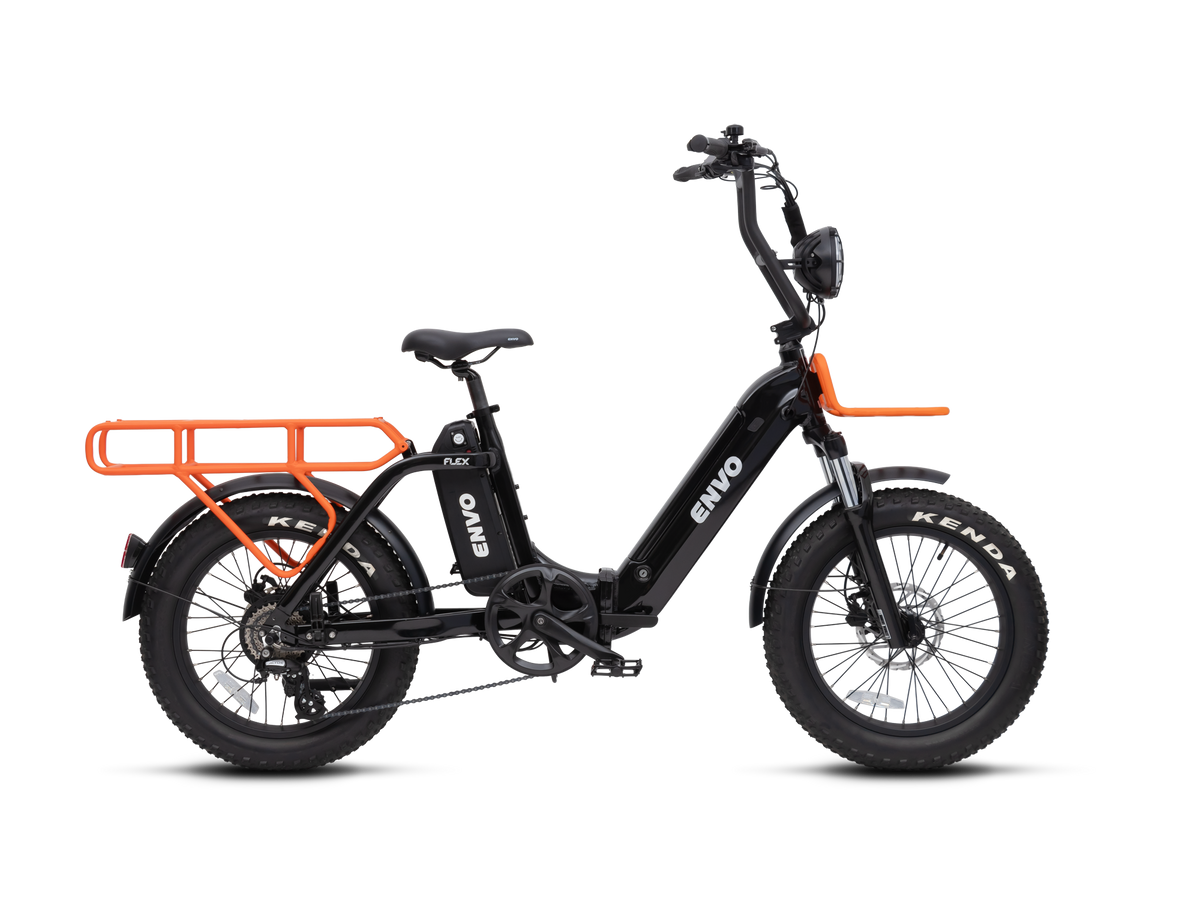
ENVO Drive Systems has a visible Burnaby, BC address (1685 Ingleton Ave) and presents itself as a Canadian engineering and mobility company. ENVO-related Canadian retail content consistently frames the bikes as designed and engineered in Canada with Burnaby-based operations.
That doesn't automatically mean every ENVO component is Canadian-made. In modern eBikes, where motors, controllers, displays, and battery cells are produced by specialized global suppliers, that would be unrealistic to claim. But it does mean the company's Canadian operational identity is more direct and more transparent. Models such as the ENVO D50, the ENVO Lynx 20, and the ENVO ST50 are assembled in BC by ENVO Drive Systems itself.
Aima, by contrast, is best described as a large Chinese manufacturer selling into Canada through an exclusive distributor and dealer network. That's a legitimate model, but a different model.
The Manufacturing Footprint Compared
- Aima's strength: manufacturing scale, established global production, decades of two-wheel manufacturing expertise
- ENVO's strength: clearer Canadian operational presence, local assembly, direct accountability
- Aima's gap: no Canadian manufacturing or assembly footprint
- ENVO's gap: smaller scale than a global giant; components still globally sourced
If you want safety-certified Canadian-assembled options specifically, the UL-certified e-bike collection and the commuter e-bike buyer's guide are good places to compare across formats.
Frequently Asked Questions
The Bottom Line
Aima eBikes should be understood as made in China, or within Aima's wider Asian manufacturing network spanning China, Indonesia, and Vietnam. The Canadian site does not clearly foreground country-of-origin disclosure on the verified consumer-facing pages. Bafang motors and LG cells are meaningful component signals, but they don't change the likely manufacturing origin of the finished bike.
If you want Canadian operational depth and local assembly, Aima is not the same kind of buy as a Burnaby-based brand like ENVO. Aima is a legitimate global manufacturer. But if local manufacturing identity matters to you, ask harder questions before you buy — and consider the Canadian-assembled alternatives at EbikeBC.
In short: Aima is real. But Aima is not Canadian-made, and the Canadian-facing materials don't always make that easy to see.
Want a Canadian-Assembled E-Bike?
Explore the Canadian-assembled ENVO lineup — designed, engineered, and built in Burnaby, BC, with a clear country-of-origin story and a direct manufacturer warranty.
Disclaimer: This article is for informational purposes only and reflects publicly available information as of May 2026, including Aima Technology Group's published annual disclosures and the consumer-facing content on aimamobility.ca. Manufacturing footprints, distribution arrangements, and country-of-origin disclosures may change. We are not affiliated with Aima Technology Group, Aima Mobility Canada, or UNIVELO. Always verify current product origin and terms directly with the manufacturer or distributor before purchasing.