Aima Big Sur Alternatives for Canadian Buyers (2026)
Big Sur is a clean dealer-sold package — but the fat-tire/all-terrain category in Canada has stronger options once you prioritize dual-battery growth, Class 3 capability, and Canadian roots.
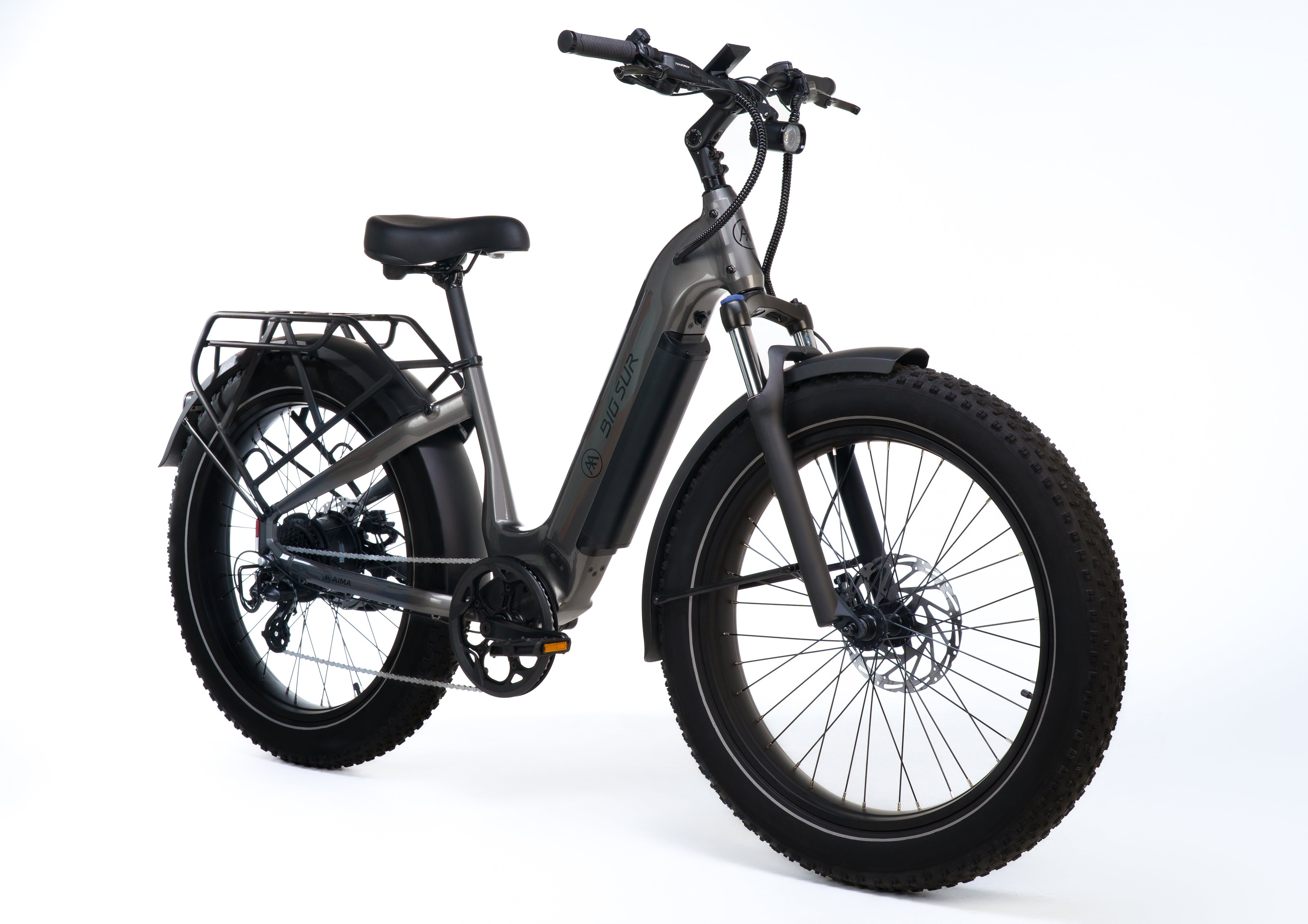
Table of Contents
Why Look Beyond Big Sur?
If you're shopping the AIMA Big Sur family in Canada in 2026, you're probably looking for one of four things: a fat-tire all-terrain bike, a more compact 20-inch utility-style bike, a step-thru with a stable ride feel, or a cargo-capable machine that can handle rougher surfaces than a pure urban commuter.
AIMA has built a coherent lane here. In Canada, the Big Sur range includes the Big Sur G2 15Ah 26", Big Sur Sport G2 15Ah 20", and Big Sur Cargo in 15Ah and 20Ah versions, with pricing in the broader AIMA lineup landing between about C$2,590 and C$3,290. Across the line, AIMA uses Bafang 500W rear hub motors, Bafang torque sensors, Shimano drivetrains, Tektro 203mm hydraulic brakes, and 720Wh battery architecture built with LG cells, while advertising UL 2849 compliance.
That's a respectable package. The reason to look elsewhere is not that Big Sur is bad. It's that Canadian buyers often want one of three things AIMA does not currently emphasize: longer-range modularity through dual batteries, Class 3 capability, or stronger domestic assembly/operating roots. Here are the best alternatives — many drawn from the EbikeBC Canadian-assembled lineup.
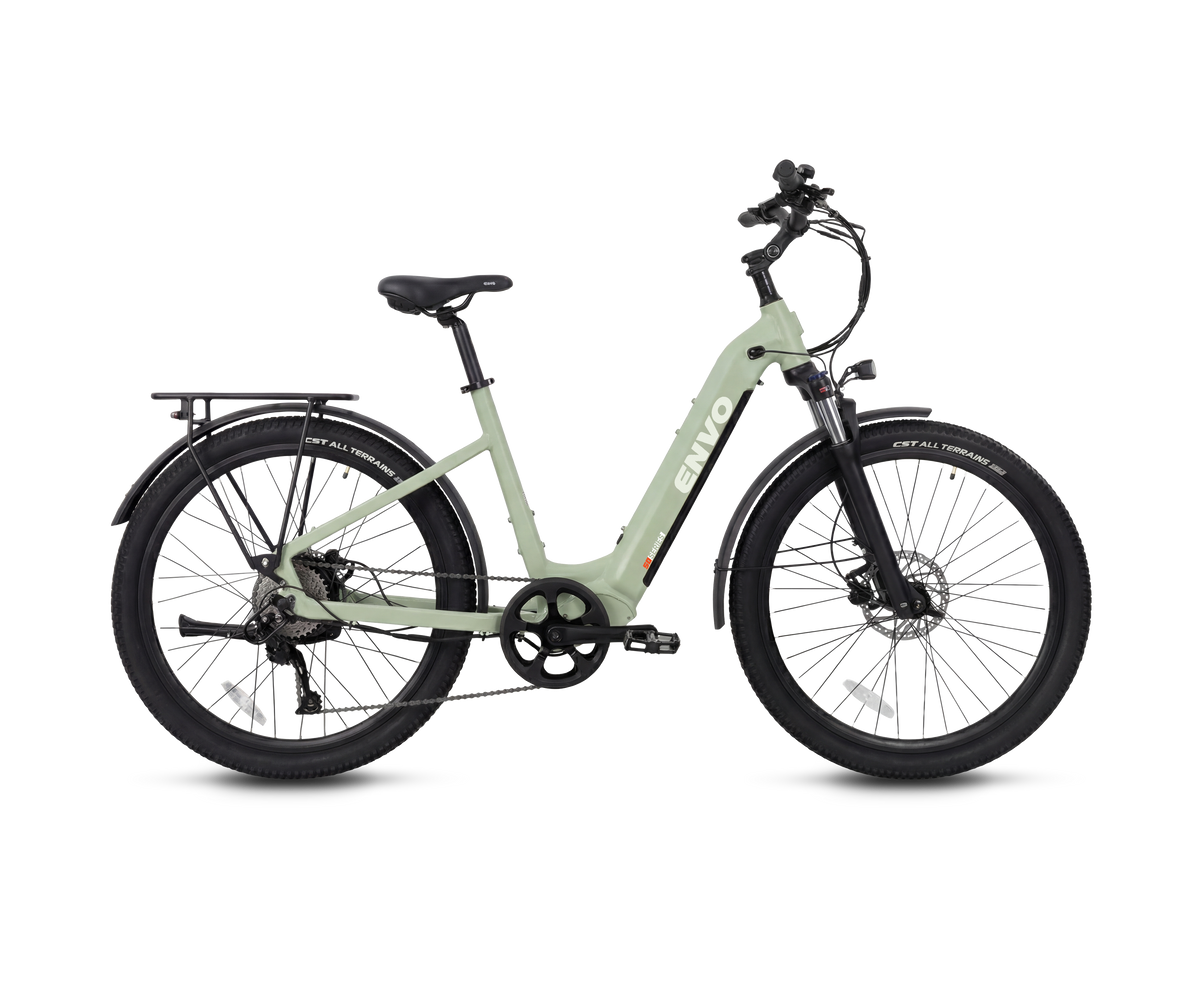
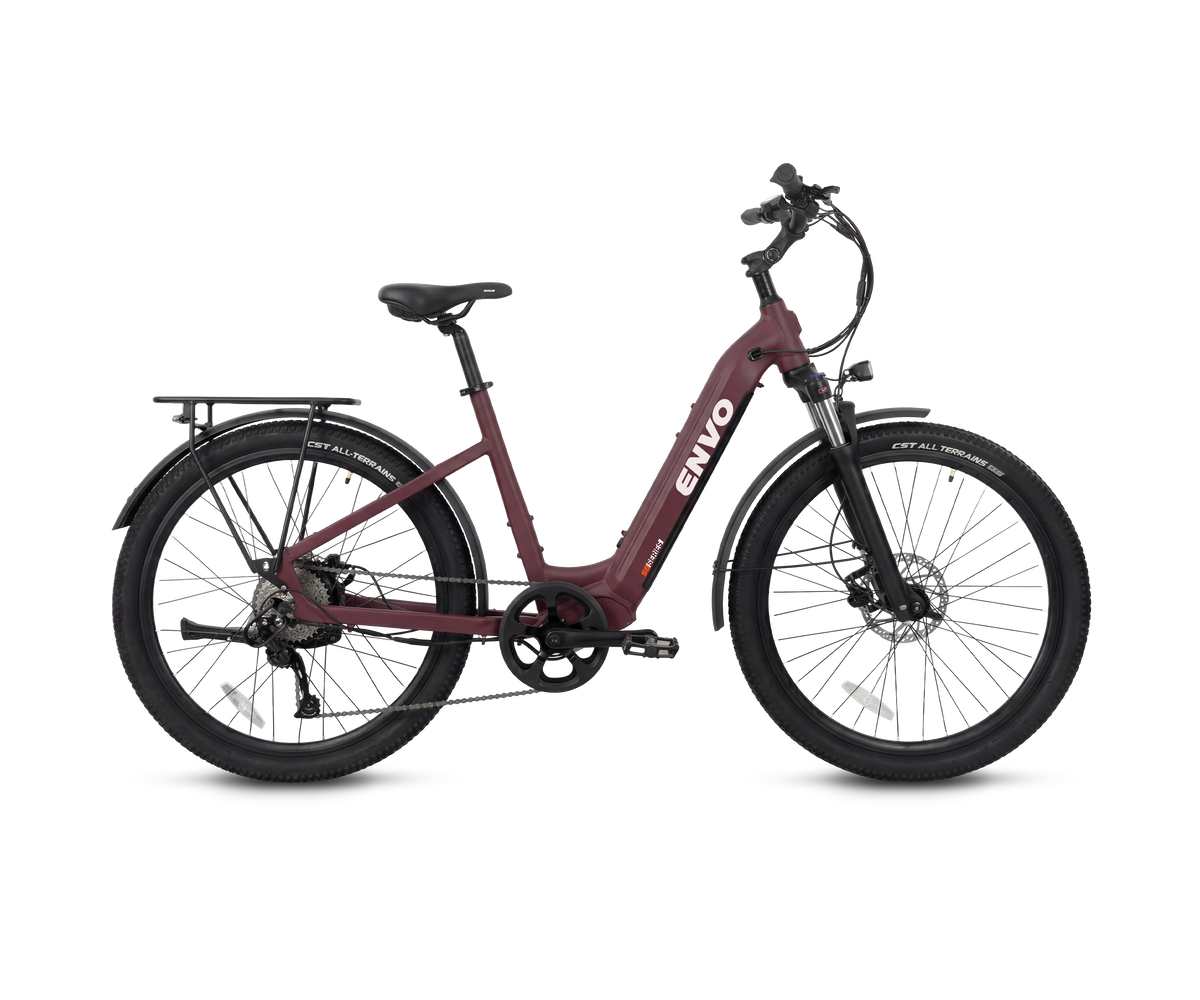
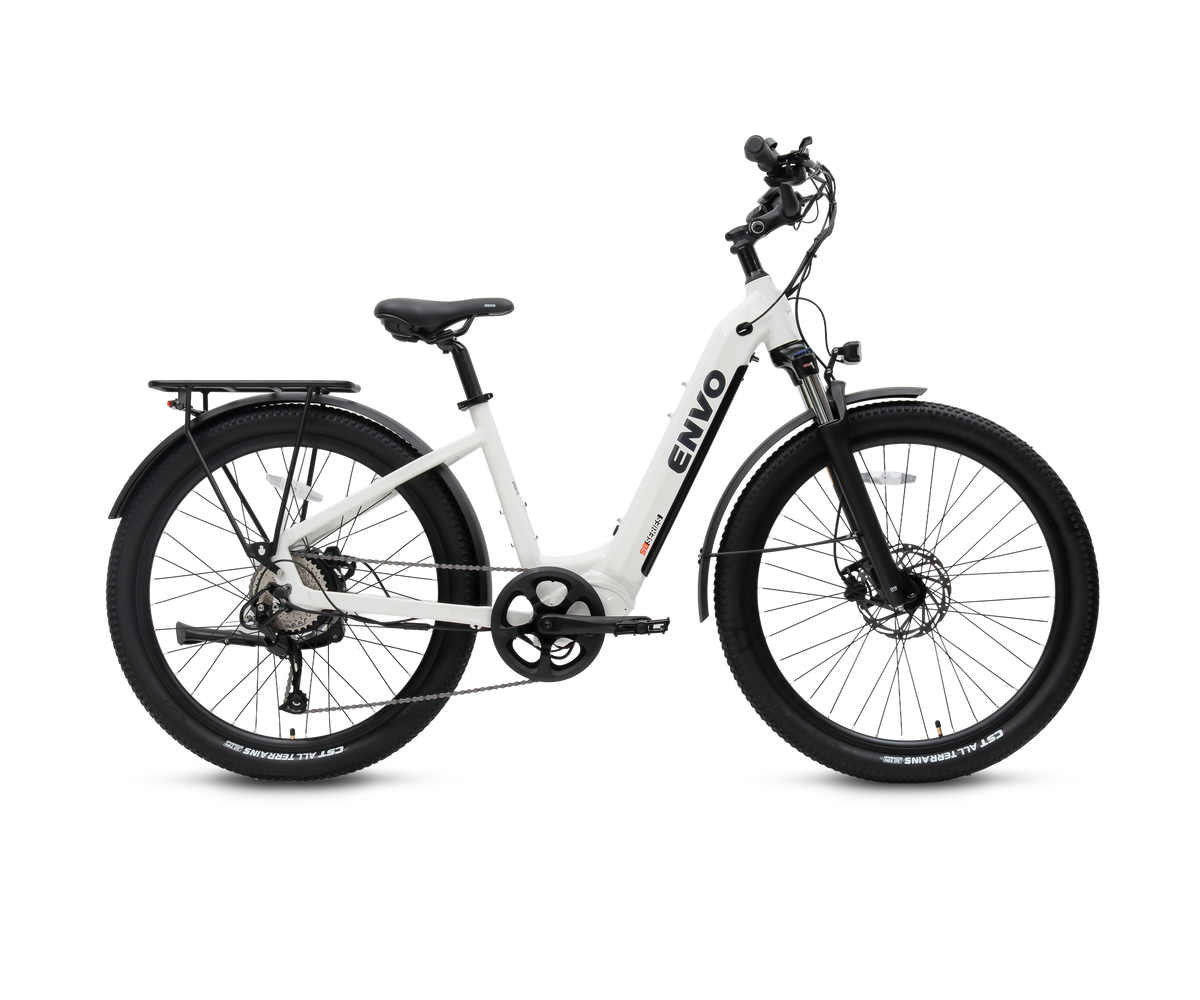
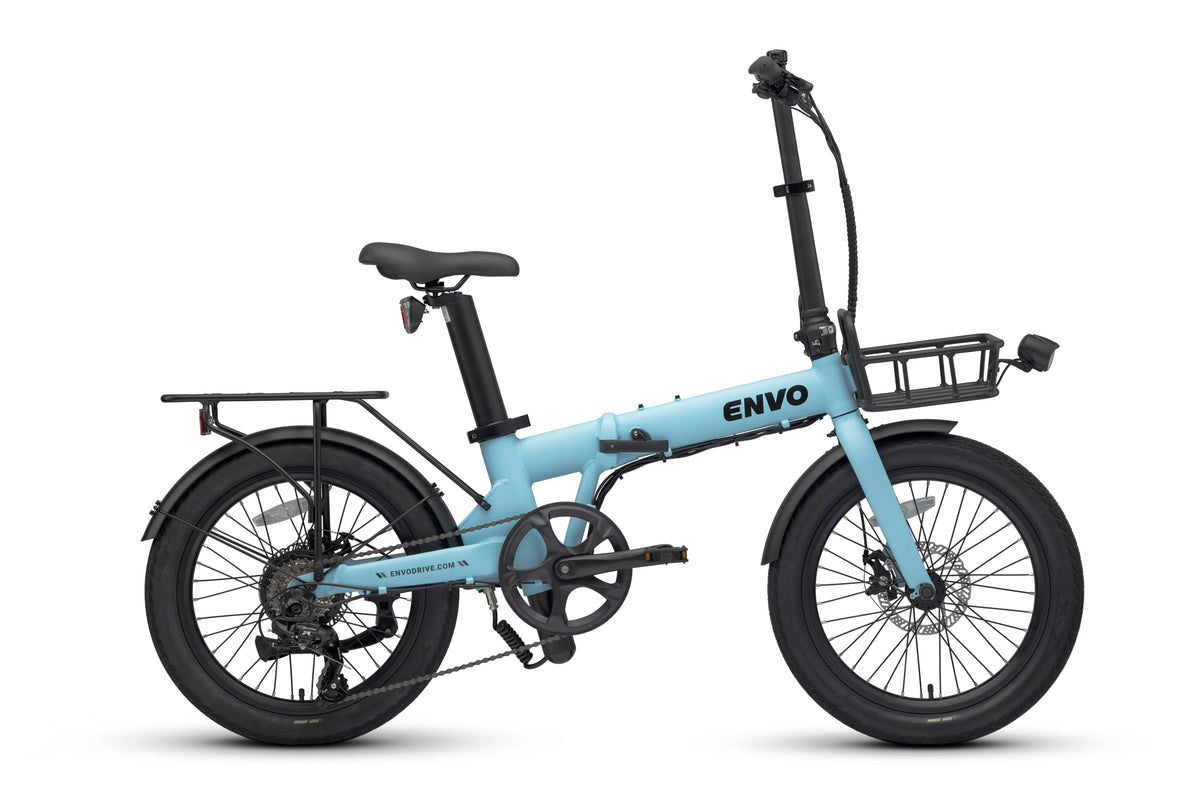
1. ENVO D50
ENVO D50
Same "go almost anywhere" mission as Big Sur G2 — plus Class 3 capability, dual-battery support, and publicly listed UL 2849 status.
The ENVO D50 is the strongest all-around alternative to the Big Sur G2 and Big Sur Sport. Conceptually, it plays in the same "go almost anywhere, commute during the week, explore on weekends" category. Where it gets more interesting is the weight gap, the geometry, and the flexibility.
The 9-kilogram weight gap. The ENVO D50 weighs 28 kg. The Aima Big Sur G2 weighs 37 kg. The Big Sur Sport G2 is also 37 kg. That's a 9-kilogram gap — the kind of difference you feel every time you push the bike up a ramp, hoist it onto a rack, walk it through a doorway, or carry the front wheel over a curb. The D50 is almost a quarter lighter than the Big Sur G2. For a fat-tire bike that buyers often store in a garage, lift onto a hitch rack, or wrestle into an elevator, this is the single biggest practical difference between the two platforms.
ENVO explicitly supports a dual-battery setup on D50, publicly lists UL 2849 certification for D50/ST50 (see the UL-certified collection), and states in its manual that D50/ST50 can be configured as Class 3.
Ride feel is the other under-discussed difference. ENVO's pedal-assist responsiveness has been tuned across years of Canadian rider feedback — multiple owner reviews specifically call out how natural and intuitive the assist feels. Aima uses Bafang's off-the-shelf tuning, which is fine but generic. That's not a spec-sheet item; it's a test-ride one. ENVO's frame geometry is also designed around North American sizing — taller average heights, longer torsos — while Aima frames carry signs of being designed for the Chinese domestic market, where average rider stature and seating positions trend smaller. Subjectively, the D50 also has a sleeker, more considered visual design; the Big Sur family is more utilitarian and bulky, partly because of that 9-kilo weight delta.
That matters because AIMA's Big Sur formula is strong but closed. You get a very nice stock package, but not much expansion room beyond accessories and replacement parts. The D50 feels more future-proof for riders who are not yet sure whether they will stay casual or become high-mileage e-bike users.
AIMA still has an argument here. The Big Sur G2 is a clean, polished dealer bike backed by a major company founded in 1999, with Aima Technology Group generating RMB 21.61 billion in 2024 revenue. Worth knowing: that parent company is Chinese, the North American headquarters is in City of Industry, California, and there is no Aima legal entity in Canada — the Canadian operation runs through UNIVELO in Quebec. If the buyer wants a simpler ownership experience and likes the way AIMA's current package is configured out of the box, Big Sur remains sensible.
But if you're a Canadian buyer thinking in terms of capability growth, weight, ride quality, and structural Canadian roots, the D50 is usually the better pick.
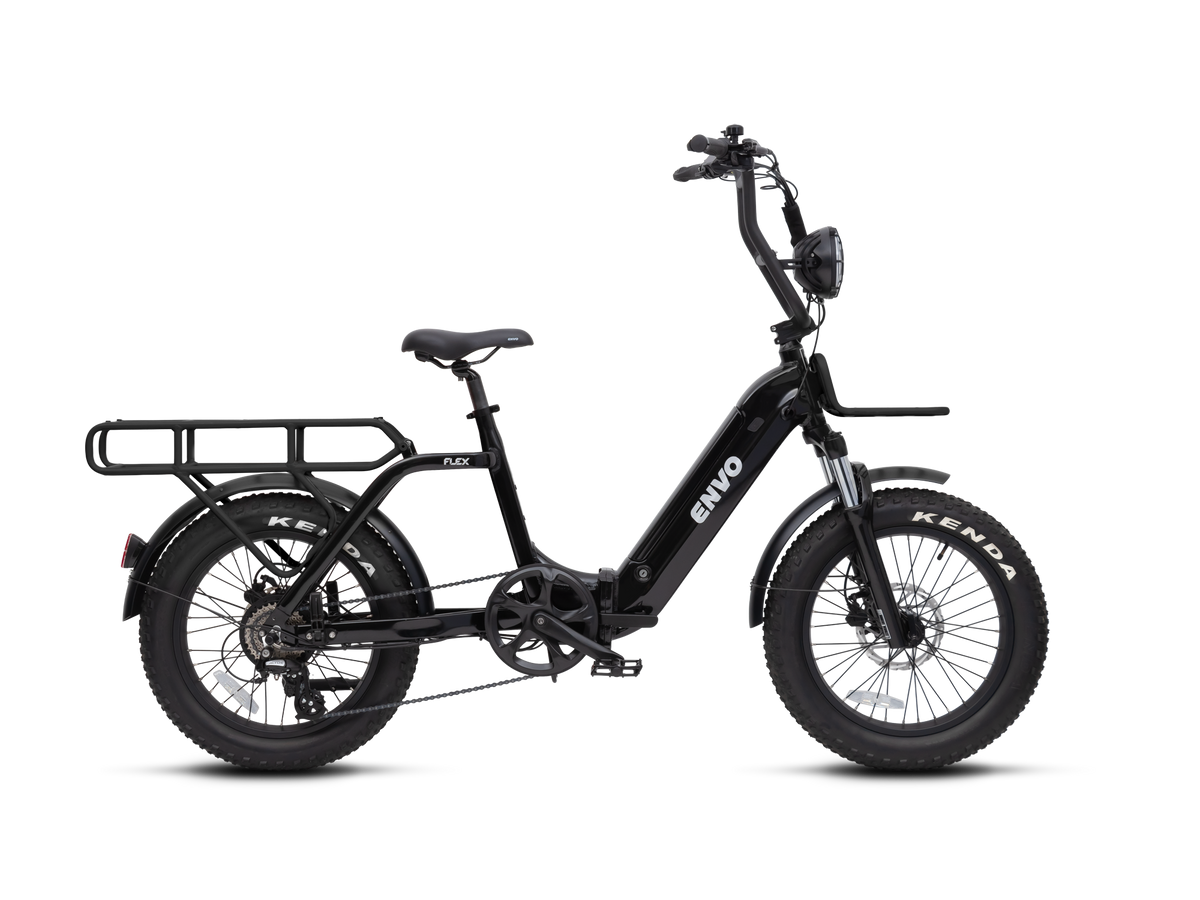
2. ENVO U50
ENVO U50
Family/cargo-first design philosophy with dual-battery support, 48V 15Ah LG battery, and Canadian assembly.
The ENVO U50 is the best alternative if you're specifically looking at the Big Sur Cargo 15Ah or 20Ah. On paper, the Big Sur Cargo is appealing because AIMA keeps the entry price relatively accessible while offering a higher-capacity 20Ah variant up to C$3,290. For buyers doing errands, occasional deliveries, or light family use, that's meaningful value.
The weight wedge is meaningful here too: the ENVO U50 is 32 kg, vs the Big Sur Cargo at 36 kg — a 4-kilogram gap on a class of bike where every kilo matters at low speed and during loading. The U50 is also a more purpose-built family cargo proposition. ENVO describes it as a family and cargo electric bike, offers a dual-battery setup, and specifies a 48V 15Ah LG battery in the platform. ENVO also calls it the only cargo e-bike in its category built in Canada, with a full convertible accessory system. Even allowing for some brand marketing language, that signals a more cargo-first design philosophy than AIMA's cargo adaptation of the Big Sur formula. Compare it alongside the rest of the cargo e-bike collection.
Who should still choose AIMA? Buyers with modest cargo needs and tighter budgets. If you do not need maximum family-duty flexibility and just want a stable utility bike with a good parts spec, Big Sur Cargo still works. But if your cargo bike is replacing routine car use, the U50 is hard to ignore.
3. VoltBike Bravo
VoltBike Bravo is a natural alternative for Canadians who like the Big Sur idea but want to shop another Canadian brand. VoltBike presents itself as a proud Canadian business in British Columbia, and Bravo remains one of the familiar names in the Canadian fat-tire scene.
The basic appeal versus AIMA is straightforward: same broad fat-bike use case, different brand philosophy. AIMA's Canada model is exclusive distribution through UNIVELO and partner retailers; VoltBike leans more direct. That means AIMA may still suit buyers who want shop-led setup and a conventional dealer path. VoltBike often suits buyers who are a bit more self-directed and price-aware.
The choice comes down to ownership style as much as spec. If you value dealer mediation, AIMA wins points. If you want a recognizable Canadian direct brand in the same general category, Bravo deserves a test ride or at least a serious comparison.
4. Velotric Discover
The Velotric Discover-type category is worth considering if your attraction to Big Sur is less about "fat tires specifically" and more about wanting a comfortable, upright all-purpose e-bike. For many riders, a true fat bike is overkill unless snow, deep gravel, or very rough surfaces are part of the plan. A more city-biased comfort bike can feel lighter, faster, and easier to live with.
This is where Big Sur can lose some buyers. It is capable, but capability can come with extra bulk. If your riding is 80% pavement and 20% rough shortcuts, a more commuter-leaning all-road bike may simply make more sense. Browse the urban commuter e-bike collection if a leaner package fits your week better.
AIMA still wins for riders who truly want the planted, forgiving feel of fat rubber and the visual confidence that comes with it. But not every Big Sur shopper actually needs a fat-tire bike.
5. Aventon Aventure 3
Aventon Aventure 3 is another obvious comparison point in the fat-tire adventure category. The key reason it belongs on this list is buyer type: people who want a modern mainstream fat-tire e-bike with broad North American visibility and a more performance-leaning image.
Against that, AIMA's Big Sur remains a value-forward, comfort-biased option with a very decent standard spec and Canadian retailer distribution. So the Aventure-type alternative is not automatically "better." It is often simply better-known among enthusiasts.
If you want a less crowded ownership path and appreciate the consistent Bafang/Shimano/Tektro formula, Big Sur remains defensible. If you want a high-profile alternative in the adventure-fat-tire lane, Aventon belongs on the shortlist.
6. Surface 604 Boar
Surface 604 Boar is probably the most culturally "Canadian e-bike alternative" to Big Sur on this list. Surface 604 has long been part of the Canadian e-bike conversation, and the Boar sits squarely in the all-terrain fat-bike category. That means it competes directly for buyers who want a bike that can commute, explore gravel, and deal with imperfect weather.
Compared with AIMA, Boar-type alternatives may appeal more to riders who want an established Canadian-market name and are building a shortlist around "local familiarity first, spec sheet second." AIMA, by contrast, may appeal more to buyers who are comfortable with a newer Canadian market entry because the underlying global parent is enormous and financially substantial. A quick read of the ultimate electric bike buying guide can help you weigh the trade-off.
Which buyer should skip Big Sur?
You should probably skip the Big Sur family if you need any of the following:
Reasons to look elsewhere
- Weight sensitivity — the Big Sur G2 is 37 kg vs the D50's 28 kg, a 9-kilogram gap
- Class 3 capability — Big Sur isn't positioned there in Canada
- Dual-battery expansion — Aima doesn't currently offer it
- A purpose-built family cargo platform — the ENVO U50 is the better fit
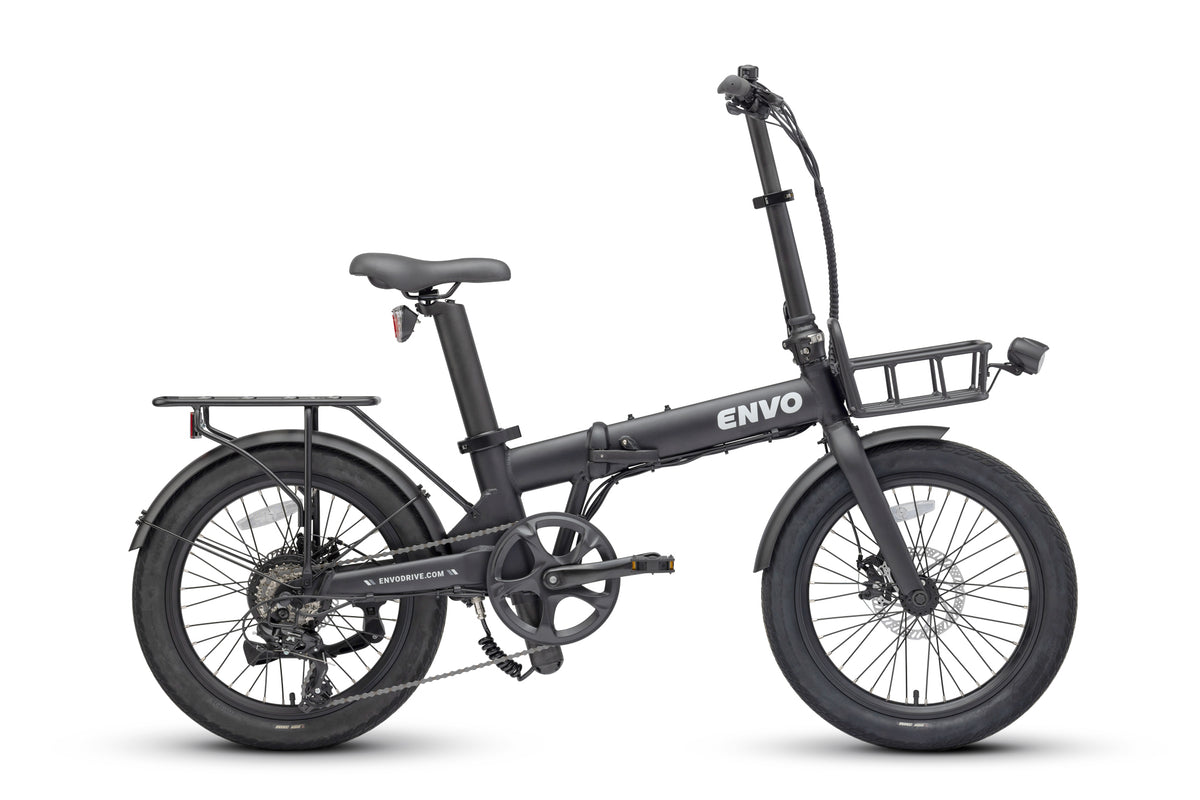
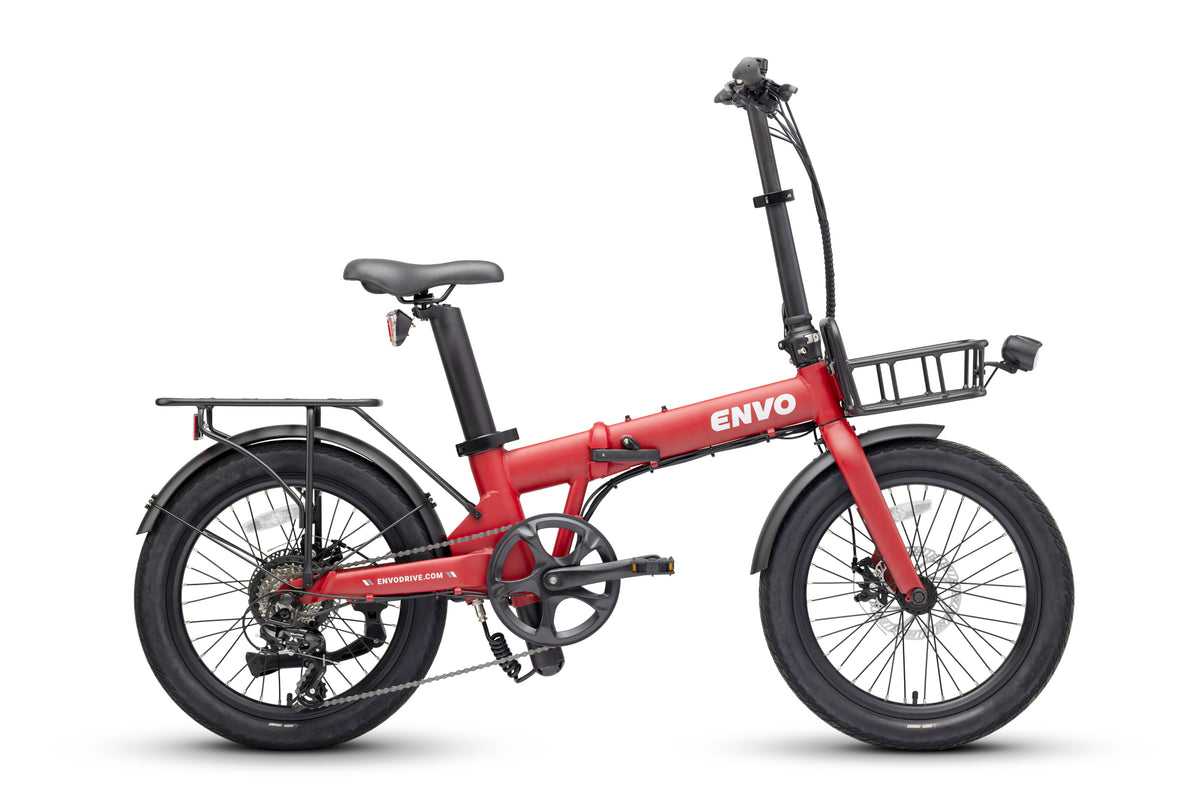
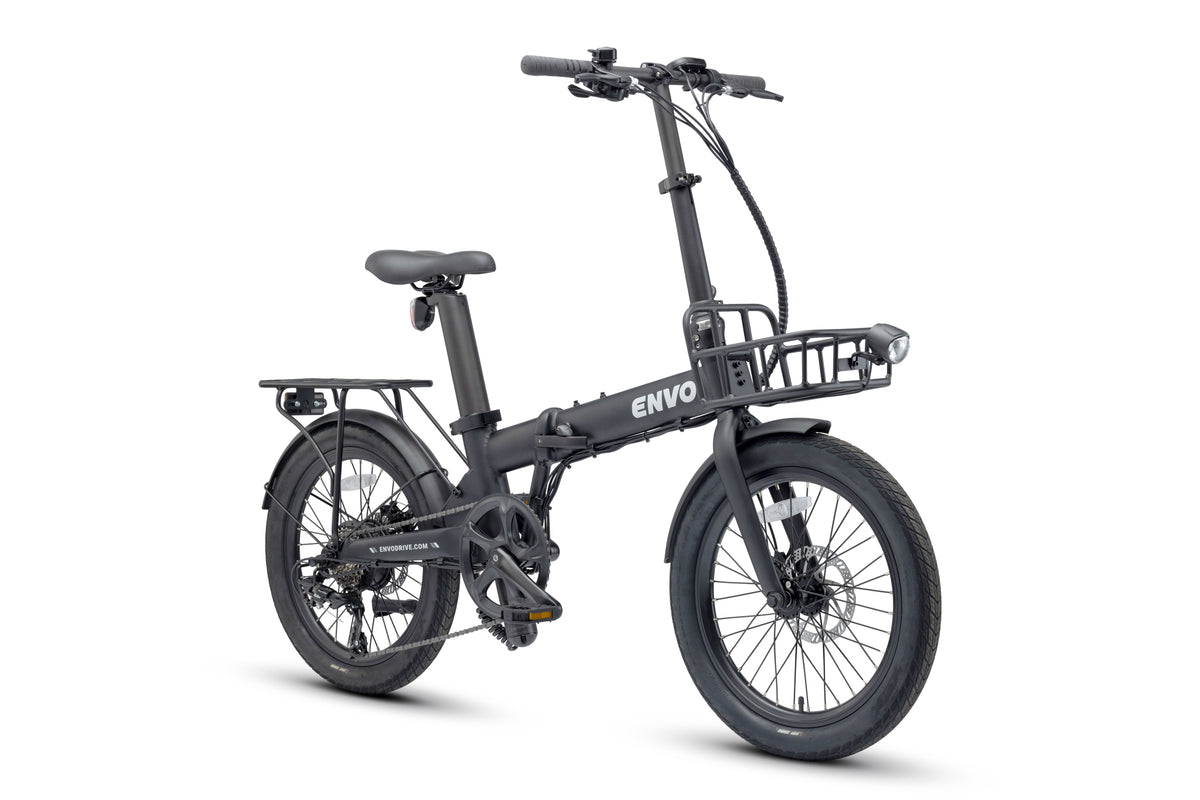
- A folding option — see the ENVO Lynx 20
- Frame geometry tuned for North American riders rather than the Chinese domestic market
- Buying Canadian — no Aima entity in Canada (North American HQ is in City of Industry, California); ENVO is Canadian-owned and Burnaby-assembled
On the other hand, Big Sur still makes sense if you want a well-equipped, dealer-sold fat-tire or utility e-bike with familiar component branding and competitive pricing.
FAQ
Final Verdict
For most Canadian buyers cross-shopping the AIMA Big Sur range in 2026, ENVO D50 is the best alternative overall, and ENVO U50 is the best cargo-specific alternative. VoltBike Bravo is the strongest Canadian direct-style alternative, while Surface 604 Boar, Aventon Aventure 3, and Velotric Discover broaden the shortlist depending on whether your priorities are local brand familiarity, enthusiast popularity, or all-purpose comfort.
AIMA Big Sur is still a reasonable buy, but it is rarely the category leader once you prioritize flexibility and long-haul ownership options in Canada. For a deeper read on Aima's Canadian structure, see "Is Aima eBikes a Canadian Company?"
Skip the Big Sur — Test the D50 Instead
The ENVO D50 covers the same fat-tire all-rounder mission with dual-battery support, Class 3 capability, and Canadian assembly in Burnaby, BC.
Disclaimer: This article is for informational purposes only and reflects publicly available information as of May 2026, including AIMA's UNIVELO-distributed Canadian product pages, ENVO's manufacturer-published specifications, dual-battery and Class 3 documentation, and UL 2849 certifications. Pricing in CAD is approximate. We are not affiliated with Aima Technology Group, UNIVELO, VoltBike, Velotric, Aventon, or Surface 604. Always verify current product configurations and warranty terms with the manufacturer or distributor before purchasing.