



Can You Charge a Lectric eBike in a Canadian Condo?
Condo and strata rules around e-bike charging are tightening. Here's whether a Lectric will pass your building's approval process.

Table of Contents
Condo Rules Are Tightening Across Canada
If you live in a condo, apartment, or strata-managed building in Canada, you've probably noticed a shift. What was once a non-issue — bringing an e-bike into your unit and plugging it into a wall outlet — is increasingly subject to building rules, strata bylaws, and insurance requirements. And the trend is accelerating.
Across Vancouver, Toronto, Montreal, and Calgary, condo boards and property management companies are implementing new policies around e-bike storage and charging. Some buildings require specific safety certifications. Others restrict charging to designated areas with fire suppression equipment. A growing number have banned indoor e-bike charging entirely.
The driving force behind these changes is lithium-ion battery fires. High-profile incidents involving e-bikes and e-scooters — particularly in New York City, where fires from uncertified devices caused multiple fatalities — have made building managers, insurance companies, and strata councils acutely aware of the risks associated with lithium-ion battery charging in multi-unit residential buildings. Canada hasn't experienced the same frequency of incidents, but the regulatory and insurance response has arrived nonetheless.
For Canadian e-bike buyers who live in multi-unit buildings, this means one more factor to evaluate before purchasing: will your building actually let you charge this bike?
The Condo Charging Problem
The challenge for condo-dwelling e-bike owners comes down to a collision between convenience and risk management. Charging an e-bike battery is, in practical terms, similar to charging a laptop or a power tool — plug it in, wait a few hours, unplug it. The difference is scale. An e-bike battery contains significantly more stored energy than a laptop battery, and the consequences of a thermal runaway event (the technical term for a lithium-ion battery fire) are proportionally more severe.
How Canadian buildings are responding:
• Many condo boards now require UL 2849 certification as a minimum condition for indoor charging
• Some strata councils in BC have banned all e-bike charging in units, parkades, and common areas
• Insurance companies are adding e-bike charging exclusions or requiring proof of certification
• New condo developments are increasingly including dedicated e-bike charging stations with fire suppression
• Some buildings require written approval from the strata council before any e-bike can be charged on premises
The specific requirements vary enormously from building to building. There is no single national or provincial standard that all buildings follow. Some boards are well-informed and have specific, certification-based criteria. Others have blanket bans driven by liability concerns. And many are still developing their policies, which means the rules could change after you've already purchased a bike.
Lectric's UL 2849 Status
Here's where Lectric has a genuine advantage over many competing budget e-bike brands: their current models carry UL 2849 certification. This is the comprehensive safety standard that covers the complete e-bike electrical system — battery, motor controller, charger, and wiring — as an integrated unit.
Genuine positive: Lectric's current model lineup carries UL 2849 system certification. This means the complete electrical system has been tested to recognized North American safety standards, including protections against overcharging, short circuits, and thermal events. For buildings that require UL 2849, a current-model Lectric can meet that specific requirement.
This certification is not easy to obtain. It requires submitting the complete electrical system — not just the battery, but the entire chain from charger to motor — for testing by a UL-recognized laboratory. The testing includes destructive tests, environmental stress tests, and electrical fault simulations. Many budget e-bike brands have not achieved this certification, which means Lectric's status here is a meaningful differentiator.
For condo boards that have adopted a simple, certification-based policy — "UL 2849 or no charging" — a current-model Lectric meets the threshold. This alone may resolve the charging question for many buyers. But certification is only the starting point of some buildings' approval processes.
Certification Isn't the Whole Story
UL 2849 certification addresses whether the electrical system meets recognized safety standards at the time of manufacturing. It doesn't address every question that a cautious condo board or property manager might ask. And some buildings dig deeper than the certificate.
Recall history is public record. Lectric has issued at least one significant recall — approximately 45,000 units were recalled due to a braking issue. This recall was not battery-related; it concerned the mechanical braking system. However, a building manager or strata council member researching Lectric's safety record will find this recall in their due diligence. Even though it's unrelated to the battery or charging, it can create hesitation — particularly for boards that are already cautious about e-bikes in general.
The recall itself was handled responsibly by Lectric — they identified the issue, issued the recall, and provided a remedy. That's how product safety is supposed to work. But perception matters in condo approval processes, and a 45,000-unit recall is a large number that can raise questions regardless of context.
Some boards look beyond the certificate. More sophisticated building management companies and strata councils don't just ask "does it have UL 2849?" They may ask about the manufacturer's track record, the origin of components, the warranty terms, and — increasingly — the sourcing of the battery cells. These are reasonable questions, and how well a buyer can answer them affects the approval process.
The Battery Cell Brand Question
This is where Lectric's transparency gap becomes a practical problem in the condo approval context. As we've documented in our battery analysis, Lectric does not publicly disclose the brand of the lithium-ion cells used in their battery packs.
Potential friction point: Some condo boards and strata councils are beginning to ask about battery cell sourcing as part of their e-bike approval process. Questions like "What brand of cells does it use?" or "Can you provide the cell manufacturer's safety data sheet?" are increasingly common. Because Lectric doesn't publicly disclose their cell brand, buyers may not be able to answer these questions — which can stall or block the approval process, even with UL 2849 certification in hand.
This isn't hypothetical. As building managers become more knowledgeable about lithium-ion battery safety, they're learning that the cell brand is a meaningful indicator of quality and consistency. A battery pack using LG or Panasonic cells carries the implicit backing of a multi-billion-dollar manufacturer with extensive safety testing and quality control processes. A battery pack using undisclosed cells from an unnamed manufacturer doesn't carry that same implicit assurance — even if it passes UL testing.
For a buyer trying to get condo board approval, the inability to answer "what cells are in your battery?" can be the difference between a smooth approval and a lengthy back-and-forth with building management. It's not a dealbreaker in every building, but it's an unnecessary friction point that could be eliminated with simple disclosure.
How Canadian Brands Compare
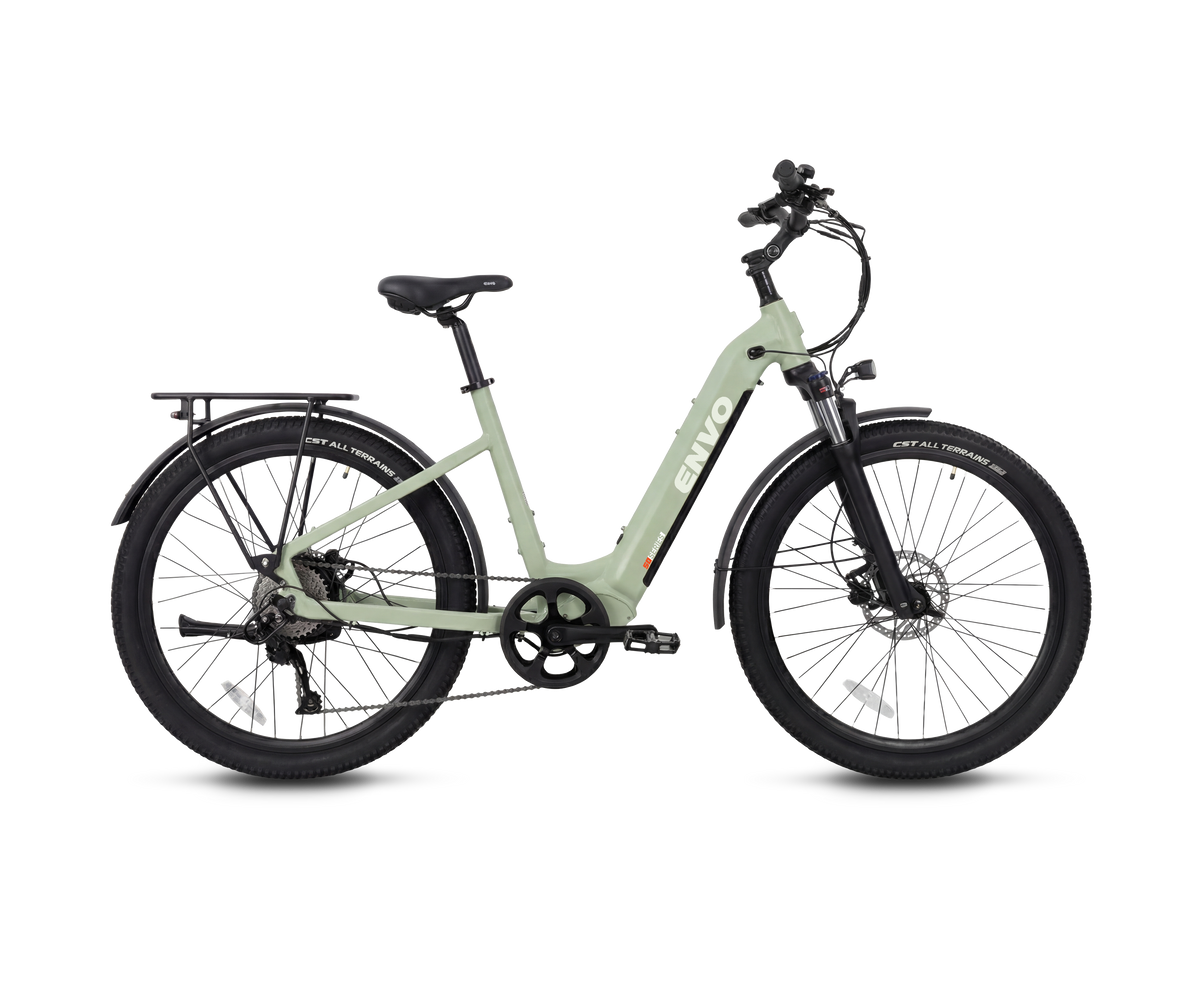
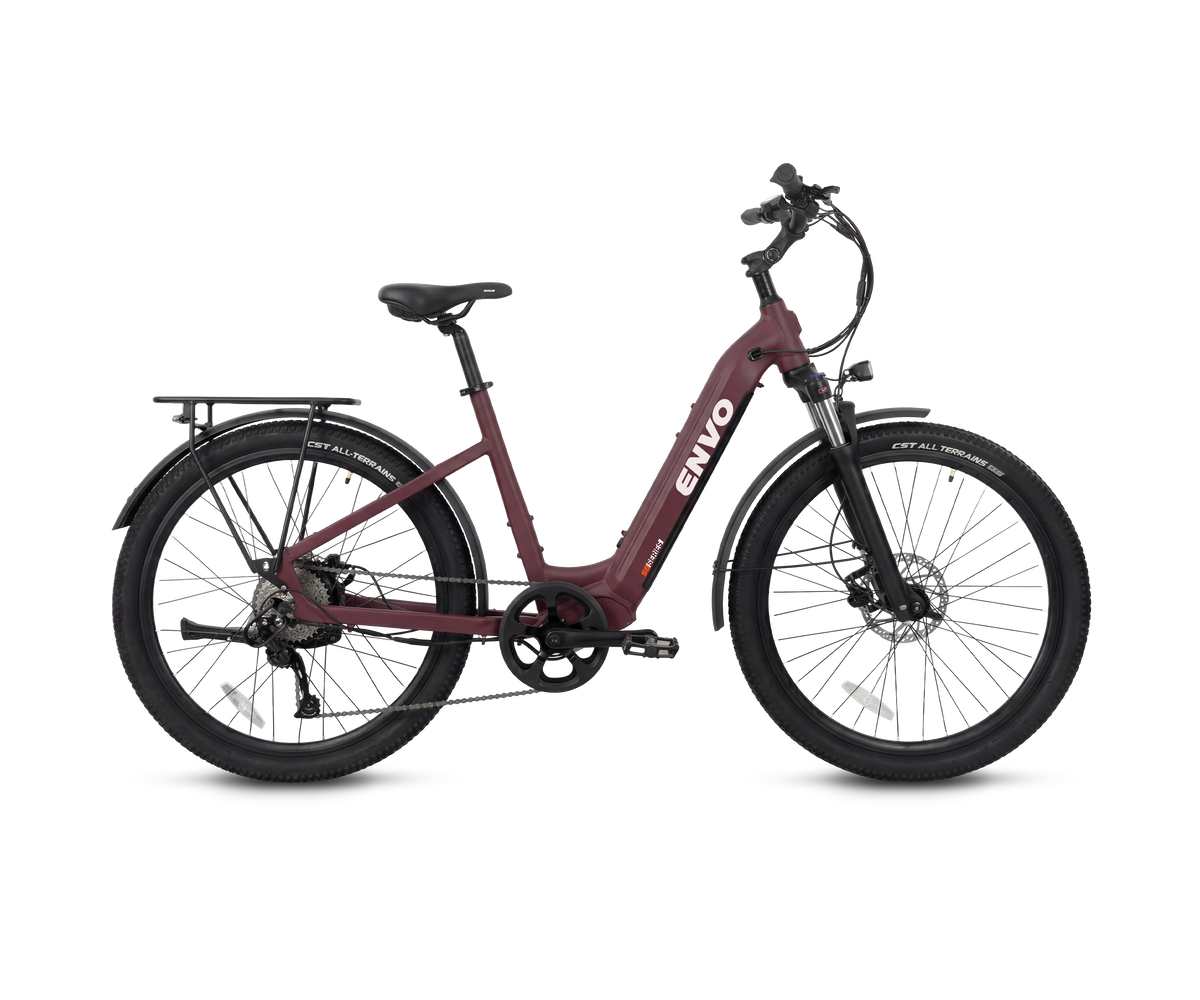
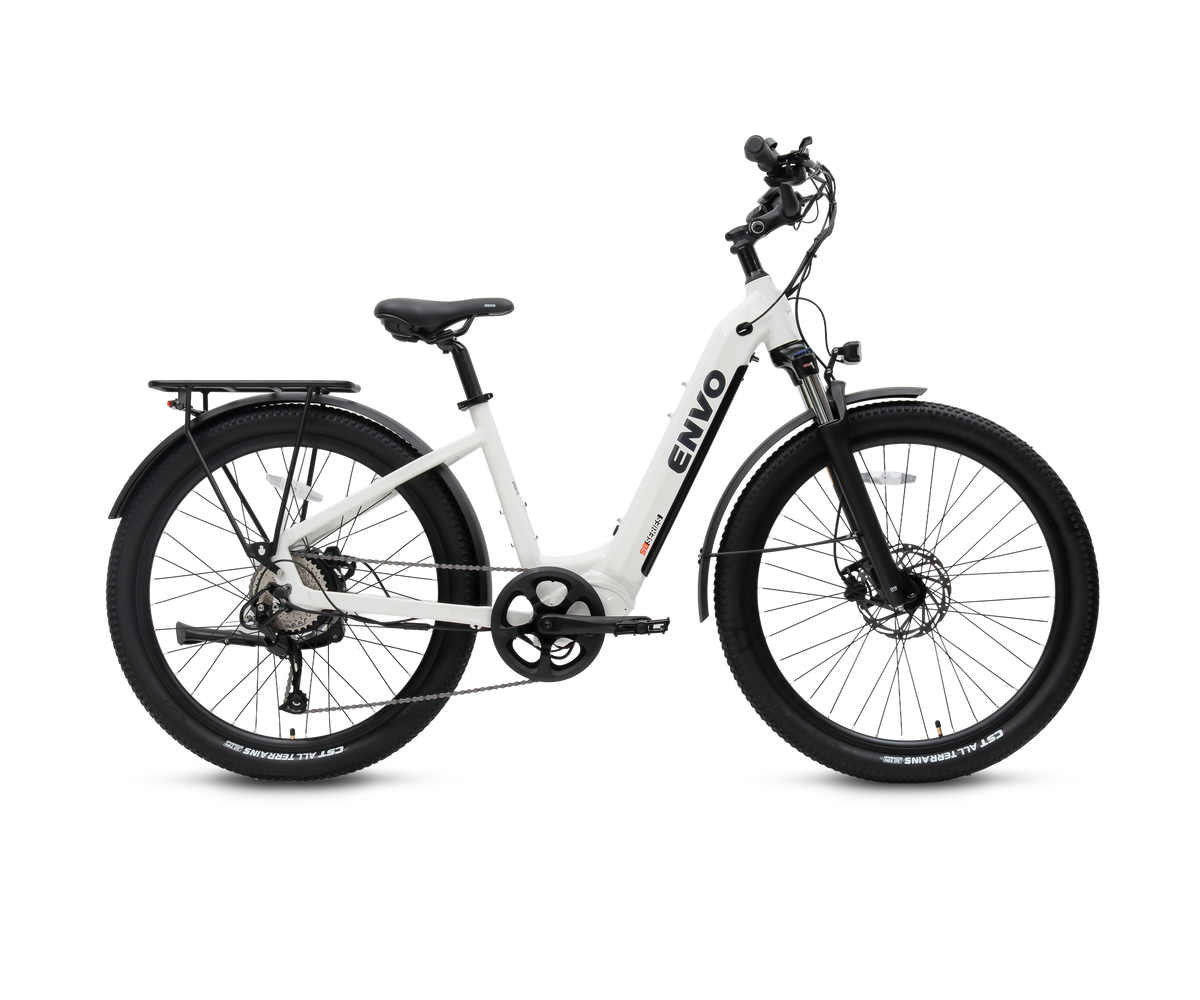
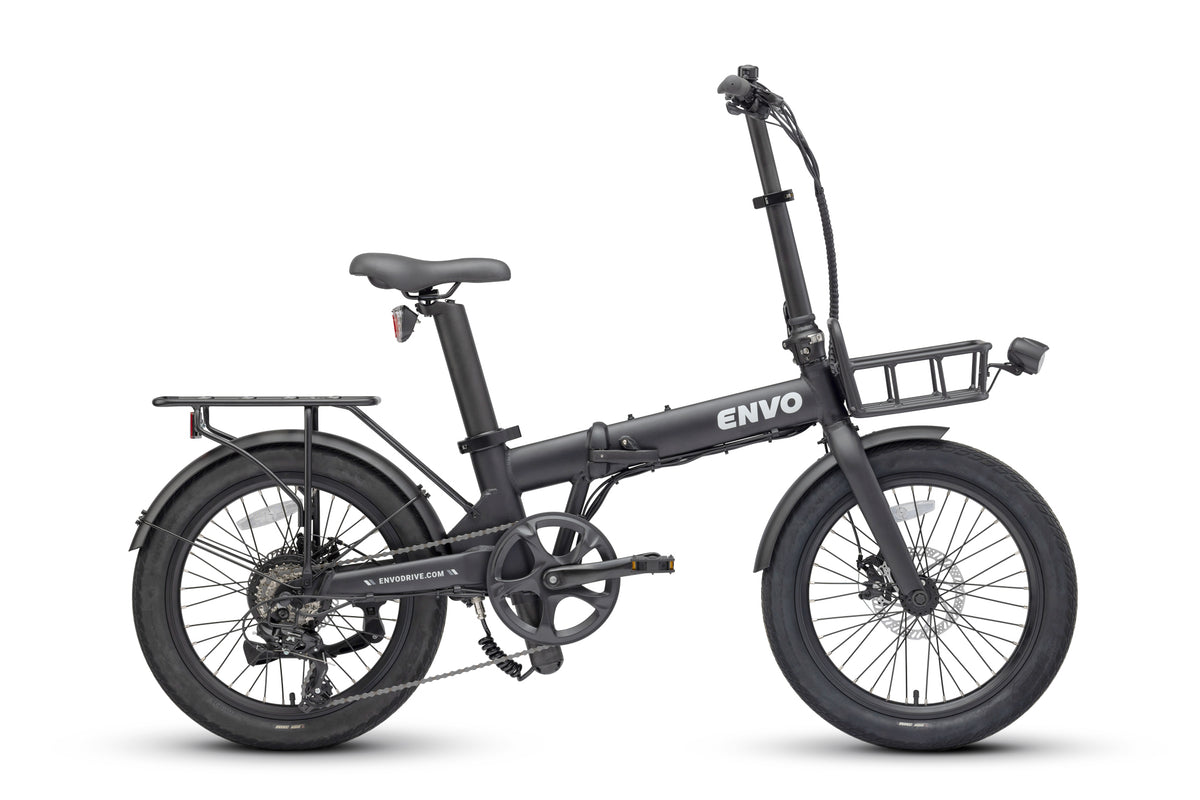
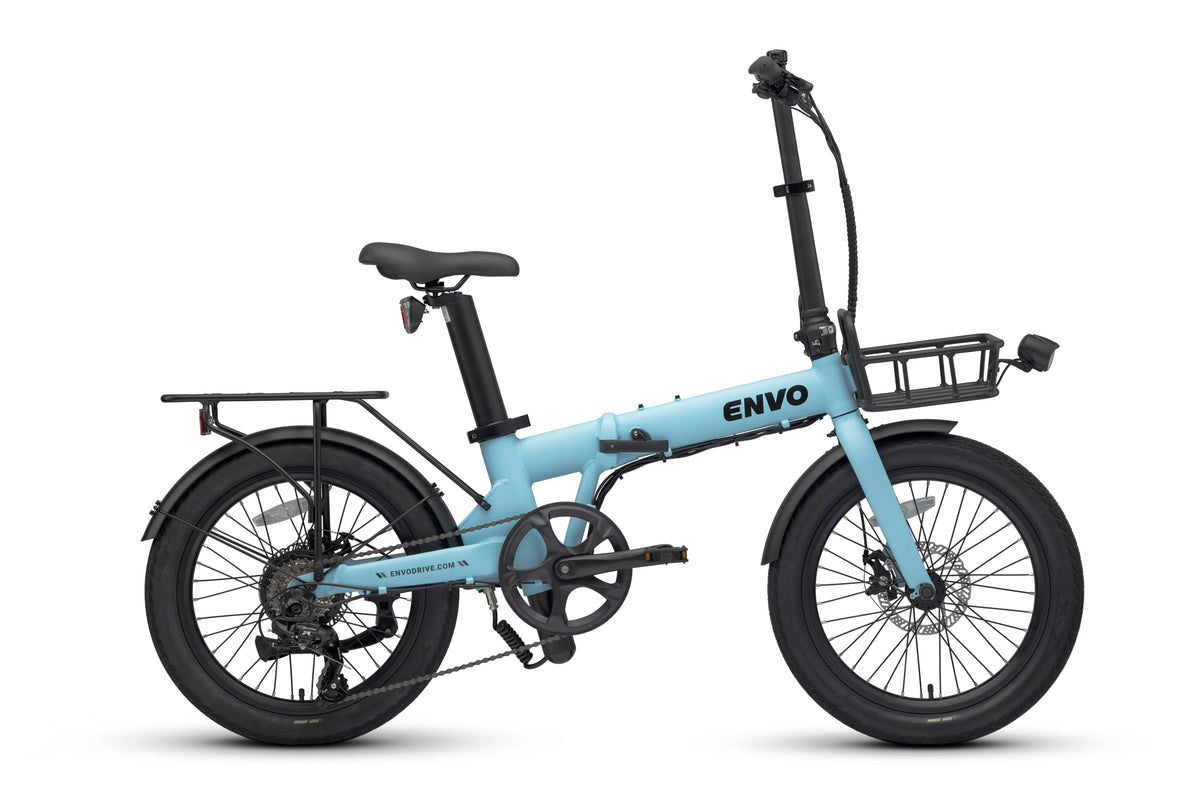
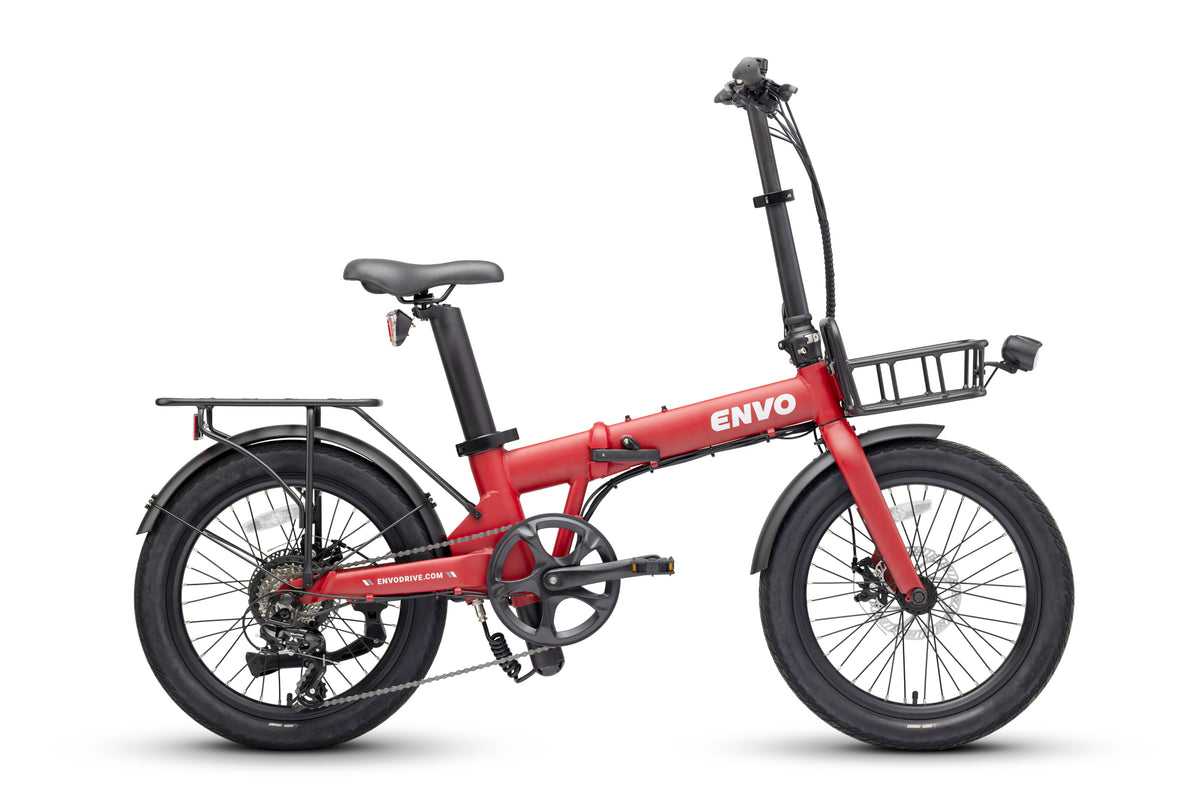
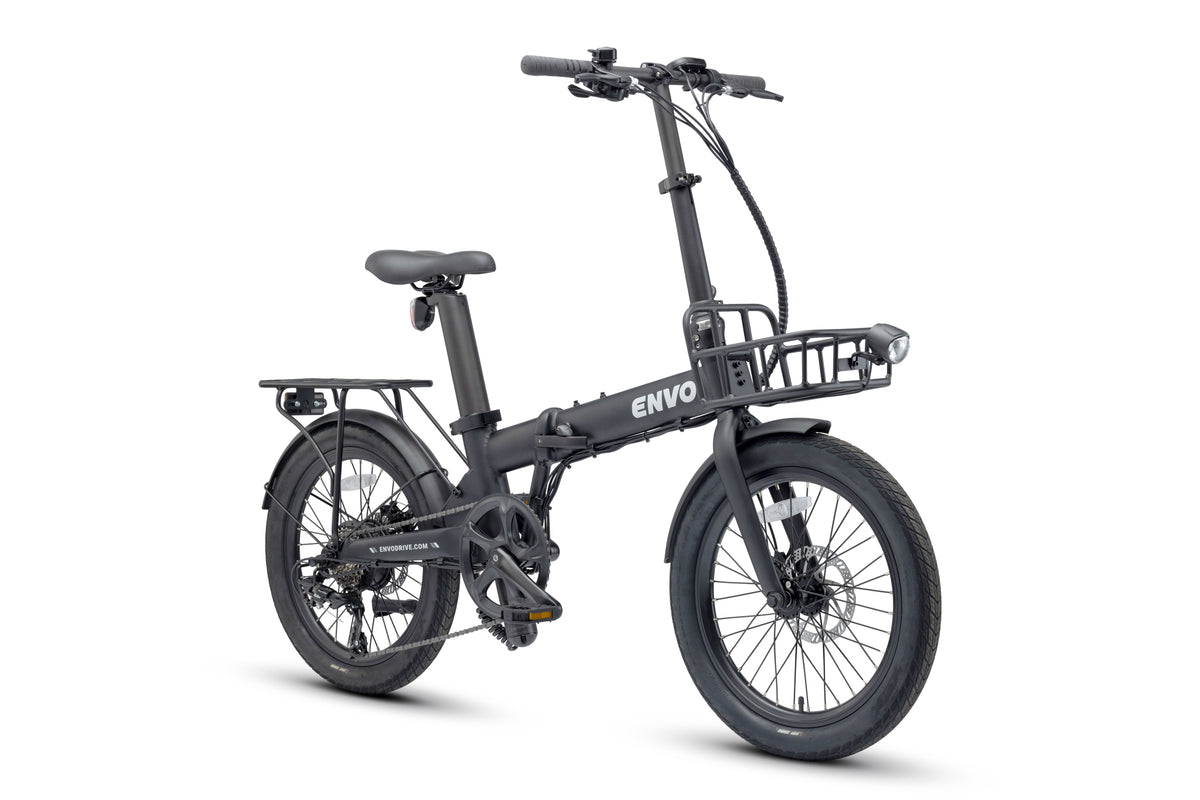
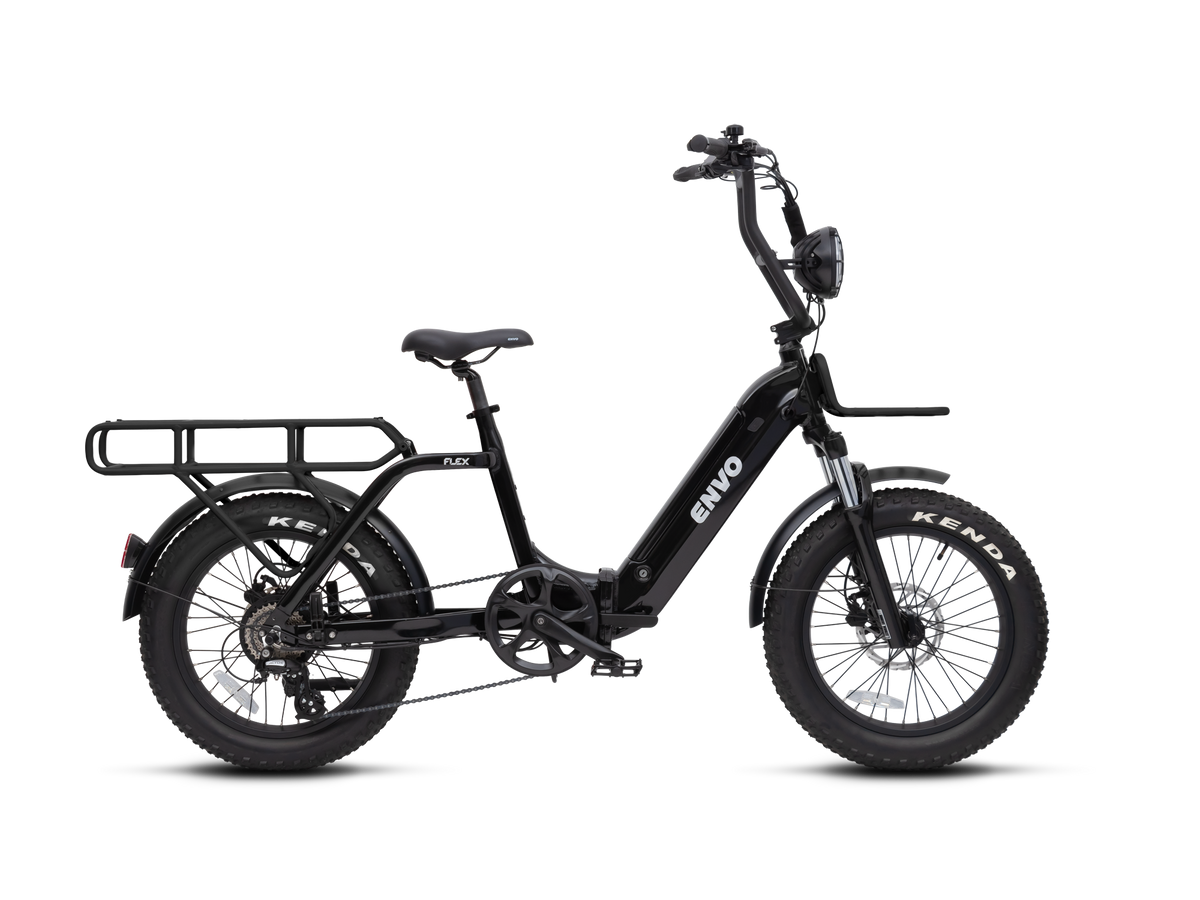
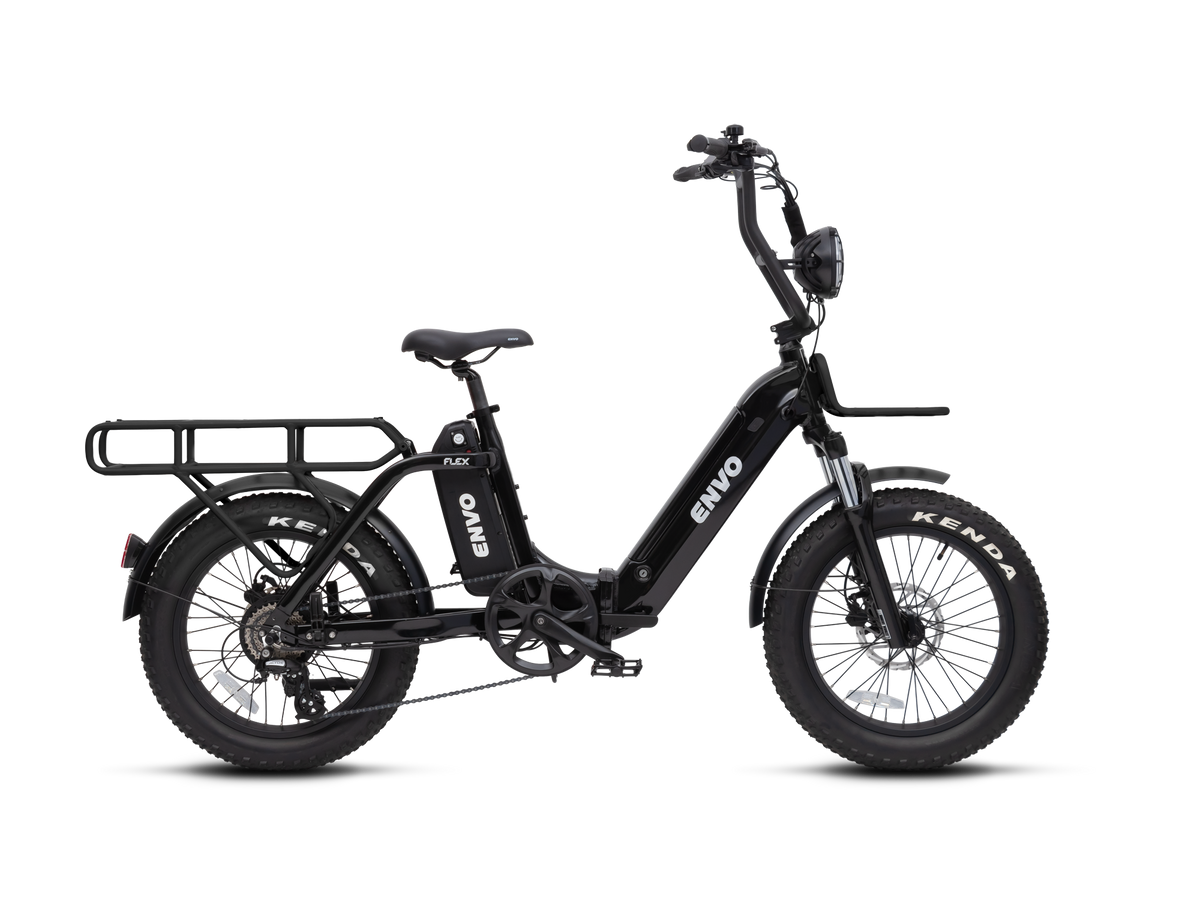
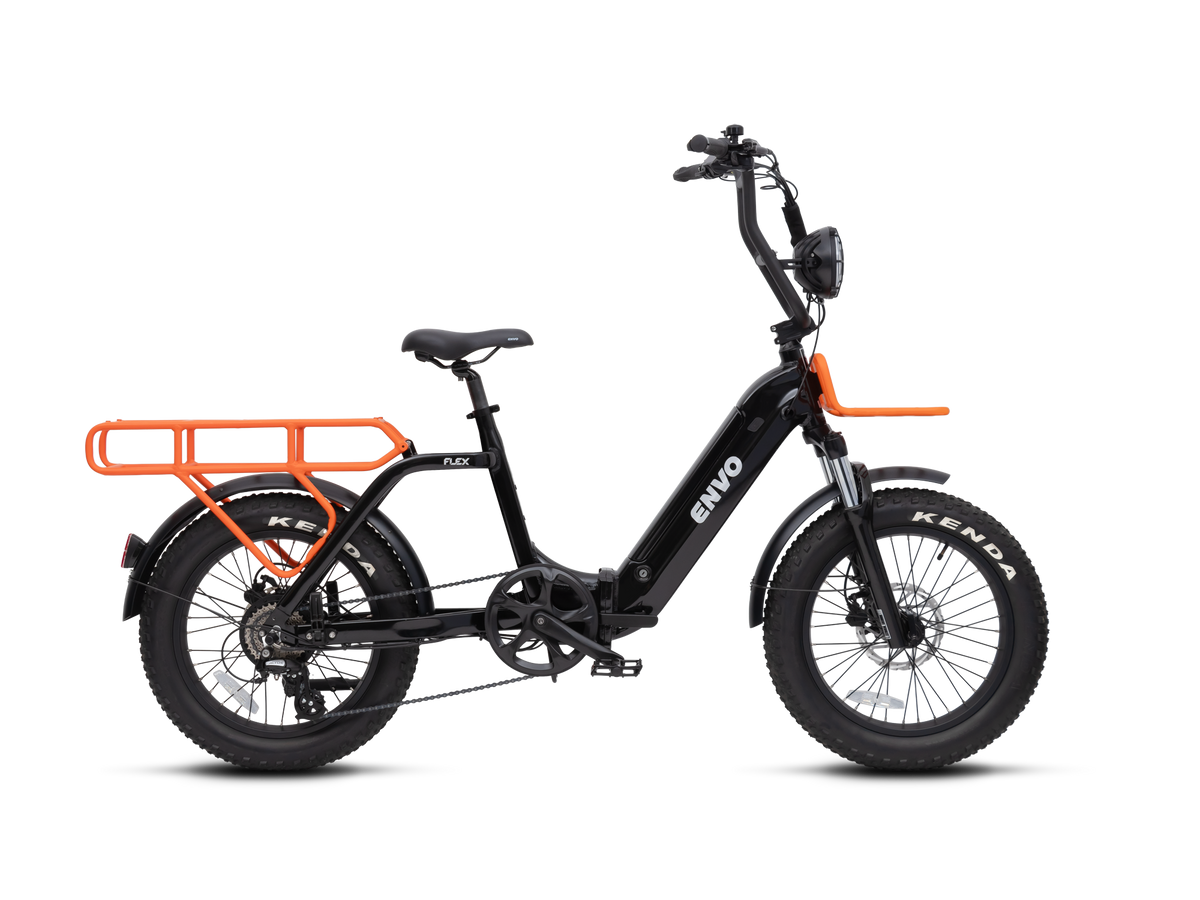
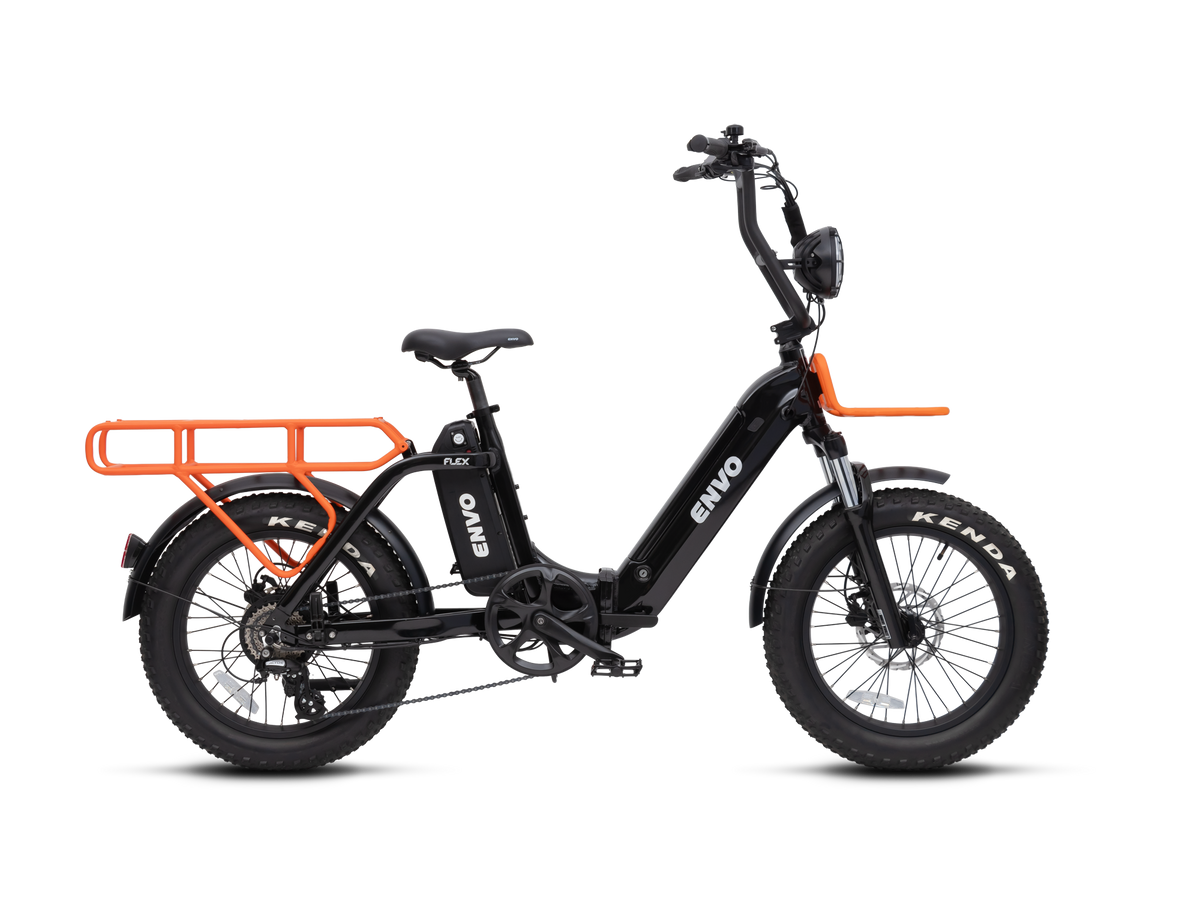
When you compare the condo-approval readiness of different e-bike brands, the picture becomes clearer. Canadian brands — ENVO in particular — present a more complete documentation package for condo approval purposes.
| Approval Factor | Lectric | ENVO |
|---|---|---|
| UL 2849 Certification | Yes | Yes |
| Product Recalls | Yes (45K units, brakes) | No recalls |
| Battery Cell Brand Disclosed | No | Yes (LG / Panasonic) |
| Cell Safety Data Sheet Available | Not publicly available | Available via cell manufacturer |
| Manufacturer Location | Phoenix, AZ (USA) | Burnaby, BC (Canada) |
| Canadian Warranty Support | US-administered | Canadian-administered |
| Overall Condo Approval Readiness | Meets minimum (UL 2849) | Comprehensive documentation |
The practical difference shows up in the approval conversation. An ENVO buyer can present UL 2849 certification, confirm the cell brand with verifiable documentation, point to a clean recall record, and reference a Canadian manufacturer with Canadian support. A Lectric buyer can present UL 2849 certification — which is genuinely valuable — but may face follow-up questions about cell sourcing, recall history, and foreign manufacturer support that are harder to answer definitively.
Neither brand is guaranteed approval. Building rules vary, and some buildings have blanket bans regardless of certification. But ENVO presents a smoother path through the approval process for buildings that look beyond the minimum certification requirement.
Build Quality and Condo Safety
The condo charging question isn't just about certifications — it connects to the broader question of component quality. Building managers who investigate e-bike brands will find a pattern of owner-reported issues that may influence approval decisions.
- Controller failures: Repeated error codes and sudden power loss — electrical component failures are exactly what building managers worry about when assessing fire risk.
- Undisclosed battery cells: The single most relevant concern for condo charging. Unknown cell provenance means unknown thermal runaway characteristics.
- 45,000-unit recall: While brake-related, any CPSC recall signals quality control gaps that cautious building managers will flag.
- Finish and weld quality: Rough manufacturing tolerances raise questions about overall quality control across all components — including electrical ones.
A condo building doesn't care about price or value — they care about liability. Owner-reported controller failures and undisclosed battery cell sourcing create friction points in the approval process that better-documented brands avoid entirely.
Bottom Line
Lectric's UL 2849 certification is a genuine advantage that separates them from many budget e-bike brands. For condo buildings with simple certification-based policies, a current-model Lectric should meet the requirements. This is a real positive that deserves recognition.
But UL 2849 is not an automatic approval stamp. Buildings that look deeper — at recall history, cell sourcing, and manufacturer accountability — may raise questions that Lectric's current disclosure practices make difficult to answer. The 45,000-unit brake recall, while unrelated to batteries, is public record that cautious building managers will find. The undisclosed battery cell brand is a friction point that could slow or complicate approval.
Our recommendation for condo-dwelling buyers: Before purchasing any e-bike, contact your building management or strata council and ask specifically what documentation they require for e-bike charging approval. Get the answer in writing. If they require only UL 2849, a Lectric meets that threshold. If they ask additional questions about cell sourcing, recall history, or manufacturer accountability, prepare your answers in advance — or consider brands that provide more complete documentation upfront.
Need Condo-Friendly E-Bikes with Full Documentation?
ENVO e-bikes offer UL 2849 certification, disclosed LG/Panasonic cells, no recall history, and Canadian-based support — the complete documentation package for condo approval.
Browse ENVO E-Bikes at EbikeBC →Condo and strata building rules vary by building, province, and management company. This article provides general information and does not constitute legal advice. Verify your specific building's requirements before purchasing. UL certification and recall information is based on publicly available data as of April 2026. This article contains affiliate links; we may earn a commission if you purchase through our links at no additional cost to you. All opinions are our own based on independent research.